
 English
  Polski
  Deutsch
  Nederlands
  Svenska
  Norsk
Norsk  Dansk
Dansk  Français
  Italiano
  Español
  Português
  Slovenčina
  Suomi
Suomi  Gaeilge
 Get Rid of Fruit Flies in Your Flat for Good
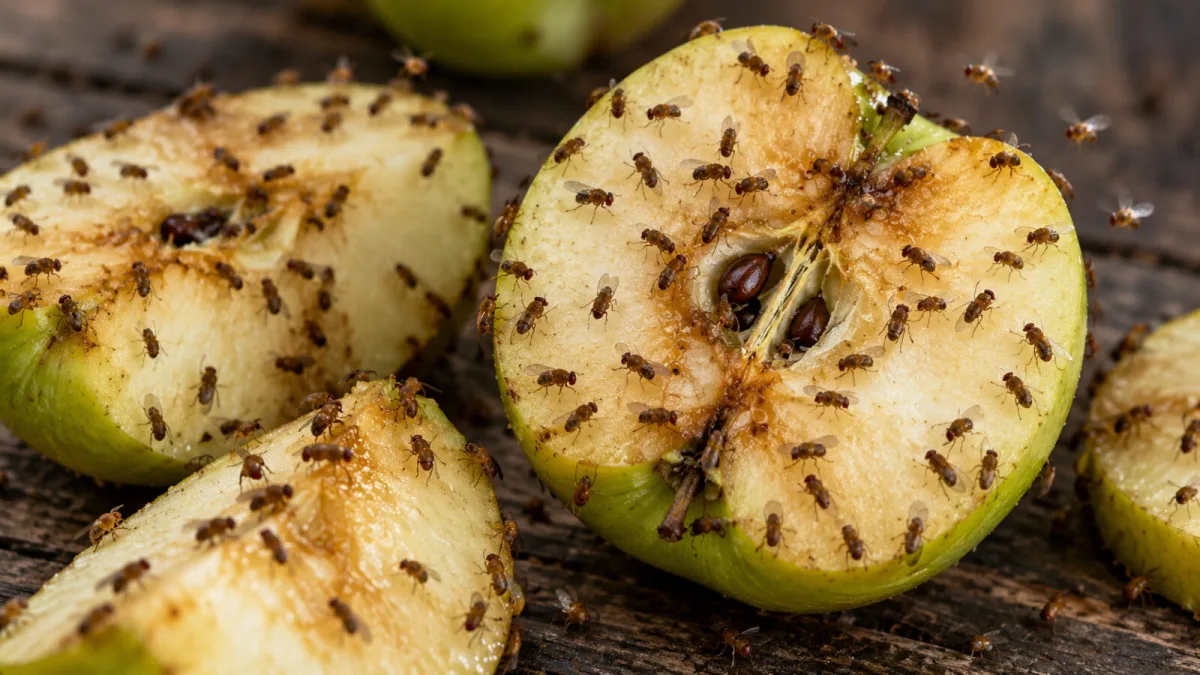
Fruit flies, often called vinegar flies, are tiny flying insects that can show up in homes all year round. You’ll notice them most in late summer and autumn, when there’s plenty of fruit and other organic food around. They’re easy to recognise by their small size, oval bodies, pale to brownish colouring, and striking red eyes. They don’t bite or sting, but their presence often suggests there’s lingering moisture somewhere, food residues, or overripe produce.
How to recognise fruit flies and where you’ll spot them first
An adult fruit fly is about 3 mm long. It has six legs, short antennae, and moves quickly, often in short flights near the kitchen worktop, a fruit bowl, or the sink. The clearest sign of an infestation is simply that tiny flies are hovering where food is. Most often they appear in the kitchen, but you may also see them around rubbish, compost, bottles, cans, or cleaning tools that have been left damp.
Where they come from and why it seems like they appeared from nowhere
Many people feel fruit flies arrive suddenly with no obvious cause. In reality, they can get into your home in several ways. They slip through small gaps and poor seals around windows and doors, or you bring them in with the shopping. Their eggs can be laid right on the surface of fruit and vegetables. As produce ripens at home, it starts to ferment, and the flies develop very quickly. That rapid life cycle creates the impression they appeared literally overnight.
What attracts fruit flies most
The biggest magnet is overripe, rotting, or fermenting fruit and vegetables. In practice, their menu and interest are broader. They’re attracted to sink drains, bins, waste disposers, returnable bottles, cans with leftover drinks, cloths, sponges, and even a mop if it’s soaked with water and organic residues. They seek out sweet, fermenting material and more humid conditions. They usually feed from surfaces, so accidentally swallowing one is very unlikely.
Their life cycle is longer than most people think
A common myth says a fruit fly lives for just one day. In suitable conditions, however, it can live roughly 40 to 50 days. That’s plenty of time for a female to lay several batches of eggs and for numbers in the home to climb quickly. They also develop and survive better in warmth, which is why problems tend to be worse in warmer seasons or in overheated rooms.
When their season is at its peak
Although they can appear at any time of year, they thrive most in summer and autumn. The reason is simple: there’s more fresh produce in the home, and therefore more fruit that gradually ripens and begins to ferment. Cold limits their development. When temperatures drop significantly, their activity can fall sharply or development may pause for a while. That’s why they’re less common in areas with cold winters.
What the eggs look like and where females lay them
Fruit fly eggs are practically invisible to the naked eye. They’re about 0.5 mm long, elongated like a grain of rice, and pale yellowish in colour. Females lay them mainly into sweet, decomposing organic material: overripe fruit, vegetables, and other fermenting scraps. One female can lay several hundred eggs, which explains why the problem quickly worsens without intervention.
Are fruit flies dangerous to people
Fruit flies themselves don’t harm people directly. They don’t bite, they don’t sting, and they aren’t poisonous. Even accidental ingestion typically isn’t a health risk. The indirect issue is that they can transfer bacteria from contaminated places onto food or kitchen surfaces. Bacteria mentioned include E. coli, Salmonella, or Listeria. That’s why it’s worth taking them seriously, even though they’re not an insect that attacks people.
The most effective DIY trap works on fermentation
A simple trap made from apple cider vinegar and a few drops of washing-up liquid works very well. Pour vinegar to about halfway up a glass or bowl and add a little detergent. This reduces the surface tension so the flies drown more easily after landing. You can cover the container with cling film and poke a few small holes in it. The smell of fermentation lures them in, but they struggle to get back out.
A paper funnel pushed into a jar can work similarly. It’s important to remember that one trap usually won’t solve the problem in a single day. Given the number of eggs and their rapid breeding, you’ll need to refresh the bait for several days, sometimes longer.
How to stop them breeding again
The foundation of prevention is removing everything that attracts them. Store fruit and vegetables in the fridge or in well-sealed containers. Throw out overripe items as soon as possible. Take out rubbish, recycling, and food waste regularly, and don’t leave containers sticky with drink or food residues. It also helps to keep worktops clean and dry, avoid leaving wet sponges and cloths out, and ventilate after cooking or use an extractor fan.
The sink drain also plays a big role. Food residues can stick inside, providing fruit flies with ideal conditions. Flushing the drain with hot water and washing-up liquid can help reduce both adult flies and breeding spots. If you want to lower the chance of bringing them home, quickly rinse fruit and vegetables after shopping and dry them well.
If it doesn’t look like fruit flies, it may be fungus gnats
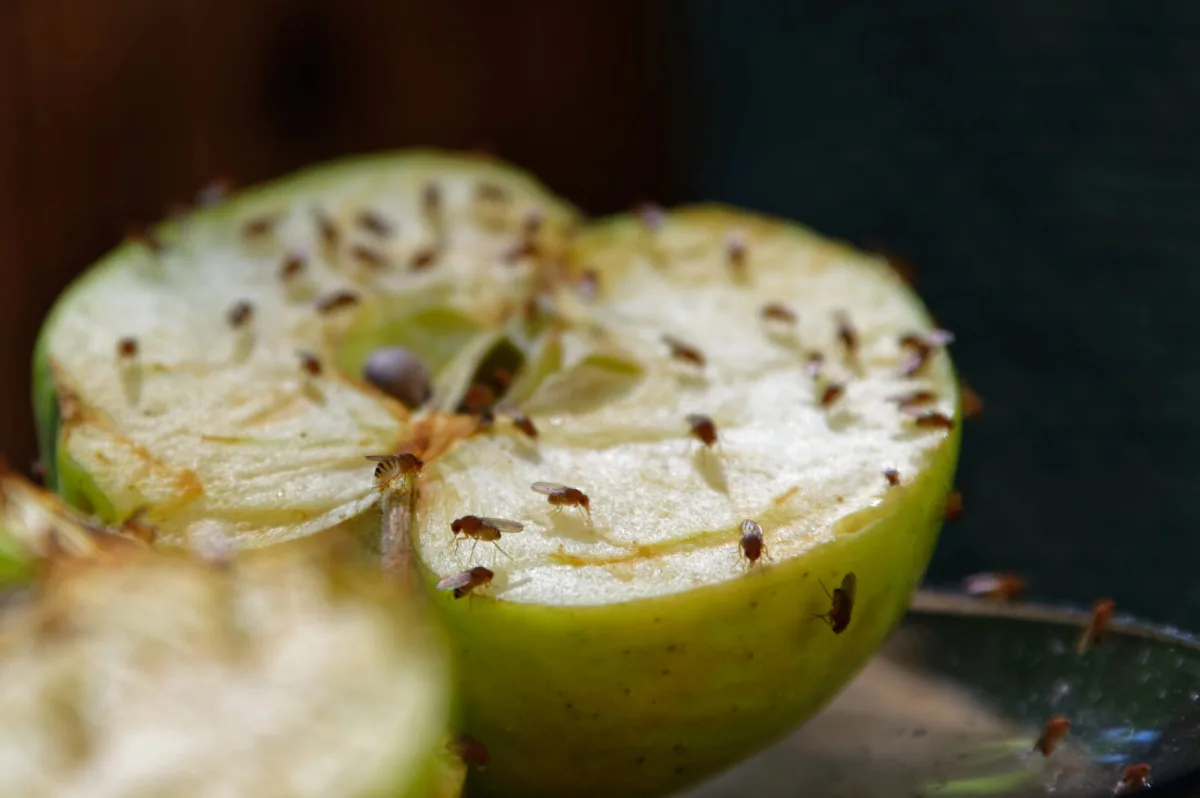
Sometimes these tiny flies are mistaken for fungus gnats, which are darker and often stay around houseplants. If they’re mainly flying around pots and compost, it may not be fruit flies but insects linked to waterlogged potting mix and decaying organic matter in the soil. In that case, reducing watering and letting the compost dry out more between waterings will help.
The most successful way to tackle fruit flies isn’t just the trap, but above all consistently removing moisture, food residues, and every place where fermentation can occur.
If you combine traps with careful cleaning and prevention, you can significantly reduce a household fruit fly population or eliminate it completely. The key is to stick with it for several days in a row and leave them no food source and no space to breed.
Source: Mc Gil, Arrow Exterminators , Pestrazahrada.cz
Related articles
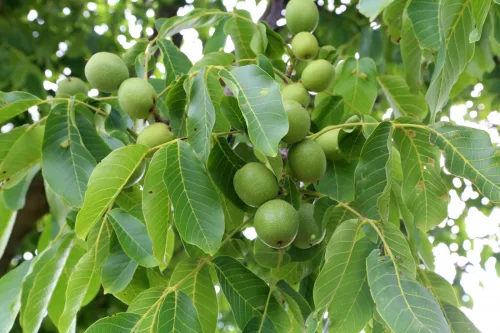
Insects Hate the Smell and Skin Glows Afterward Walnut Leaves Have Surprisingly Many Uses
Walnut leaves aren’t just autumn litter. Used sensibly, they can support digestion, soothe skin and hair, freshen the home naturally, and even earn a place in the compost heap.
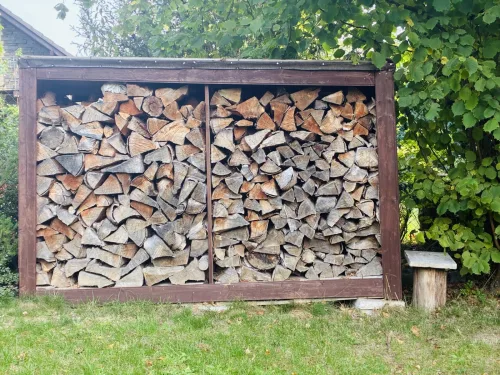
How to Choose Firewood That Heats Your Home the Longest
Not all firewood burns the same. Learn how wood density and moisture content determine burn time and heat output, and how to spot properly seasoned logs.
Bay Leaves Can Help Deter Mice If You Use Them Correctly
Bay leaves aren’t just for soups and sauces. Used properly, their strong scent can discourage mice from using certain routes indoors, but only as a supporting measure alongside proofing and good hygiene.
Comments (0)
Be the first to comment.