
 English
  Polski
  Deutsch
  Nederlands
  Svenska
  Norsk
Norsk  Dansk
Dansk  Français
  Italiano
  Español
  Português
  Slovenčina
  Suomi
Suomi  Gaeilge
 Don’t Clear the Garden to the Last Leaf Some Plants Will Reward You with Free Harvests
With autumn’s arrival, most growers harvest their beds almost down to the very last leaf and prepare the soil for winter rest. Alongside this usual routine, though, there’s a more natural approach that can save work while also supporting the resilience of next season’s crop. Some vegetables don’t need to be hand-sown again and again. If we give them space, they can reproduce on their own.
This principle is called self-seeding. It’s not new or a gardening fad, but a very old way of renewing plantings that follows the natural cycle of plants. All it takes is to let a few healthy plants flower, mature, and release seed directly onto the bed. Nature then does a big part of the work for us.
How self-seeding works in practice
The idea is simple. A few plants aren’t harvested at the end of the season, but left until they form seed. Once ripe, the seed drops into the soil, where it makes it through winter. As soon as spring warms up and conditions are right, it begins to germinate. This method is surprisingly effective, because what remains in the soil tends to be seed that was fully mature and viable.
Another advantage is natural selection. Not every seed survives cold, moisture, or changeable weather. But that’s exactly how weaker seedlings are filtered out from the strong ones. The new plants are often tougher and better adapted to the specific conditions in your garden.
Which vegetables are best suited to it
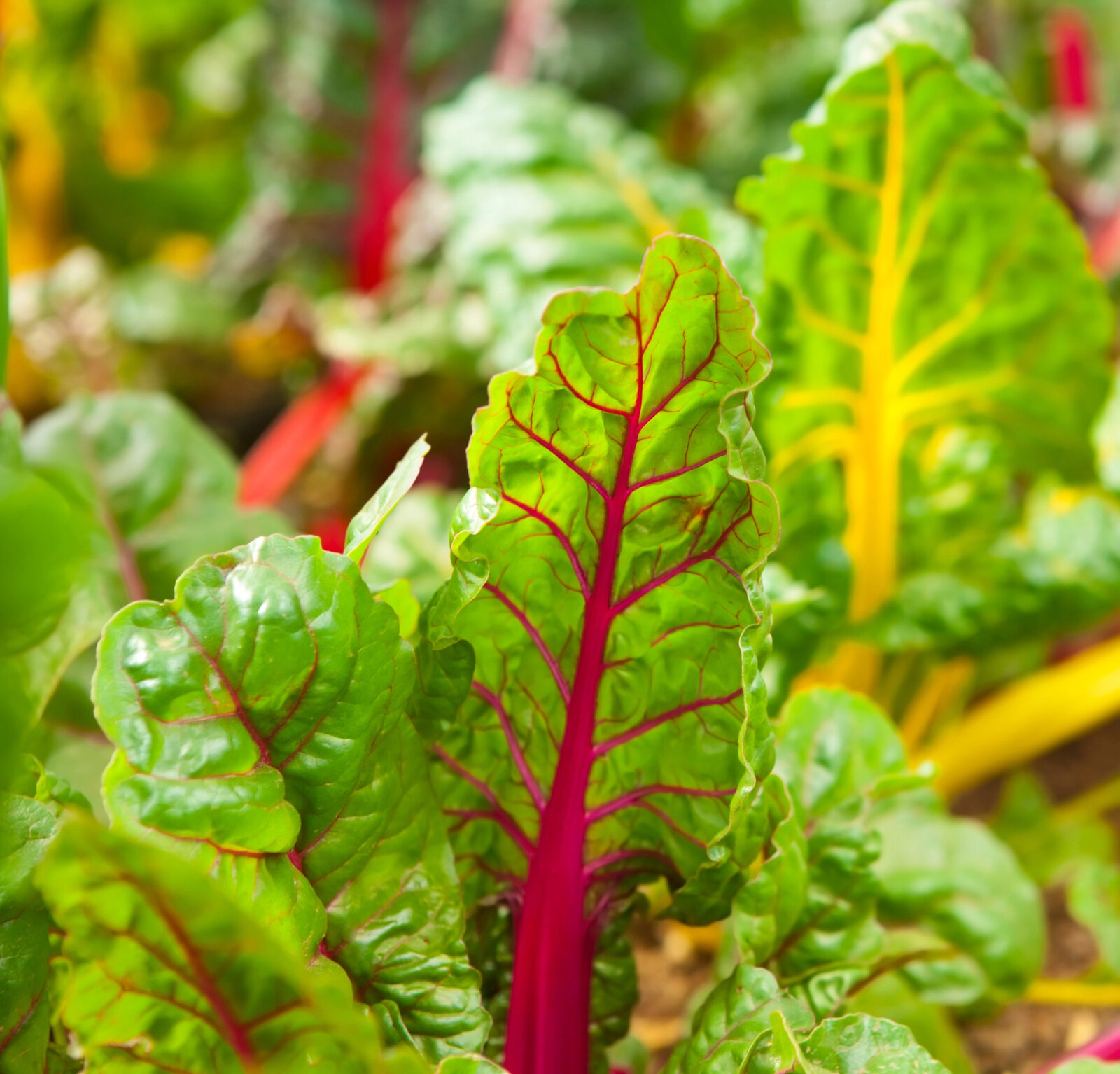
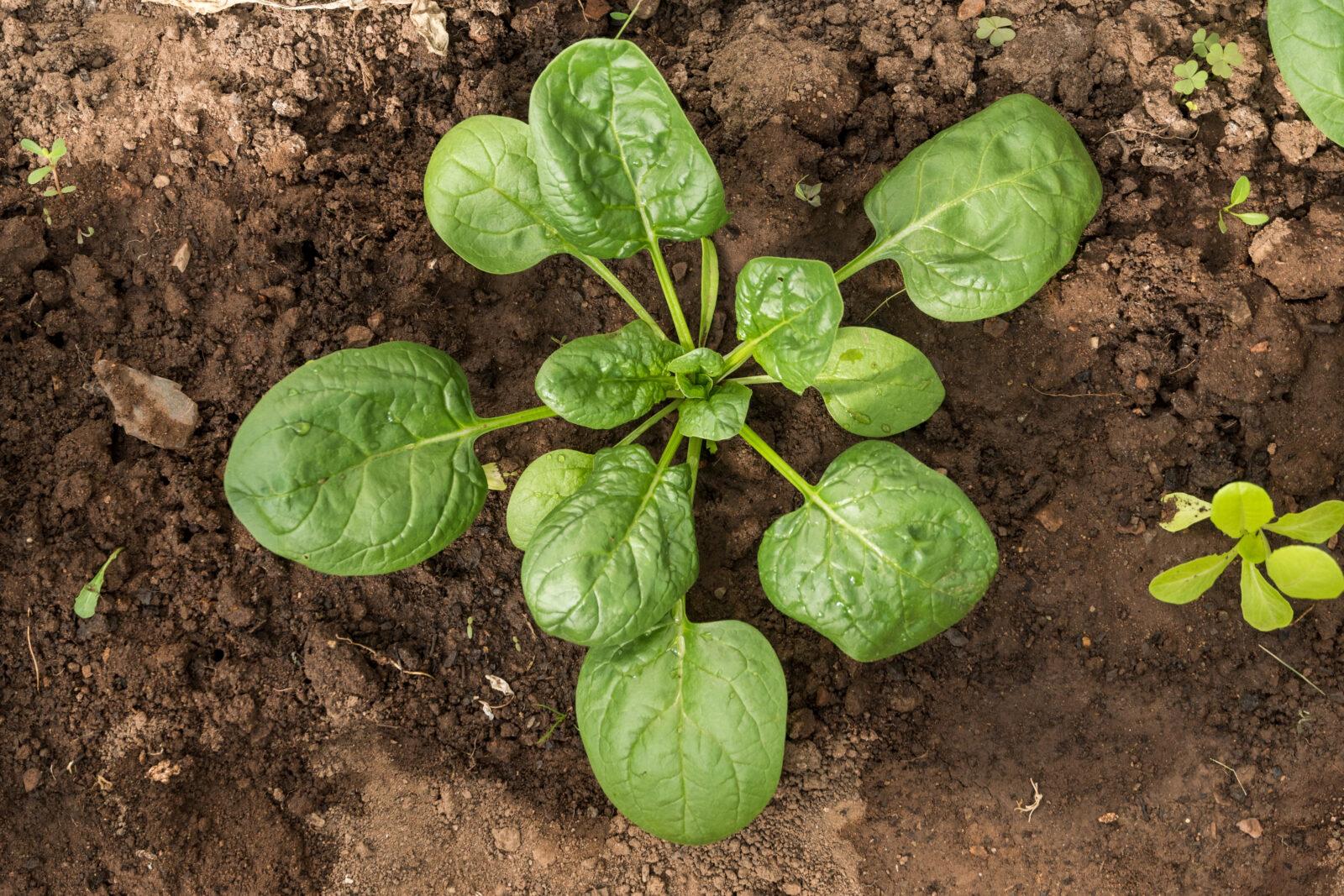
You can’t expect self-seeding from every crop, but with some it works very well. A reliable choice is spinach, which readily and consistently comes back this way. Lettuce is also excellent, as it can produce plenty of seed for a new generation if you leave it in the bed. Swiss chard can do well too, and in favourable conditions it may surprise you with a strong start in spring.
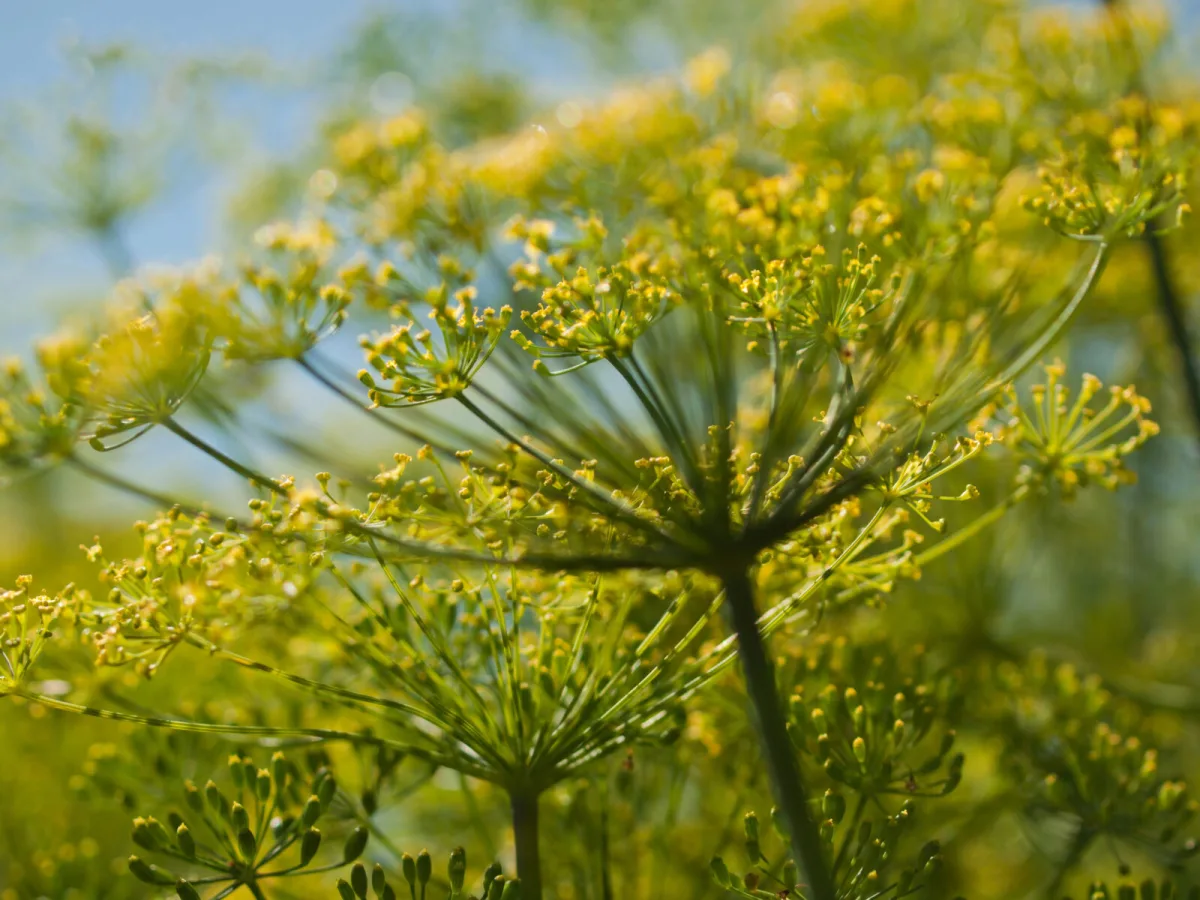
Interestingly, beyond vegetables, some herbs are also easy to grow this way. A classic example is dill, which often self-seeds even where no one intentionally planted it. Parsley can behave similarly, along with other species that have finer seed. The garden feels more alive and less rigidly managed.
A more natural garden has its own charm
Self-seeding changes how you look at growing. Instead of total control, you allow plants to move at their own pace. The bed no longer feels like a precisely planned space, but a living place where natural renewal plays a role. For many people, it’s a return to simpler, calmer gardening.
Nature often knows better than people when a seed should ripen, where it should land, and when the right time will come for germination.
At the same time, it turns out that self-seeding can be a sign of healthy soil and a well-functioning environment. Where plants can sustain themselves, the conditions for growth are usually very favourable.
It won’t happen entirely on its own without any care
Although the name might suggest completely effortless growing, this method still needs some attention. The first step is resisting the temptation to harvest everything to the last scrap. You need to leave a few strong, healthy plants in the bed until the seed is fully ripe. That takes patience and a bit more generosity when planning your harvest.
Then spring brings the second important part. Seedlings will pop up where they decide to, and they certainly won’t follow straight rows or ideal spacing. The stand is therefore usually dense and needs thinning. Only then will the strongest plants have enough room, light, and nutrients to keep growing. This step is essential to successful self-seeding.
Ruler-straight order isn’t always an advantage
Anyone who loves a perfectly precise garden layout may feel unsure about the results at first. Vegetables that come up on their own look looser and less formal. On the other hand, they bring more diversity, a more natural feel, and a certain toughness that you don’t always get with conventional growing. So self-seeding doesn’t have to replace your whole gardening approach, but it can be a valuable addition.
All it takes is trying one bed, or even just a few plants, and watching what happens. You may find that fewer interventions don’t mean a smaller harvest. On the contrary, it can be a smart way to give the garden back some of its natural strength and to spare yourself the yearly cycle of sowing.
Source: Gardening Know How, RHS, The Spruce, Pestrazahrada.cz

A lover of nature, gardens, and everything that moves, blooms, or grows. He literally grows everything, from herbs to rare species, and he enjoys caring for animals just as much. In his work, he connects modern technology with tried-and-tested grandmotherly methods and is happy when both paths lead to the same goal.
Related articles
Don’t Cover Strawberry Plants Too Early Experienced Growers Wait for a Signal from the Leaves
Strawberries need a period of winter chill, but their crowns must be protected from deep freezing, thawing cycles and drought. Time your clean-up, feeding and mulching correctly so plants come through winter strong and crop well in spring.
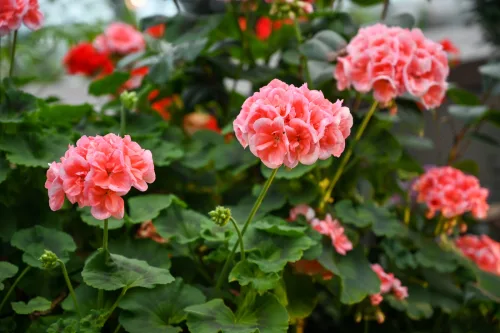
Geraniums Bloom Even in December With the Right Spot Indoors and a Small Additive in the Water
Wondering what to do with geraniums once the season ends? With a bright, warm windowsill and a simple trick in the watering can, they can keep flowering well into December and overwinter successfully for next year.
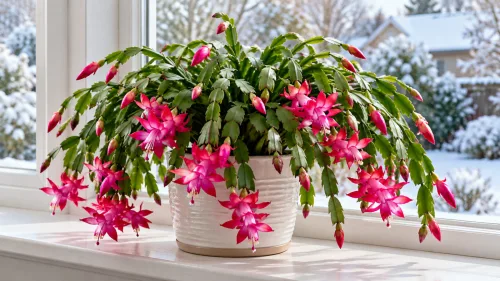
Christmas Cactus Can Bloom All Winter and Set New Buds with a Simple Grower Trick
A Christmas cactus can flower for weeks and keep forming fresh buds through winter when it gets the right care and a gentle boost of nutrition. These simple homemade feeds can help encourage blooming without expensive products.
Comments (0)
Be the first to comment.