
 English
  Polski
  Deutsch
  Nederlands
  Svenska
  Norsk
Norsk  Dansk
Dansk  Français
  Italiano
  Español
  Português
  Slovenčina
  Suomi
Suomi  Gaeilge
 Peppers and Chillies Can Survive Winter With One Simple Trick for a Record Crop Next Year
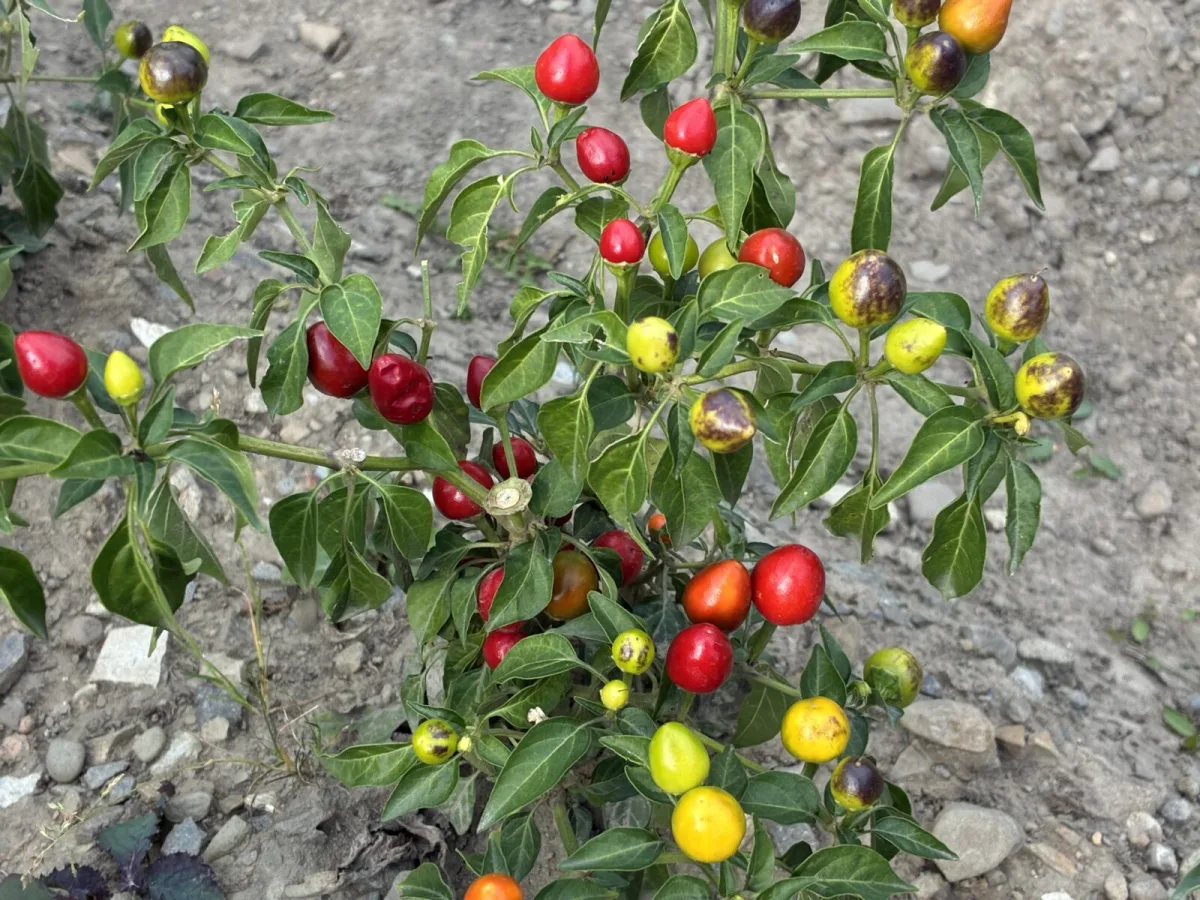
Many growers treat peppers and chillies as annuals. They sow them in spring, harvest over summer, and once autumn arrives they discard the plants. Yet they are tender perennials that, under the right conditions, can get through winter without trouble and grow and fruit again the following year. That’s the simple trick that can dramatically improve your harvest.
Overwintering peppers brings several benefits at once. The plant already has a strong framework, so it doesn’t start from scratch in spring. As a result, it kicks into the new season faster, flowers earlier, and sets fruit ahead of newly sown plants. The payoff is usually a longer picking window and a higher total yield.
How to start and which plants have the best chance
Choose only healthy, vigorous, well-grown plants. Weak or pest-affected plants are far less likely to make it through winter. Container-grown peppers have a big advantage because you can bring them indoors easily without disturbing the roots. Root damage is one of the most common reasons overwintering fails.
If your peppers were grown in the ground, you can still try to save them. You’ll need to dig them up as carefully as possible, taking the largest root ball you can. Then pot them into a large enough container with fresh compost, filling around the sides. Because transplanting inevitably loses some roots, it’s best to cut back the top growth substantially, roughly by half to three quarters.
Preparing plants before bringing them indoors
Before overwintering, peppers need to be reduced to a smaller, more manageable shape. Plants in pots can be trimmed back according to the space you have. Make each cut just above a bud, and always use clean, sharp secateurs. This reduces damage and helps prevent disease spread.
Through autumn, some shoots may naturally dry back further. That’s not a cause for concern. Simply remove dead sections back to where the stem is still green inside. Leaves may also yellow and drop. Some plants spend almost the whole winter with hardly any leaves, yet they still burst back into life in spring.
Leaf drop and partial dieback over winter are normal in peppers and don’t necessarily mean failure.
Where to keep peppers over winter
The key requirement is a frost-free spot. Peppers must not freeze, or they will die quickly. In most homes, a bright windowsill in a room that isn’t too hot and where plants aren’t right next to a heat source works well. A conservatory or another cooler but bright space is also ideal.
There’s naturally less light in winter, and behind glass the intensity is often lower than outdoors. So place peppers in the sunniest position you have. The better the light, the better they’ll cope through winter and the more readily they’ll reshoot in spring.
Watering during winter dormancy
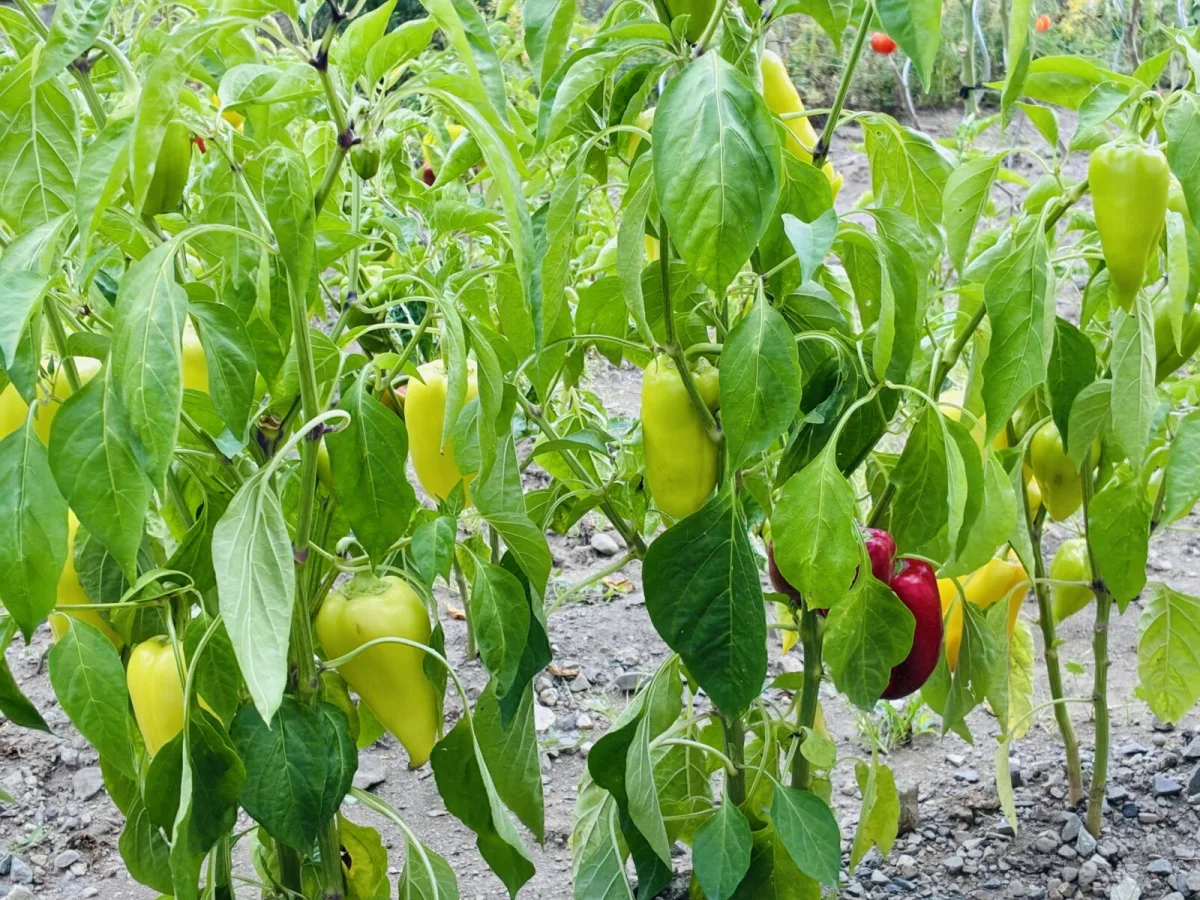
In winter, peppers don’t need much water. In fact, overwatering is a more common mistake than letting them dry a little. The compost should almost dry out between waterings, and the plant should be kept only lightly moist. Once growth slows due to low light, water use drops sharply.
When you do water, give the plant time to take it up, but don’t let excess water sit in a saucer or cachepot. Pepper roots hate being waterlogged for long periods, and in cooler conditions they can rot easily. Cautious, irregular watering is therefore safer than frequent soaking.
The most common indoor problem
When overwintering indoors, aphids are often the biggest enemy. In a warm, sheltered environment they can appear very easily and multiply fast. That’s why it’s important to check plants regularly, especially new shoots and the undersides of leaves.
As soon as pests show up, act immediately. Light infestations can be removed simply by wiping with a damp cloth. A firm shower with water can also help. The main thing is not to leave aphids unchecked, because a weakened plant will unnecessarily lose vigour over winter.
How to wake peppers up again in spring
About six weeks before the expected last frost, it’s time to give overwintered peppers a fresh push. Repot them into fresh multipurpose compost, adding a small amount of organic fertiliser if you like. You don’t always need a much larger pot; often it’s enough to remove a few centimetres of old compost from around the root ball and replace it with new.
Once the first signs of new growth appear, you can gradually increase watering. Plants will produce more leaves, new branches will thicken, and overall development will speed up. If the weather is favourable, you can move them into a greenhouse or polytunnel about one to two weeks before the last frost. If a cold night threatens, it’s sensible to bring them temporarily back indoors.
A quicker head start and heavier fruiting
As days lengthen and temperatures rise, overwintered peppers wake up surprisingly quickly. They leaf out densely, build new branching, and soon set buds. At this point it’s time to start feeding again, ideally with a liquid fertiliser higher in potassium to support flowering and fruit set.
The reward for winter care is a first harvest much earlier than peppers grown from seed that same year. The head start can be several weeks, which really matters in our climate. If you have a bit of space on a bright windowsill and you’re willing to give plants an occasional check, this method can secure a longer season and a noticeably bigger crop.
Source: Grow Veg, Gardenary , Pestrazahrada.cz
Related articles
Don’t Cover Strawberry Plants Too Early Experienced Growers Wait for a Signal from the Leaves
Strawberries need a period of winter chill, but their crowns must be protected from deep freezing, thawing cycles and drought. Time your clean-up, feeding and mulching correctly so plants come through winter strong and crop well in spring.
Geraniums Bloom Even in December With the Right Spot Indoors and a Small Additive in the Water
Wondering what to do with geraniums once the season ends? With a bright, warm windowsill and a simple trick in the watering can, they can keep flowering well into December and overwinter successfully for next year.
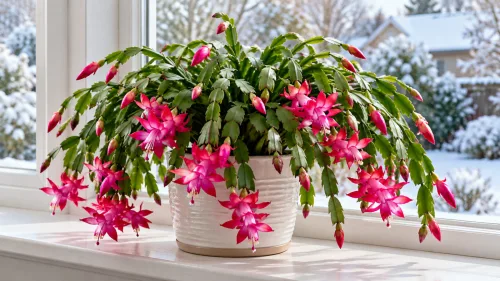
Christmas Cactus Can Bloom All Winter and Set New Buds with a Simple Grower Trick
A Christmas cactus can flower for weeks and keep forming fresh buds through winter when it gets the right care and a gentle boost of nutrition. These simple homemade feeds can help encourage blooming without expensive products.
Comments (0)
Be the first to comment.