
 English
  Polski
  Deutsch
  Nederlands
  Svenska
  Norsk
Norsk  Dansk
Dansk  Français
  Italiano
  Español
  Português
  Slovenčina
  Suomi
Suomi  Gaeilge
 Homemade Dehydrated Tomato Chips Turn Seasonal Tomatoes into a Budget Crunchy Snack
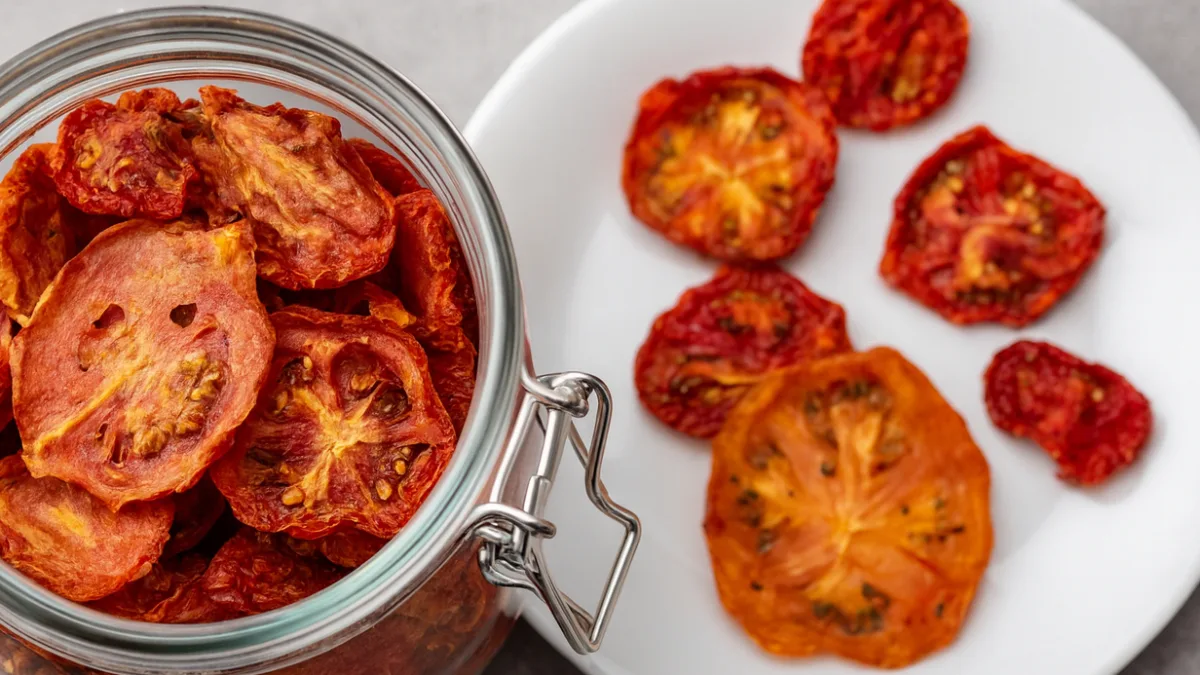
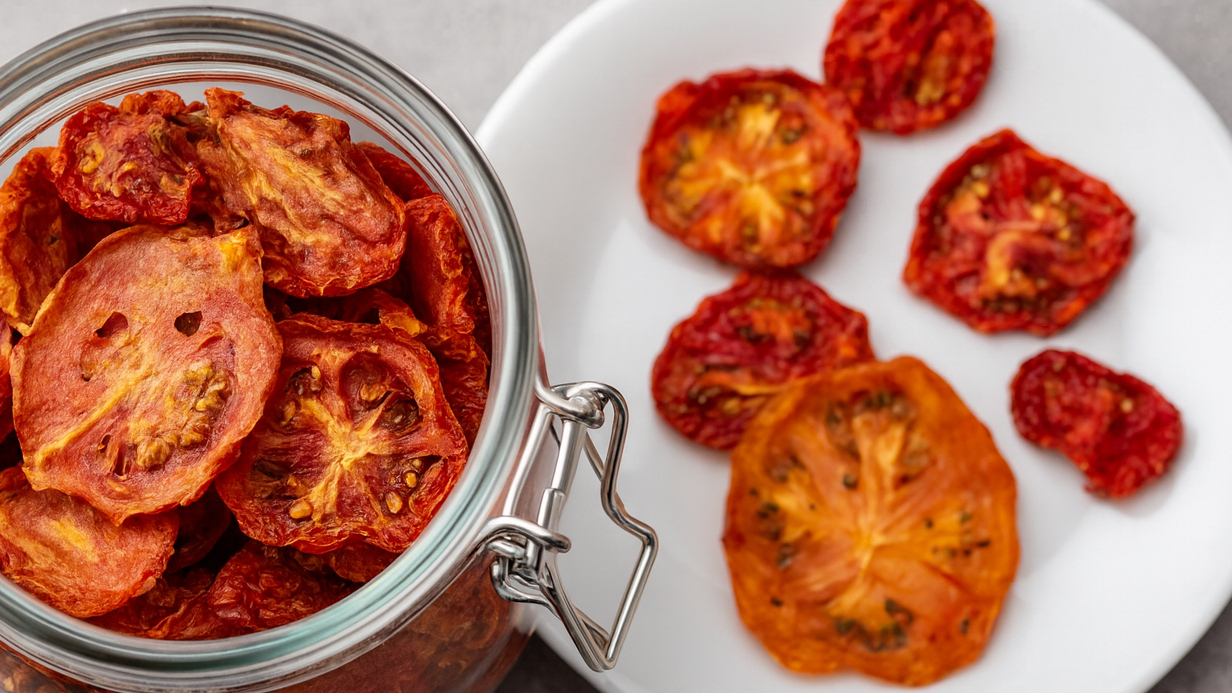
From an ordinary kilogram of ripe tomatoes, you can make crispy chips at home that easily outshine many factory-made alternatives. There’s nothing complicated required: a food dehydrator, a little salt, a pinch of basil, and a few hours of time. The result is a concentrated taste of summer in thin slices that are simple, fragrant, and free from unnecessary additives.
As tomatoes dehydrate, they lose most of their water, usually 80 to 95 percent. That’s why 1 kg of fresh fruit becomes only about 50 to 200 g of finished chips. At first glance it may seem like a small yield, but in reality it’s an intensely flavoured treat. Sugars, acids, and aromatic compounds remain, making every slice far more pronounced than when fresh.
Why seasonal Czech tomatoes are the best
The best time to make homemade tomato chips is during peak season, mainly August and September. At this time of year tomatoes are fully ripe, have had plenty of sun, and taste their strongest. They’re usually more affordable than out of season too, which makes home drying not only delicious but also a sensible choice.
Not every variety is equally suitable, though. The flesh-to-water ratio matters a lot. For dehydrating, meatier tomatoes, plum types, or pear-shaped varieties are more practical because they hold their shape better once dried and don’t release as much excess juice. Cherry tomatoes can be wonderful for flavour, but they’re often expensive, which makes a homemade batch significantly pricier.
If you have your own crop or a garden surplus, homemade chips are especially cost-effective. In that case, the main expense shifts to electricity and a bit of seasoning, while the tomatoes themselves cost next to nothing.
A simple method even beginners can manage
Drying tomatoes at home isn’t a difficult kitchen task. What matters most is care and patience. First, wash the tomatoes and slice them to about 4 mm thick. That thickness is important for even drying. Slices that are too thin can finish too quickly and lose their pleasant tomato flavour, while thicker ones may stay damp in the middle.
Arrange the slices on the dehydrator trays in a single layer so they don’t overlap unnecessarily. Then lightly salt them and add dried basil. Dried basil has a stronger flavour than fresh, so you don’t need much. Tomatoes also take well to other dried seasonings, such as oregano, thyme, pepper, or garlic powder.
Set the dehydrator to around 70 °C and let it run for 8 to 12 hours. The exact time depends on the variety, juiciness, and how thickly the slices were cut. A higher temperature isn’t recommended, because the surface can dry too fast while the centre remains under-dried. Let the finished chips cool completely, and only then seal them in a container.
A dehydrator has several clear advantages over an oven
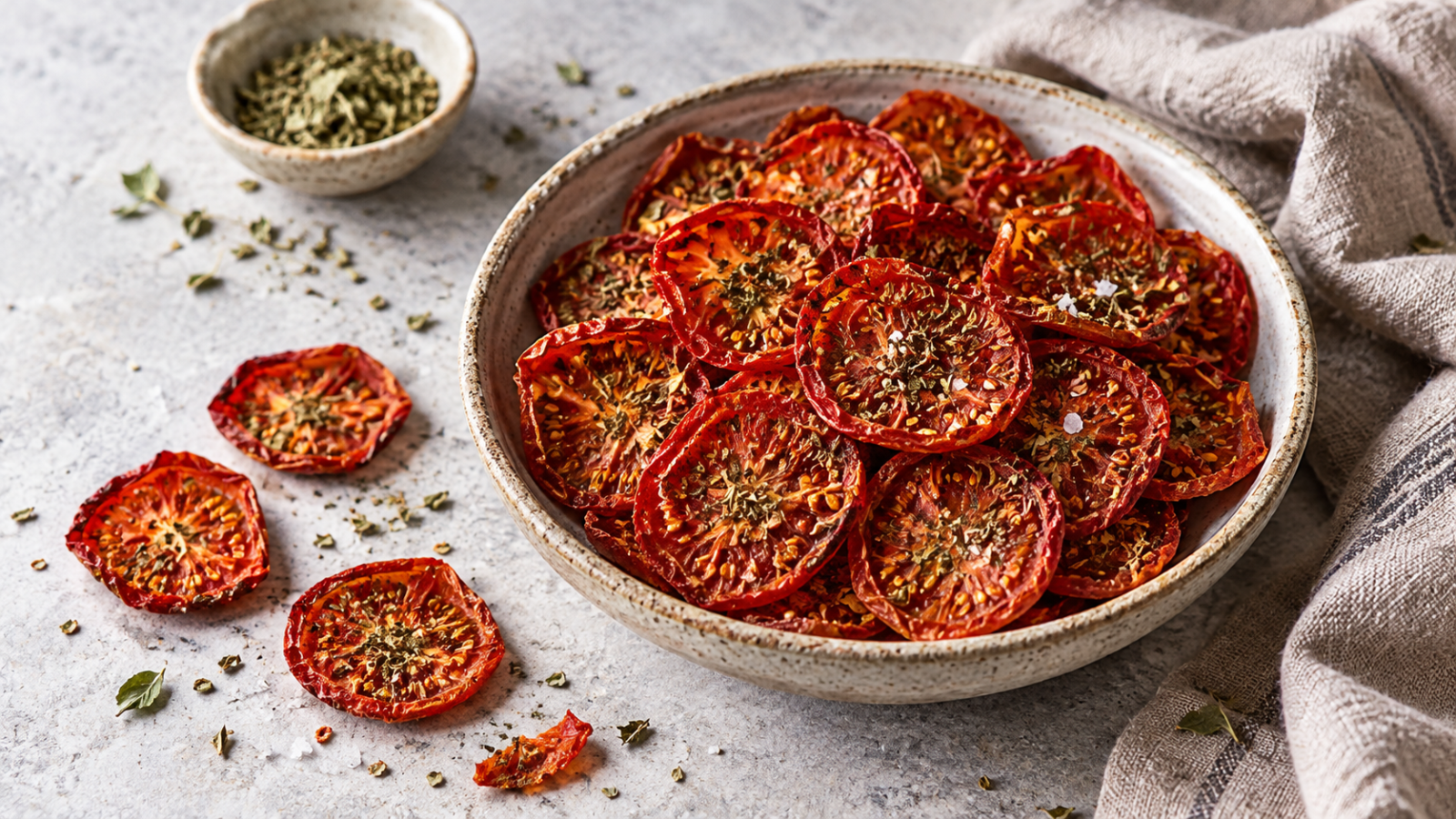
For this kind of preparation, a dehydrator is more practical than a conventional oven. It provides steady airflow and a more even low temperature, which helps you achieve a better texture. An oven tends to be slower and usually uses more energy. It also often requires leaving the door ajar, which is less convenient and less efficient.
A dehydrator is therefore a better option not only for tomatoes, but for other types of home preserving as well. Anyone who uses it for different foods will notice the benefit very quickly.
What a homemade batch really costs
The cost of homemade tomato chips depends mainly on the price of the tomatoes you start with. If 1 kg of meaty tomatoes costs around 80 crowns, you only add a small amount of salt, basil, and the electricity for several hours of drying. With a smaller dehydrator, the electricity cost may come to roughly 20 to 40 crowns, depending on wattage and run time. Altogether, one batch often works out to around 100 to 130 crowns.
The final price per 100 g then varies depending on how much water the tomatoes contained and how dry you want the finished chips. Even so, homemade chips have one major advantage that shop-bought products usually don’t offer: you know exactly what you’re eating. No oil, no preservatives, no unnecessary extras. Just tomato, salt, and seasoning to taste.
Homemade tomato chips make the most sense when you use inexpensive seasonal tomatoes or your own garden surplus.
How to store chips so they last as long as possible
Proper storage determines whether you’ll still enjoy your homemade stash after several months. The chips must be completely cool before sealing; otherwise condensation forms in the container and moisture can ruin the whole batch. Ideally, use an airtight jar or a well-sealed bag.
Tomato chips do best in cool, dry, dark conditions. Store them in a pantry or cupboard away from sunlight and heat from the hob. It also helps to split a larger batch into several smaller containers, because every opening lets humid air inside. If droplets later appear on the sides of the jar, it’s better to dry the chips again briefly.
Fully crisp slices keep longer than those that remain a little flexible. The softer version is tasty too, but it’s better for short-term use and safer stored in the fridge.
Is it worth buying a dehydrator just for homemade chips
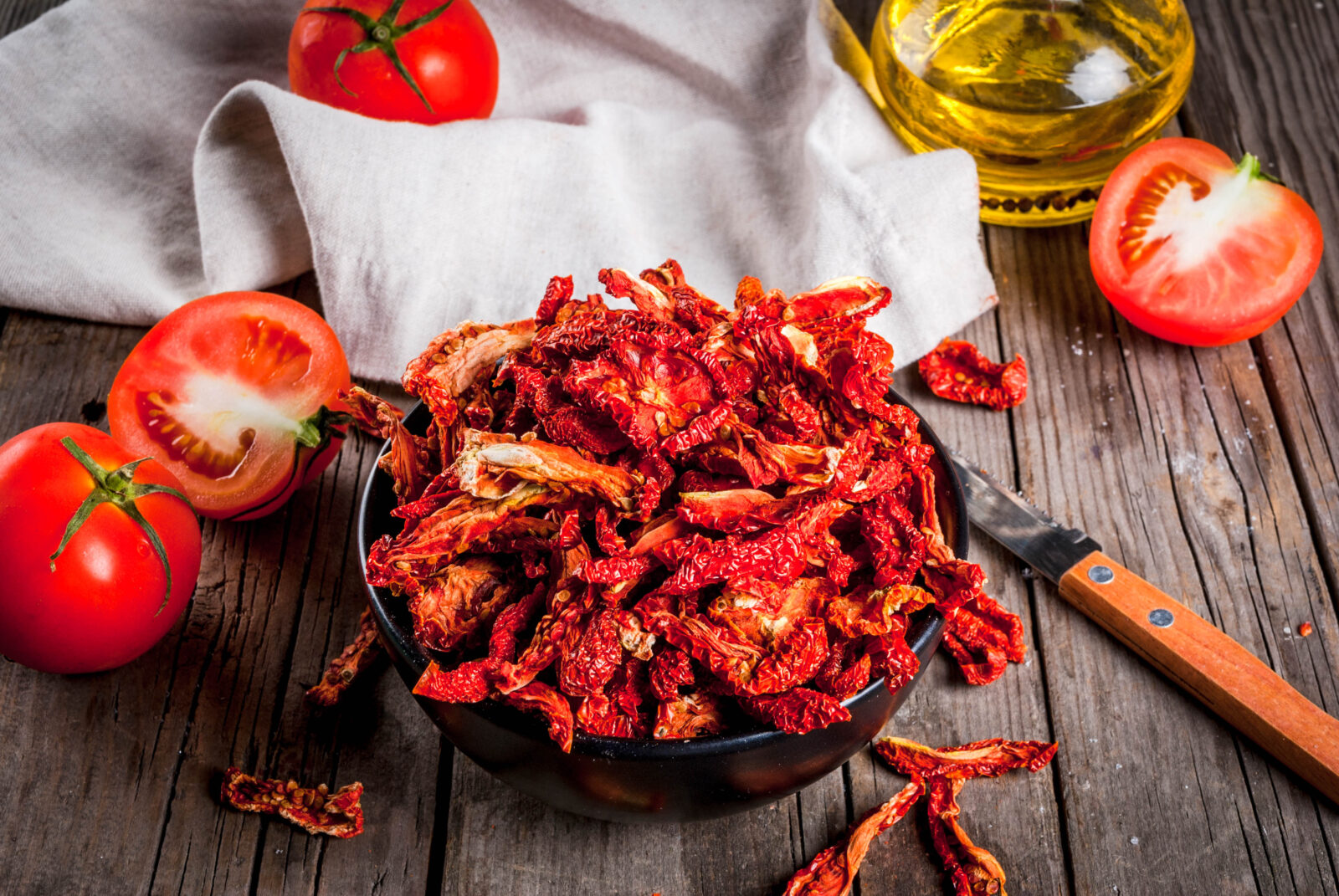
The purchase price of a dehydrator doesn’t have to be high, and its uses go far beyond tomatoes. Besides vegetables, you can dry apples, pears, mushrooms, herbs, chilli, or make homemade jerky. If you regularly buy seasonal produce in larger quantities or process your own harvest, the investment can pay for itself fairly quickly.
Tomato chips are also a perfect example of how even a cheap, everyday ingredient can become something with bolder flavour than many packaged snacks. Homemade drying does take time, but the reward is a clean ingredient list, full flavour, and the satisfaction of putting even overripe tomatoes to excellent use.
Source: Southemplate, Suger Free Mom, Pestrazahrada.cz

A lover of nature, gardens, and everything that moves, blooms, or grows. He literally grows everything, from herbs to rare species, and he enjoys caring for animals just as much. In his work, he connects modern technology with tried-and-tested grandmotherly methods and is happy when both paths lead to the same goal.
Related articles

An aggressive plant is spreading in the Czech Republic and can ruin an entire garden
Some attractive non-native plants can spread rapidly, smothering native vegetation and upsetting the balance of your garden and local countryside. Learn how to identify and control two of the biggest culprits before they take over.

Fighting moles tempts you into a quick fix that can put you on the wrong side of the law
Fresh molehills can ruin a lawn, but the common mole is a protected species and lethal control can be illegal. Learn how to tell a mole from a vole and which lawful, effective methods actually encourage it to move on.
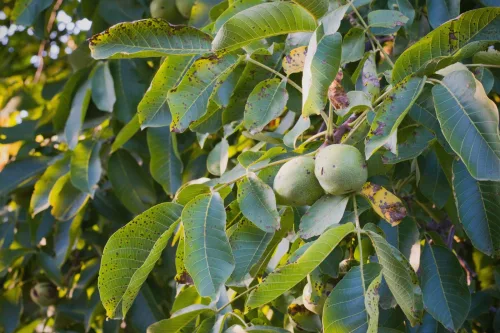
Why the Tree That Feeds a Family for Generations Is Disappearing from Czech Gardens
The English walnut used to be a staple of larger gardens and farmyards, valued for its nutritious nuts and many practical uses. With the right site and variety, it remains one of the most rewarding long-lived trees you can plant.
Comments (0)
Be the first to comment.