
 English
  Polski
  Deutsch
  Nederlands
  Svenska
  Norsk
Norsk  Dansk
Dansk  Français
  Italiano
  Español
  Português
  Slovenčina
  Suomi
Suomi  Gaeilge
 Heathers can cope where other plants won’t, but one soil detail decides everything
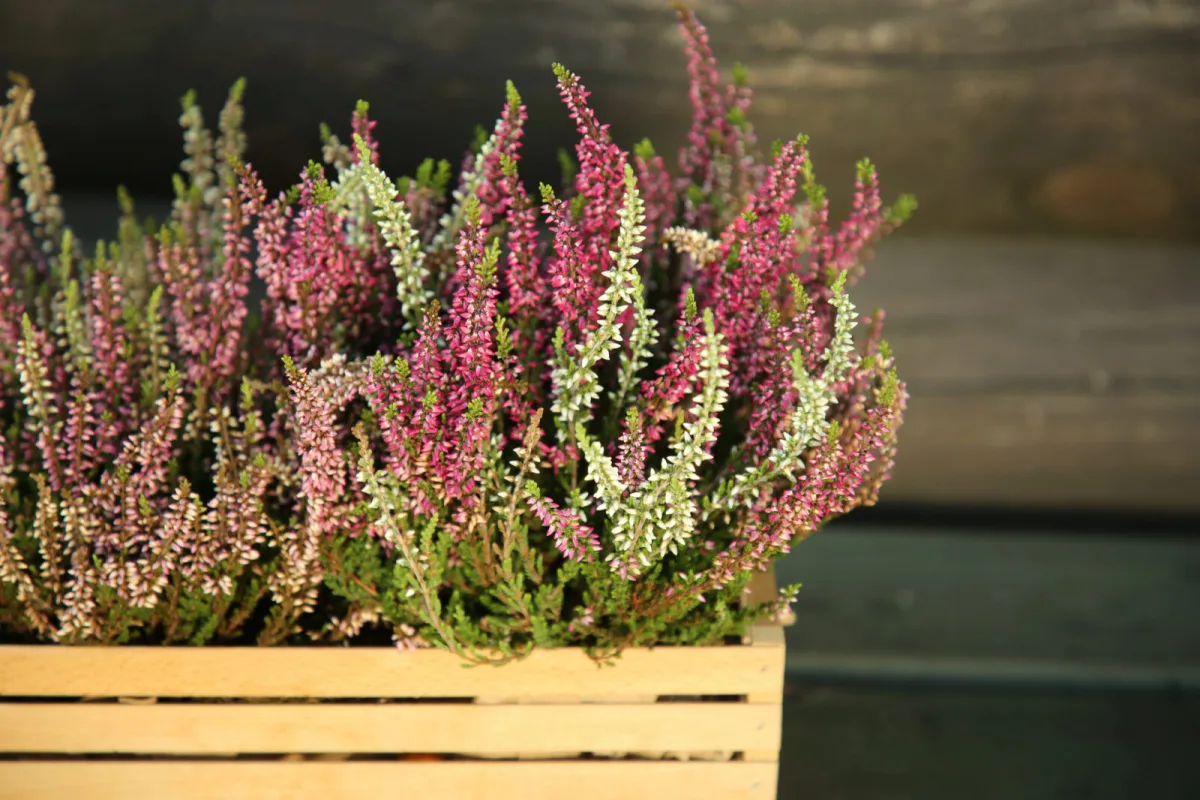
Heathers and heaths are easy-care evergreen shrubs that can brighten the garden for much of the year. With the right mix of species, you can have some flowering in winter, others in spring, then summer and autumn. The result is a planting that looks good in every season and is also highly valuable for bees and other pollinators.
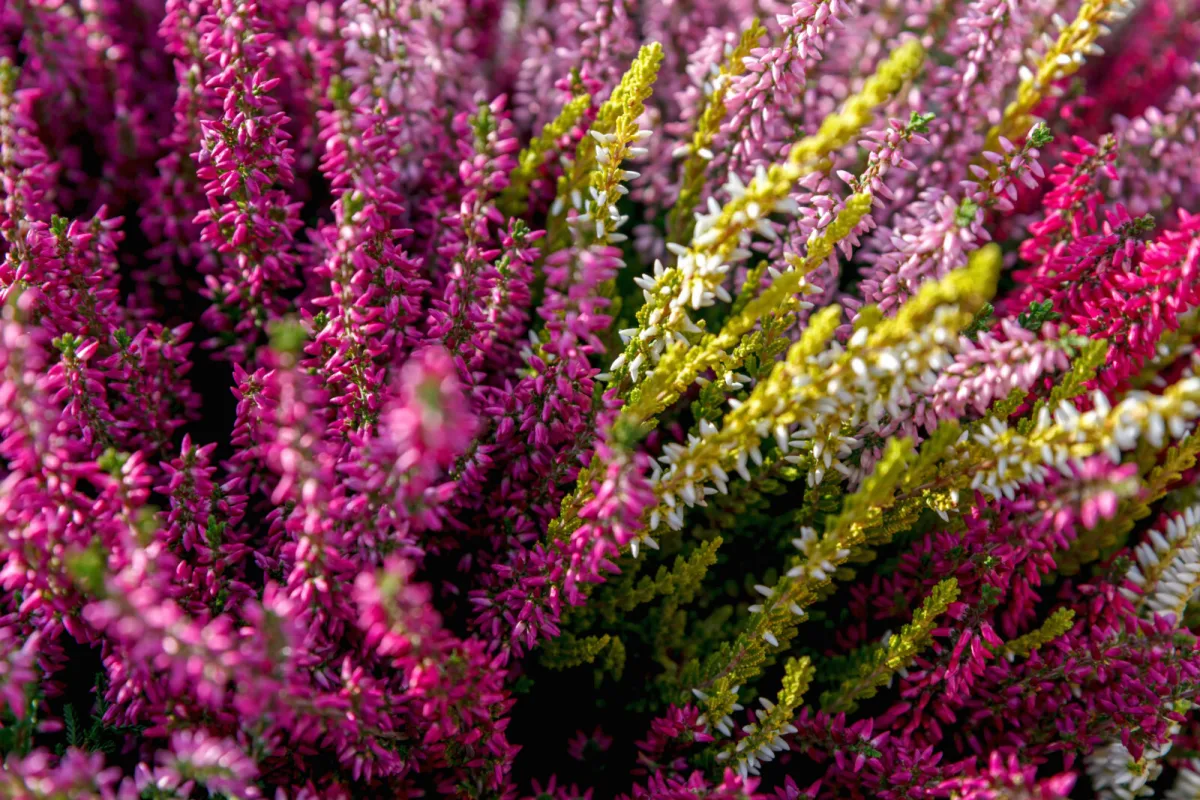
These plants are usually low, dense and compact. They carry masses of tiny, often bell-shaped flowers, and their foliage is just as appealing. The leaves are small, but their colour can shift through the year from green and silvery-grey to yellow, then orange, bronze or red. It’s this combination of flower and foliage that makes heathers a standout even where space is limited.
How to choose the right type for your soil
The most important factor when choosing is soil reaction. Most heathers need acidic soil, meaning a lime-free substrate. However, there are types that will cope with neutral ground, and a few will even tolerate more alkaline conditions. That’s why it’s worth checking the requirements of the particular plant before you buy.
If your garden soil is too chalky, there’s no need to give up on heathers. You can easily grow them in containers using an acidic, ericaceous compost. In smaller gardens and on terraces, this is often a very practical solution.
Acid soil particularly suits species that flower from late summer into autumn, including the genus Calluna and also Daboecia cantabrica. The ideal is a lighter, free-draining soil enriched with organic matter such as well-rotted leaf mould or composted pine bark. By contrast, some heaths, especially winter- and spring-flowering kinds, will tolerate neutral to slightly alkaline soil better, provided it contains plenty of organic matter.
Where to plant heathers and what effects you can achieve
Heathers work almost anywhere. They suit small gardens, containers, edging, and larger areas where they can form a continuous carpet of colour. They look natural and elegant in both modern and traditional gardens. They shine in mixed plantings of pink, white, red, violet and purple shades, and they are equally striking planted as a single colour for a bold effect.
They do best in full sun, where the foliage colours up most intensely. They will also cope with light shade, for example beneath taller deciduous trees. They are cold hardy and handle windy or coastal sites well. That makes them excellent choices for tougher positions where other plants struggle.
Alongside low-growing forms, there are also taller, tree heaths. These can reach several metres and work as a dramatic specimen or an informal hedge. When in bloom they are often smothered in flowers and strongly attract insects.
When and how to plant heathers
The best time to plant is spring, or alternatively autumn. You can plant into the ground as well as into pots and window boxes. The key to success is well-drained soil rich in organic matter. For acid-loving types, it’s sensible to check soil pH beforehand with a simple test. Your surroundings can also offer a clue. If rhododendrons or blue-flowering hydrangeas thrive nearby, the soil is often acidic.
When planting, it helps to improve the soil with a material that supports both structure and acidity. Well-rotted pine bark works very well. After planting, water thoroughly and keep an eye on moisture levels for the first few months so the rootball doesn’t dry out.
Care through the year
Watering
Newly planted heathers in borders need regular watering, especially during the first year. Once well established, they are generally fairly drought tolerant. Plants in containers are much more sensitive, though, and without regular watering, particularly in summer, they quickly suffer.
Feeding
Plants grown in acidic soil usually don’t need feeding. But if the foliage starts to yellow, it may indicate the soil has become too alkaline. In that case, an ericaceous feed applied in spring will help. In containers, begin feeding a few months after planting and continue through the growing season according to the manufacturer’s directions.
Mulching
An annual layer of acidic mulch helps maintain the right soil conditions, suppresses weeds and also retains moisture. Composted pine bark is an excellent choice again, and it also improves the look of the whole planting.
Pruning and rejuvenating older plants
After flowering, heathers only need a light trim to remove spent blooms and keep the plant compact. This encourages denser growth and a better shape in the years ahead. It’s important not to cut back hard into old wood, because older plants often reshoot poorly from it.
Over time, some plants can become bare in the middle and look thinner. With the common low-growing heathers it’s often more practical to replace them with young plants after a few years. Tree heaths, by contrast, tolerate harder renovation pruning much better and can often be rescued even after becoming overgrown.
Propagation options
Heathers are quite easy to propagate. One of the simplest methods is layering low shoots in spring. With older plants, a method is also used where the shrub is set deeper into the ground and the shoots are covered with a light mix so they can root gradually. In autumn, the newly rooted sections can be separated and planted on their own.
Another option is semi-ripe cuttings in summer. These are taken from non-flowering side shoots, inserted into a free-draining medium, and left to root in humidity and partial shade. Once they have formed enough roots, they are potted up individually or planted straight into their permanent position.
Common problems and how to prevent them
Heathers are generally resilient and, in the right spot, don’t suffer from many issues. The biggest risk is unsuitable soil, especially poor drainage and the wrong pH. In warmer areas, root rot caused by waterlogging can occur. That’s why it’s so important to provide a free-draining substrate and not overwater.
Pests rarely cause trouble, though rabbits and deer may sometimes nibble young shoots. Otherwise these are very dependable plants that, with relatively little care, provide abundant flowering, year-round greenery and a valuable nectar source at times when the garden is only sparsely in bloom.
The right mix of types, the correct soil pH and a light annual trim are the foundations for successfully growing heathers all year round.
Source: Rhs, Gardenia , Pestrazahrada.cz
Related articles
Next year you can harvest better if you don’t sow carrots where they won’t thrive
Carrot root fly can ruin carrots, parsley and celery from the inside out, often without obvious warning until harvest. Better site choice, rotation, later sowing and simple physical barriers can dramatically cut damage next season.
How to Propagate Roses from Cuttings at Home and Fill Your Garden with Blooms Almost for Free
Want more roses without paying for new plants? With a few healthy cuttings and a simple plastic-bottle mini greenhouse, you can root new bushes at home in just a few weeks.
A Simple Autumn Trick Will Protect Your Hibiscus Over Winter and Bring a Flush of Flowers
A thick mulch layer in autumn can be the deciding factor in whether hardy hibiscus comes through winter unscathed. Combine root protection with smarter watering and feeding, and you’ll be rewarded with stronger growth and heavier flowering next season.
Comments (0)
Be the first to comment.