
 English
  Polski
  Deutsch
  Nederlands
  Svenska
  Norsk
Norsk  Dansk
Dansk  Français
  Italiano
  Español
  Português
  Slovenčina
  Suomi
Suomi  Gaeilge
 How to Get Rid of Mice and Rats in the House, Loft and Garden Effectively
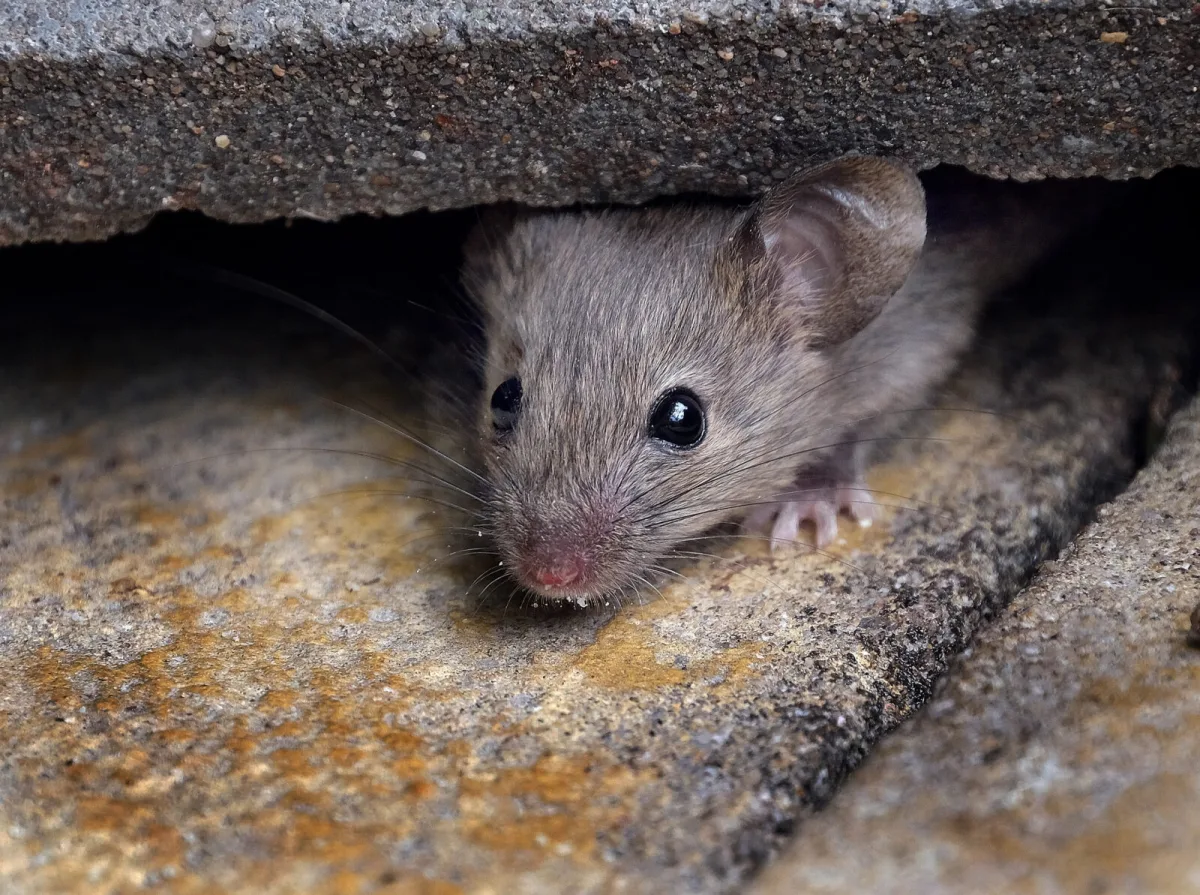
Mice and rats often make themselves known mainly in the evening and at night. Typical signs are scratching, rustling, or movement in walls, the ceiling, under the floor, or in the loft. During the day it’s usually quiet because they stay hidden. Another clear signal is droppings along walls, behind furniture, in the kitchen, or in the pantry, where they tend to travel the same routes repeatedly.
Mouse droppings are usually small and elongated, while rat droppings are noticeably larger. You may also find gnawing on food packaging, wood, insulation, or electrical cables. Along walls, a darker greasy smear can sometimes form from their fur, because rodents repeatedly use the same runs.
The difference between a mouse and a rat
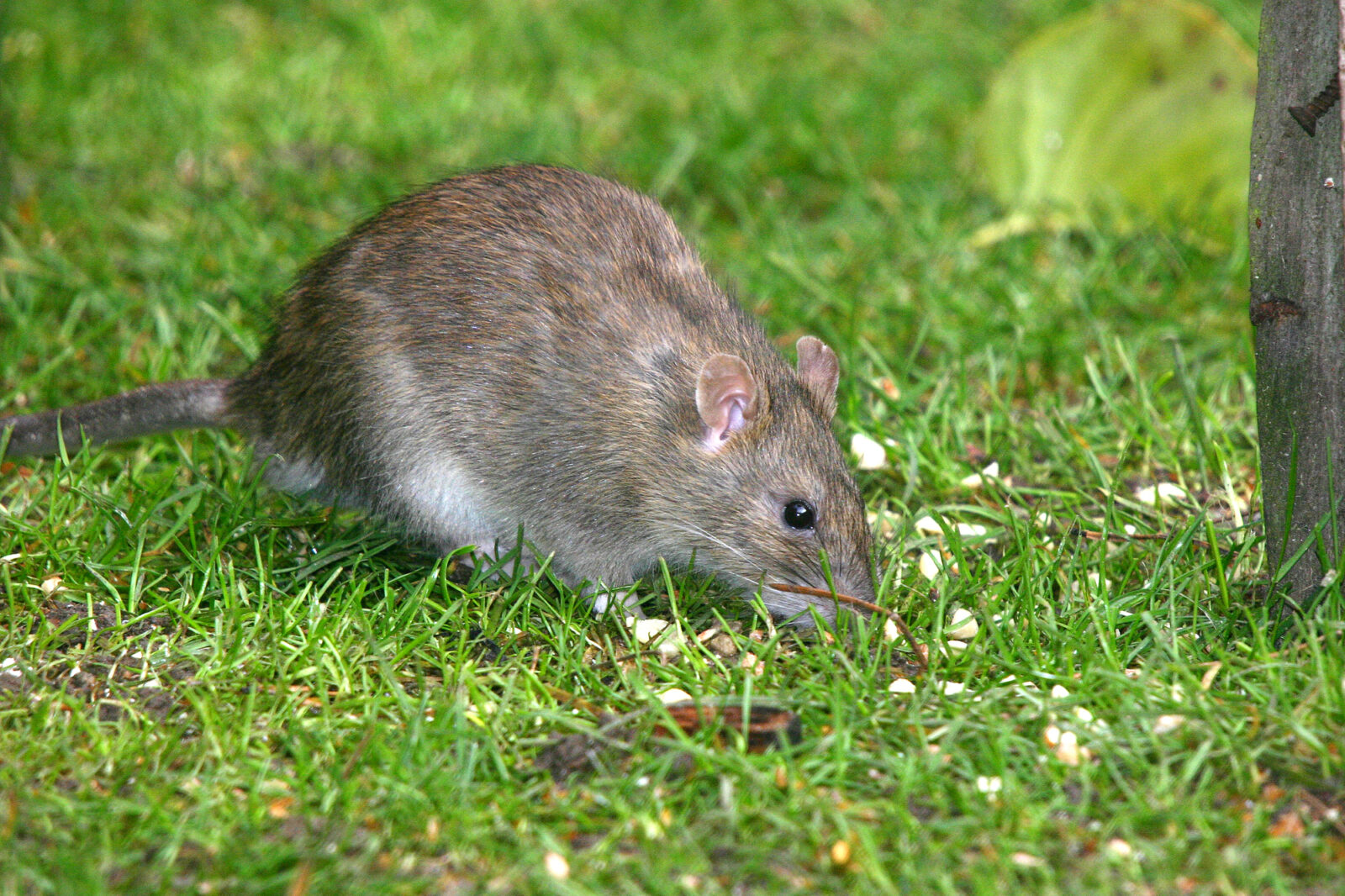
A house mouse is small and light, while a rat is more robust and can cause far greater damage. You can tell the difference not only by the animal’s size, but also by the holes they use to get inside. A mouse only needs a gap about the width of a pencil, roughly 6 millimetres. A rat can squeeze its body through an opening of around 2 centimetres.
In the Czech context, rats are often confused with true rats, but in houses, cellars and other buildings it is predominantly the brown rat that occurs. It is also the most common cause of more serious infestations.
What really works for rodent control
The key is to combine several steps at once. A trap or a deterrent on its own won’t solve the problem long term if rodents still have access to food and can comfortably return through the same entry points. That’s why the foundation is to find and seal all cracks, pipe penetrations, vent openings and gaps under doors.
At the same time, you need to remove food sources. Store food in sturdy, sealable containers, don’t leave pet food out overnight, and keep waste in bins with tight-fitting lids. Only then will traps or bait stations have real impact.
For individual animals, classic snap traps work well. If you don’t want to kill the animal, you can use a live-capture trap, but the captured rodent must be released far from the house—otherwise it will easily return. Ultrasonic repellents may help only to a limited extent and more as a supplement, because animals can get used to the sound over time.
How to proceed in the house or loft
Indoors, it’s best to work systematically. First, check the places where rodents could be getting in. These are often penetrations around water and gas pipes, waste pipes, cellar vents, or damaged parts of the building fabric. Once you find the entry points, they need to be sealed thoroughly.
Place traps mainly along walls, behind cupboards, or where you found droppings or gnaw marks. Rodents usually don’t cross the middle of a room, but keep to the edges. Even after your first success, it’s wise to keep monitoring for several weeks, because more individuals may appear—or young may still be hidden in a nest.
How to get rid of mice and rats in the garden
In the garden, rodents are attracted mainly by easy food and somewhere to hide. Big draws include compost, leftover feed for chickens or rabbits, and fallen fruit. Compost should be well secured, and cooked leftovers or meat should not go into it. Feed is best put away overnight in sealed containers.
They also find shelter in stacked wood, old stumps, clutter around the shed, or at the base of walls. Regular tidying and blocking holes will significantly reduce the chance of them settling in. If outdoor bait is necessary, it belongs only in tamper-resistant bait stations positioned so pets cannot access them.
Why loose poison is dangerous
Rodenticide left out in the open is a risk to dogs, cats, hedgehogs and small children. The danger isn’t only from directly eating the bait, but also secondary poisoning when an animal eats a poisoned mouse or rat. That’s why poison must be used only in closed bait stations that restrict access to other animals.
A safe, long-term solution always comes down to three steps: seal entry points, remove the food source, and only then use traps or professional pest control.
When to call in professionals

If the problem keeps returning, you’re finding fresh droppings even after setting traps, or there are larger numbers, it’s usually most sensible to contact a professional pest control company. Specialists will place bait on the main travel routes and also check effectiveness. In apartment buildings, the issue also needs to be addressed together with the building manager or other owners, because action in a single flat is rarely enough. Rodents simply move elsewhere and come back later.
The riskiest time is autumn, when food outdoors becomes scarce and rodents look for warm shelter for the winter. That’s exactly when it pays to inspect the house, loft and cellar carefully and seal every weak spot in good time.
Source: Almanac, Discover Wild Life, Zákony pro lidi, Pestrazahrada.cz

A lover of nature, gardens, and everything that moves, blooms, or grows. He literally grows everything, from herbs to rare species, and he enjoys caring for animals just as much. In his work, he connects modern technology with tried-and-tested grandmotherly methods and is happy when both paths lead to the same goal.
Related articles

Fighting moles tempts you into a quick fix that can put you on the wrong side of the law
Fresh molehills can ruin a lawn, but the common mole is a protected species and lethal control can be illegal. Learn how to tell a mole from a vole and which lawful, effective methods actually encourage it to move on.

Why the Tree That Feeds a Family for Generations Is Disappearing from Czech Gardens
The English walnut used to be a staple of larger gardens and farmyards, valued for its nutritious nuts and many practical uses. With the right site and variety, it remains one of the most rewarding long-lived trees you can plant.

Two Mistakes When Harvesting Onions Can Cut Your Supply by Months
With good growing and the right handling, onions can turn into a near year-round pantry staple. These simple harvest and curing steps determine whether they keep for weeks or for months.
Comments (0)
Be the first to comment.