
 English
  Polski
  Deutsch
  Nederlands
  Svenska
  Norsk
Norsk  Dansk
Dansk  Français
  Italiano
  Español
  Português
  Slovenčina
  Suomi
Suomi  Gaeilge
 In Autumn, Peppers Race Against Frost, This Simple Trick Helps Them Win
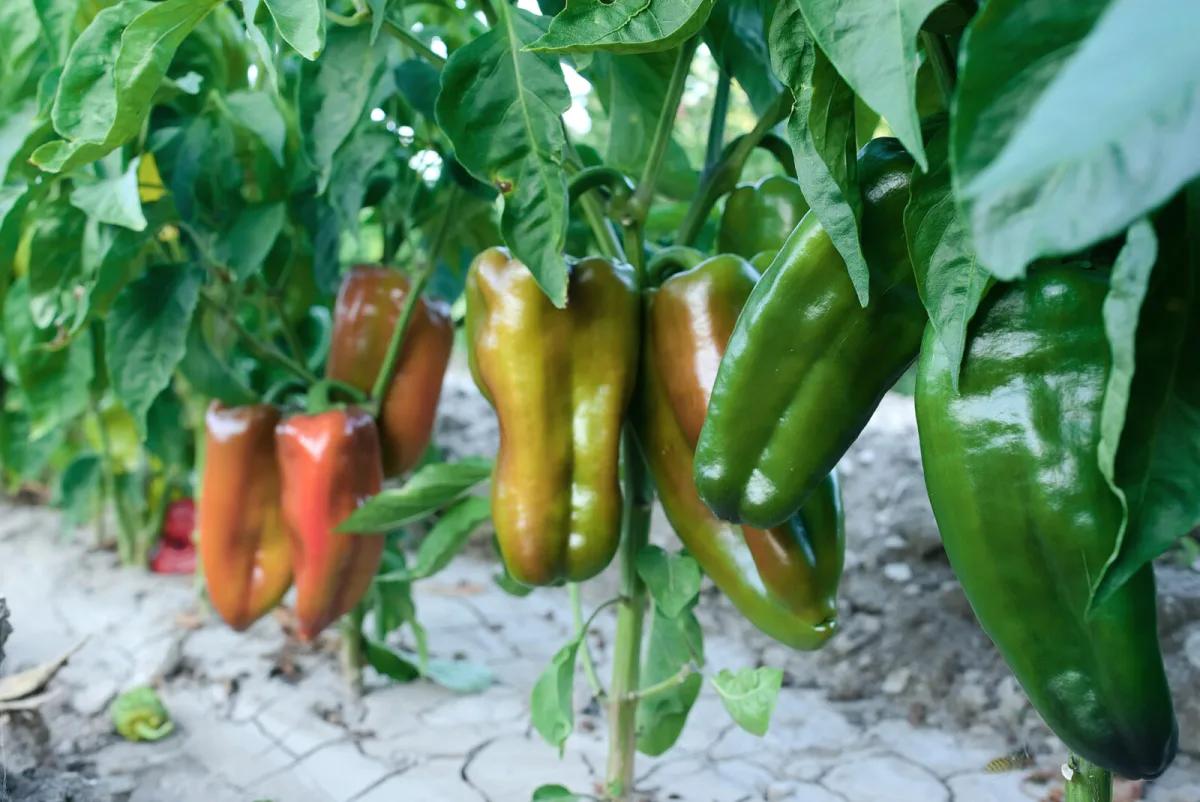
September pepper plants loaded with green fruits often make growers wonder whether they’ll manage to change colour before the first frosts arrive. The good news is that you can help the plant with a fairly simple intervention. At this stage of the season, peppers no longer need to produce more flowers or set new, tiny fruits. On the contrary, they benefit from shedding these late sets and concentrating energy on fruits that have a genuine chance of ripening.
Why it pays to thin the plant at the end of the season
Pepper plants manage their reserves of sugars and nutrients by distributing them among leaves, new shoots, flowers and fruits. When too many small fruits remain on the plant and more flowers keep appearing, the plant’s strength is spread across too many “sinks” at once. The result is often slower colouring of older peppers and a lower chance that late-set fruits will reach a usable size.
In spring and summer, the plant copes better because there’s plenty of light, warmth and time. In autumn, conditions deteriorate quickly. Days get shorter, the sun is weaker and cool nights slow growth and ripening. Leaves produce less energy while there are still many fruits to support. That’s why it makes sense to reduce competition on the plant and let it finish only what’s still realistically achievable.
Every week before the first frost matters
Sweet peppers typically need several weeks from flowering to full maturity. With coloured varieties, the shift from green to red, yellow or orange often takes even longer than harvesting at the green stage. Flowers that appear only in mid-September therefore won’t, in most Central European conditions, produce ripe fruit before colder weather sets in.
In many areas, the first autumn frost can arrive as early as October, and in some places even sooner. In cooler locations, frost pockets and foothill areas, the risk is higher still. Banking on warm weeks continuing deep into autumn may not pay off. That’s why September is the key moment to guide the plant.
How to prune peppers correctly and what to remove
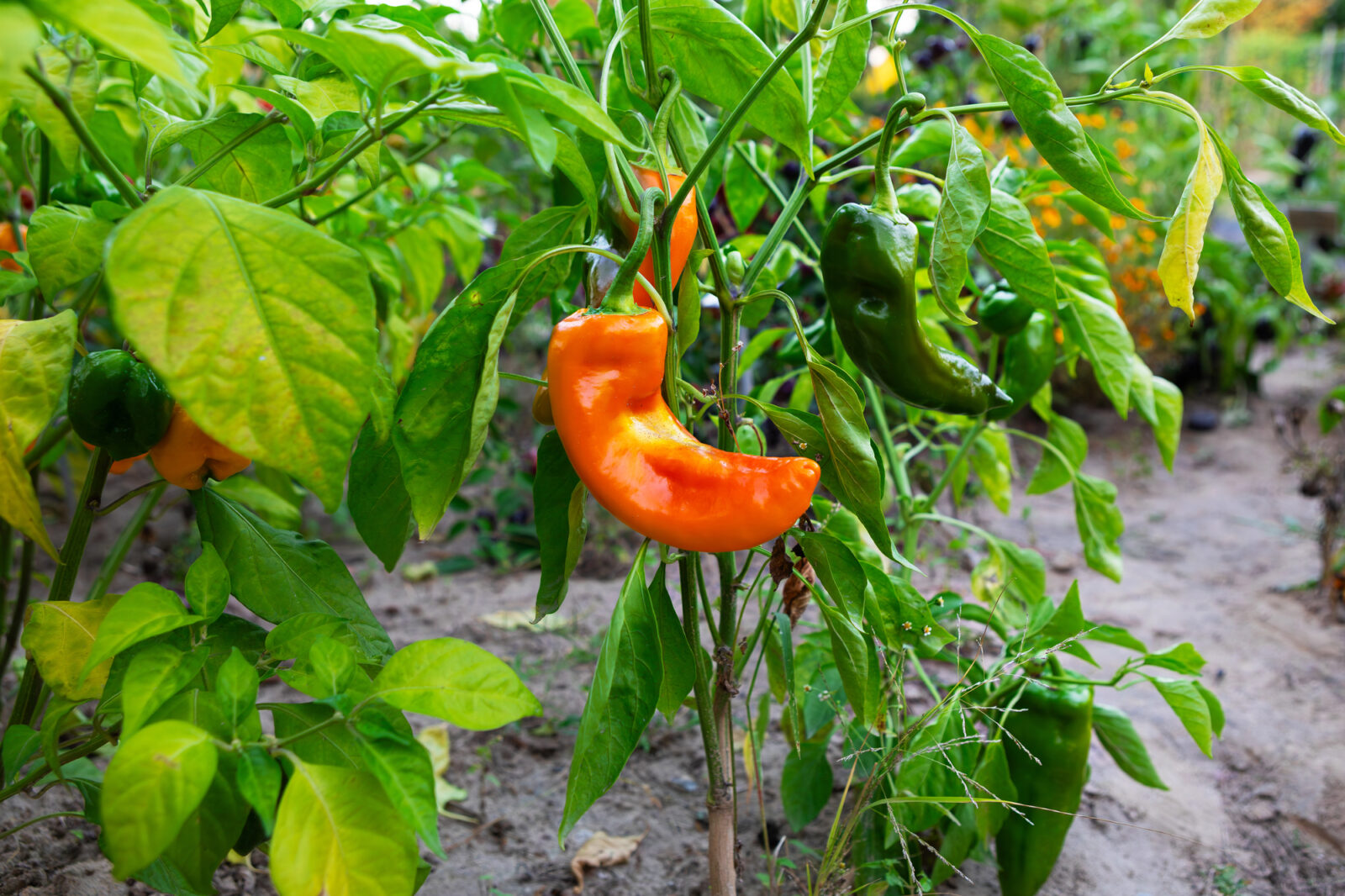
The autumn tidy-up is straightforward and even a less experienced grower can do it. It’s best to remove all new flowers and buds, because they almost certainly won’t have time to produce ripe fruit. Very small peppers should go too, especially those smaller than a walnut. These late sets simply consume nutrients that could support the larger fruits.
It’s also sensible to remove damaged or obviously weak leaves if they’re no longer doing the plant any good. At the same time, don’t strip the plant too hard. Leaves are still the main source of energy, and they also protect fruits from harsh sun. If too few remain, the skin can suffer pale, sun-scalded patches.
Fruits and flowers are best pinched out gently with your fingers or snipped off with clean scissors. Towards the end of the season the branches can be brittle, so rough tearing can injure the plant.
Which peppers to leave on the plant and which to harvest
It’s worth keeping mainly fully sized fruits and those that are already starting to change colour. These have the best chance of ripening to full flavour and colour. If the forecast calls for frost within a few days, it’s better to pick even large green peppers. Some will colour up a little indoors, especially if they were close to the turning stage.
By contrast, small, hard, clearly underdeveloped fruits usually won’t ripen after harvest. Without the plant, their development almost stops, so there’s little point leaving them in hopes of a late miracle.
What to do right before frost arrives
If a sudden cold snap threatens, an emergency option can help. You can dig up the whole plant with its roots and hang it in a protected place, such as a garage, hallway or cellar. The peppers can draw on the remaining reserves for a short time and may ripen a little better than they would after a normal harvest.
The most important thing in autumn is to stop the plant setting new fruit and prioritise those that are nearly finished.
Container-grown peppers need a faster response
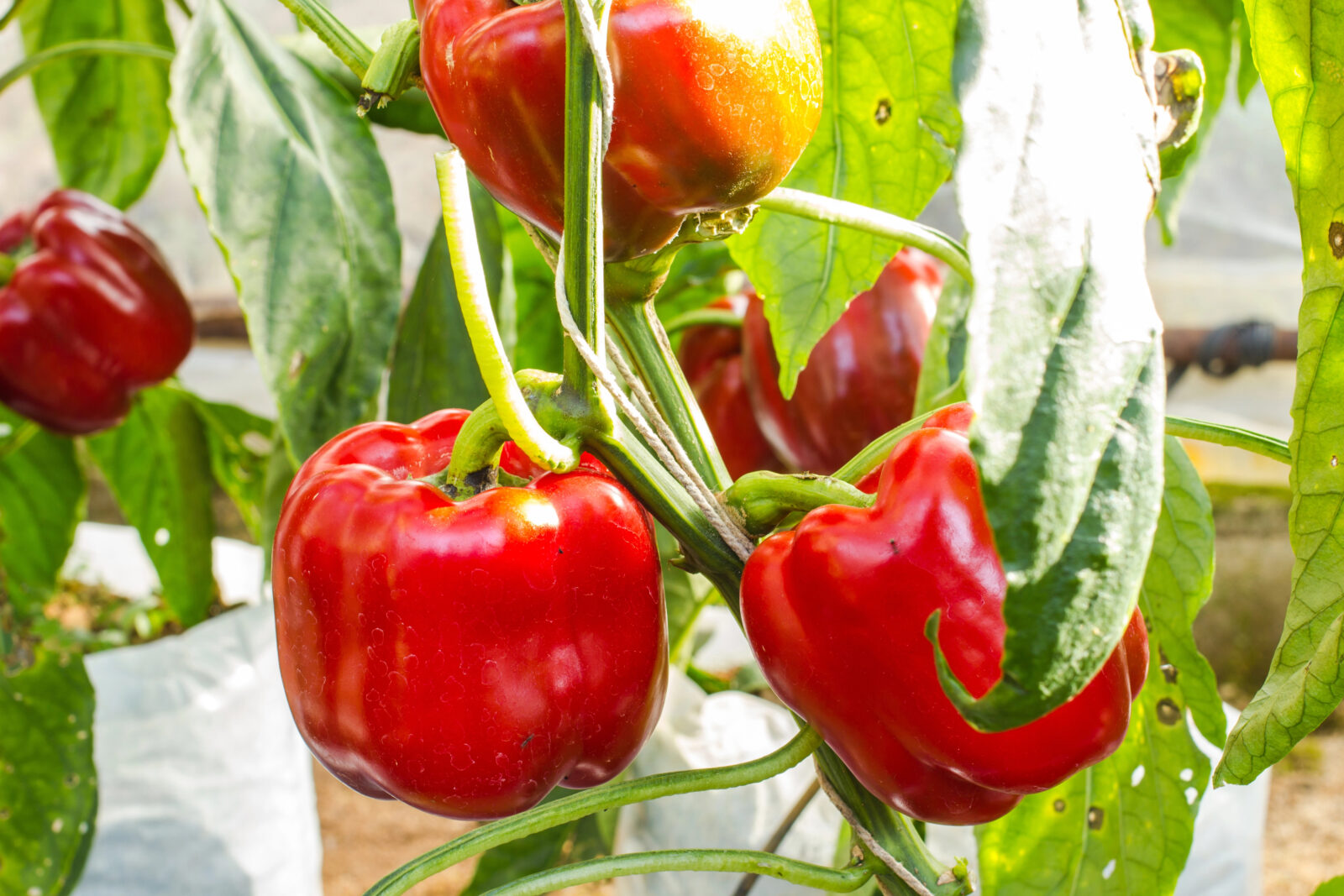
Plants grown in pots and balcony boxes are more sensitive in autumn than peppers in the ground. Potting mix in containers cools and dries out faster, so roots experience greater stress. That can slow ripening even more. For balcony and patio peppers, pinching off flowers and tiny fruits is therefore especially effective.
The advantage of containers is that they’re easy to move. On cold nights you can shift the pot against a house wall, cover it with horticultural fleece, or bring it under shelter. Even a few extra warm days can decide whether the fruits have time to colour up.
The right watering helps more than extra feeding
At the end of the season, the goal isn’t to push peppers into fresh growth, but to keep them steady and balanced. Watering should be regular but moderate. Overwatering in cooler weather doesn’t suit the plant, and neither does letting it dry out sharply. Even moisture helps keep fruits in good condition and reduces further stress.
Autumn pepper care comes down to one simple rule: fewer new flowers, fewer small fruits, and more energy for what can still genuinely ripen.
Source: Permies, Bobvila, Pestrazahrada.cz

A lover of nature, gardens, and everything that moves, blooms, or grows. He literally grows everything, from herbs to rare species, and he enjoys caring for animals just as much. In his work, he connects modern technology with tried-and-tested grandmotherly methods and is happy when both paths lead to the same goal.
Related articles
Geraniums Bloom Even in December With the Right Spot Indoors and a Small Additive in the Water
Wondering what to do with geraniums once the season ends? With a bright, warm windowsill and a simple trick in the watering can, they can keep flowering well into December and overwinter successfully for next year.
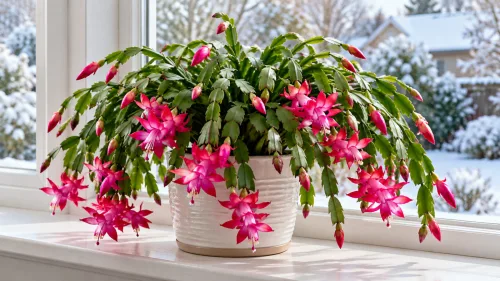
Christmas Cactus Can Bloom All Winter and Set New Buds with a Simple Grower Trick
A Christmas cactus can flower for weeks and keep forming fresh buds through winter when it gets the right care and a gentle boost of nutrition. These simple homemade feeds can help encourage blooming without expensive products.

Peonies can be transplanted and September is the ideal time, but one mistake will cost you flowers
Peonies can be divided and transplanted successfully, and early autumn is the best window. The key is planting depth—set buds too deep and you’ll get foliage with few or no blooms.
Comments (0)
Be the first to comment.