
 English
  Polski
  Deutsch
  Nederlands
  Svenska
  Norsk
Norsk  Dansk
Dansk  Français
  Italiano
  Español
  Português
  Slovenčina
  Suomi
Suomi  Gaeilge
 An aggressive plant is spreading in the Czech Republic and can ruin an entire garden
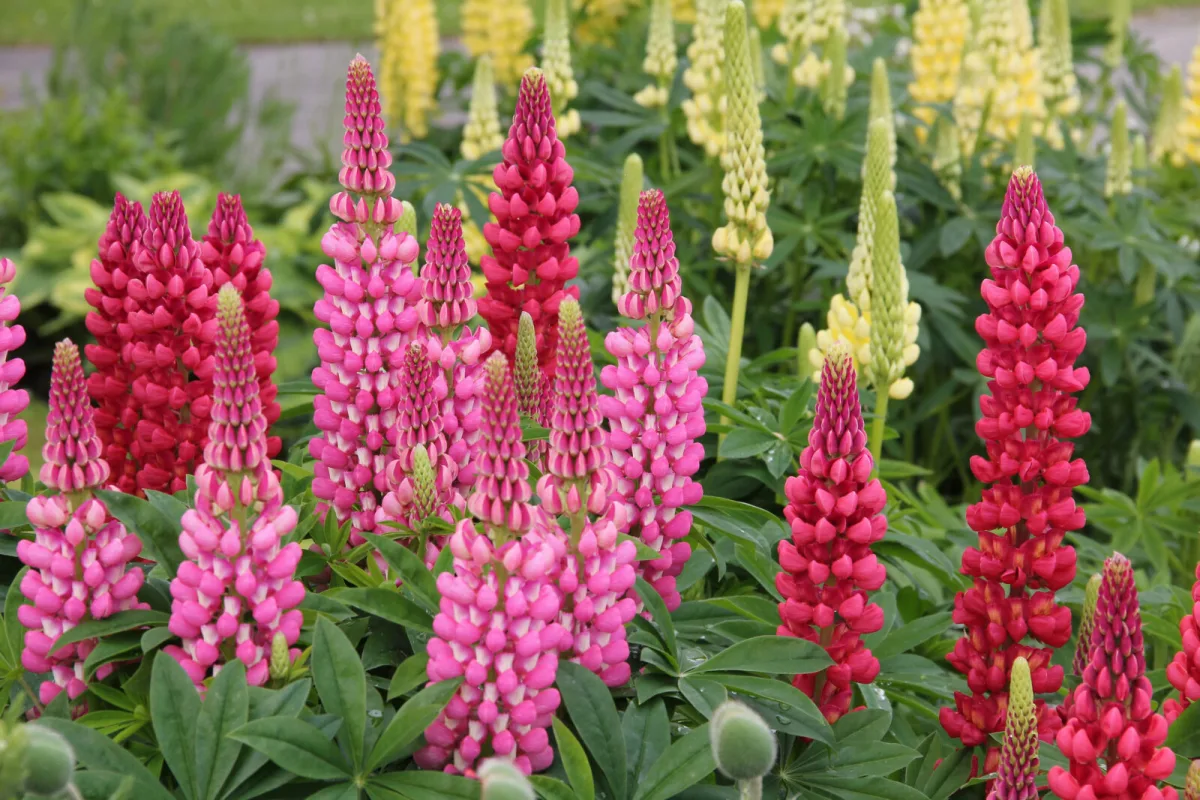
At first glance they look decorative, brightening borders and the edges of meadows, and many people see them as a welcome addition to the garden. That, however, is exactly the problem. Some non-native species, once planted, begin to spread so quickly that they gradually take over the surrounding area, weaken native vegetation and alter conditions across the whole site. Experts therefore warn that behind an attractive appearance there can sometimes be a significant risk both to nature and to property owners themselves.
Once such a plant becomes established, getting rid of it can be difficult and time-consuming. What started as an ornamental feature can, within a few years, turn into dense growth that smothers other species and forces them out. This is not only an aesthetic issue, but also a disruption to the balance of an entire garden or landscape.
Garden lupin is among the biggest problems
Garden lupin is listed as an invasive species in Czech conditions and has long caused problems especially in valuable natural sites. People often grow it for its striking flowers, but its impact on the surrounding area is strongly negative. This plant changes soil composition by enriching it with nitrogen. For many native species, the new conditions are unsuitable, and they lose the competition for space.
The result is a gradual impoverishment of the habitat. When plant diversity declines, it is reflected in the lives of insects and other animals that depend on native flora. Lupin also does not spread only slowly nearby. Its seeds can easily be carried by wind or water, and the plant can also expand via its roots. That is why stopping it is often difficult.
How to identify it safely
Identifying lupin is not difficult. The typical feature is bold, dense flower spikes in rich shades of blue, purple, pink or white. This eye-catching colour is exactly why people plant it. At the same time, it is also the main clue that helps you spot the plant quickly and act before it spreads out of control.
What to do if it appears on your property
The best approach is regular monitoring and timely removal of flower heads so the plant does not have time to set seed. Hand-pulling is often recommended and tends to be more effective than chemical treatments. The reason is its deep roots, which allow lupin to avoid part of the spray and resprout.
Black locust changes the landscape just as dramatically
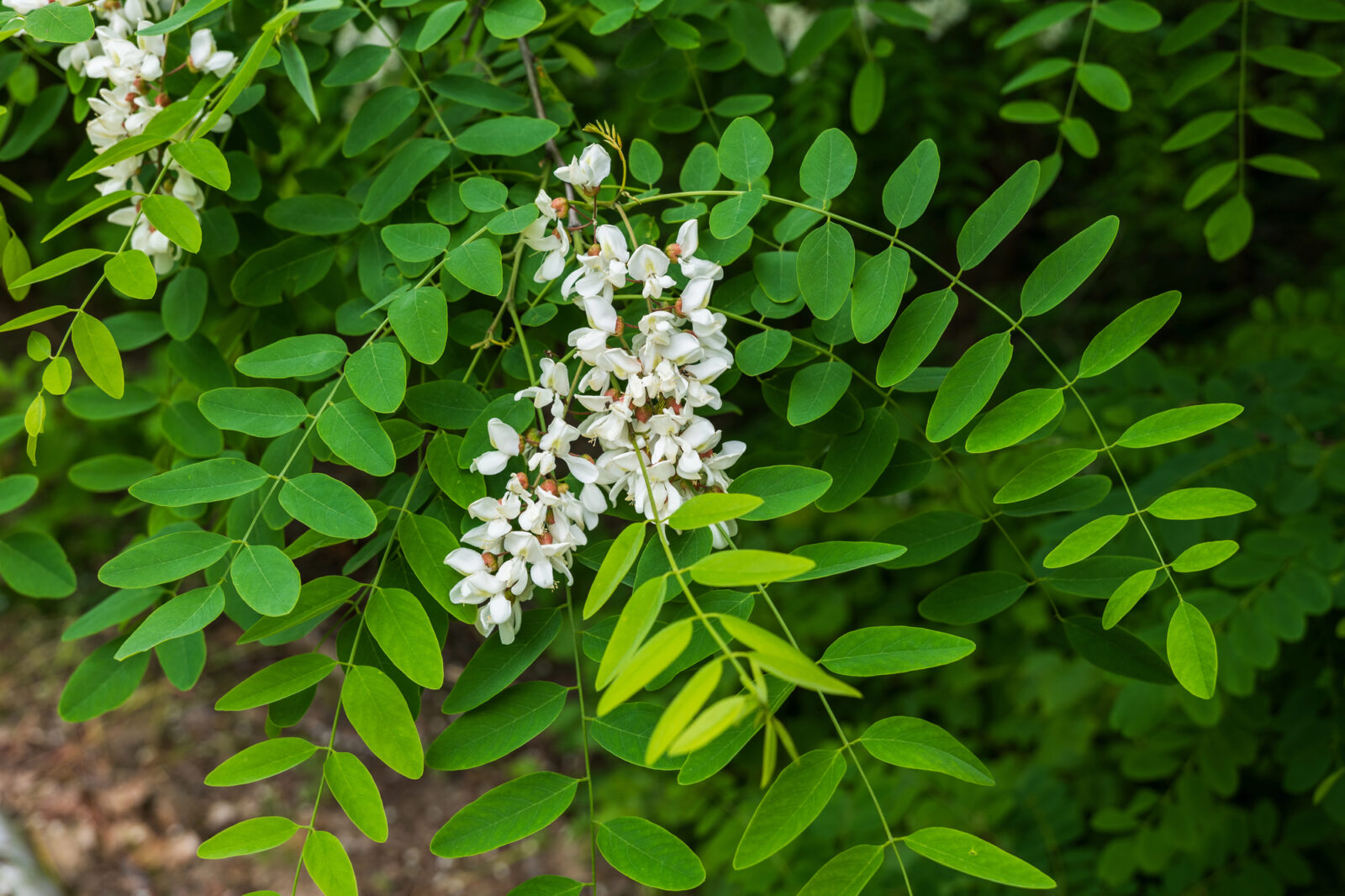
Another problematic species is black locust. It reached Europe from North America and for a long time was considered a useful tree for rapid afforestation of poorer soils. Today, however, it is clear that its presence brings a number of negative consequences. Like lupin, it enriches the soil with nitrogen, changing conditions for native vegetation and encouraging the decline of local species.
Black locust also forms dense stands where other plants have little chance of survival. At the same time it changes how much light reaches the ground, affecting not only plants but also insects and birds. Its toughness is another major issue. Even after felling, it often regrows from root suckers, so removal requires patience and repeated work.
How to recognise black locust
Black locust can be identified by its white to slightly pinkish clusters of flowers, which appear in spring and early summer. It has dark green, glossy leaves, and very characteristic sharp thorns on its branches. The combination of flowers, leaves and thorns makes it fairly easy to recognise with a closer look.
The earlier invasive species are detected, the greater the chance of preventing extensive damage in the garden and in the surrounding countryside.
Prevention matters more than a late intervention
Garden owners should keep an eye on their plots continuously and not underestimate even isolated occurrences of suspicious plants. With lupin, the key is not to let it set seed; with black locust, you need to plan for long-term monitoring even after the tree is removed. Suckers can return for several years.
Cooperation with local councils or conservation groups can also help, because invasive species do not spread only within a single property. Once they get beyond the garden fence, they can move into meadows, along roadsides and into protected areas. Public awareness therefore plays a crucial role. Not every showy flowering plant is a benefit, and in some cases its beauty can be the beginning of a long-term problem.
Source: Krnap, Ekolist, MZP, Pestrazahrada.cz

A lover of nature, gardens, and everything that moves, blooms, or grows. He literally grows everything, from herbs to rare species, and he enjoys caring for animals just as much. In his work, he connects modern technology with tried-and-tested grandmotherly methods and is happy when both paths lead to the same goal.
Related articles

Homemade Dehydrated Tomato Chips Turn Seasonal Tomatoes into a Budget Crunchy Snack
With a food dehydrator and a little seasoning, you can turn ripe seasonal tomatoes into intensely flavoured, crispy chips with no unnecessary additives. They’re a smart way to use garden gluts and enjoy the taste of summer all year round.
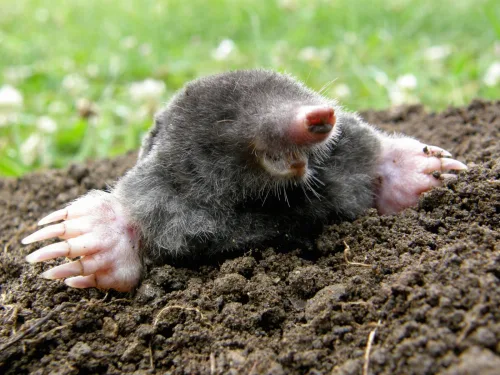
Fighting moles tempts you into a quick fix that can put you on the wrong side of the law
Fresh molehills can ruin a lawn, but the common mole is a protected species and lethal control can be illegal. Learn how to tell a mole from a vole and which lawful, effective methods actually encourage it to move on.
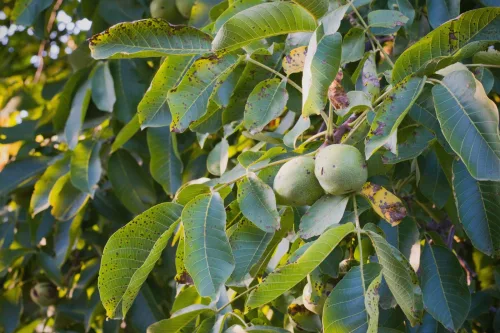
Why the Tree That Feeds a Family for Generations Is Disappearing from Czech Gardens
The English walnut used to be a staple of larger gardens and farmyards, valued for its nutritious nuts and many practical uses. With the right site and variety, it remains one of the most rewarding long-lived trees you can plant.
Comments (0)
Be the first to comment.