
 English
  Polski
  Deutsch
  Nederlands
  Svenska
  Norsk
Norsk  Dansk
Dansk  Français
  Italiano
  Español
  Português
  Slovenčina
  Suomi
Suomi  Gaeilge
 Proper Fall Feeding Helps Orchids Bloom but One Mistake Can Ruin It


An orchid needs balanced nutrition for healthy growth, but when it comes to fertilizing, too much can be just as harmful as too little. If the plant gets an excess of nutrients, the roots can suffer and, instead of encouraging blooms, the whole process may slow down. That’s why autumn is the time to take a sensible approach and not assume a stronger dose will deliver faster results.
Nitrogen is important for leaf growth and new shoots. However, if there’s too much of it, the orchid may focus mainly on producing green growth and won’t have enough incentive to set a flower spike. In the period when the plant should be gearing up to bloom, phosphorus and potassium matter more. The safest option is usually a ready-made fertilizer formulated specifically for orchids, because it has the right balance and clear dosing guidance.
How to fertilize correctly without damaging the roots
One of the most important rules is to apply fertilizer only to moistened roots. If your orchid is growing in bark and the potting mix is dry, water first with plain water and only then use a nutrient solution. This greatly reduces the risk that the concentrated mix will burn sensitive roots.
During active growth, orchids are typically fertilized once every two to three weeks, but it always depends on the specific product and the plant’s condition. It’s safer to mix a weaker solution than to overfeed. A buildup of nutrients can show up as weakened roots, poorer water uptake, and less willingness to flower.
Never fertilize dry roots directly. Water first, fertilizer second.
Just as important is not letting the pot sit in water. After watering, any excess must drain freely. Roots that stay waterlogged for long periods rot easily, and a weakened plant won’t produce new growth or flowers.
What to avoid
Many growers try various homemade recipes in the hope of speeding up blooming. Common ones include watering with sugar water, yeast, or garlic. But these mixtures won’t replace complete care, and in some cases they can damage the potting mix or disrupt the environment around the roots.
Fertilizing alone also isn’t enough. Even a well-fed orchid needs plenty of bright, indirect light, a healthy root system, and properly managed watering. If the plant looks healthy but still won’t bloom, it’s usually wiser to check light levels and root condition first rather than blindly adding more fertilizer.
A temperature difference can help trigger blooming
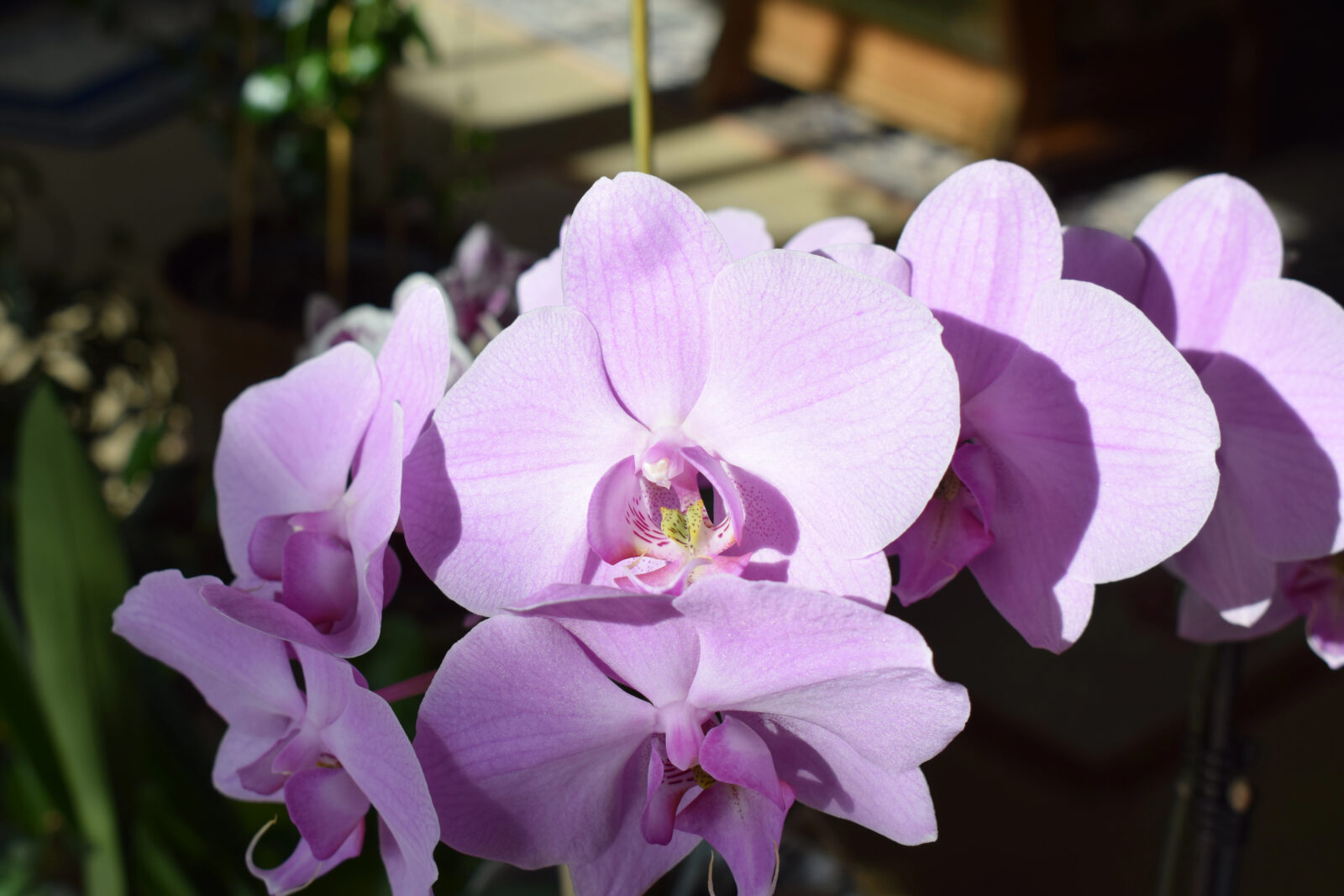
For many orchids, especially Phalaenopsis, temperature also plays an important role. A mild difference between daytime and nighttime temperatures can encourage a flower spike. This doesn’t mean a sharp chill. The orchid doesn’t need a shock, but rather a few weeks of gently cooler nights compared with daytime temperatures.
Excessive cold or sudden swings can harm the plant. In more sensitive specimens, it can even cause buds to drop. So if you want to use autumn conditions to your advantage, make the change gradual and keep the orchid in an environment that’s stable, but a little cooler at night than during the day.
Homemade fertilizing options and their real benefits
One of the most commonly suggested homemade add-ons is rice water. If you want to try it, it should come from rinsing plain rice with no salt and no other additives. It can serve as an occasional supplement, not a complete replacement for fertilizer.
Another well-known option is banana peel tea, since bananas contain potassium. Still, it’s not a good idea to treat banana water as a miracle cure for blooming. Its effect is limited, and the nutrient profile isn’t as balanced as with specialized products.
Eggshells are a source of calcium, but it releases slowly and doesn’t work as a quick boost for flowering. So if you want to encourage your orchid in autumn, the best results usually come from restrained, consistent care, proper watering, plenty of light, and a fertilizer made specifically for this type of plant.
The most reliable route to blooms isn’t heavy feeding, but balance between nutrients, light, water, and temperature.
Source: The Spruce, To je nápad, Pestrazahrada.cz

A lover of nature, gardens, and everything that moves, blooms, or grows. He literally grows everything, from herbs to rare species, and he enjoys caring for animals just as much. In his work, he connects modern technology with tried-and-tested grandmotherly methods and is happy when both paths lead to the same goal.
Related articles

Don’t Cover Strawberry Plants Too Early Experienced Growers Wait for a Signal from the Leaves
Strawberries need a period of winter chill, but their crowns must be protected from deep freezing, thawing cycles and drought. Time your clean-up, feeding and mulching correctly so plants come through winter strong and crop well in spring.
Geraniums Bloom Even in December With the Right Spot Indoors and a Small Additive in the Water
Wondering what to do with geraniums once the season ends? With a bright, warm windowsill and a simple trick in the watering can, they can keep flowering well into December and overwinter successfully for next year.
Christmas Cactus Can Bloom All Winter and Set New Buds with a Simple Grower Trick
A Christmas cactus can flower for weeks and keep forming fresh buds through winter when it gets the right care and a gentle boost of nutrition. These simple homemade feeds can help encourage blooming without expensive products.
Comments (0)
Be the first to comment.