
 English
  Polski
  Deutsch
  Nederlands
  Svenska
  Norsk
Norsk  Dansk
Dansk  Français
  Italiano
  Español
  Português
  Slovenčina
  Suomi
Suomi  Gaeilge
 Christmas Cactus Can Bloom All Winter and Set New Buds with a Simple Grower Trick
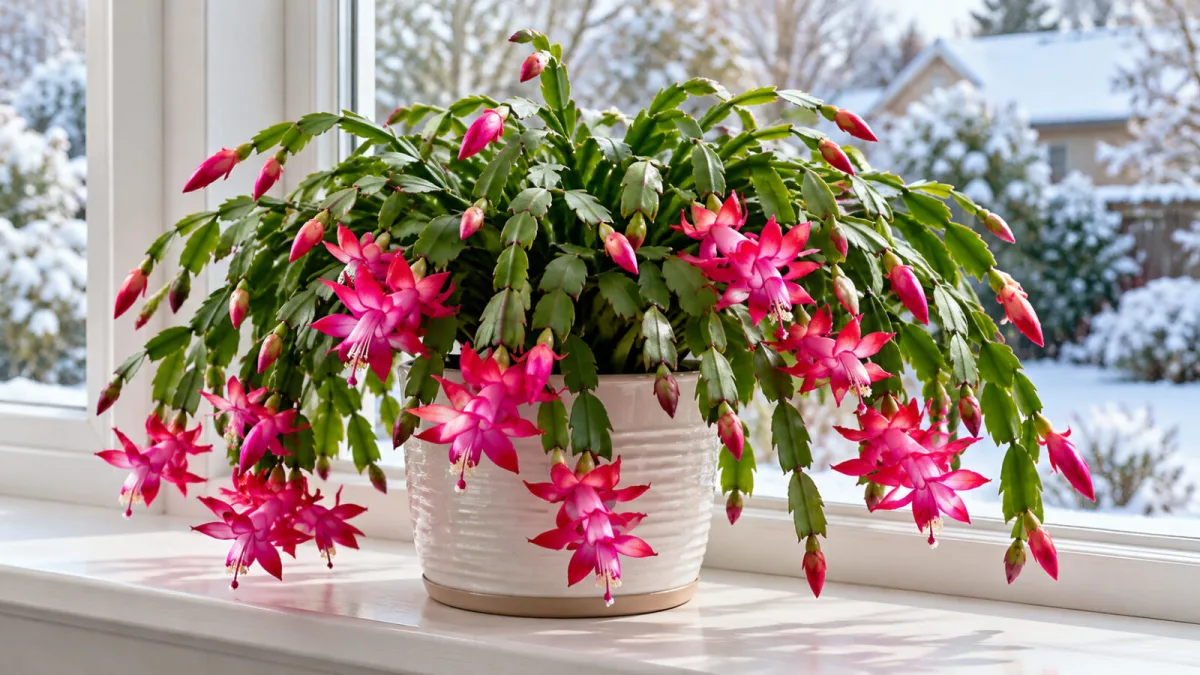
The Christmas cactus is one of the most popular houseplants for the winter season. Right when there’s little colour and light outdoors, it can burst into bloom and make the home feel warmer and more inviting. But for a Schlumbergera to set lots of buds and keep flowering for a long time, it needs more than the right spot and watering schedule, it also benefits from regular feeding. The good news is you don’t have to reach for pricey store-bought products. Simple homemade fertilisers can help too.
When the plant is healthy but won’t bloom
Sometimes a Christmas cactus looks fine at first glance. It has firm, green segments, shows no signs of disease or pests, yet no flowers appear. In that case, it may simply be missing the trigger that encourages bud formation. That’s when it can be worth supporting it with a homemade feed to top up what it needs and improve conditions in the pot.
Homemade bloom support with activated charcoal and aspirin
One recommended approach is to combine activated charcoal and aspirin. First, crush the activated charcoal into a fine powder and sprinkle it over the surface of the potting mix. Then gently loosen the top layer of soil, for example with a toothpick, so air can reach the roots more easily and the compost doesn’t become too compacted.
Next, add a crushed aspirin tablet to 1 litre of water and stir well. Water the plant with this solution. If any liquid is left over, it can be kept briefly in the fridge and used a few more times, as long as you allow the compost to dry slightly between waterings.
This method is used to encourage flowering especially when the plant is in good condition but buds still refuse to appear.
Apple feed as an easy natural source of nutrients
Another option is an apple infusion. It’s very easy to prepare and anyone can do it. Simply chop one medium apple, pour over 2 litres of water, and leave to steep for about two days. Then you can use the liquid to water the plant.
This homemade feed can provide the Christmas cactus with useful minerals and trace elements. It’s most often noted for iron, phosphorus and potassium, nutrients that are very important for growth and flower production. Another advantage is that it’s a natural, gentle way to feed.
Wood ash as a tried-and-tested helper
Wood ash has traditionally been considered a valuable supplement for many plants. It contains potassium, calcium, magnesium and phosphorus, so it can also benefit a Christmas cactus. To make a solution, mix 2 tablespoons of ash with 1 litre of water and let it stand for about three hours. Then it’s ready to use.
Birch wood ash is often described as especially valuable because it contains more phosphorus. Along with the main nutrients, it also provides trace elements such as boron and manganese. Ash can be used on its own, or in other situations as part of compost. With houseplants, though, it’s always best to use it sparingly so the potting mix isn’t overloaded.
Banana peels for stronger roots and flowers
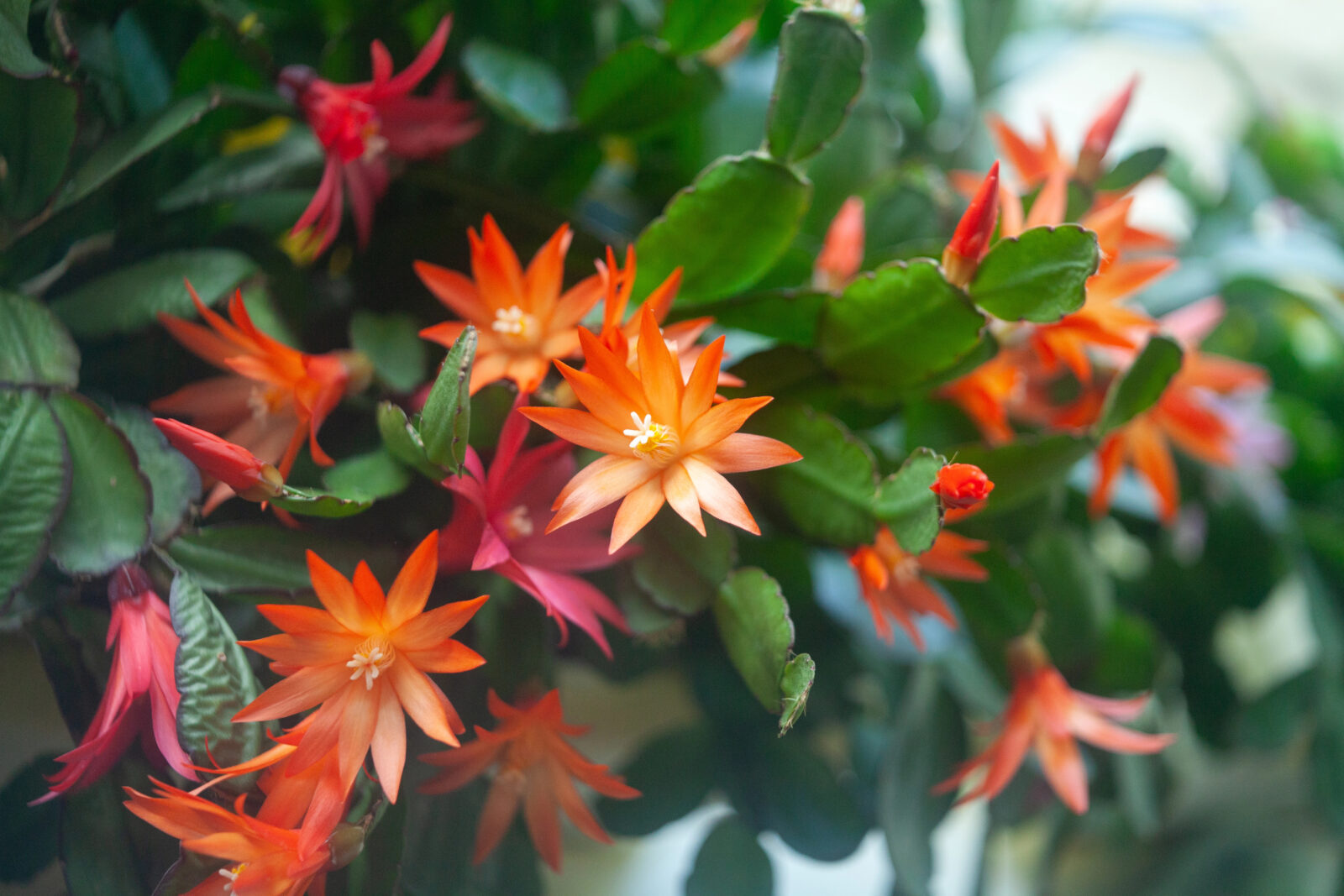
Banana peels are another very popular homemade option. They’re known for containing mainly potassium and manganese, but also sodium, iron and phosphorus. These nutrients can strengthen the plant overall and help it form buds more readily.
Preparation is simple again. Pour about 1.5 litres of water over two banana peels and leave to steep for one day. Then water the Christmas cactus at the roots with the infusion. This kind of feeding can top up what the plant may be missing in a standard potting mix and support its vitality through the winter months.
What to keep in mind with homemade feeding
Homemade fertilisers can be helpful, but it’s always best to use them sensibly. A Christmas cactus dislikes waterlogging and doesn’t appreciate being fed too often. Keep an eye on the potting mix, water only when the top layer has dried slightly, and avoid overly concentrated solutions. The right feed should give the plant a gentle push, not put it under stress.
If you give your Christmas cactus the right care and occasionally support it with one of these natural feeds, it can reward you with long, abundant flowering all winter and repeated flushes of new buds.
Source: To je nápad, Gardener’s World, RHS, Pestrazahrada.cz

A lover of nature, gardens, and everything that moves, blooms, or grows. He literally grows everything, from herbs to rare species, and he enjoys caring for animals just as much. In his work, he connects modern technology with tried-and-tested grandmotherly methods and is happy when both paths lead to the same goal.
Related articles
Don’t Cover Strawberry Plants Too Early Experienced Growers Wait for a Signal from the Leaves
Strawberries need a period of winter chill, but their crowns must be protected from deep freezing, thawing cycles and drought. Time your clean-up, feeding and mulching correctly so plants come through winter strong and crop well in spring.
Geraniums Bloom Even in December With the Right Spot Indoors and a Small Additive in the Water
Wondering what to do with geraniums once the season ends? With a bright, warm windowsill and a simple trick in the watering can, they can keep flowering well into December and overwinter successfully for next year.
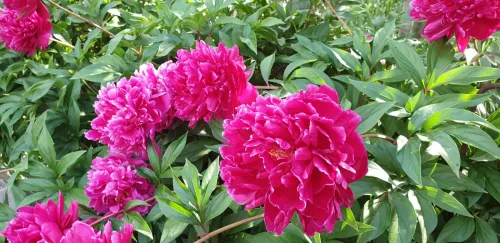
Peonies can be transplanted and September is the ideal time, but one mistake will cost you flowers
Peonies can be divided and transplanted successfully, and early autumn is the best window. The key is planting depth—set buds too deep and you’ll get foliage with few or no blooms.
Comments (0)
Be the first to comment.