
 English
  Polski
  Deutsch
  Nederlands
  Svenska
  Norsk
Norsk  Dansk
Dansk  Français
  Italiano
  Español
  Português
  Slovenčina
  Suomi
Suomi  Gaeilge
 Gardeners Know the Secret to Propagating Currants Direction of the Cut and One Small Detail Matter
Currants are among the fruiting shrubs you can propagate quite easily without buying new plants. All you need are healthy shoots from autumn pruning and you can turn them into cuttings that may grow into new young bushes over the next season. No complicated technique or special products are required. The key is choosing the right shoot, preparing it properly, planting it into suitable soil, and keeping an eye on moisture.
Autumn is an excellent time for this method of propagation. Once the leaves have dropped, the shrub’s structure is easy to see, and during routine pruning you can quickly select quality one-year shoots. Instead of ending up as garden waste, they can be used to raise more plants of the same cultivar.
How to choose the right shoot for cuttings
The foundation of success is a healthy, well-ripened one-year shoot. The best is firm, undamaged, and about as thick as a standard pencil. It should show no signs of disease, cracks, spotting, or mechanical damage. Weak, overly soft, or compromised twigs have a lower chance of rooting well.
From one longer shoot you can prepare several cuttings at once. Each should be roughly 15 to 20 cm long and have 4 to 5 well-developed buds. Those buds are what the plant will later break from and start growing.
Correct cutting matters more than it seems
When preparing a cutting, the direction of the cuts matters. The bottom end is cut on a slant, just below a bud, while the top end is cut straight, with a small gap above a bud. This distinction is practical because it makes it immediately clear which end goes into the soil. The slanted cut goes down, the straight cut goes up.
Make cuts with a clean, sharp tool. Secateurs or a knife should be in good condition so the tissues aren’t unnecessarily crushed or damaged. A clean cut is exactly what helps the cutting take more readily.
Where and how to plant the cuttings
It’s best to prepare a spot with loose, free-draining, yet adequately moist soil. If your soil is heavy and poorly aerated, improving it with sand and well-rotted compost will help. The goal is an environment where roots can form easily without rotting.
Cuttings are not planted perfectly upright. A slight angle is better and encourages rooting. Insert them so that only 1 to 2 buds remain above the surface. Most of the cutting stays underground, where it will gradually form a root system. After planting, gently firm the soil around the cutting and water thoroughly.
The most important condition is even moisture
After planting, the soil must not dry out completely. This is when the cutting begins to root slowly in the ground and it needs stable conditions. At the same time, waterlogging is not suitable. If water stands around the cutting for a long time, it can lead to damage or rot.
Ideally, keep the soil consistently slightly moist, not waterlogged. Regular checks are especially important during dry spells or in an unusually warm autumn.
A light layer of mulch can help
After planting, you can cover the area around the cutting with a thin layer of organic material. Well-rotted compost, humus, or peat works well. Mulch helps retain soil moisture and reduces sharp temperature swings in the top layer of soil.
However, the layer should not be too thick and must not cover the buds left above the surface. The point is to protect the soil, not to smother the whole plant.
Don’t fertilize in autumn and don’t rush in spring
A freshly planted cutting does not need feeding in autumn. At this stage the aim is not rapid top growth, but root formation and preparation for winter. Overly attentive care in the form of fertilizer is more likely to be unnecessary than helpful. Far more important are calm conditions, sensible watering, and suitable soil.
In spring, watch whether the buds are breaking and the first leaves appear. That’s a positive sign, but it doesn’t yet mean the plant has a strong enough root system. For that reason, it’s better not to rush transplanting. A young root system needs time to strengthen so it can supply the plant with enough water and nutrients.
One shoot can produce several new bushes
A major advantage of this method is its simplicity and low cost. From one healthy shoot you can prepare several individual cuttings, greatly increasing your chances of getting multiple new plants. Not every piece will take, but with good material selection and sensible care, the success rate is usually very respectable.
This way, you can easily propagate a favourite currant from your garden at no extra expense. Over time, the twigs that would otherwise go to waste after pruning can become new young bushes and expand your future harvest.
What to watch out for most
You’ll get the best results with healthy, well-ripened one-year shoots. Always prepare cuttings with a sharp tool, plant them at a slight angle, and leave only a few buds above the soil. After planting, watering is essential, followed by maintaining even moisture.
The most important thing is patience. Once planted, currants don’t need heavy-handed intervention, but rather time and stable conditions. With suitable soil, moisture, and peace to root, an unremarkable piece of twig can turn into a fully fledged new bush.
Source: Gardenia, To je nápad, Pestrazahrada.cz

A lover of nature, gardens, and everything that moves, blooms, or grows. He literally grows everything, from herbs to rare species, and he enjoys caring for animals just as much. In his work, he connects modern technology with tried-and-tested grandmotherly methods and is happy when both paths lead to the same goal.
Related articles
Don’t Cover Strawberry Plants Too Early Experienced Growers Wait for a Signal from the Leaves
Strawberries need a period of winter chill, but their crowns must be protected from deep freezing, thawing cycles and drought. Time your clean-up, feeding and mulching correctly so plants come through winter strong and crop well in spring.
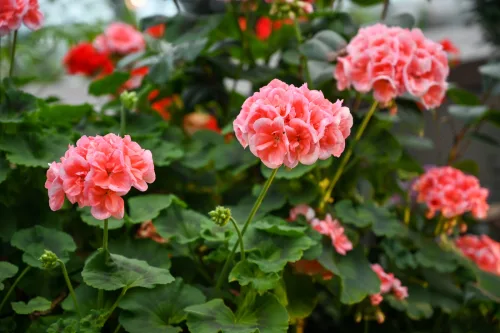
Geraniums Bloom Even in December With the Right Spot Indoors and a Small Additive in the Water
Wondering what to do with geraniums once the season ends? With a bright, warm windowsill and a simple trick in the watering can, they can keep flowering well into December and overwinter successfully for next year.
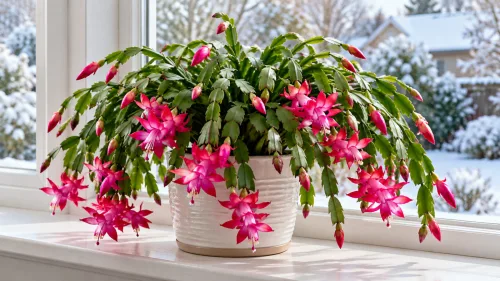
Christmas Cactus Can Bloom All Winter and Set New Buds with a Simple Grower Trick
A Christmas cactus can flower for weeks and keep forming fresh buds through winter when it gets the right care and a gentle boost of nutrition. These simple homemade feeds can help encourage blooming without expensive products.
Comments (0)
Be the first to comment.