
 English
  Polski
  Deutsch
  Nederlands
  Svenska
  Norsk
Norsk  Dansk
Dansk  Français
  Italiano
  Español
  Português
  Slovenčina
  Suomi
Suomi  Gaeilge
 Next year you can harvest better if you don’t sow carrots where they won’t thrive
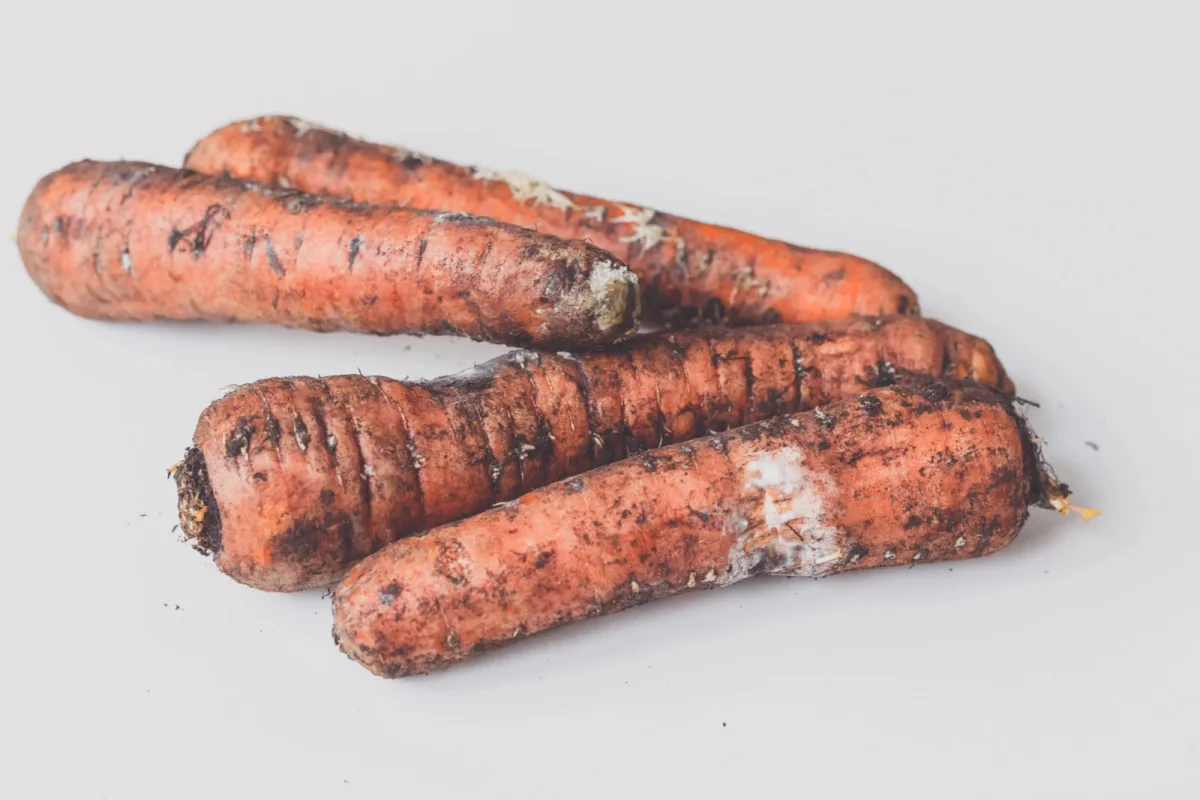
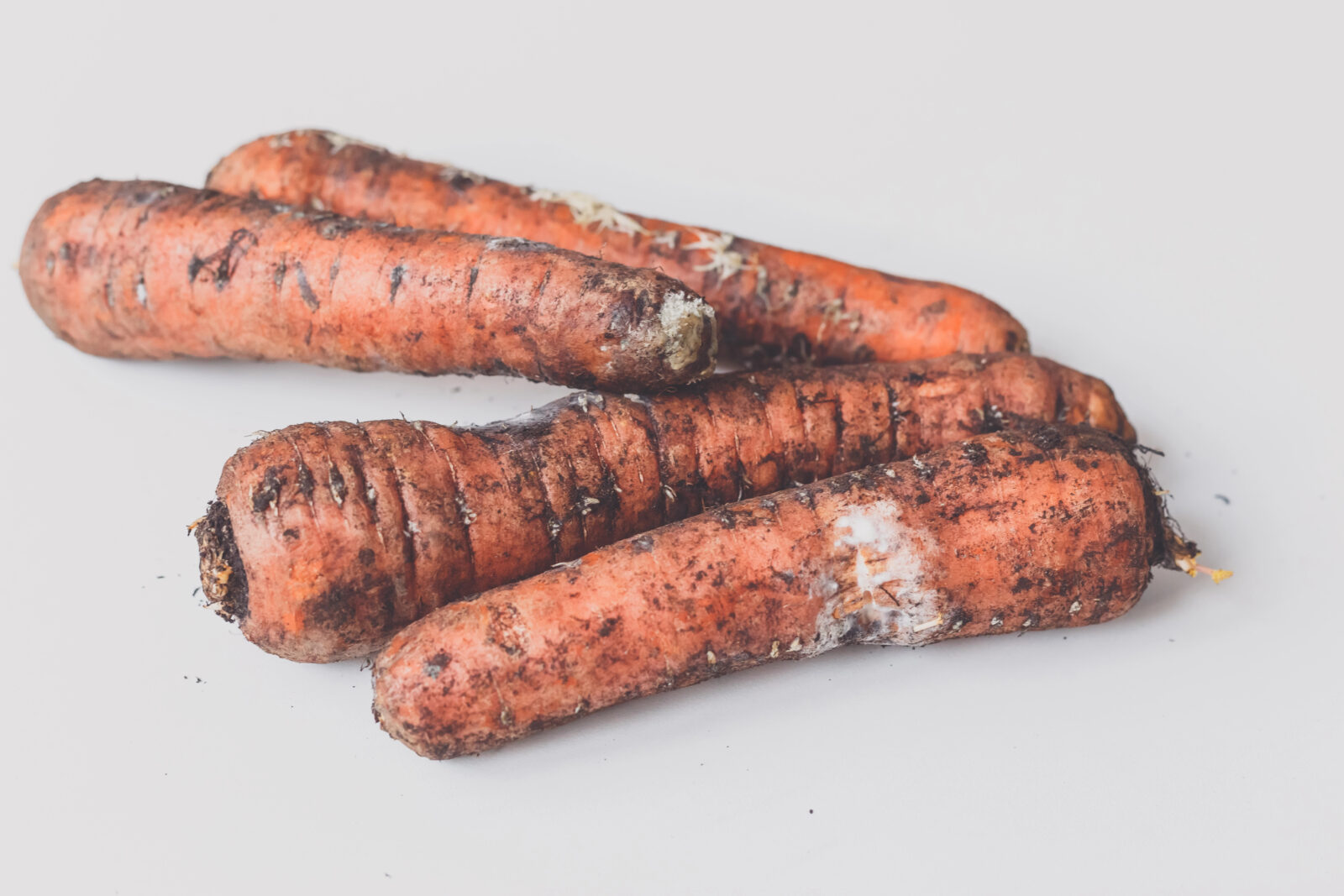
Growing carrots, parsley or celeriac is routine in many gardens, yet these crops are often troubled by a pest that stays hidden for a long time. Carrot root fly can spoil a crop quietly but very thoroughly. The biggest issue is that its larvae don’t damage the surface, but feed directly inside the roots. They tunnel through them, reduce eating quality and significantly shorten storage life.
If you want better results next year, it pays to remember one key thing. Carrots shouldn’t be grown in shady, damp spots or repeatedly in the same bed. That’s exactly where the pest does best and infestations are usually at their worst. At first glance the crop may look fine, but once you pull the roots it’s too late to fix.
How to spot an infestation before it destroys the crop
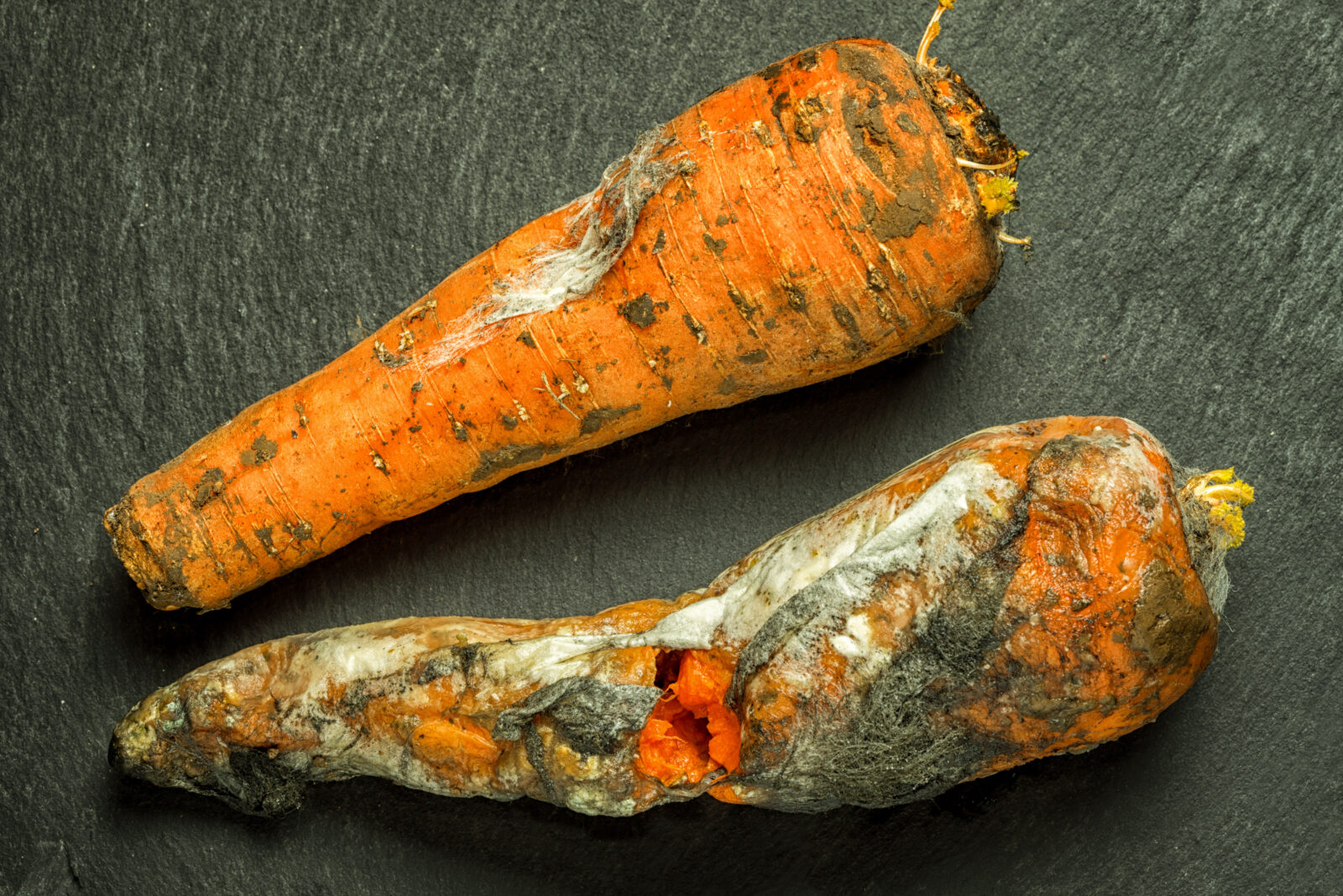
Carrot root fly doesn’t attack carrots alone. Parsley, celeriac, caraway, dill and other umbellifers are also at risk. The typical sign is rusty-brown tunnels on the surface and inside the root. In carrots, the lower part is often most damaged. In celeriac, the inside of the bulb can turn purple. Roots injured like this then rot easily and won’t keep long in storage.
Young plants respond by wilting and in dry weather they can die quickly. On older plants, the roots are laced with fine tunnels filled with larval frass. The foliage also hints that something isn’t right. Leaves may take on a purplish tinge and yellow earlier. But the true extent of the damage often only becomes clear at harvest.
The pest’s life cycle determines when to act
The adult carrot root fly is a small fly about 4–5 mm long. It most often overwinters in the soil as a pupa, sometimes as a larva in stored roots. Mass flights of adults usually occur from early to mid-May. Females then lay eggs in the soil right next to host plants.
Larvae hatch in about one to two weeks and develop in the roots for several more weeks. They then pupate in the top layer of soil. A second generation appears at the end of July and through August. Some larvae also fail to complete development before harvest and continue during storage. That’s why damaged roots can be a problem not only in the bed, but later in the cellar as well.
Prevention is more effective than trying to rescue the crop later
The foundation of protection is crop rotation and choosing the right site. Carrots are best grown in an open, sunnier position where the soil doesn’t stay wet for long after rain. Regular hoeing between rows can reduce pest pressure, and raised beds can help too. Carrot root fly stays low to the ground, so a higher growing surface can partly hinder its flight in.
Thinning also matters. If it’s done poorly and too early, the released carrot scent can attract females from further away. So it’s better not to rush, and to remove pulled plants straight away. A very reliable protection is fine insect mesh or lightweight fleece placed over the crop during the egg-laying period. It must fit snugly, with no gaps at the edges, ideally tucked lightly into the soil.
When it’s better to sow later and what to avoid
Direct chemical control is difficult today, which is why simple growing measures matter more than ever. With early carrots, later sowing works very well. If you sow only at the end of May, the risk of maggots is often much lower because the main spring flight of adults is already past its peak. This is a practical solution especially where the pest returns year after year.
Root crops need soil that’s in good heart and don’t do well with fresh applications of farmyard manure. Carrots and parsley are best grown in the second or third year after organic manuring. The exception is celeriac, which tolerates richer feeding and regular watering. If you want straight, healthy roots, choosing the bed and the preceding crop is just as important as the care you give during the season.
Carrots and onions can help each other in the bed
Mixed planting is very useful. The proven pairing of carrots with onions, or with garlic or leeks, works by confusing the pest’s sense of smell. Carrot root fly finds suitable plants by the volatile compounds carrots release. The strong aroma of alliums disrupts these signals and makes it harder for females to locate a place to lay eggs.
In other words, if you don’t want to pull damaged roots next year that store poorly, don’t grow carrots in shade, in the same spot year after year, and without well-planned prevention. In smaller gardens, the right plant neighbours, later sowing and covering the crop can be the difference between a healthy harvest and disappointment at lifting time.
Source: Gardening Know how, Záhrada, Pestrazahrada.cz

A lover of nature, gardens, and everything that moves, blooms, or grows. He literally grows everything, from herbs to rare species, and he enjoys caring for animals just as much. In his work, he connects modern technology with tried-and-tested grandmotherly methods and is happy when both paths lead to the same goal.
Related articles
How to Propagate Roses from Cuttings at Home and Fill Your Garden with Blooms Almost for Free
Want more roses without paying for new plants? With a few healthy cuttings and a simple plastic-bottle mini greenhouse, you can root new bushes at home in just a few weeks.
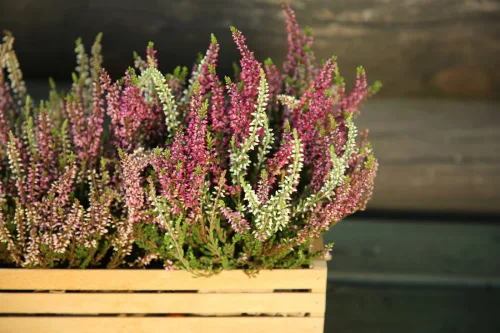
Heathers can cope where other plants won’t, but one soil detail decides everything
Heathers and heaths are tough evergreen shrubs that can flower across the seasons when you choose the right types. Success hinges on matching the plant to your soil pH and ensuring free drainage.
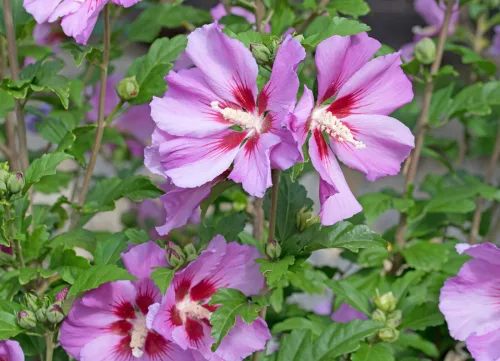
A Simple Autumn Trick Will Protect Your Hibiscus Over Winter and Bring a Flush of Flowers
A thick mulch layer in autumn can be the deciding factor in whether hardy hibiscus comes through winter unscathed. Combine root protection with smarter watering and feeding, and you’ll be rewarded with stronger growth and heavier flowering next season.
Comments (0)
Be the first to comment.