
 English
  Polski
  Deutsch
  Nederlands
  Svenska
  Norsk
Norsk  Dansk
Dansk  Français
  Italiano
  Español
  Português
  Slovenčina
  Suomi
Suomi  Gaeilge
 Raspberries, blueberries and elder need a different approach in autumn
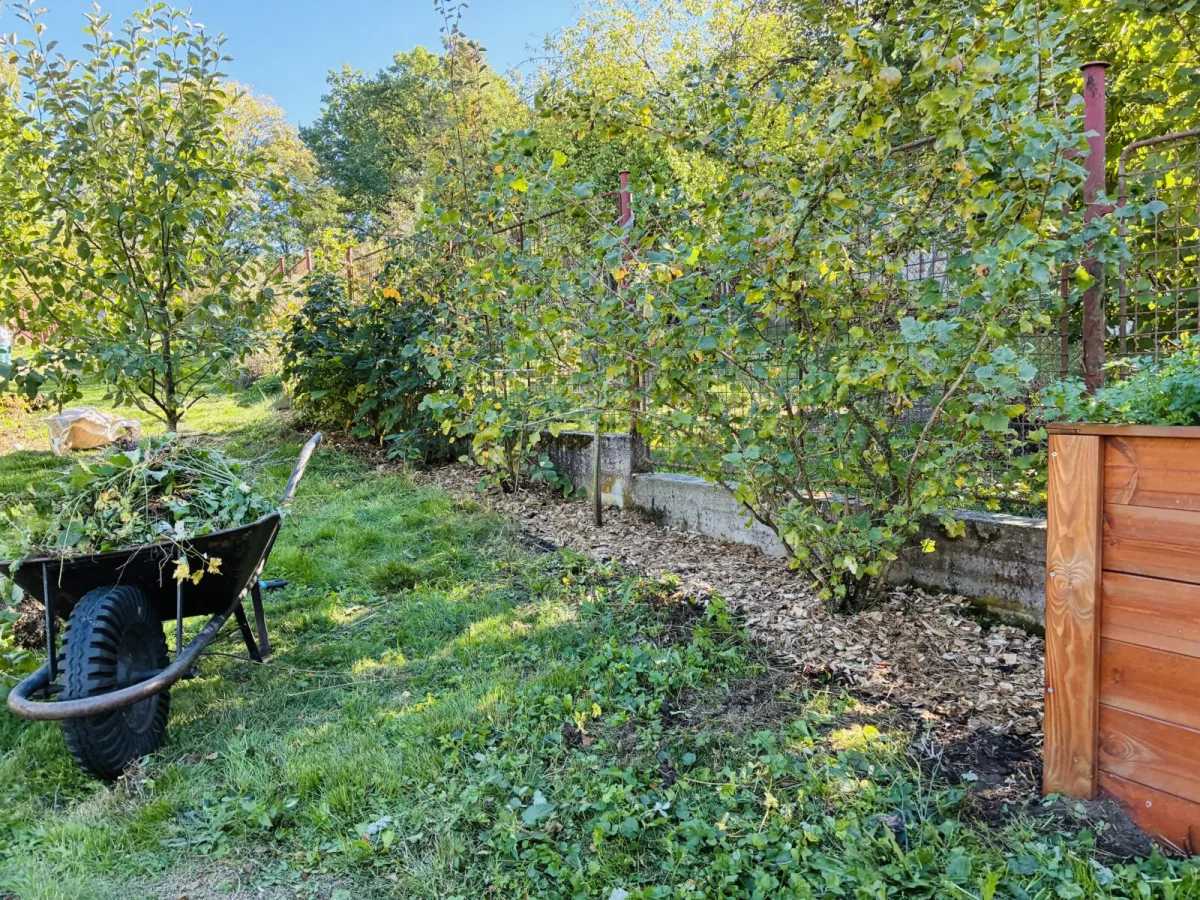
Many growers give small fruit the most attention in spring and summer, when plants flower and set fruit. But autumn is just as important for their future vigour. This is the time when it’s decided how well the bushes will overwinter and how strongly they’ll go into the next season. Done correctly, pruning can really help—but a hard cut at the wrong time can do the opposite.
If you remove too many canes or shoots before winter, the plant is more prone to frost damage and disease. Autumn pruning isn’t a one-size-fits-all approach for every soft fruit. It depends on how the plant grows, which canes it fruits on, and when it’s best to intervene.
The benefits of pruning done properly
Although cutting back a bush can look like unnecessary weakening, it’s actually an essential part of care. Well-timed pruning improves airflow through the plant, which reduces the risk of fungal diseases spreading. At the same time, it helps the plant focus its energy on strong, productive growth that will deliver a better crop.
Another advantage is lower pest pressure and a clearer, healthier bush structure. The key is to distinguish between light autumn tidying and the main pruning, which for many species is best left until late winter or early spring.
Is autumn the best time to prune
The answer isn’t the same for all berry bushes. Some tolerate autumn pruning without any major issues, while others are better left alone until late winter. If you cut canes and branches that haven’t fully finished growing, you stress the plant unnecessarily. That can mean a higher risk of infection and also poorer fruit set the following year.
With blueberries, blackberries, and summer-fruiting raspberries that crop on two-year-old wood—as well as many other woody fruit bushes—the best time is usually late winter into early spring. Especially in cooler areas, a heavy autumn prune can increase the chance of winter damage.
One exception almost always applies. In autumn, it’s a good idea to remove anything that is completely dead or clearly diseased. Dead shoots are brittle, brown inside, and snap easily. Removing them frees up space for new growth and improves the overall health of the bush.
How to prune raspberries and blackberries
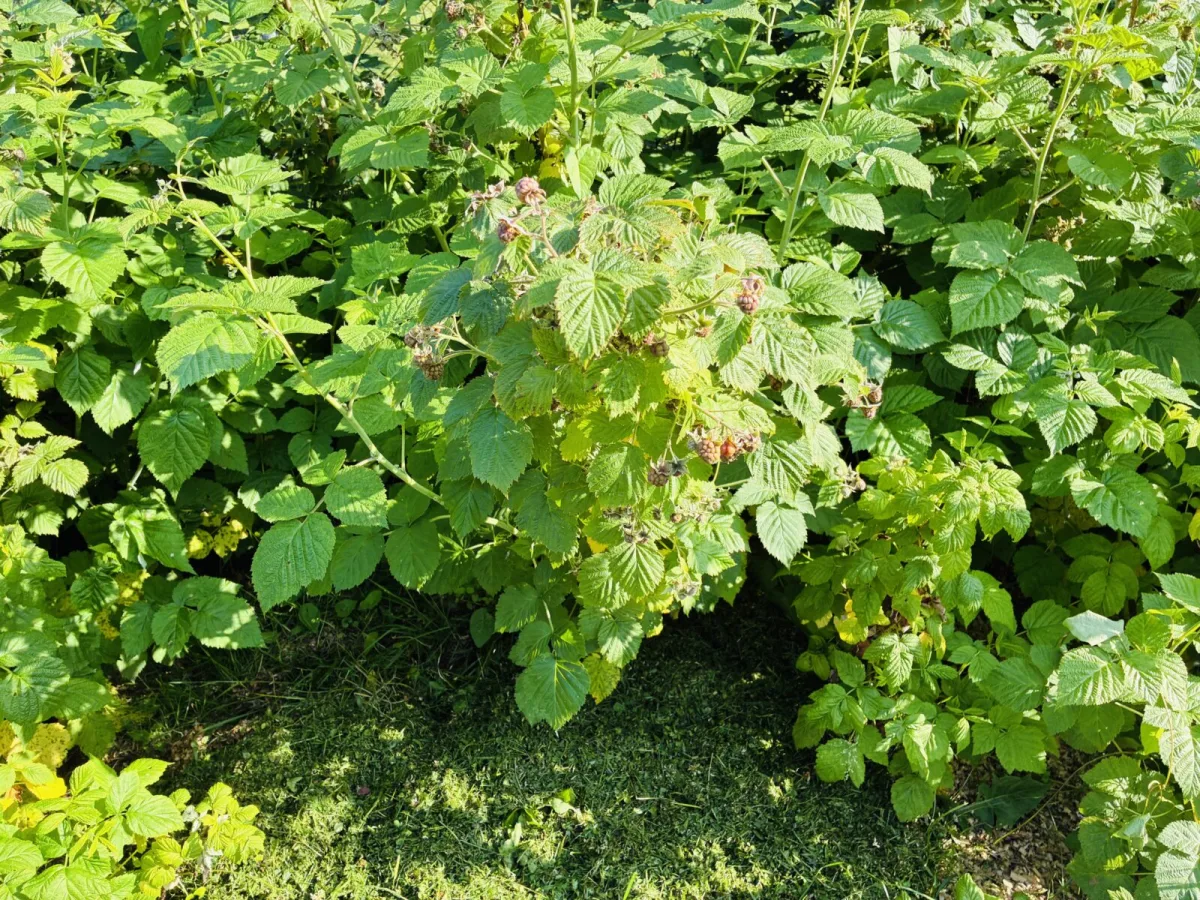
This group includes plants that produce long canes—raspberries, blackberries, and related brambles. For correct pruning, it’s crucial to know whether your variety fruits on first-year canes or second-year canes. That’s what determines what you can cut in autumn and what must be left.
Varieties that fruit on first-year canes
So-called autumn-fruiting (primocane) varieties produce fruit on canes grown in the same year. With these plants, autumn pruning is very straightforward. After harvest, you can cut all canes right down to the ground. The plant then doesn’t have to maintain old top growth and can store more energy in the root system.
Even though you can do this in autumn, late winter or early spring is still considered the ideal time. If you decide to prune earlier, use sharp, clean tools and make the cuts as close to ground level as possible.
Varieties that fruit on second-year canes
With summer-fruiting (floricane) raspberries and blackberries, it’s more complicated. These plants fruit on second-year canes, so the current season’s new canes must be kept over winter. Those are the canes that will carry next year’s crop. You should only remove the canes that have already completed their fruiting cycle.
As tempting as it can be to cut out all the old canes straight after harvest in autumn, it’s better to wait with this main prune. Removing the two-year-old canes too early can weaken the movement of stored reserves back into the plant’s base, and the bush then goes into winter in poorer condition. In autumn, step in only if there are canes that are completely dead or damaged and likely to get in the way of healthy growth.
Autumn care for blueberries
Blueberries are popular in gardens and small orchards, and in good conditions they’ll crop heavily even with minimal attention. Still, regular pruning at the right time is what decides whether bushes remain vigorous long-term and keep their productivity high.
The main shaping and thinning prune for blueberries is best left until late winter or early spring. At that point it’s easy to see the state of the wood, and there’s less risk of damage than after an autumn cut. Hard pruning in autumn can weaken the bush and increase its sensitivity to frost and disease.
However, if you spot dead or diseased branches in autumn, it’s worth removing them. A simple test helps confirm whether a shoot is alive. Lightly scrape the bark with your fingernail. If the tissue underneath is green, the branch is alive. If it’s brown inside, it’s dead wood that’s best cut out.
What to do with elder
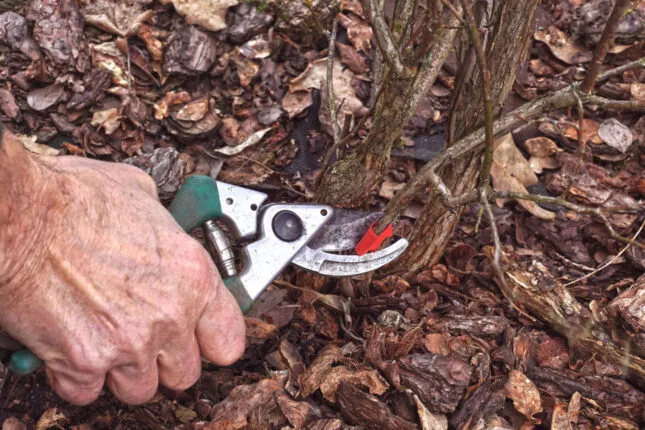
Black elder is a hardy shrub that grows vigorously without much help. But if you’re growing it specifically for harvest, a little care is worthwhile. Ongoing removal of old, diseased, and dead branches helps keep the shrub healthy and encourages new, strong shoots.
With elder, too, heavier pruning is better postponed until late winter or early spring. Autumn should mainly be for tidying after the season and removing anything that’s clearly dead or infected. That way the shrub overwinters better and restarts growth more quickly in spring.
The most important rule for autumn pruning
Autumn work on berry bushes should be cautious rather than drastic. The safest approach is to focus on removing dead, damaged, and diseased parts. For most species, the main shaping and any harder rejuvenation pruning is wiser to leave until just before the new season starts.
Before you pick up the pruners, always check which canes your variety fruits on. That one detail determines whether autumn pruning will help—or needlessly reduce next year’s harvest.
Source: Epic Gardening, Grow Veg, Pestrazahrada.cz
Related articles
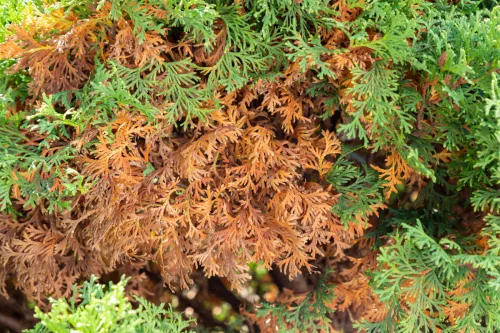
Thuja hedges turning brown inside or out: the small detail that decides their fate
This summer’s heat and drought have hit thuja hedges hard, and browning is often the first sign of stress in the root zone. Learn when it’s normal shedding and when it’s time to adjust care or consider a tougher replacement.
Gardeners revealed a proven way to wipe out slugs and their offspring right now
Autumn rains bring slugs back into beds and kick-start breeding. A quick two-step October routine can reduce both adults and eggs, making spring damage far less likely.
How to Prepare Trees and Shrubs for Winter to Keep Them Strong and Healthy
Winter can be tough on garden trees and shrubs, from frost and drying winds to snow load and rapid temperature swings. With a few timely steps in autumn, you can boost resilience and reduce damage that’s hard to fix in spring.
Comments (0)
Be the first to comment.