
 English
  Polski
  Deutsch
  Nederlands
  Svenska
  Norsk
Norsk  Dansk
Dansk  Français
  Italiano
  Español
  Português
  Slovenčina
  Suomi
Suomi  Gaeilge
 A Beautiful Shrub That Can Ruin Your Neighbours’ Pear Crop Yet It’s Still Allowed
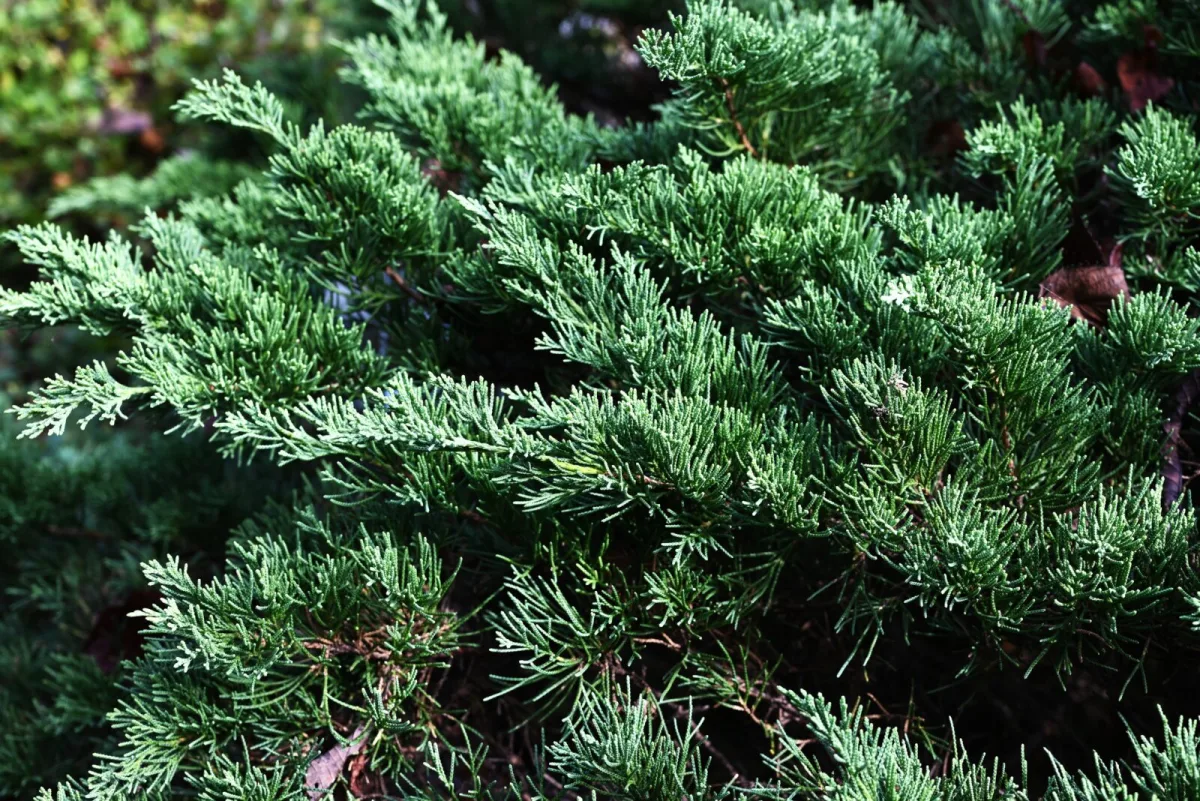
Chinese juniper is one of the most popular ornamental conifers in Czech gardens. At first glance it is an unassuming, decorative shrub that looks at home in front gardens and around family houses alike. However, this plant can pose a serious risk to pear trees across a wide area. Its branches can harbour the fungus that causes pear rust, a disease capable of severely damaging leaves, fruit and the overall vigour of trees.
In spring, conspicuous orange, jelly-like swellings form on infected parts of the juniper. These produce spores that the wind readily carries into the surrounding area. Once they land on young leaves or small developing pears, infection begins. The result can be a marked loss of leaf area, deformed fruit, poorer quality and a noticeably reduced harvest. With repeated heavy infections, trees may be weakened to the point that a subsequent harder winter can cause further damage.
Spores spread far beyond property boundaries
The problem with this disease is that it does not stay confined to one garden. Specialist guidance does state that host junipers should be at least 200 metres from pear trees, ideally 500 metres, but experience shows that even that may not be enough. Overseas plant-health institutions warn that high infection pressure can persist at greater distances, and infections have even been recorded several kilometres from the source.
This puts pear growers at a major disadvantage. Even if they care for their trees properly and have no risky juniper on their own land, they cannot influence what neighbours plant, what goes into municipal landscaping, or what grows on other private plots. A single infected shrub in the vicinity can therefore trigger recurring problems season after season.
No ban is coming and the state intervenes only minimally
Although Chinese juniper can significantly harm fruit trees, Czech law does not impose any broad restrictions on growing it. Unlike species listed on the EU list of invasive organisms, it is not subject to a ban on keeping it or an obligation to remove it. Nor is it a case where a strict plant-health regime is automatically triggered. In addition, the pear rust pathogen is not among the organisms for which mandatory eradication is ordered.
This creates a striking contradiction. With certain other non-native plants, growing them can bring heavy fines and the state demands their thorough removal. With juniper, which can cause serious economic losses for fruit growers and home gardeners, no comparable blanket ban exists.
The affected grower has only limited options
If an orchard owner or gardener wants to address the situation, they are essentially left with only a civil-law route. They can rely on provisions of the Civil Code concerning nuisance, meaning impacts from neighbouring land that excessively restrict the normal use of one’s own property. In practice, however, such a dispute is very difficult.
The reason is simple. Spores travel on air currents and can cover hundreds of metres and even several kilometres. Proving that a specific juniper from a particular garden caused damage to a specific pear tree or orchard is extremely challenging. Without convincing evidence, the affected party’s position is weak and it often ends up as little more than a neighbourly argument.
Timely prevention is the most important thing
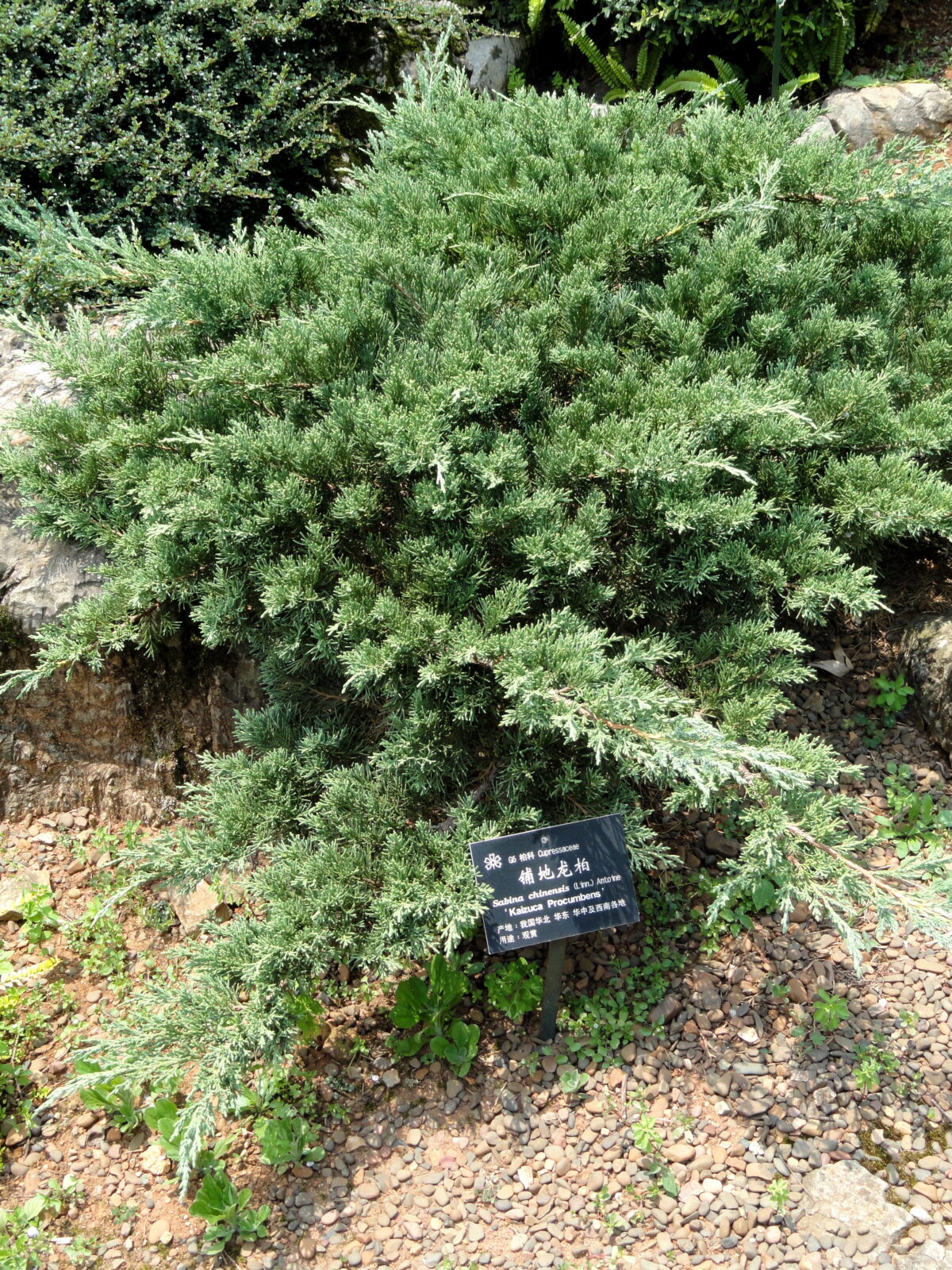
The critical period usually falls from mid-April to mid-May, often when pear trees are in full bloom. Damp weather and rain strongly encourage the spread of infection. Protection therefore needs to be in place before the disease fully develops.
Experts mainly recommend preventive and mechanical measures. These include timely pruning out infected, swollen juniper branches, or covering shrubs with a suitable fabric during the spore-release period. Chemical protection of pears is only possible to a limited extent and has to be applied preventively, usually alongside sprays for scab. Some products are not intended for typical home growers, but only for professionals.
The situation is further complicated by the fact that biological control in the form of registered products is practically unavailable. Home growers are often left with selecting more resistant pear varieties and less susceptible juniper cultivars. Even that, however, does not fully solve the problem if the infection source lies beyond their own property.
An ornamental shrub turns into a long-term neighbour issue
Pear rust shows how strongly a common ornamental planting can affect surrounding gardens and orchards. One shrub that, from the owner’s perspective, is simply an attractive feature can mean annual losses and an uncertain harvest for pear growers. Because the law addresses such situations only very limitedly, the main defence remains awareness, prevention and a willingness to cooperate between neighbours.
Until there is a clearer rule or more effective protection, the consequences of pear rust spread will fall mainly on those who grow pears, not on those who planted the host juniper.
Source: RHS, Gardenia, Pestrazahrada.cz

A lover of nature, gardens, and everything that moves, blooms, or grows. He literally grows everything, from herbs to rare species, and he enjoys caring for animals just as much. In his work, he connects modern technology with tried-and-tested grandmotherly methods and is happy when both paths lead to the same goal.
Related articles
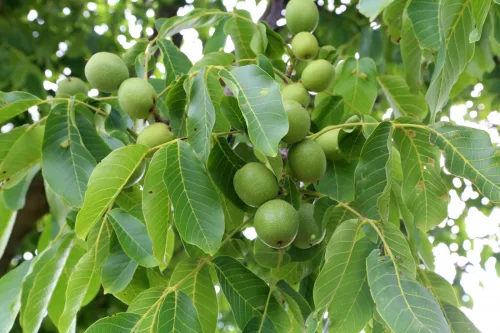
Insects Hate the Smell and Skin Glows Afterward Walnut Leaves Have Surprisingly Many Uses
Walnut leaves aren’t just autumn litter. Used sensibly, they can support digestion, soothe skin and hair, freshen the home naturally, and even earn a place in the compost heap.
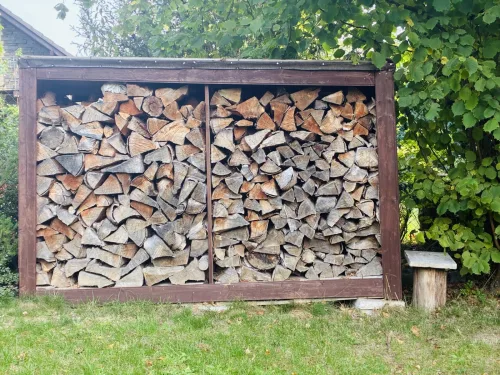
How to Choose Firewood That Heats Your Home the Longest
Not all firewood burns the same. Learn how wood density and moisture content determine burn time and heat output, and how to spot properly seasoned logs.
Get Rid of Fruit Flies in Your Flat for Good
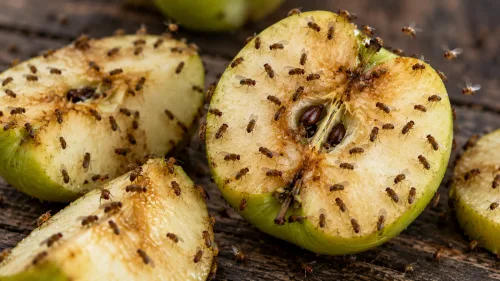
Fruit flies can seem to appear out of nowhere, but they’re always drawn in by fermenting food and moisture. With the right trap plus thorough cleaning and prevention, you can eliminate them and stop them coming back.
Comments (0)
Be the first to comment.