
 English
  Polski
  Deutsch
  Nederlands
  Svenska
  Norsk
Norsk  Dansk
Dansk  Français
  Italiano
  Español
  Português
  Slovenčina
  Suomi
Suomi  Gaeilge
 A Simple Autumn Trick Will Protect Your Hibiscus Over Winter and Bring a Flush of Flowers
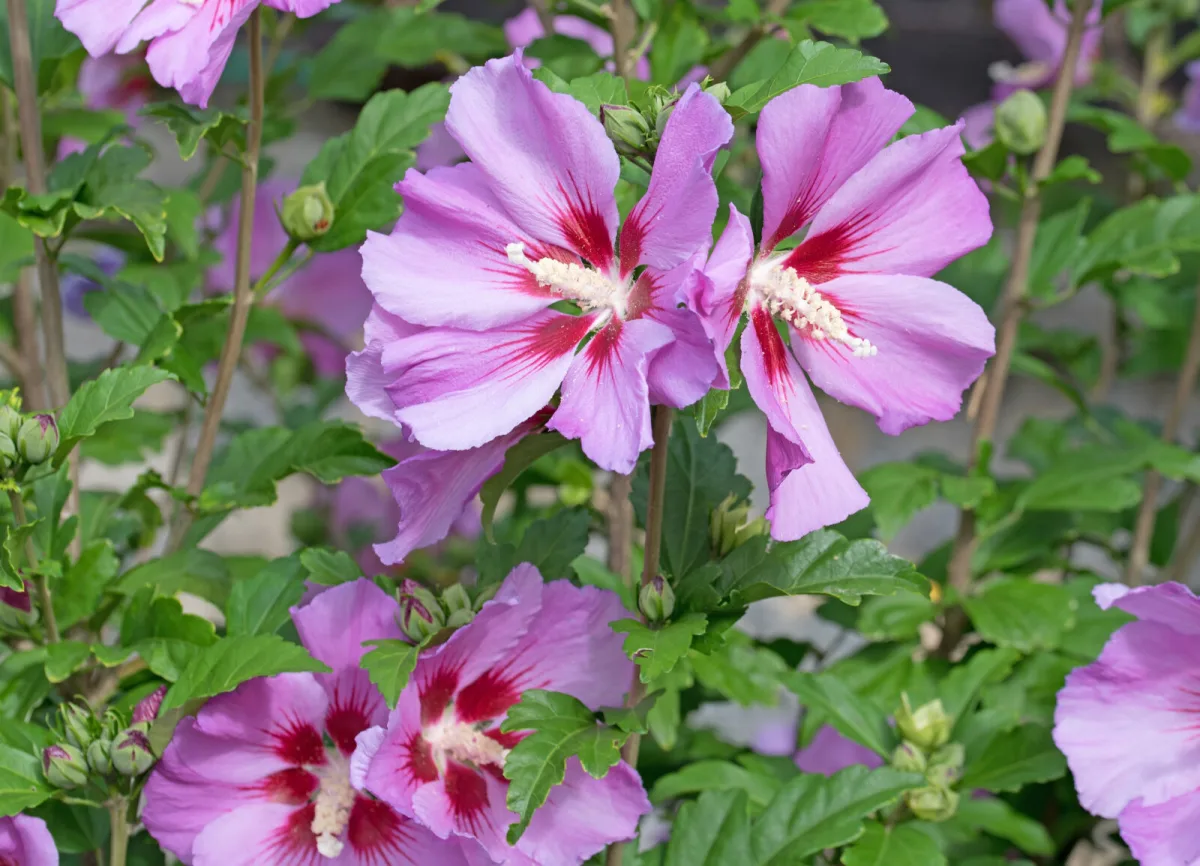
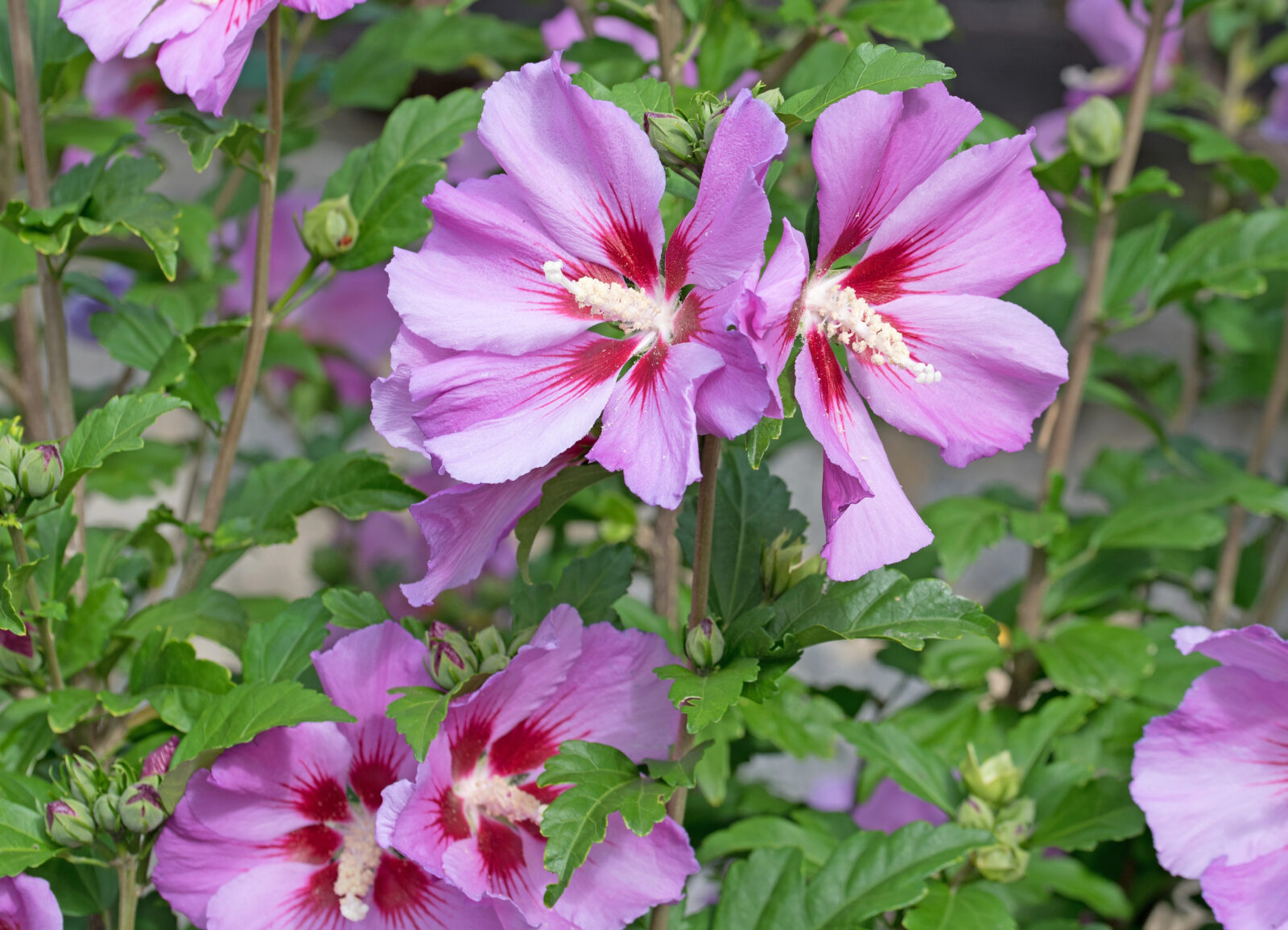
Hardy hibiscus, often referred to as rose of Sharon (Hibiscus syriacus), is one of the most popular ornamental shrubs for the garden. In summer it dazzles with large blooms and an exotic look, but autumn is the moment it needs a little extra attention. One simple trick often determines whether the plant gets through winter without damage and flowers abundantly the following season.
The most important step is protecting the roots from freezing. Although older, well-established shrubs cope with typical winters fairly well, young plants are more sensitive. That’s why it pays to mound a layer of mulch around the base before the first frosts, helping keep soil temperatures steadier and preventing sudden swings.
The simplest trick is a thick layer of mulch
Mulching is inexpensive, quick, and extremely effective. Around hibiscus you can use bark, wood chips, dry leaves, straw, or grass clippings. The layer should be deep enough to protect the root collar, but the material mustn’t be packed down or left wet and airless. The goal is insulation, not smothering.
Protecting the root zone is usually the most important autumn step for hibiscus.
With young shrubs, it’s also worth adding extra protection for the top growth. If forecasters are calling for hard frosts or bare frost without snow cover, horticultural fleece, evergreen boughs, or a paper wrap can help. Avoid plastic and non-breathable films, which trap moisture and can lead to rotting.
In autumn, cut back on water and nitrogen
Another key part of care is reducing watering. Hibiscus doesn’t like consistently waterlogged soil, especially as temperatures drop. If autumn is rainy, you may hardly need to water at all. Soggy roots are far more likely to be damaged going into winter.
It’s also a good idea to adjust feeding. Summer fertilisers with a higher nitrogen content encourage new shoot growth, which is undesirable in autumn. The plant should harden off and prepare for dormancy instead. Fertilisers higher in potassium and phosphorus are ideal, supporting ripening of tissues and better frost resistance.
Save the main pruning for spring
Many gardeners make the mistake of cutting hibiscus back hard before winter. It isn’t necessary. In autumn, simply remove spent blooms and any dead, damaged, or weak twigs. A drastic prune can weaken the plant and cause unnecessary stress right before winter.
It’s also worth checking leaves and shoots for aphids, spider mites, or other pests. Catching them early helps prevent the hibiscus from going into spring already weakened.
Potted hibiscus needs a different routine
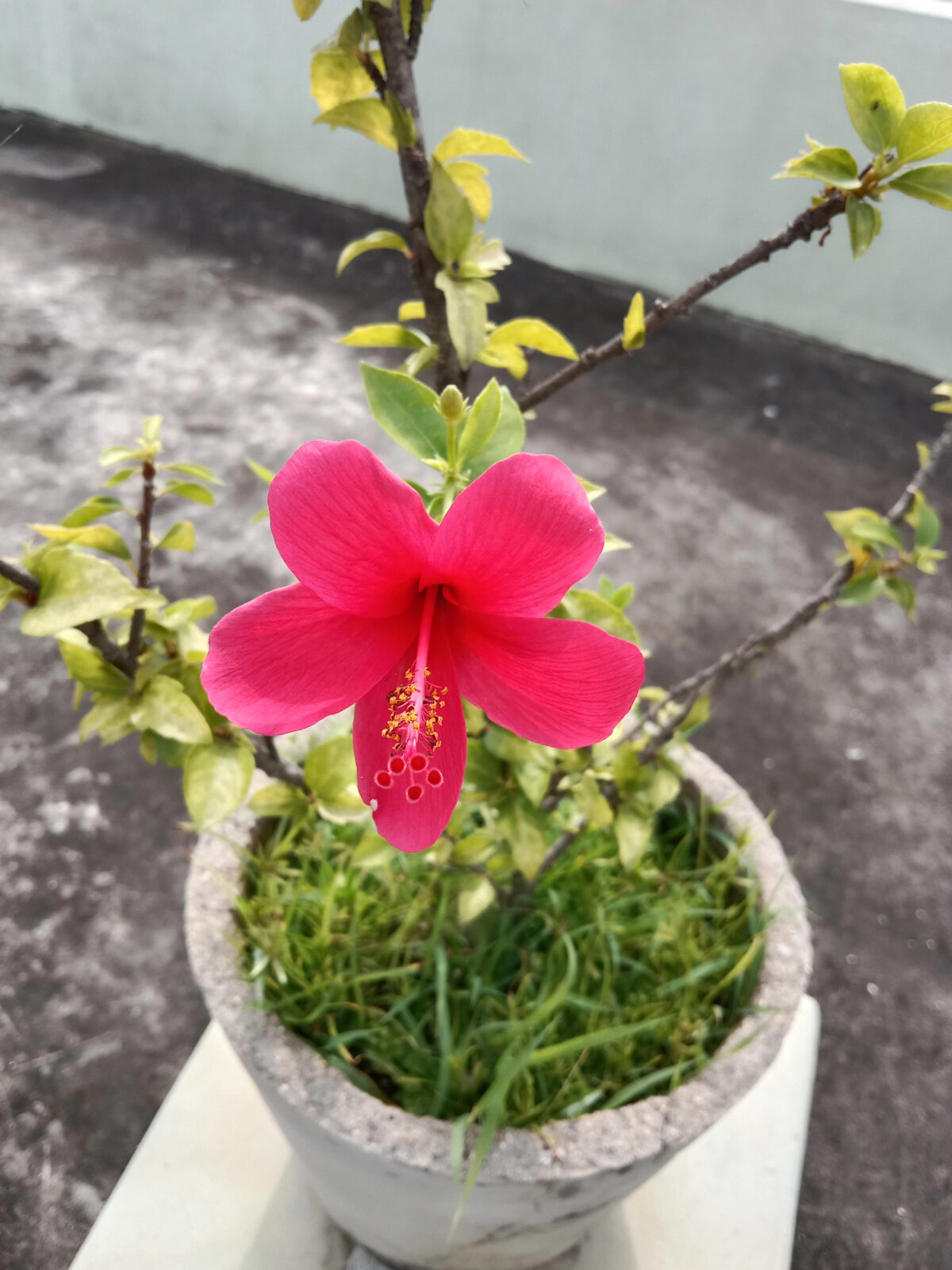
If you grow hibiscus in a container, mulching alone isn’t enough. A pot freezes much faster than soil in a border, so the plant needs to be moved to a cool, bright place. A temperature of around 5 to 10 °C is ideal. Over winter, water only sparingly, just enough to stop the compost from drying out completely.
Move the pot back outside only when late frosts are no longer a risk, ideally in the second half of May. This helps the hibiscus wake up without shock and quickly put on new growth.
In spring, your care comes back as flowers
If you give your hibiscus a quieter autumn, a drier routine, and above all root protection, it will reward you next season with healthier growth and heavier flowering. There’s no need for complicated care or expensive products. Very often, the simple autumn trick of mulching plus sensible frost protection is all it takes. Thanks to it, hibiscus becomes a reliable, annual highlight in the garden.
Source: Costa Farms, The Spruce, Pestrazahrada.cz

A lover of nature, gardens, and everything that moves, blooms, or grows. He literally grows everything, from herbs to rare species, and he enjoys caring for animals just as much. In his work, he connects modern technology with tried-and-tested grandmotherly methods and is happy when both paths lead to the same goal.
Related articles
Next year you can harvest better if you don’t sow carrots where they won’t thrive
Carrot root fly can ruin carrots, parsley and celery from the inside out, often without obvious warning until harvest. Better site choice, rotation, later sowing and simple physical barriers can dramatically cut damage next season.

How to Propagate Roses from Cuttings at Home and Fill Your Garden with Blooms Almost for Free
Want more roses without paying for new plants? With a few healthy cuttings and a simple plastic-bottle mini greenhouse, you can root new bushes at home in just a few weeks.
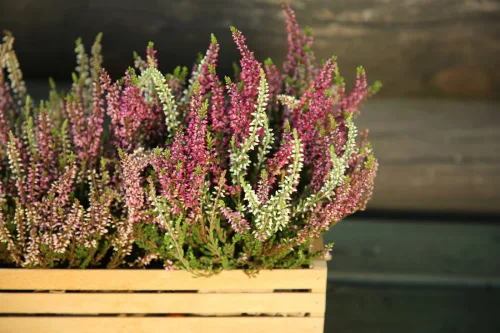
Heathers can cope where other plants won’t, but one soil detail decides everything
Heathers and heaths are tough evergreen shrubs that can flower across the seasons when you choose the right types. Success hinges on matching the plant to your soil pH and ensuring free drainage.
Comments (0)
Be the first to comment.