
 English
  Polski
  Deutsch
  Nederlands
  Svenska
  Norsk
Norsk  Dansk
Dansk  Français
  Italiano
  Español
  Português
  Slovenčina
  Suomi
Suomi  Gaeilge
 How to Prepare Trees and Shrubs for Winter to Keep Them Strong and Healthy
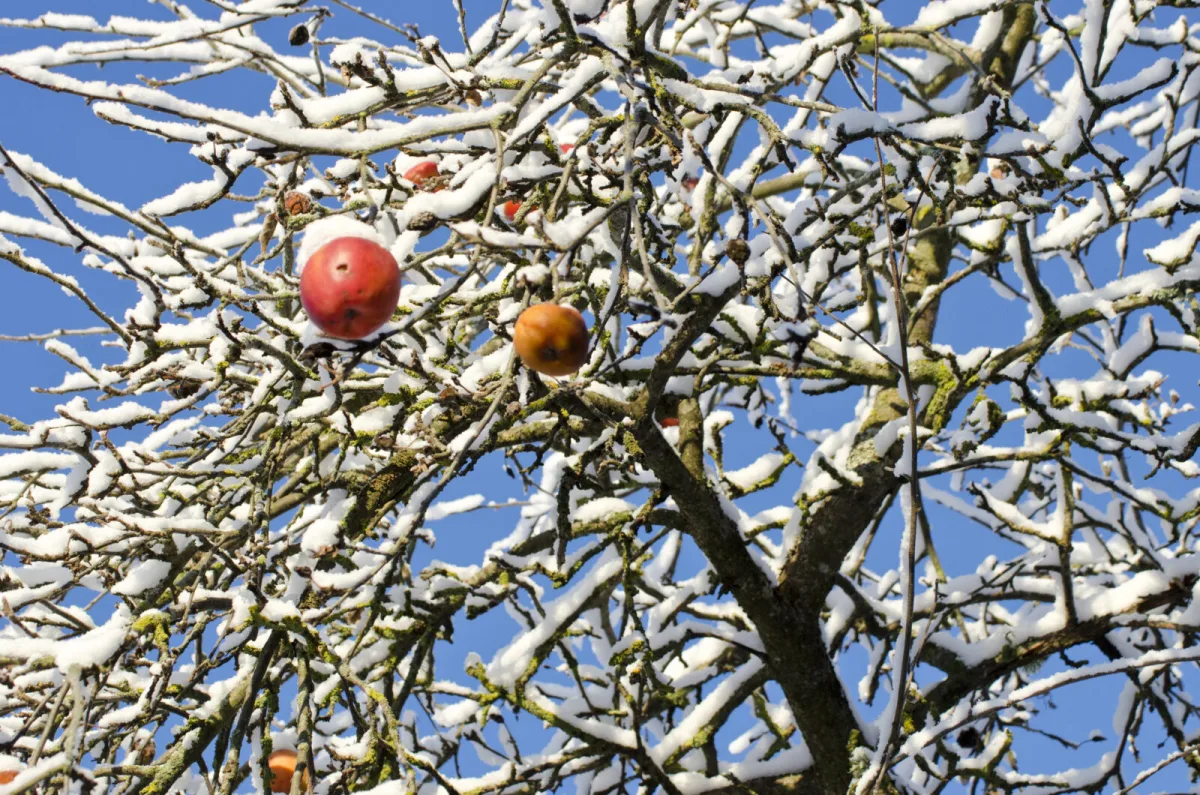
As the colder months arrive, it’s worth giving trees and shrubs extra attention. Winter is demanding for woody plants in the garden: they must cope with frost, drying winds, temperature swings, and the weight of snow. If you prepare plants in good time, you’ll noticeably support their condition, hardiness, and appearance for the next season. Good pre-winter care also helps limit damage that can be difficult to put right in spring.
It’s not only about protection from harsh weather. Nutrition, adequate moisture, and removing anything that could harbour disease or attract pests also play a major role. The right approach helps woody plants come through winter in better shape and get growing again in spring without setbacks.
Start with a careful health check
Before you do anything else, walk the garden and inspect your trees and shrubs properly. Look for dead branches, damaged bark, signs of insect activity, or suspicious spots on leaves and shoots. Autumn is the ideal time to spot issues that could worsen over winter.
Remove any dead or diseased parts so problems don’t spread. It’s just as important to clear fallen leaves, twigs, and other debris from around the base. Pests and disease spores often overwinter in this material and can reinfect weakened plants in spring.
Mulch as a protective layer for roots
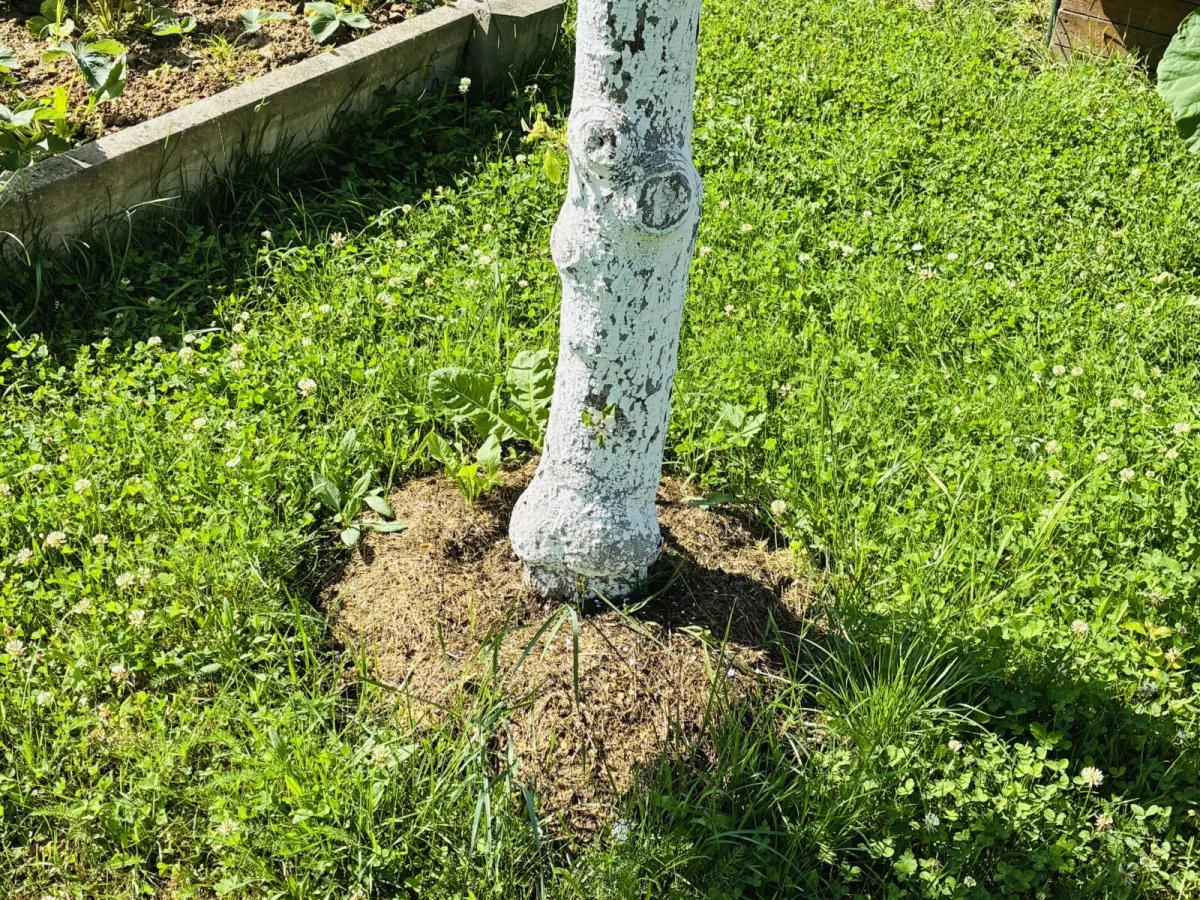
One of the most effective measures is mulching correctly. Organic mulch, such as wood chips or shredded leaves, helps the soil maintain a more stable temperature and manage moisture better. This means the root system is less exposed to sharp weather fluctuations, which are very common in winter.
Spread mulch around the plant in a sensible layer, but don’t pile it directly against the trunk or tight to the stems. If material builds up too close to the plant, it can encourage rot or create a good hiding place for pests. Mulch should protect, not smother.
Give enough water before the first hard frosts
Many people assume plants hardly need water in winter. In reality, trees and shrubs lose moisture even in cold weather, especially evergreens. That’s why it’s important to water thoroughly before the soil freezes solid. This creates a reserve the plant can draw on through winter.
Water less often but deeply, so moisture reaches the roots at depth. At the same time, keep it balanced. Waterlogged soil can damage roots and encourage rot. The goal is even moisture, not permanently wet conditions.
Prune with safety and plant health in mind
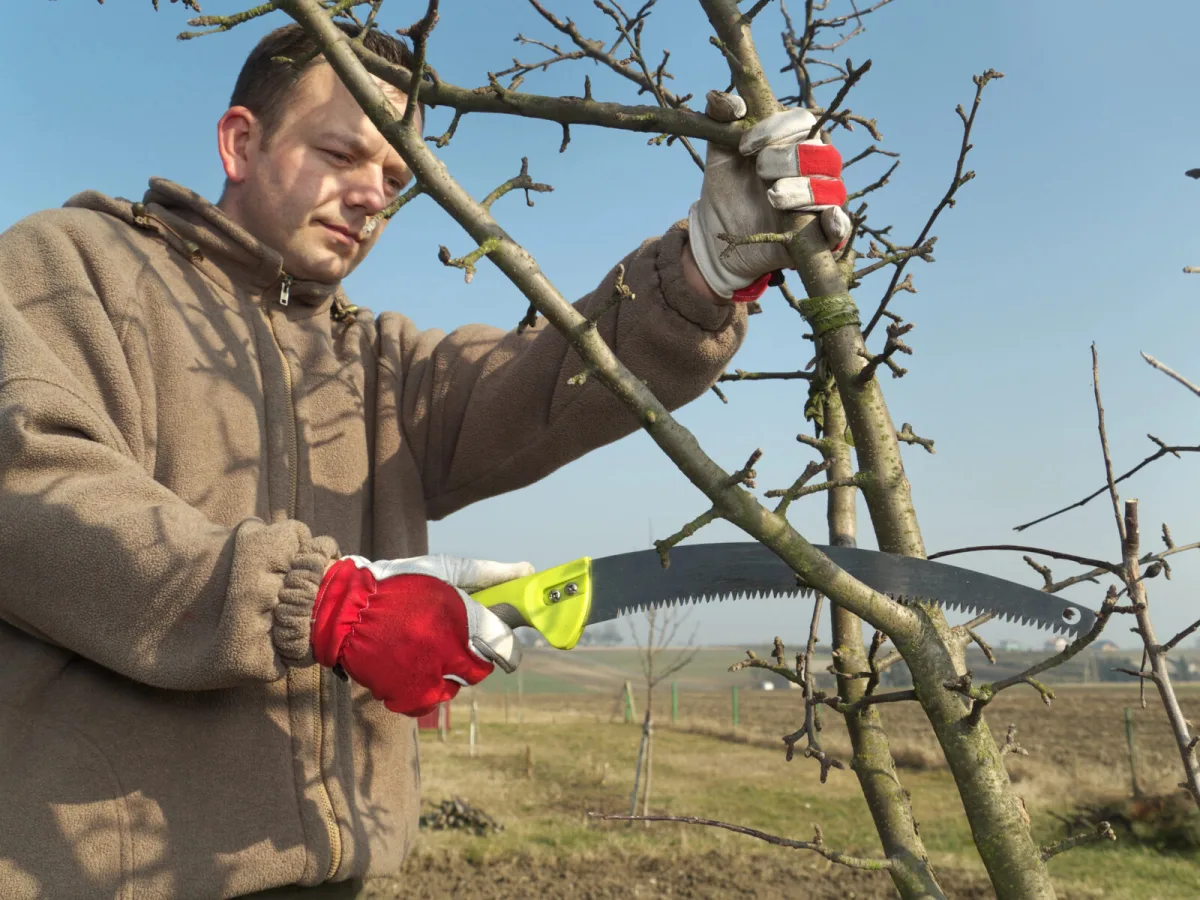
Autumn or early-winter pruning makes sense when it’s done thoughtfully. Weak, cracked, or crossing branches are a risk in winter because wind, ice, and heavy snow can damage them easily. Removing these helps strengthen the overall structure and reduces the likelihood of major breakage.
Pruning also improves airflow through the branches, which limits conditions for fungal diseases. However, it’s not wise to cut back too hard. If you remove a large portion of foliage or shoots at once, you can weaken the plant unnecessarily. It’s best to keep most of the canopy intact and focus only on problem areas.
Protection from winter sun and wind
Frost isn’t the only winter hazard. Bright sun and strong winds can dry plants out, especially young woody plants and evergreen shrubs. When roots in frozen soil can’t take up water easily, leaves and needles still lose moisture. The result can be drying and scorch.
More sensitive plants can be protected with a suitable wrap, such as burlap or specialist winter fleece. This layer helps soften the effects of wind and harsh sun and reduces drying during the hardest part of the year.
How to prevent damage from wildlife and rodents
In winter, natural food is scarce, so deer, rabbits, and small rodents often turn their attention to ornamental plants in gardens. Browsing on shoots and bark damage can cause serious problems for young trees, sometimes irreversible.
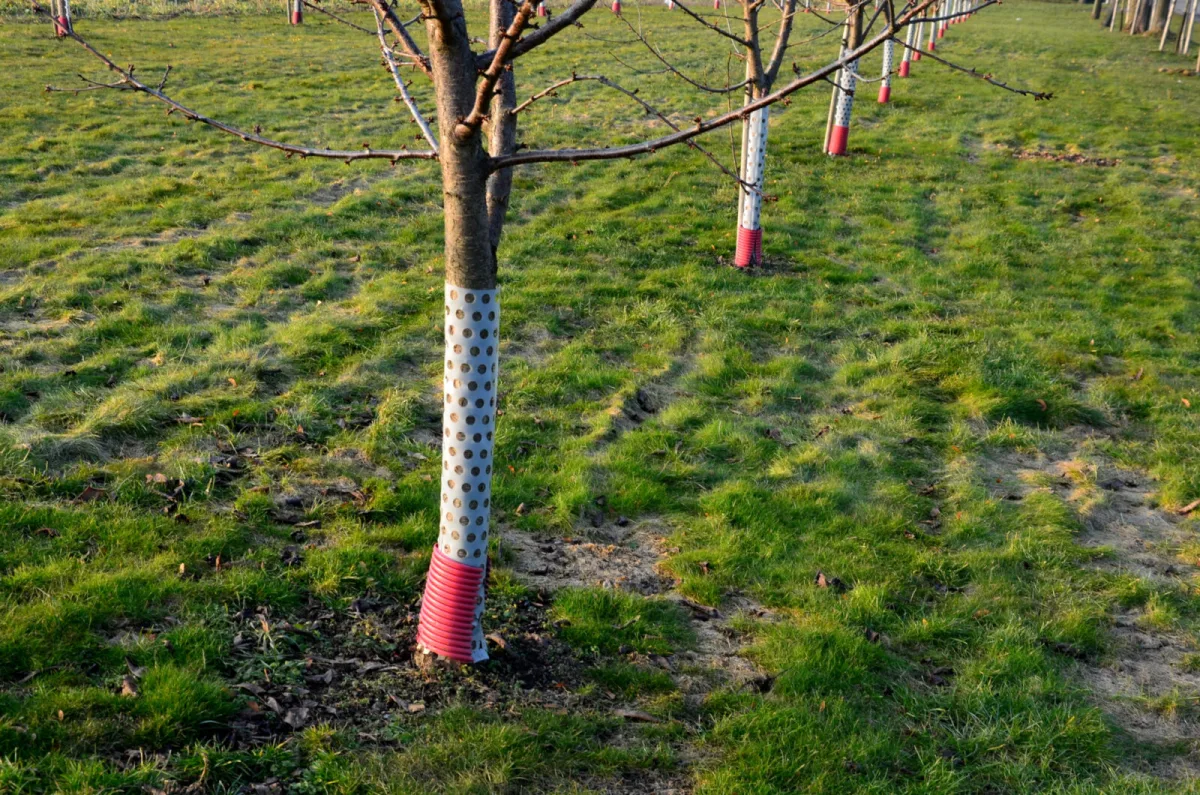
Effective prevention includes protective barriers, fencing, or trunk guards. You can wrap the trunk with sturdy mesh or a plastic guard to prevent bark being gnawed. In areas with frequent wildlife activity, it’s worth taking protection seriously, because damage is often only noticed when it’s already too late.
Don’t underestimate snow and ice
A heavy layer of wet snow or an ice crust can put a lot of strain on branches. They can bend, split, or become permanently deformed. This affects not only shrubs but also smaller trees with dense crowns. If heavy snow accumulates on plants, it’s best to remove it carefully.
Do it gently, ideally by brushing it off or lightly tapping with a suitable tool. Rough handling can cause more damage than the snow itself. The aim is to take weight off the branches, not injure them mechanically.
Anti-desiccant products can also help
For some woody plants, especially broadleaf evergreens, you can also use anti-desiccant sprays to reduce excessive moisture loss. These products form a fine film on the leaves that limits water loss through winter. They’re typically applied in late autumn, following the manufacturer’s instructions.
This isn’t a universal solution for every plant, but in certain situations it can be very useful. It tends to help most where winters are windy and sunny and the ground frequently freezes to a greater depth.
Winter preparation as an investment in spring growth
Preparing trees and shrubs for winter isn’t unnecessary extra work, but an important step for long-term health. When you combine a health check, tidying up, mulching, proper watering, gentle pruning, and protection from weather and pests, you greatly increase the chances that your woody plants will get through winter without major problems.
It’s also worth remembering that each species can have slightly different needs. Some plants cope with frost very well, while others require more care. Take the characteristics of the particular trees and shrubs in your garden into account. With sensible preparation and timely action, your planting can stay strong and resilient and look fresh and healthy again in spring.
Source: Arbor Day, Lakeside Garden Gallery , Pestrazahrada.cz
Related articles
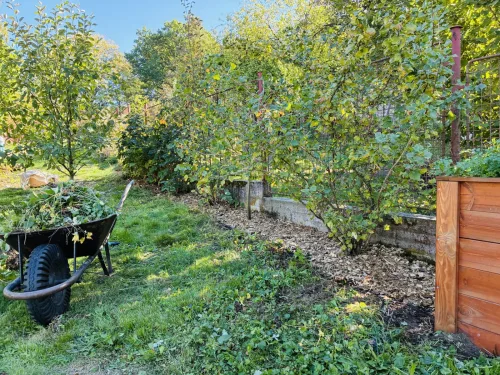
Raspberries, blueberries and elder need a different approach in autumn
Autumn is just as important for small fruit as spring and summer, but pruning at the wrong time can weaken plants before winter. Learn what to cut now and what to leave for late winter or early spring to protect next year’s crop.
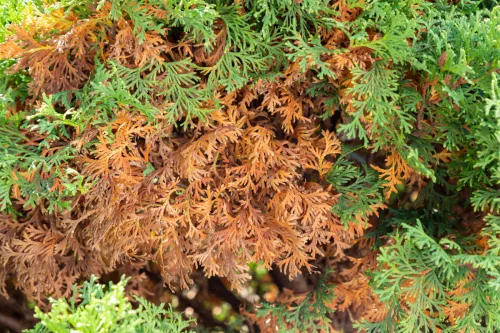
Thuja hedges turning brown inside or out: the small detail that decides their fate
This summer’s heat and drought have hit thuja hedges hard, and browning is often the first sign of stress in the root zone. Learn when it’s normal shedding and when it’s time to adjust care or consider a tougher replacement.

Gardeners revealed a proven way to wipe out slugs and their offspring right now
Autumn rains bring slugs back into beds and kick-start breeding. A quick two-step October routine can reduce both adults and eggs, making spring damage far less likely.
Comments (0)
Be the first to comment.