
 English
  Polski
  Deutsch
  Nederlands
  Svenska
  Norsk
Norsk  Dansk
Dansk  Français
  Italiano
  Español
  Português
  Slovenčina
  Suomi
Suomi  Gaeilge
 One wrong move after flowering and your hibiscus will stop blooming
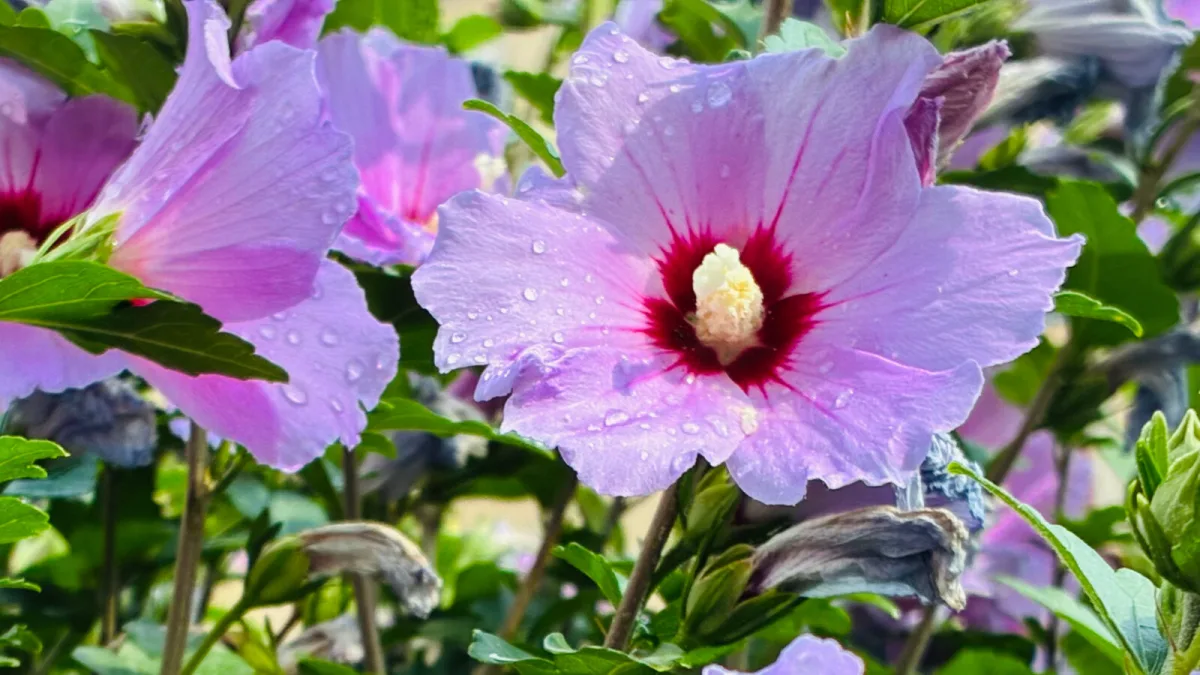
Hibiscus is one of those plants that wins people over with its bold, oversized flowers. But once the main flush begins to fade and seed pods appear where the blooms were, an important question comes up. Is it worth removing them, or should you leave them on the plant? There isn’t one universally “right” answer, because it mostly depends on what you want to achieve when growing it.
Seed pods are a natural part of the plant’s life cycle. Inside, seeds ripen that can produce a new generation of hibiscus. From nature’s point of view, that’s the whole goal of the season. For gardeners, though, long-lasting, abundant flowering may be the priority. This is exactly where the decision of what to do after flowering matters.
First, be clear about what you want from your hibiscus
After flowering, hibiscus enters a phase where it focuses its energy either on making more flowers or on ripening seed. Those two directions often work against each other. If the plant starts feeding seed pods, it uses up a significant portion of its energy. That means new flowers may form less readily or in smaller numbers.
If your main aim is for the shrub to keep decorating your garden or balcony with as many blooms as possible for as long as possible, it’s best to remove spent flowers regularly. But if you want to collect seed for sowing and raise new plants, leave the pods in place and give them time to mature.
You want more flowers
If you’re hoping for continued flowering, regularly removing faded blooms is very helpful. The plant won’t switch its energy into seed development and will stay focused longer on forming new buds. You could say you’re gently guiding it to remain in its ornamental phase instead of wrapping up the season too early.
This approach is especially useful for hibiscus grown primarily for display. Flowers stay the main attraction, and the shrub can look fresher and fuller for longer. Ongoing deadheading also keeps the plant looking neat and helps prevent it from taking on a tired, spent appearance.
You want to propagate your hibiscus
If your goal is to collect your own seed, it’s best to let the plant do its job naturally. Don’t remove the seed pods after flowering—wait until they fully mature. At that point, hibiscus will put most of its energy into seed development, so it’s normal that new flowers won’t appear as readily as before.
But that doesn’t have to be a downside. Your reward can be seed for new plants—ones you can add to a border, plant in another corner of the garden, or share with others. For a grower who wants to expand their hibiscus collection, the pods are more valuable than another brief spell of bloom.
When is the right time to harvest seeds
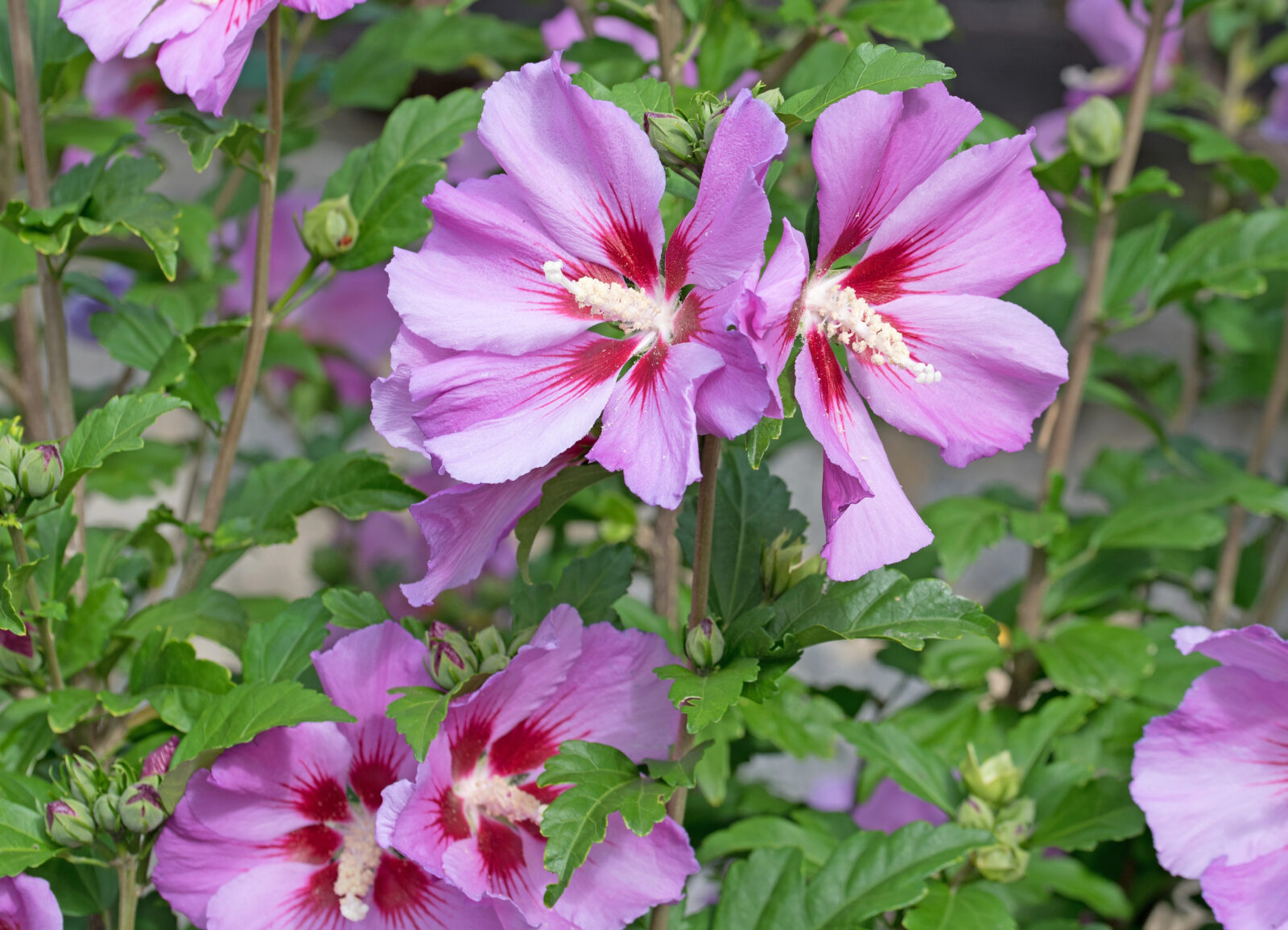
Seed pods shouldn’t be removed either too early or too late. At first they’re green, but gradually they turn brown and begin to dry out. That’s when the right moment for harvest is approaching. If you wait too long, the pods can split open at the tips and the seeds will spill out.
As soon as you see the pod has dried and is fully mature, it makes sense to carefully snap it off and store the seeds. Timing is key. Harvest too early and you may end up with immature seed; harvest too late and you risk losing it.
One plant, two possible outcomes
In this way, hibiscus gives the grower a simple choice. Either you encourage further flowering by regularly removing anything that’s heading toward seed formation, or you let the plant complete its natural reproductive cycle. Neither route is wrong. Each one simply leads to a different result.
If you want flowers, remove the spent parts. If you want seed, leave the pods until they are fully ripe.
So the decision mainly comes down to your intention. Some people prefer the longest possible wave of blooms, while others are happy to wait for seed and the chance to raise new shrubs. Hibiscus can handle both roles—it just needs to know where to direct its energy.
Source: Nature & Garden, The Spruce, Pestrazahrada.cz

A lover of nature, gardens, and everything that moves, blooms, or grows. He literally grows everything, from herbs to rare species, and he enjoys caring for animals just as much. In his work, he connects modern technology with tried-and-tested grandmotherly methods and is happy when both paths lead to the same goal.
Related articles
Don’t Cover Strawberry Plants Too Early Experienced Growers Wait for a Signal from the Leaves
Strawberries need a period of winter chill, but their crowns must be protected from deep freezing, thawing cycles and drought. Time your clean-up, feeding and mulching correctly so plants come through winter strong and crop well in spring.
Geraniums Bloom Even in December With the Right Spot Indoors and a Small Additive in the Water
Wondering what to do with geraniums once the season ends? With a bright, warm windowsill and a simple trick in the watering can, they can keep flowering well into December and overwinter successfully for next year.
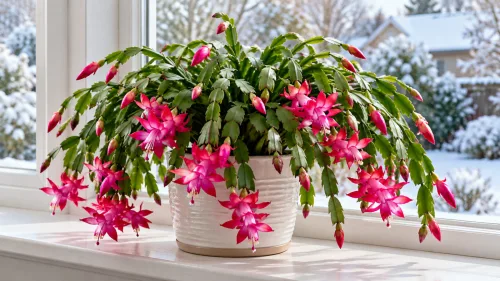
Christmas Cactus Can Bloom All Winter and Set New Buds with a Simple Grower Trick
A Christmas cactus can flower for weeks and keep forming fresh buds through winter when it gets the right care and a gentle boost of nutrition. These simple homemade feeds can help encourage blooming without expensive products.
Comments (0)
Be the first to comment.