
 English
  Polski
  Deutsch
  Nederlands
  Svenska
  Norsk
Norsk  Dansk
Dansk  Français
  Italiano
  Español
  Português
  Slovenčina
  Suomi
Suomi  Gaeilge
 Gardeners revealed a proven way to wipe out slugs and their offspring right now
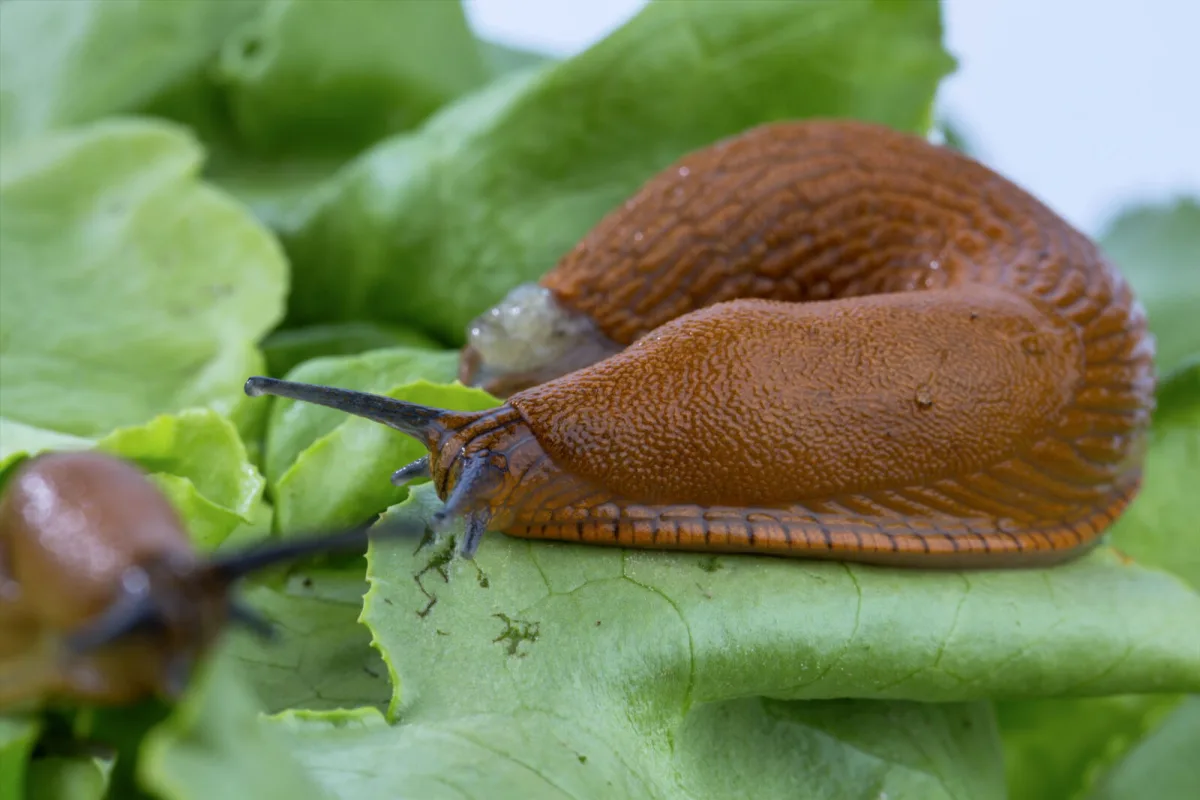
Autumn rain brings slugs back into the beds after their summer lull and, at the same time, triggers breeding. That is precisely the big advantage for gardeners. In October you can act not only against adult slugs that are emerging again in search of food, but also against eggs hidden in the top layer of soil. Anyone who uses this short window can make springtime battles over lettuce, strawberries, and ornamental plants noticeably easier.
Expert recommendations agree that a very effective approach is a simple combination of two steps. First, remove damp hiding places around the bed, and then turn over the topsoil to a depth of about 10 to 15 cm. Every slug you manage to eliminate in autumn can mean significantly fewer offspring next season.
Why spring control is much more difficult
In spring, tiny young slugs hatch and disappear into plant growth more easily than adults. They are harder to spot, move quickly, and often slip past both your notice and ordinary baits. Summer also allows part of the population to sit out the heat deeper in the soil or in cooler cavities that you simply never reach during routine garden work.
That is why October is the most favourable time. After rain, slugs are active and the eggs are still close to the surface. One thorough intervention can therefore have a much greater effect than repeated spring skirmishes.
Where to look for slugs and their egg clusters
Pay the most attention to damp, shaded spots close to the bed, roughly within 1 to 3 m. Slugs usually stay near their food source, so it is worth checking anything that stays cool and moist during the day.
Typical hiding places include boards, old paving slabs, plant pots, stones, or heaps of rotting leaves. They also find ideal conditions in mulch, in soil cracks, and around plant debris where moisture lingers. This is exactly where they often lay eggs.
The eggs look like tiny translucent beads with a whitish to yellowish tint. They are usually laid in clusters and are hidden shallowly under the surface, often just a few centimetres down. They most commonly show up in loose, moist soil, under wood, or in small cavities along the edges of beds.
How to do it in one morning
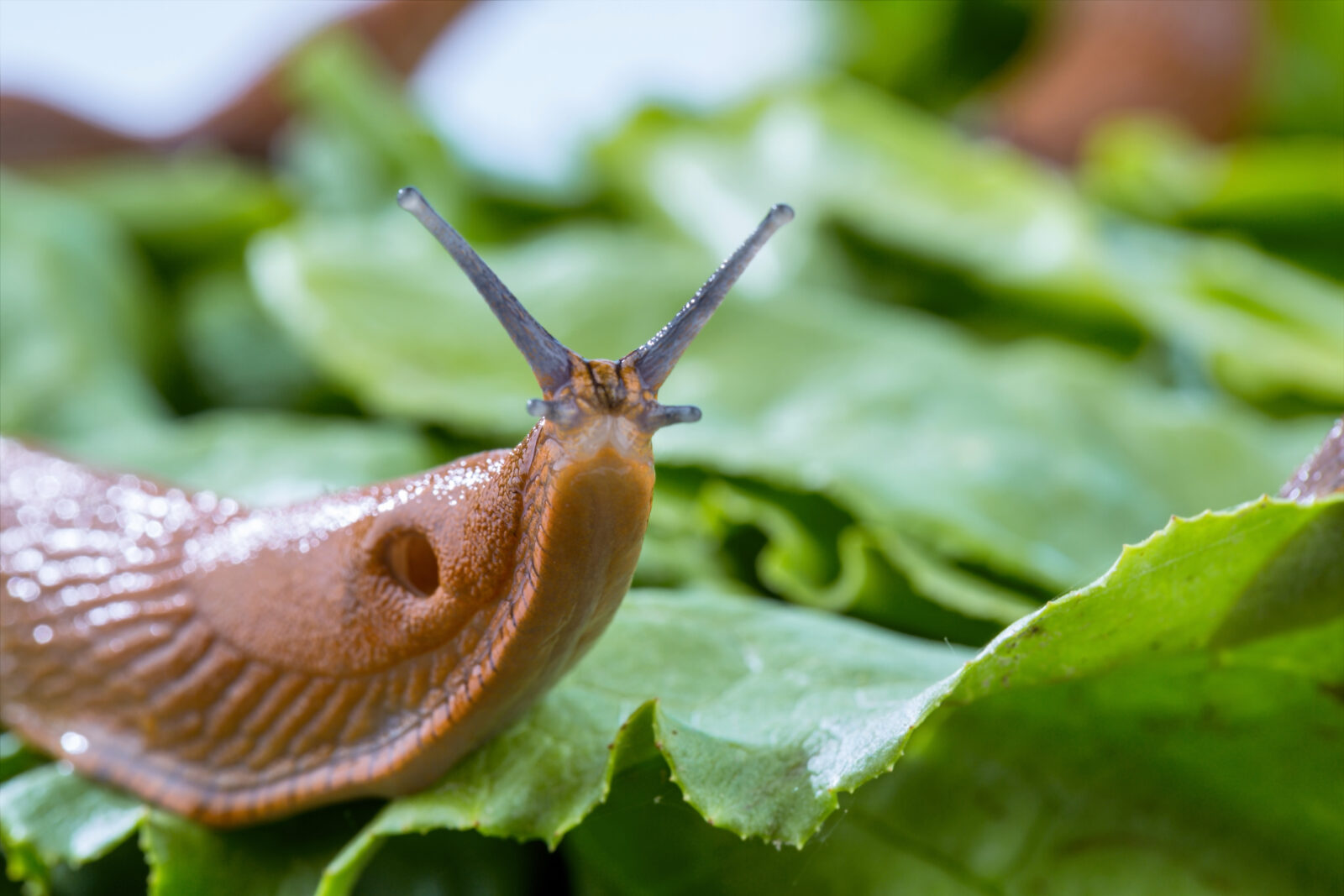
The best conditions come after a rainy night. The evening before, you can lay boards, pieces of cardboard, or other flat items around the bed for slugs to crawl under overnight. In the morning, you can then make the rounds of these traps and hand-pick all the hidden individuals.
Next, clear away anything nearby that holds moisture. Fallen leaves, excess mulch, and heaps of plant waste create ideal places for the population to keep developing. Then comes the digging itself. When the soil is turned to a depth of 10 to 15 cm, the eggs are brought to the surface, where they dry out more easily or get eaten by birds.
It is important not to cover the bed again with a thick layer of damp material. A bare surface exposed to cold, sun, and later frost increases the chances that the eggs will not survive.
What does not work as well as people claim
Many gardeners rely on various home remedies, such as copper tape, crushed eggshells, sharp grit, or wool pellets. In practice, however, their effect is rarely strong or reliable. Far better results come from straightforward mechanical work: collecting slugs, removing hiding places, and turning the soil in autumn.
When to act depending on your area
Timing depends on the weather and local conditions. Slug activity drops noticeably when night temperatures are around 0 °C, and after the first frost they tend to return to the surface only after several days. In higher, colder areas, it therefore makes sense to act in the first half of October. In warmer lowlands or in towns, the window is longer and you can often get the job done at the end of the month, sometimes even in early November.
How to tell the effort worked
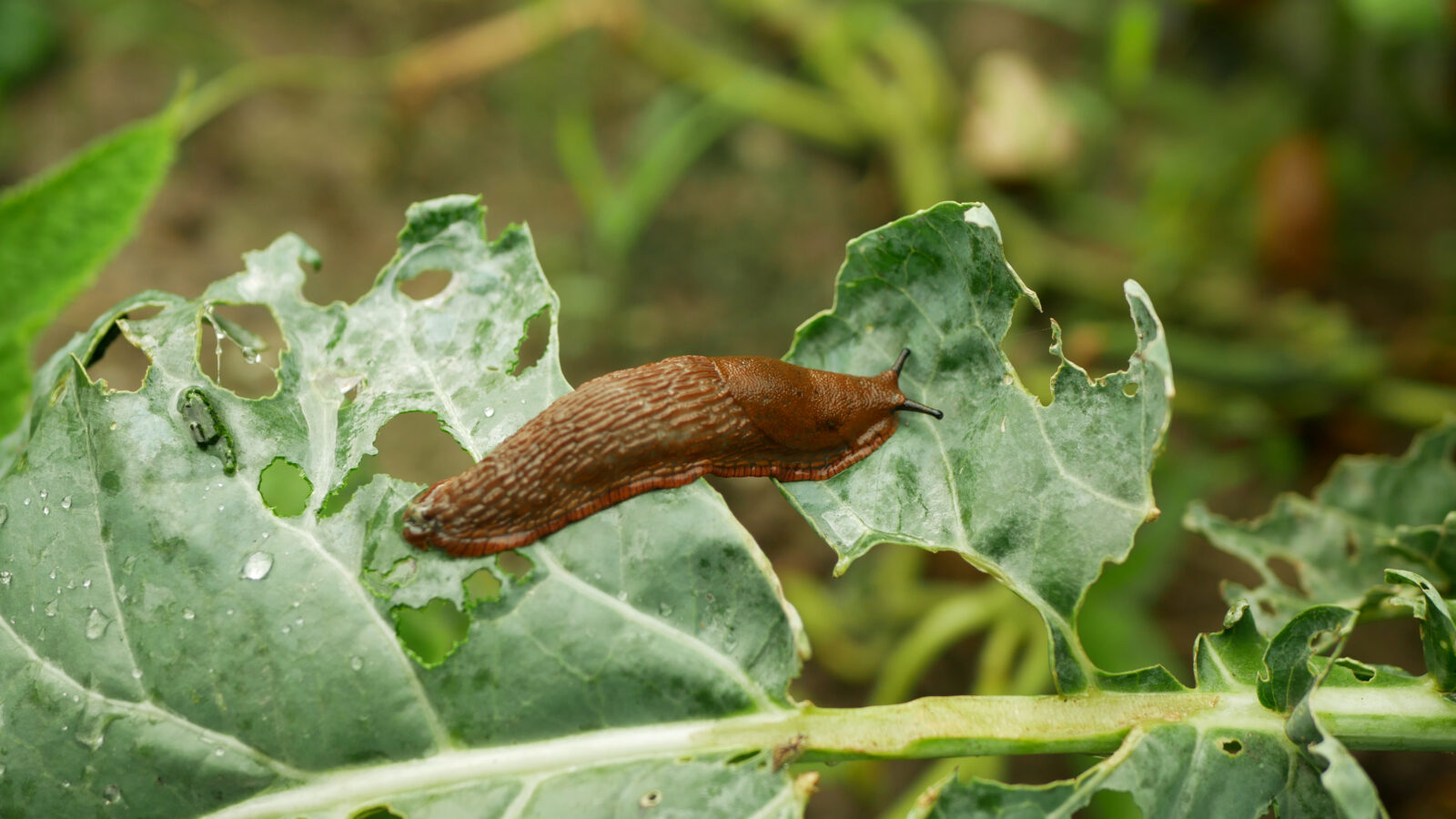
A one-off check is not enough, because some slugs will stay hidden. It is better to put traps out repeatedly over two or three damp nights and watch how many appear underneath. If you find only a minimum of slugs, see no fresh slime trails, and do not come across clusters of eggs when you lightly scratch the soil, it means the autumn intervention had a good effect.
Natural slug predators can help too. It is worth leaving space in the garden for hedgehogs, frogs, or ground beetles. If you do need to use bait, gentler options are products based on ferric phosphate, which pose less risk to pets than some older chemical treatments.
One autumn dig and a thorough tidy-up around the bed can reduce spring slug invasions far more than a string of popular but low-impact tricks.
Source: GrowVeg, Gardener’s World, The Guardian, Pestrazahrada.cz

A lover of nature, gardens, and everything that moves, blooms, or grows. He literally grows everything, from herbs to rare species, and he enjoys caring for animals just as much. In his work, he connects modern technology with tried-and-tested grandmotherly methods and is happy when both paths lead to the same goal.
Related articles
Raspberries, blueberries and elder need a different approach in autumn
Autumn is just as important for small fruit as spring and summer, but pruning at the wrong time can weaken plants before winter. Learn what to cut now and what to leave for late winter or early spring to protect next year’s crop.
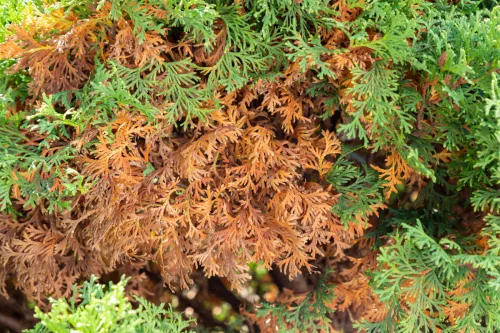
Thuja hedges turning brown inside or out: the small detail that decides their fate
This summer’s heat and drought have hit thuja hedges hard, and browning is often the first sign of stress in the root zone. Learn when it’s normal shedding and when it’s time to adjust care or consider a tougher replacement.
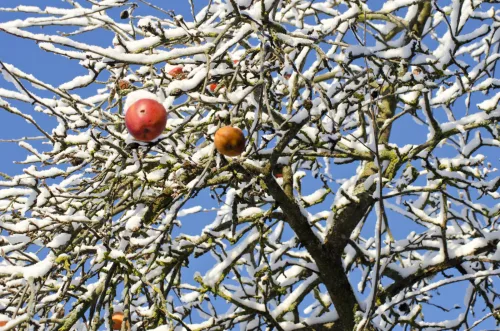
How to Prepare Trees and Shrubs for Winter to Keep Them Strong and Healthy
Winter can be tough on garden trees and shrubs, from frost and drying winds to snow load and rapid temperature swings. With a few timely steps in autumn, you can boost resilience and reduce damage that’s hard to fix in spring.
Comments (0)
Be the first to comment.