
 English
  Polski
  Deutsch
  Nederlands
  Svenska
  Norsk
Norsk  Dansk
Dansk  Français
  Italiano
  Español
  Português
  Slovenčina
  Suomi
Suomi  Gaeilge
 Fighting moles tempts you into a quick fix that can put you on the wrong side of the law
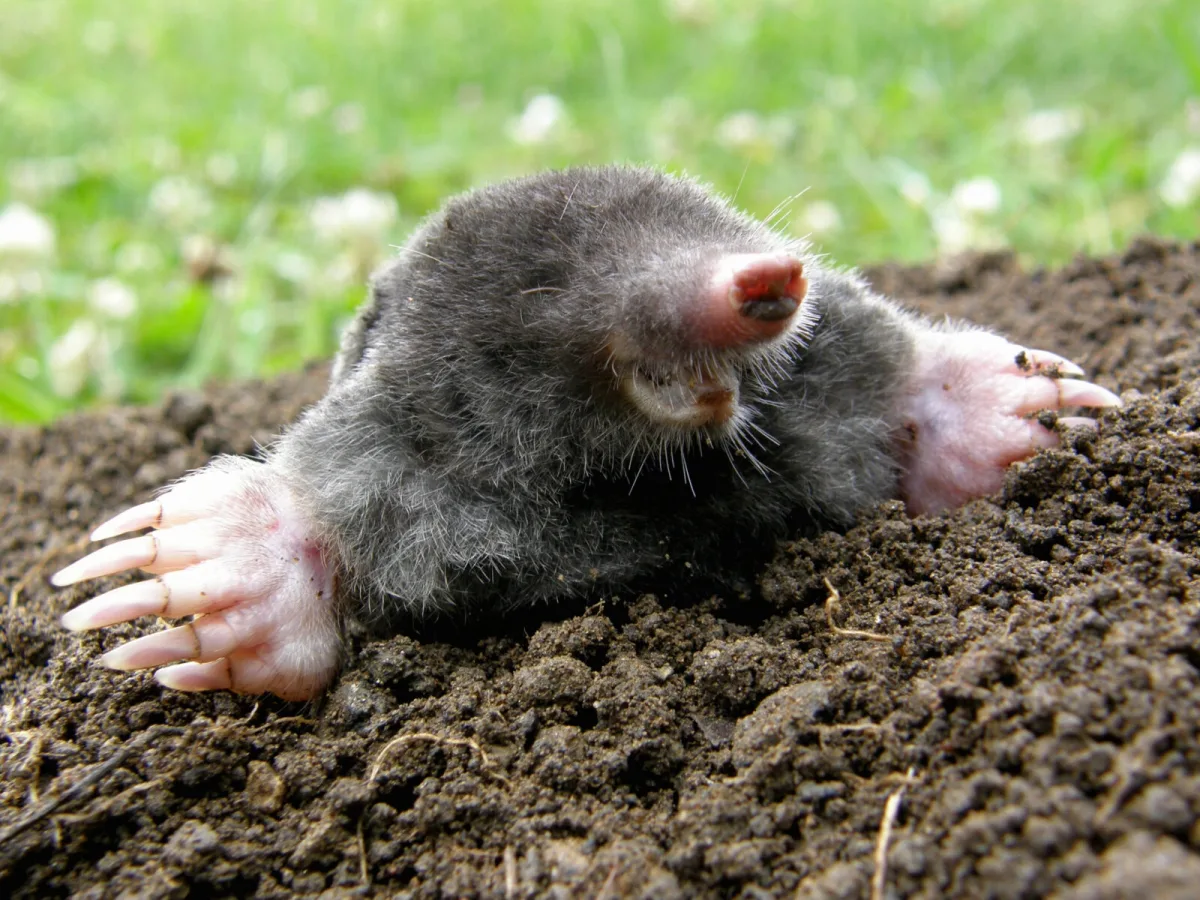
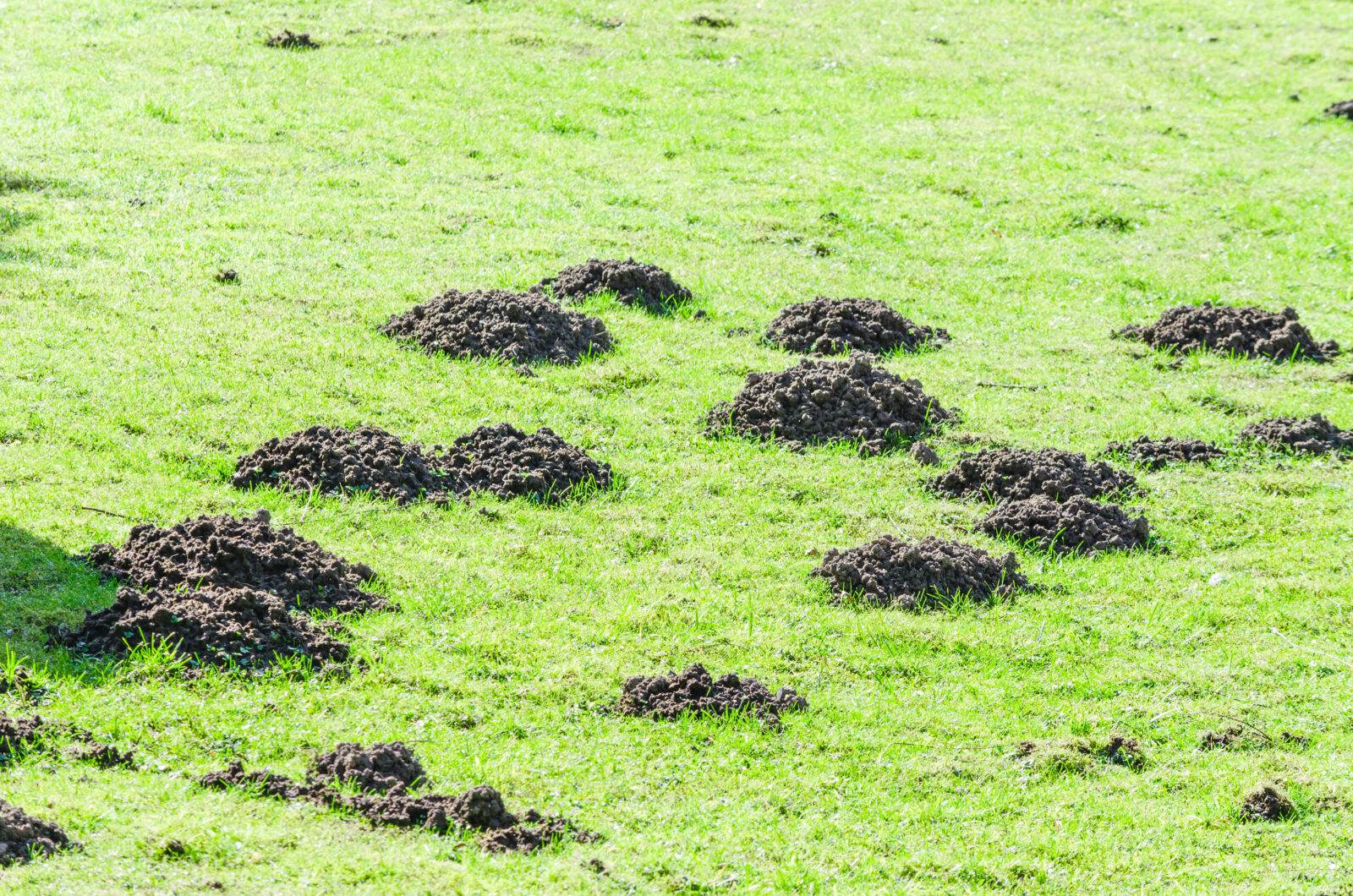
A mole in the garden gives itself away mainly by molehills, the little piles of finely sifted soil that often pop up right in the middle of the lawn. Just below the surface you may also spot shallow runs that collapse easily when you step on them. The freshest signs are usually in spring and autumn, when the soil is softer and the animal can move through it more easily.
Unlike voles, moles don’t usually leave open entrances to their burrows. Their tunnel system is sealed, and the soil is pushed up to the surface in the form of molehills. They are most active in the morning and evening, but may dig at irregular intervals during the day as well.
Mole or vole the difference is crucial
Mixing up these two animals is very common, yet it’s important to know which one is actually at work in your garden. A mole has dark, velvety fur, an elongated body, almost invisible ears, and powerful front paws adapted for digging. A vole is a small rodent with brownish fur, visible eyes, and shorter ears.
The type of damage matters too. A mole doesn’t eat plants. It feeds on earthworms, larvae, and other small animal prey. So if roots, tubers, or whole seedlings are disappearing from a bed, the culprit is more likely a vole. If, on the other hand, there are more and more soil mounds without obvious gnawing on plants, it’s usually a mole.
Why moles are most noticeable in autumn
Autumn is the time when mole activity typically increases. Before winter, the animal expands its underground network and prepares food reserves. That’s why the lawn often shows the highest number of new molehills then. It can look as if more individuals have moved in, but it’s often just one solitary resident extending its territory.
What is allowed against moles and what isn’t
The European mole is a specially protected species. That means you can’t kill it, poison it, or use traps designed to kill. The only acceptable route is to drive it away, make the site unpleasant for it, or catch it in a humane live trap and relocate it onto your own land or to another location only with the landowner’s permission.
The most effective methods are those that make the mole move elsewhere, not attempts to eliminate it.
Which repellents work best
Vibrating repellents pushed into the soil often produce good results. They send tremors through the ground that make the area uncomfortable for a mole. One device is rarely enough, though, because the animal will simply shift to a quieter part of the garden. Better results come from placing several units around the perimeter or around the area you want to protect.
Scent-based repellents in the form of granules or liquids can also be used. Their effect lies in disrupting the mole’s sensitive comfort zone and prompting it to look for a more suitable place. After rain, however, you need to reapply them. Simple rattling pinwheels tend to have only a limited effect, because moles quickly get used to monotonous stimuli.
How to protect the lawn and beds without unnecessary damage
First, it helps to identify where the most active runs are and where molehills appear repeatedly. Then it makes sense to place repellents in exactly those spots and along the edges of the most valuable parts of the garden. It’s a good idea to keep levelling molehills as you go, so they don’t form bumps and become a place for weeds to establish.
If you mainly want to protect a bed or a greenhouse, a very reliable solution is an underground barrier made from fine mesh. It should be set about 40 to 50 cm deep. The mole will usually bypass the protected area, because it travels close to the surface and will hit the obstacle.
Where damage is mostly in the lawn, a combination of vibrating stakes around the perimeter and regular levelling of the soil mounds can help. Frequent activity on the surface along with vibrations can be enough to make the animal move elsewhere, without needing to disturb your beds.
Does a mole bring any benefit to the garden
Although it can spoil the look of a meticulously kept lawn, it isn’t only a pest. It hunts insect larvae and other small soil-dwelling creatures. At the same time, its digging aerates the soil. The issue, then, isn’t that it eats plants directly, but that it disrupts the surface and can indirectly damage roots when it creates its runs.
What to do when molehills appear across the whole garden
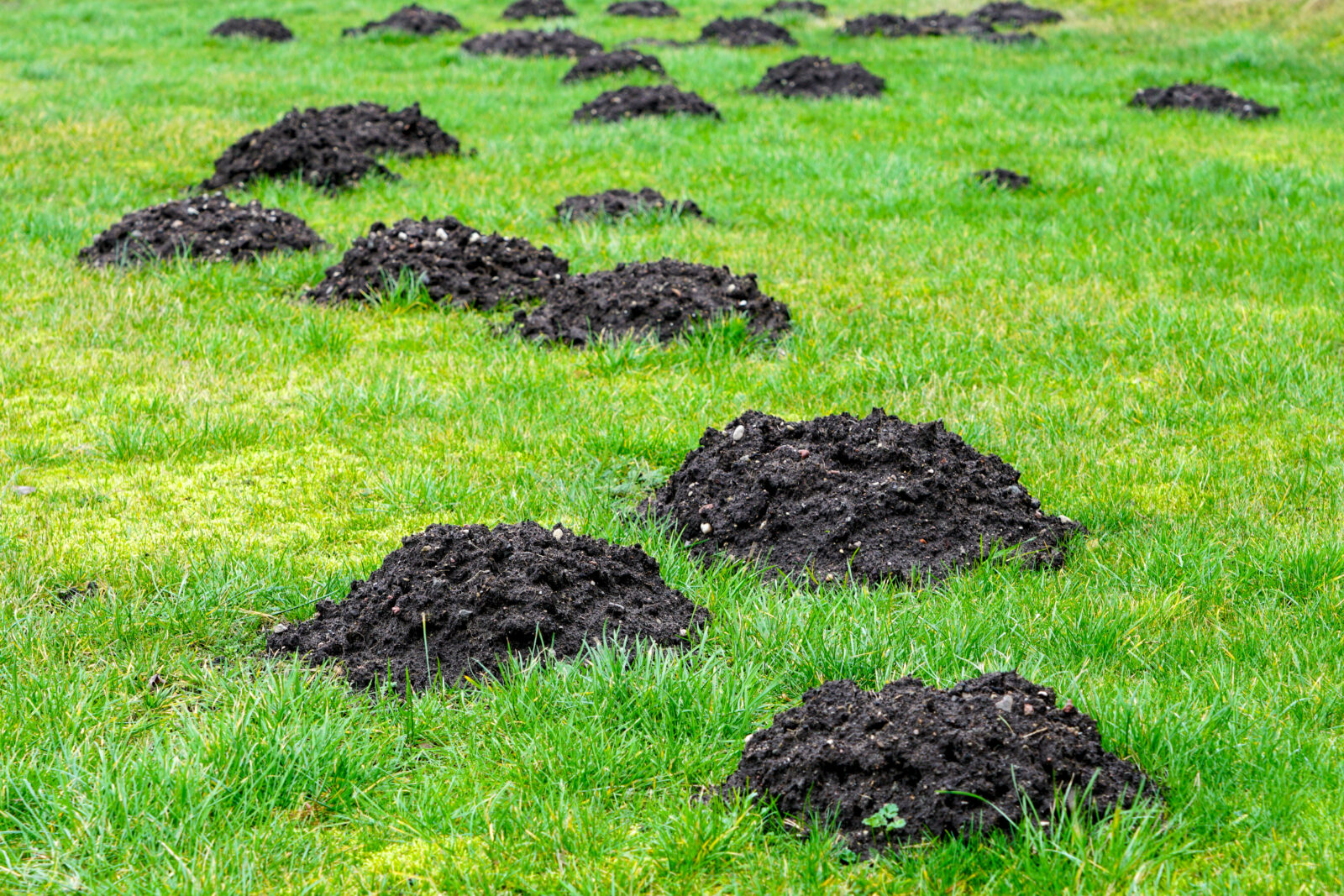
If there are many fresh mounds and the runs stretch across a large part of the plot, the most sensible approach is to combine several methods at once. Use both vibrating and scent-based repellents, and protect the most valuable areas with an underground barrier. If things don’t improve over time, you can contact a specialist company that will choose a gentle, lawful procedure.
Patience is the key to success. A mole often won’t leave after the first intervention. But if the environment remains uncomfortable long-term and it also meets obstacles when trying to reach beds, it will usually seek out a quieter place away from the most valuable part of the garden.
Source: Gardening Know How, Almanac, Zákony pro lidi, MZP, Pestrazahrada.cz

A lover of nature, gardens, and everything that moves, blooms, or grows. He literally grows everything, from herbs to rare species, and he enjoys caring for animals just as much. In his work, he connects modern technology with tried-and-tested grandmotherly methods and is happy when both paths lead to the same goal.
Related articles
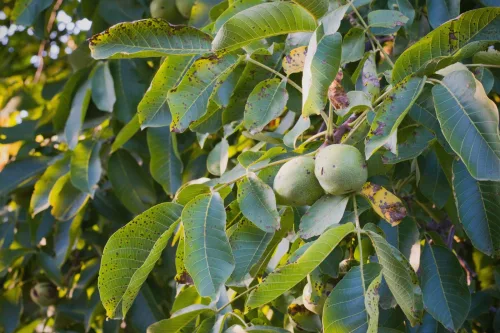
Why the Tree That Feeds a Family for Generations Is Disappearing from Czech Gardens
The English walnut used to be a staple of larger gardens and farmyards, valued for its nutritious nuts and many practical uses. With the right site and variety, it remains one of the most rewarding long-lived trees you can plant.
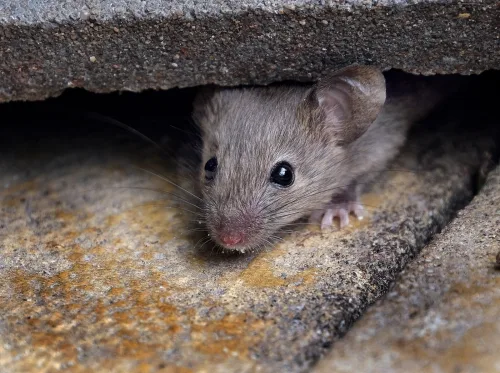
How to Get Rid of Mice and Rats in the House, Loft and Garden Effectively
Mice and rats don’t leave quietly—scratching sounds, droppings and gnaw marks are clear warnings. A lasting solution comes down to three steps: block entry points, remove food sources, then use traps or professional control.

Two Mistakes When Harvesting Onions Can Cut Your Supply by Months
With good growing and the right handling, onions can turn into a near year-round pantry staple. These simple harvest and curing steps determine whether they keep for weeks or for months.
Comments (0)
Be the first to comment.