
 English
  Polski
  Deutsch
  Nederlands
  Svenska
  Norsk
Norsk  Dansk
Dansk  Français
  Italiano
  Español
  Português
  Slovenčina
  Suomi
Suomi  Gaeilge
 Thuja hedges turning brown inside or out: the small detail that decides their fate
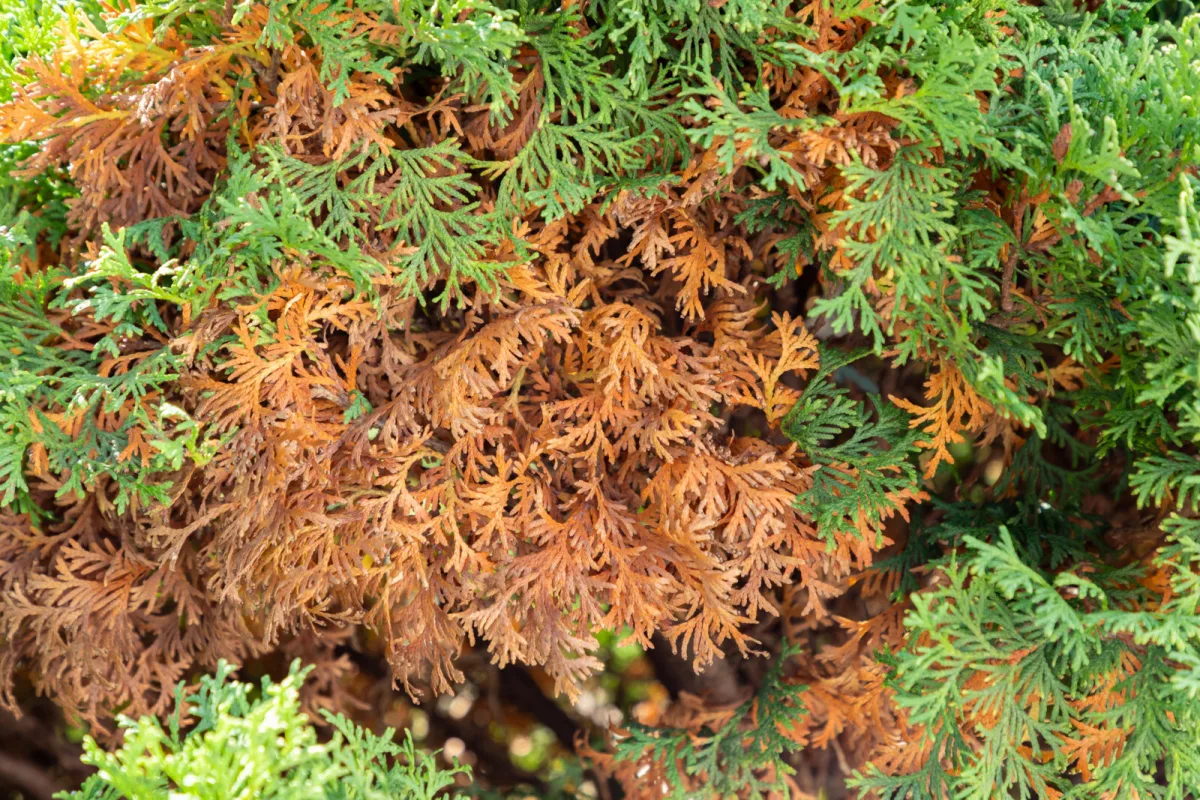
This summer has been hard on gardens across the Czech Republic, and it has shown up very quickly in thuja hedges. In many streets you can now see bands of arborvitae with a yellowed or brown interior, and in some places even completely dead patches. The main problem is hidden in the soil. Thujas have a mostly shallow root system, often only as deep as the layer that dries out first during prolonged heat and a lack of rainfall. The plant then can’t keep the canopy supplied with water and begins to weaken.
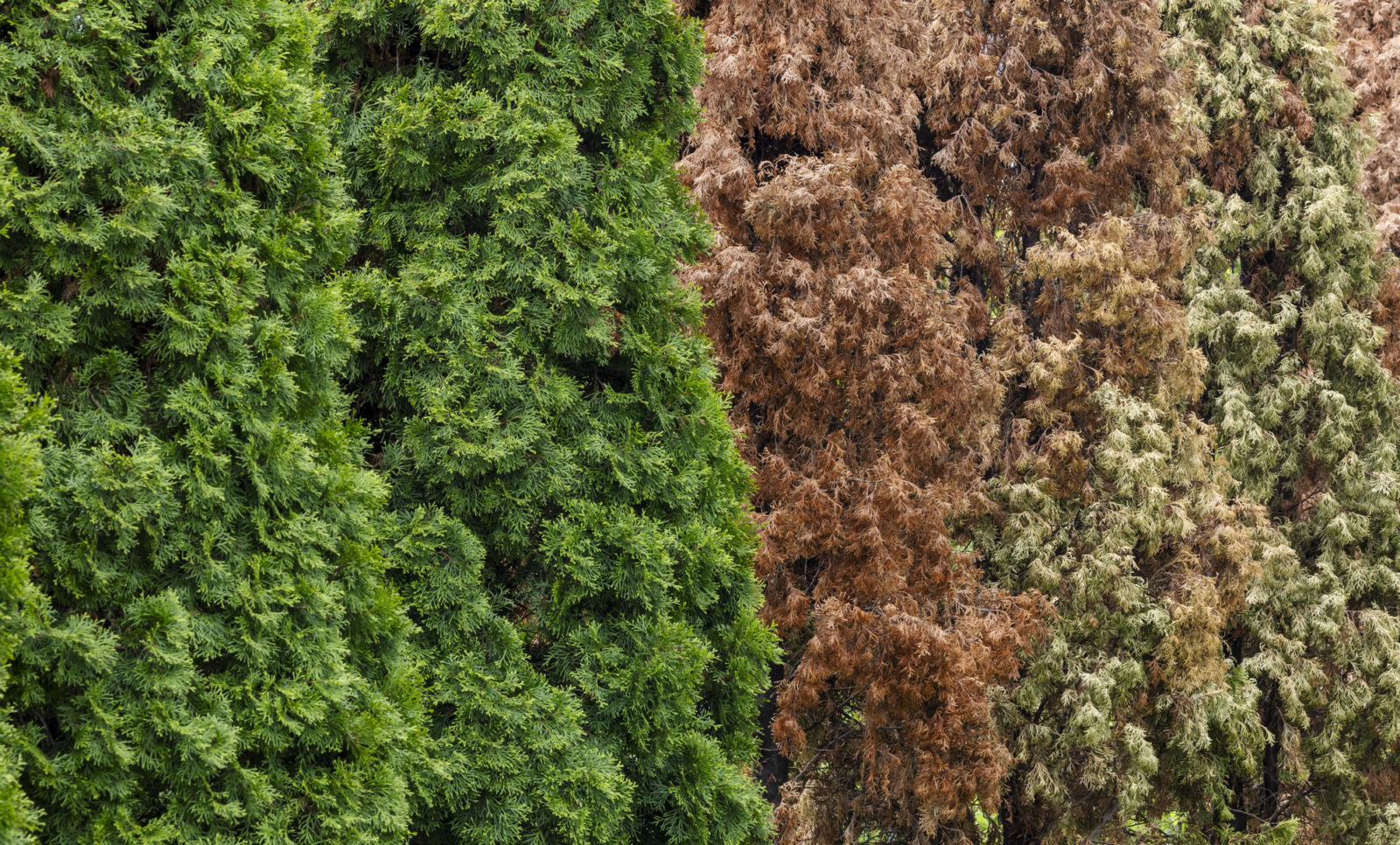
Older twigs inside the plant die first; later the hedge becomes see-through, loses density and resilience. Weakened evergreens also become an easier target for diseases and pests. That is exactly why more and more garden owners are looking for species that can get through a Czech summer with fewer losses.
When browning is still normal and when it’s a warning sign
Not every bit of browning means the hedge is lost. With thujas it’s normal for older, shaded shoots inside the shrub to decline over time. In a dry year this is more pronounced, and in spring it may partly recover with new growth. But if the damage is more extensive, it’s time to pay attention.
More serious signals include brown tips on this year’s growth, dieback of an entire side of the shrub, or browning that progresses from the outside inward. In that case it may not be drought alone, but also winter injury, salt damage, an unsuitable site, a fungal infection, or pest attack. Hot, dry seasons amplify the whole issue, but on their own they are rarely the only cause.
An old hedge can’t cope with water on its own anymore
For a long time, people believed that once thujas were established, they would manage with almost no care. In recent years that has stopped being true. Even older hedges now often need regular watering through summer, otherwise their condition drops quickly. A layer of mulch is also important; it helps hold moisture in the root zone and reduces soil overheating.
How the hedge was clipped in the past also plays a big role. If pruning was taken too far back into old wood, thujas often can’t reliably fill in those damaged areas again. That is one of the main reasons why renovation tends to be more difficult with them than with deciduous alternatives.
What can replace thujas in a typical Czech garden
The range of replacements today is much broader than it used to be. Very often people consider hornbeam, cherry laurel, firethorn, or photinia ‘Red Robin’. Each of these woody plants has different strengths. Cherry laurel quickly forms an evergreen screen and also flowers in spring. Firethorn offers strong growth and better drought tolerance, but it comes with thorns. Photinia is ornamental thanks to its red new growth, but in cooler areas it can suffer from frost.
Hornbeam is often a very sensible choice. It isn’t evergreen, but it frequently holds its dry leaves through winter, so the hedge still provides privacy and shelter. It also tolerates deeper corrective cuts better, copes with hot summers more calmly once established, and generally forgives more growing mistakes than arborvitae.
When it’s worth saving thujas and when to plan a replacement
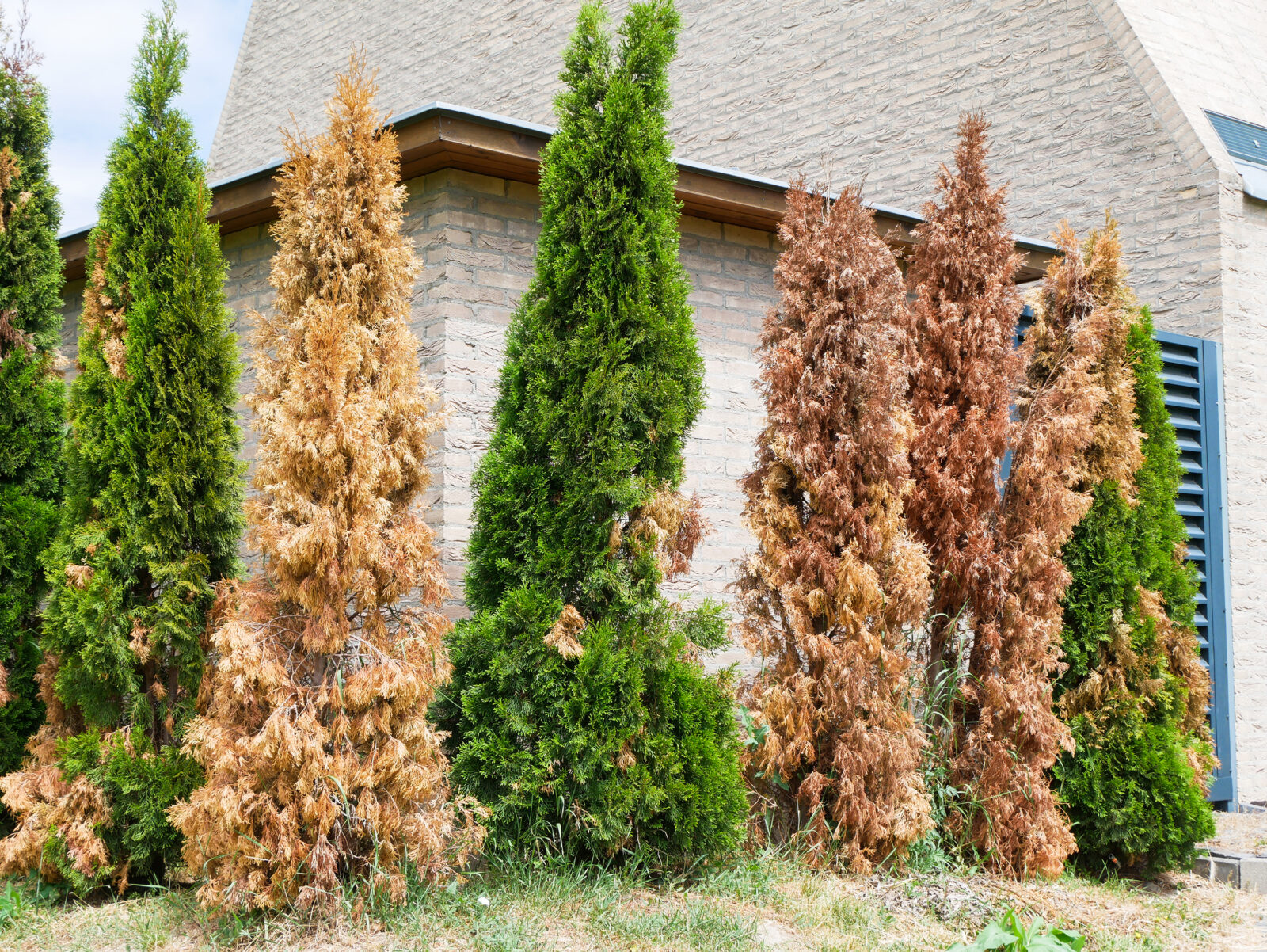
Pulling out every damaged hedge straight away is not usually the best solution. If the problem is mainly inside the hedge and the outer green shell remains intact, the plant can improve after moisture levels are restored and after gentle pruning. Regular watering, mulching, and cutting only into green growth can help.
Replacement starts to make more sense when the outside of the hedge is also damaged, whole sections dry out repeatedly, or renovation would require cutting into old brown wood. That’s where thujas have the least ability to reshoot. In uncertain cases, it’s wise to identify the true cause first, because removing a healthier stand unnecessarily can mean needless expense.
Success isn’t decided by the price of the plants alone
Installing a new hedge can cost anywhere from a few thousand koruna to much higher sums, depending on the species chosen and the size of the plants. But the plant material itself is only part of the expense. You also need to factor in removing the old hedge, improving the soil, mulch, and possibly irrigation. With longer hedges, the budget can climb very high.
Even more important than price is a correct assessment of the site. On a moister, partly shaded plot with free-draining soil, thujas can still work well. On an overheated south-facing edge of the garden in light, fast-drying soil, almost any woody plant will struggle unless it receives enough care in the first seasons. Choosing the right species for the specific conditions now matters more than what was popular in gardens ten years ago.
Source: Eko Jutro, My Perfect Plants, Pestrá zahrada, Pestrazahrada.cz

A lover of nature, gardens, and everything that moves, blooms, or grows. He literally grows everything, from herbs to rare species, and he enjoys caring for animals just as much. In his work, he connects modern technology with tried-and-tested grandmotherly methods and is happy when both paths lead to the same goal.
Related articles
Raspberries, blueberries and elder need a different approach in autumn
Autumn is just as important for small fruit as spring and summer, but pruning at the wrong time can weaken plants before winter. Learn what to cut now and what to leave for late winter or early spring to protect next year’s crop.
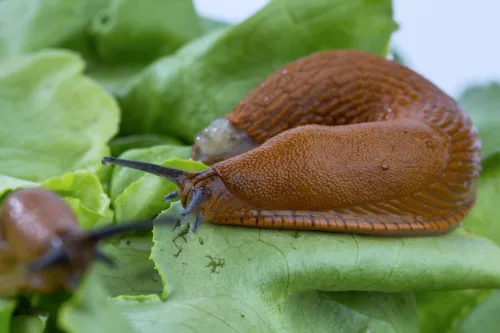
Gardeners revealed a proven way to wipe out slugs and their offspring right now
Autumn rains bring slugs back into beds and kick-start breeding. A quick two-step October routine can reduce both adults and eggs, making spring damage far less likely.
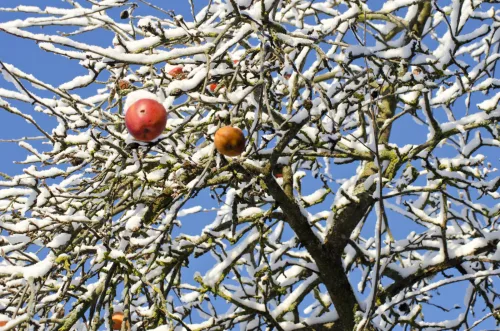
How to Prepare Trees and Shrubs for Winter to Keep Them Strong and Healthy
Winter can be tough on garden trees and shrubs, from frost and drying winds to snow load and rapid temperature swings. With a few timely steps in autumn, you can boost resilience and reduce damage that’s hard to fix in spring.
Comments (0)
Be the first to comment.