
 English
 Polski
 Deutsch
 Nederlands
 Svenska
 Norsk
 Dansk
 Français
 Italiano
 Español
 Português
 Slovenčina
 Suomi
 Gaeilge
Can You Really Drive a Mole Out of the Garden
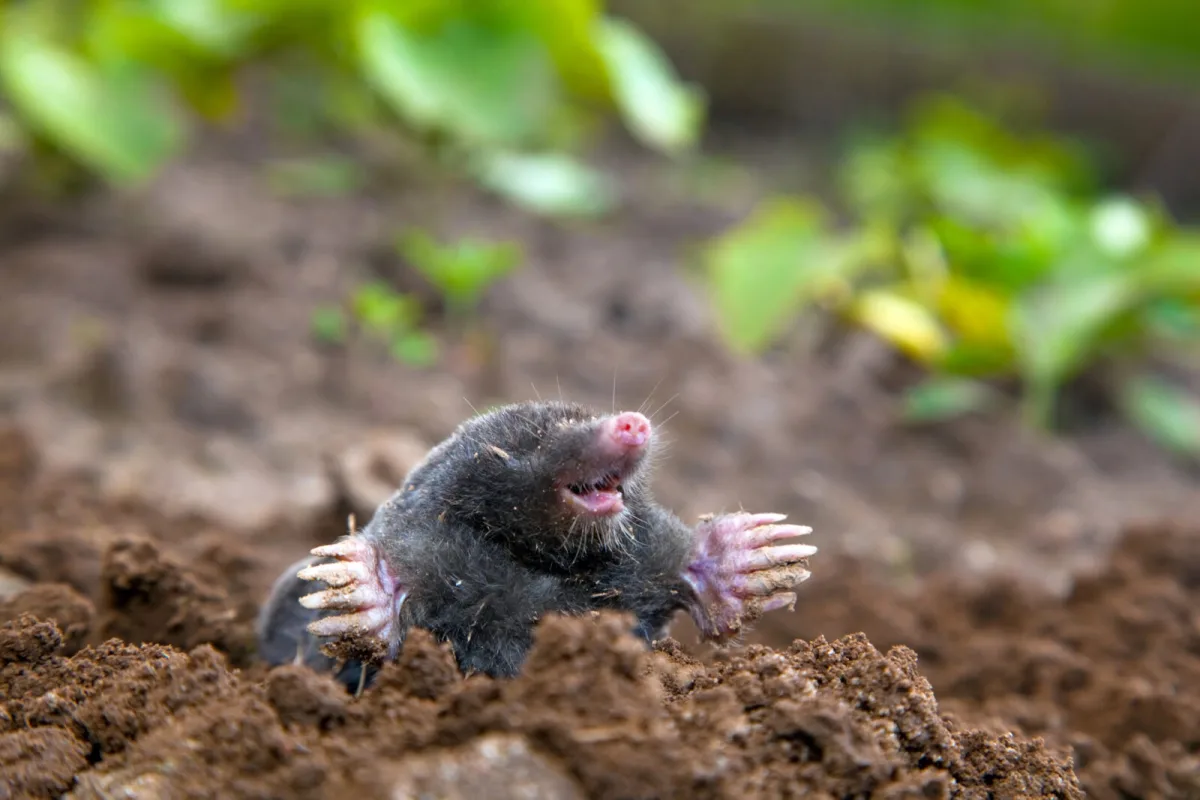
The mole is one of the most common uninvited visitors in gardens. As soon as the first molehills appear on the lawn, it’s usually clear the fight won’t be easy. This animal is persistent, builds an extensive network of tunnels underground, and will gladly stay where it has plenty of food. But one thing is crucial. You can’t kill moles because they are a protected animal. The only option is to try to move it on humanely or trap it without harm.
That’s also why there isn’t one universal solution. Some methods help quickly, others only temporarily, and some don’t work at all. Success also depends on how rich the soil is in earthworms and other prey. A well-kept lawn is often a very attractive habitat for a mole.
Why a mole sticks around in your garden
Even though its presence frustrates property owners, from nature’s point of view it isn’t a pest in the strict sense. Moles feed on insects, larvae, earthworms, and can even catch small vertebrates. In that way, they help reduce some other creatures that can damage plants. Their presence also often indicates high-quality, living, well-aerated soil.
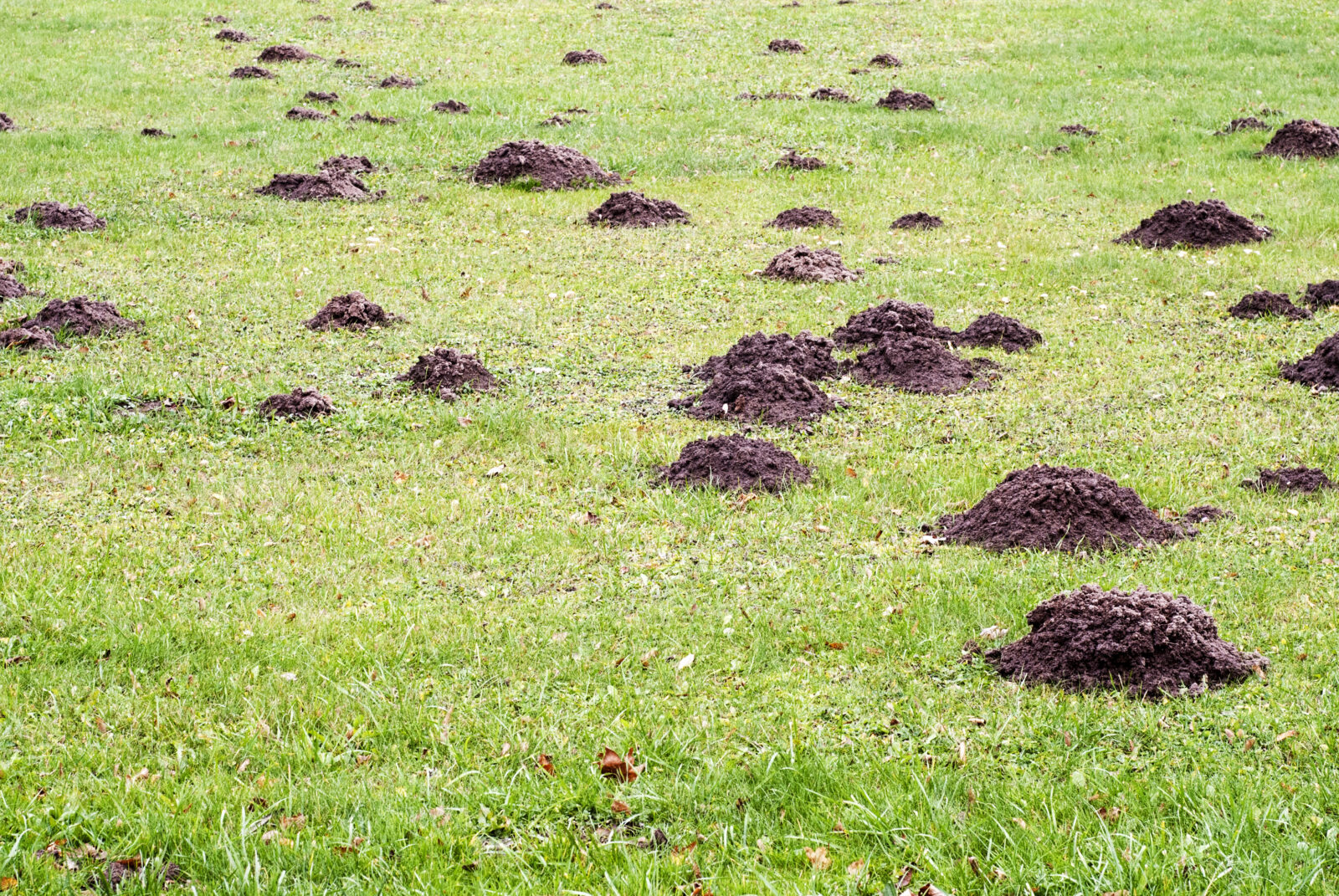
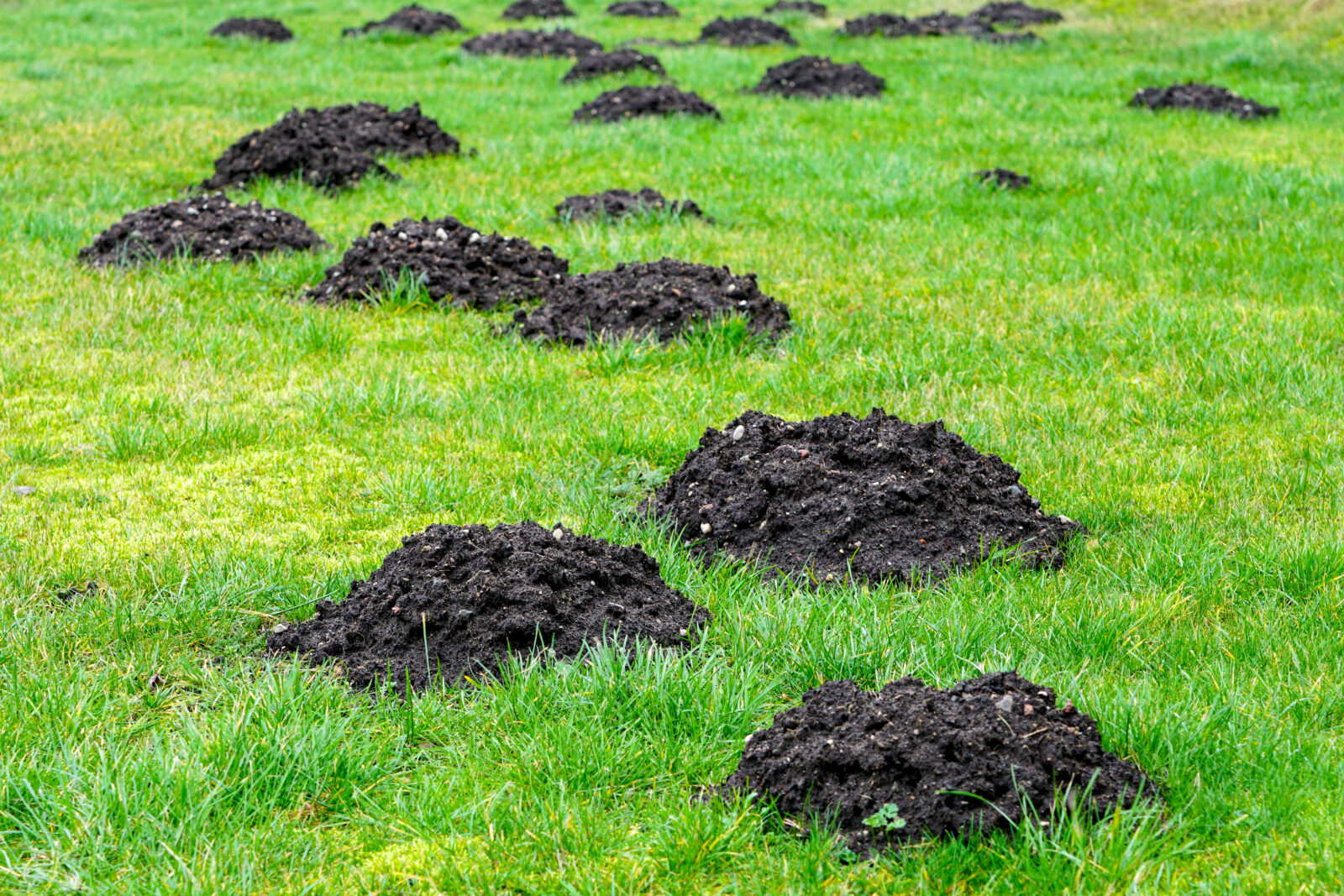
On the other hand, they can cause plenty of nuisance. Molehills ruin the look of a lawn, underground tunnels can weaken the soil surface, and some plants suffer root damage. That’s why most gardeners look for a way to get the mole to leave without breaking the law.
Which methods offer the best chance
Repellers and mechanical disturbance
Various mole repellers have a fairly good reputation. A simpler option is a DIY solution, such as a plastic bottle or a windmill mounted on a metal rod. When the wind blows, vibrations and sounds travel into the soil, which can be unpleasant for the mole. Experts rate this method quite positively, although the effect isn’t always permanent.
Electronic and solar-powered devices are also sold; they emit vibrations or acoustic signals. Their drawbacks tend to be the higher cost and the fact that the mole may get used to the disturbance over time. If there’s plenty of food in the area, it may return even despite regular signals.
Smoking out the tunnels
One option often described as effective is smoking the tunnels with a fumigation smoke cartridge. It’s placed directly into a molehill or tunnel and the opening is sealed so the smoke spreads underground. Experts rank this approach among the more effective ways to encourage a mole to move on, even from a larger area.
Live trapping without killing
You can also use live-capture tube traps. They must be set correctly and, above all, checked regularly so the animal caught inside doesn’t suffer unnecessarily. After trapping, the mole needs to be moved to a suitable place away from housing. Even then, it doesn’t guarantee lasting peace, because another individual can move into the vacated territory.
What works only to a limited extent or not at all
Plants and scent deterrents
It’s often recommended to plant species that are supposed to bother moles. Garlic, marigolds, or spurges are commonly mentioned. But according to experts’ experience, these plants usually don’t deter moles, because moles aren’t herbivores and mild aromas don’t bother them. One possible exception is crown imperial (Fritillaria imperialis), whose smell is stronger and moles do more often avoid areas planted with it.
Similarly mixed are various home scent tips, such as citrus peel, strongly aromatic cheeses, walnut leaves, or rags soaked in a pungent substance. Some smells may discourage the mole from a particular section of tunnel, but it often simply finds another route. Dog and cat hair, or human hair, may offer a little more hope, because the mole can interpret the scent as a predator nearby.
Water, ultrasound, and expensive solutions
Flooding a mole out with water is very unreliable. The tunnel system is extensive, and the chamber it’s currently using may be at a different depth than where the water reaches. Ultrasonic devices aren’t miraculous either, especially if the mole gets used to the signal. With specialised traps, it’s also true that if they aren’t placed perfectly, the mole will simply bypass them or block them with soil.
No method is 100% effective, and you often need to combine several approaches and stick with them.
It can also be worth accepting a degree of tolerance
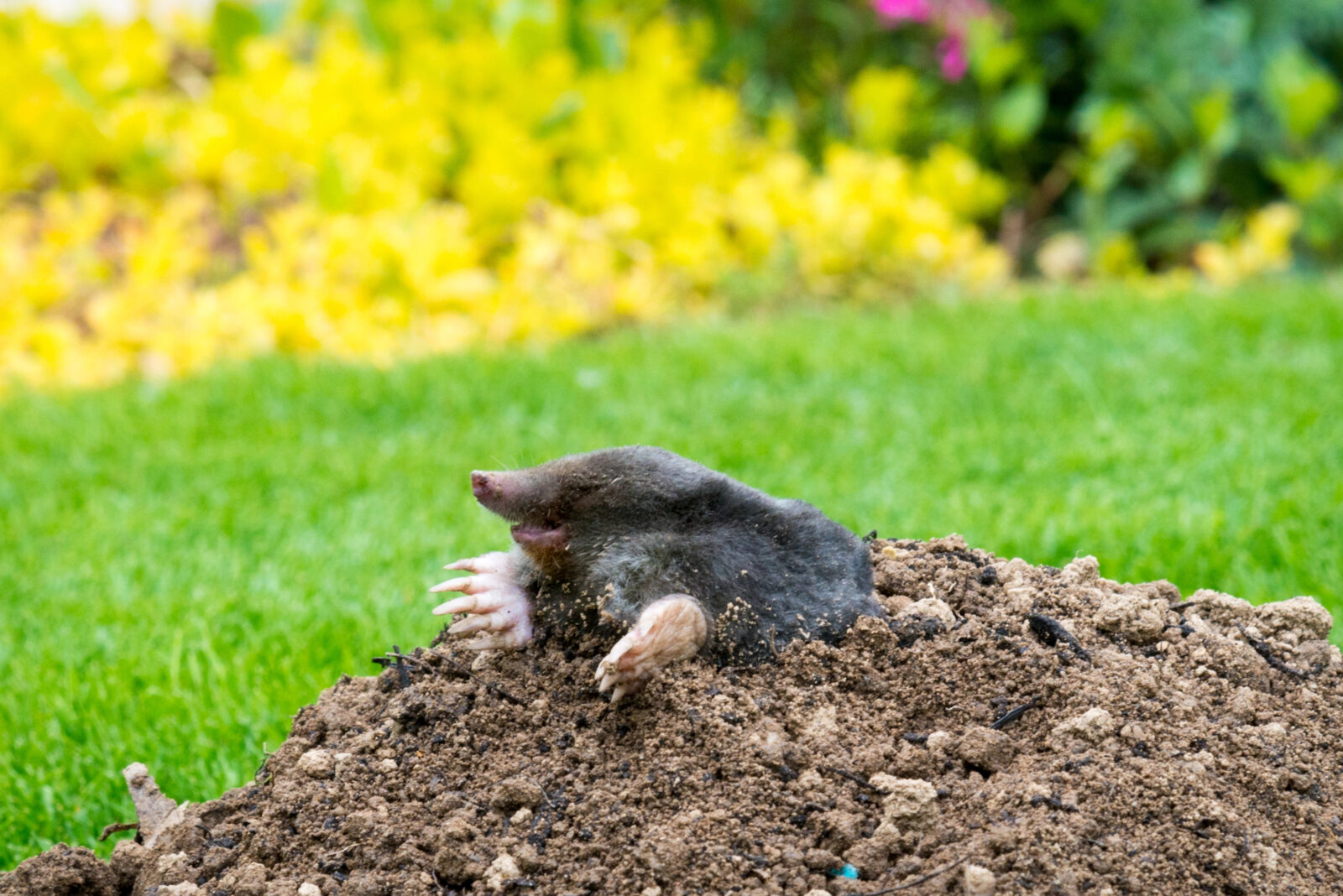
Many experts point out that the mole is a natural part of the garden environment. The soil from molehills can be used in beds, and the animal’s presence itself is a sign of living soil. If the damage isn’t severe, it may be wiser to limit its activity rather than wage a long, uncertain battle to drive it out completely.
The best-rated options tend to be mechanical repellers, vibration devices, predator scent, and especially smoke cartridges. By contrast, you can’t rely much on plants or various “fragrant” baits. Anyone who wants to proceed humanely and legally should stick to these methods and accept that patience is often the most important tool when living alongside a mole.
Source: Got Moles, Scotts, Pestrazahrada.cz

A lover of nature, gardens, and everything that moves, blooms, or grows. He literally grows everything, from herbs to rare species, and he enjoys caring for animals just as much. In his work, he connects modern technology with tried-and-tested grandmotherly methods and is happy when both paths lead to the same goal.
Related articles
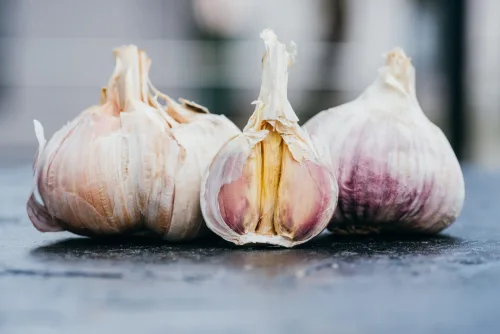
How to Safely Tell Czech and Chinese Garlic Apart in the Shop by Taste, Appearance and Quality
Czech and Chinese garlic can look similar at first glance, but they differ noticeably in flavour, aroma, bulb structure and keeping quality. Learn the quick visual and kitchen tests that help you choose the better bulb with confidence.

Three Mistakes When Packing Cabbage into a Crock That Can Turn Your Winter Stores into Waste
Traditional crock-fermented sauerkraut keeps for months and stays wonderfully crisp—if you avoid a few common missteps. Here are the three mistakes that most often lead to soft, grey, foul-smelling cabbage and how to prevent them.
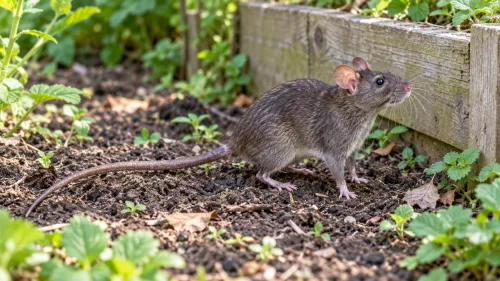
One Rat in the Garden Can Quickly Turn Into a Colony How to Prevent It Without Chemicals
A rat on your property is a warning sign that your garden is offering food and shelter. With a few practical, chemical-free changes, you can make the area far less attractive and stop a bigger infestation taking hold.
Comments (0)
Be the first to comment.