
 English
 Polski
 Deutsch
 Nederlands
 Svenska
 Norsk
 Dansk
 Français
 Italiano
 Español
 Português
 Slovenčina
 Suomi
 Gaeilge
One Rat in the Garden Can Quickly Turn Into a Colony How to Prevent It Without Chemicals
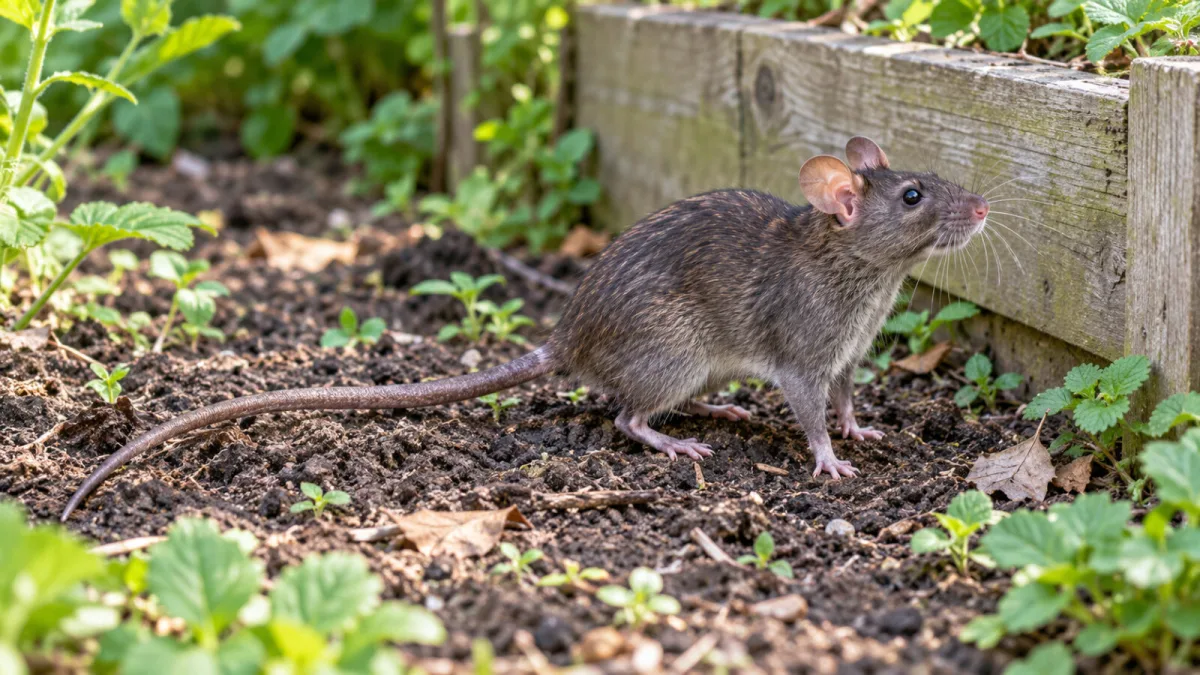
A rat on your property is not a minor issue you can ignore. It’s a clear signal that your garden is providing conditions these rodents find ideal. Rats are a hygiene and health risk because they can carry dangerous diseases. Once they settle near the house or in the garden, you usually need to act quickly to stop the problem spreading.
What attracts rats to your property most
The most common reason is easily available food. Fallen fruit, leftovers from outdoor meals, bird food, and pet bowls left outside all draw them in. Shelter matters just as much. Old timber, stored furniture, piles of branches, or general clutter create a secure environment where rats feel protected. That’s often where they dig burrows and stay close to the food source.
How to tell they’re around
You don’t have to spot a rat directly for it to be obvious they’re moving through your garden. Typical signs include droppings, well-worn runways, or disturbed soil where burrows may be forming. Once you notice these traces, it’s not wise to wait. The longer rodents are left undisturbed, the greater the chance they’ll settle in permanently and start breeding.
The first step is always a thorough tidy-up
The key is to remove everything that attracts rats. Rubbish bins and wheelie bins should be securely closed, food scraps mustn’t be left outdoors, and fallen fruit needs to be picked up regularly. Clearing clutter helps too, especially natural materials rodents like to hide in. A cleaner, more open garden stops feeling like a safe base.
How to discourage them without using chemicals
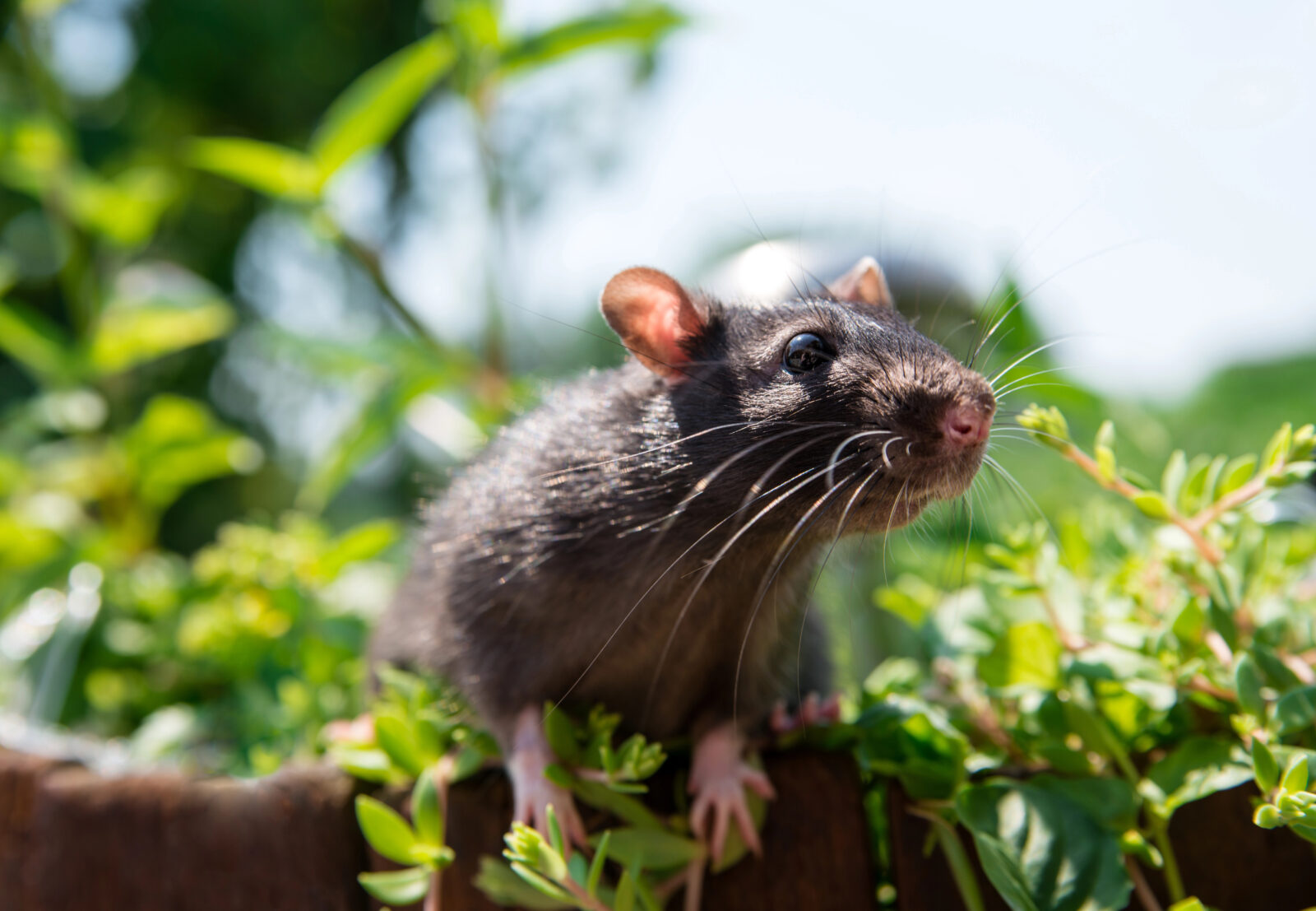
Rats like stable surroundings and dislike having their space disturbed. If you move garden items around, change where things are stored, or disrupt their usual routes, they lose their sense of security. Even small changes can work, because these animals mainly seek peace and safety. In many cases, the presence of a dog or cat also helps. They don’t have to catch the rat; the activity of a pet is often reason enough for the pest to look elsewhere.
What a rat’s presence says about your garden
Seeing this rodent often indicates an imbalance on the property. Rats settle where they can find food, shelter, and few threats. If natural predators are scarce nearby and the garden offers plenty of hiding places, it becomes an ideal habitat. So it’s not just about one animal, but also a warning that your garden maintenance approach needs adjusting.
Once a rat finds food and a quiet refuge in the garden, it may return regularly and gradually build up a larger colony.
When home measures are no longer enough
If tidying up and limiting food sources doesn’t work, traps or bait stations come next. These must be used sensibly and safely, especially if children or pets use the garden. If you’re seeing rats repeatedly or can’t stop their activity, it’s sensible to contact professionals. Expert pest control is often the most reliable way to protect your home, garden, and your family’s health.
A quick response matters most
Waiting doesn’t pay off here. Rats adapt quickly and, in the right conditions, breed fast. The best approach is to combine a thorough clean-up, removal of attractions, disruption of their shelter, and, if needed, professional help. That’s how you prevent a one-off sighting from turning into a long-term, unpleasant problem.
Source: DUG, RHS, Gardeners World, Pestrazahrada.cz

A lover of nature, gardens, and everything that moves, blooms, or grows. He literally grows everything, from herbs to rare species, and he enjoys caring for animals just as much. In his work, he connects modern technology with tried-and-tested grandmotherly methods and is happy when both paths lead to the same goal.
Related articles
How to Safely Tell Czech and Chinese Garlic Apart in the Shop by Taste, Appearance and Quality
Czech and Chinese garlic can look similar at first glance, but they differ noticeably in flavour, aroma, bulb structure and keeping quality. Learn the quick visual and kitchen tests that help you choose the better bulb with confidence.

Three Mistakes When Packing Cabbage into a Crock That Can Turn Your Winter Stores into Waste
Traditional crock-fermented sauerkraut keeps for months and stays wonderfully crisp—if you avoid a few common missteps. Here are the three mistakes that most often lead to soft, grey, foul-smelling cabbage and how to prevent them.
Garden robotics and automation save time but one thing surprises owners after purchase
Robotic mowers, smart irrigation and garden sensors can take over routine tasks and improve day-to-day plant care. The catch is that the real cost and upkeep often become clear only after you’ve bought in.
Comments (0)
Be the first to comment.