
 English
 Polski
 Deutsch
 Nederlands
 Svenska
 Norsk
 Dansk
 Français
 Italiano
 Español
 Português
 Slovenčina
 Suomi
 Gaeilge
How to Safely Tell Czech and Chinese Garlic Apart in the Shop by Taste, Appearance and Quality
Garlic is a cornerstone of Czech cooking and its uses are truly wide-ranging. It goes into soups, sauces, spreads, roasted dishes and pickled vegetables. Even so, it pays to stay alert when buying it, because there are often striking differences between Czech and Chinese garlic. It’s not only about origin, but also flavour, aroma, growing methods, storage and overall quality. They can look similar at a glance, but with a closer look they’re fairly easy to tell apart.
Appearance gives it away at first glance
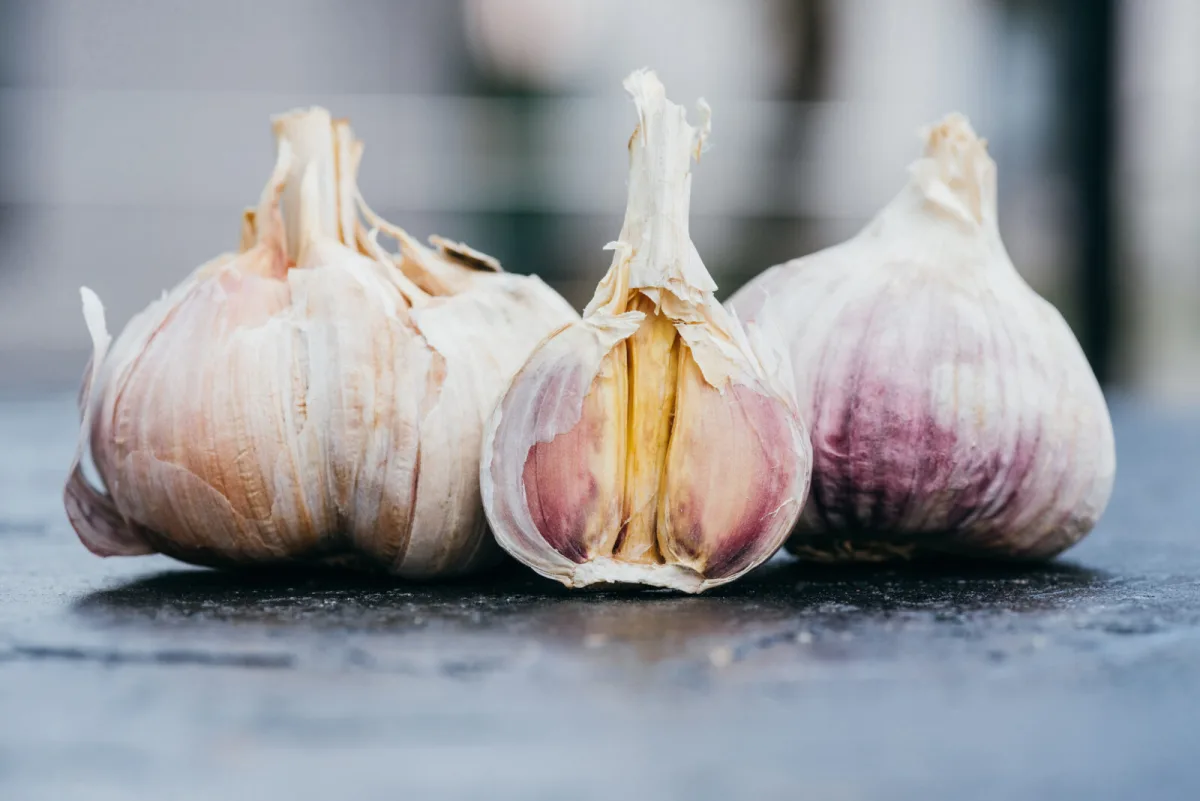
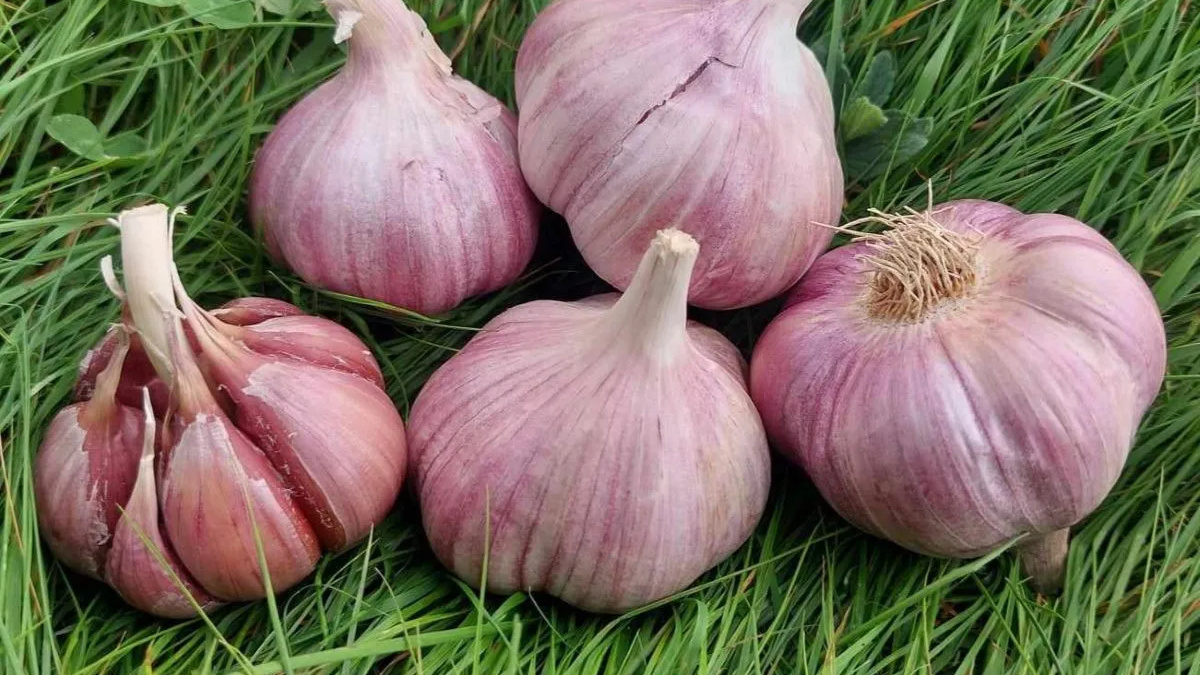
Czech garlic is usually smaller and the bulb doesn’t look quite so perfectly uniform. It often has a naturally irregular shape, fewer cloves, and those cloves tend to be larger, firmer and packed more tightly together. A typical sign is a thicker skin that may have a faintly purplish or veined tint. In hardneck types, you can also see a solid stalk running through the centre of the whole bulb.
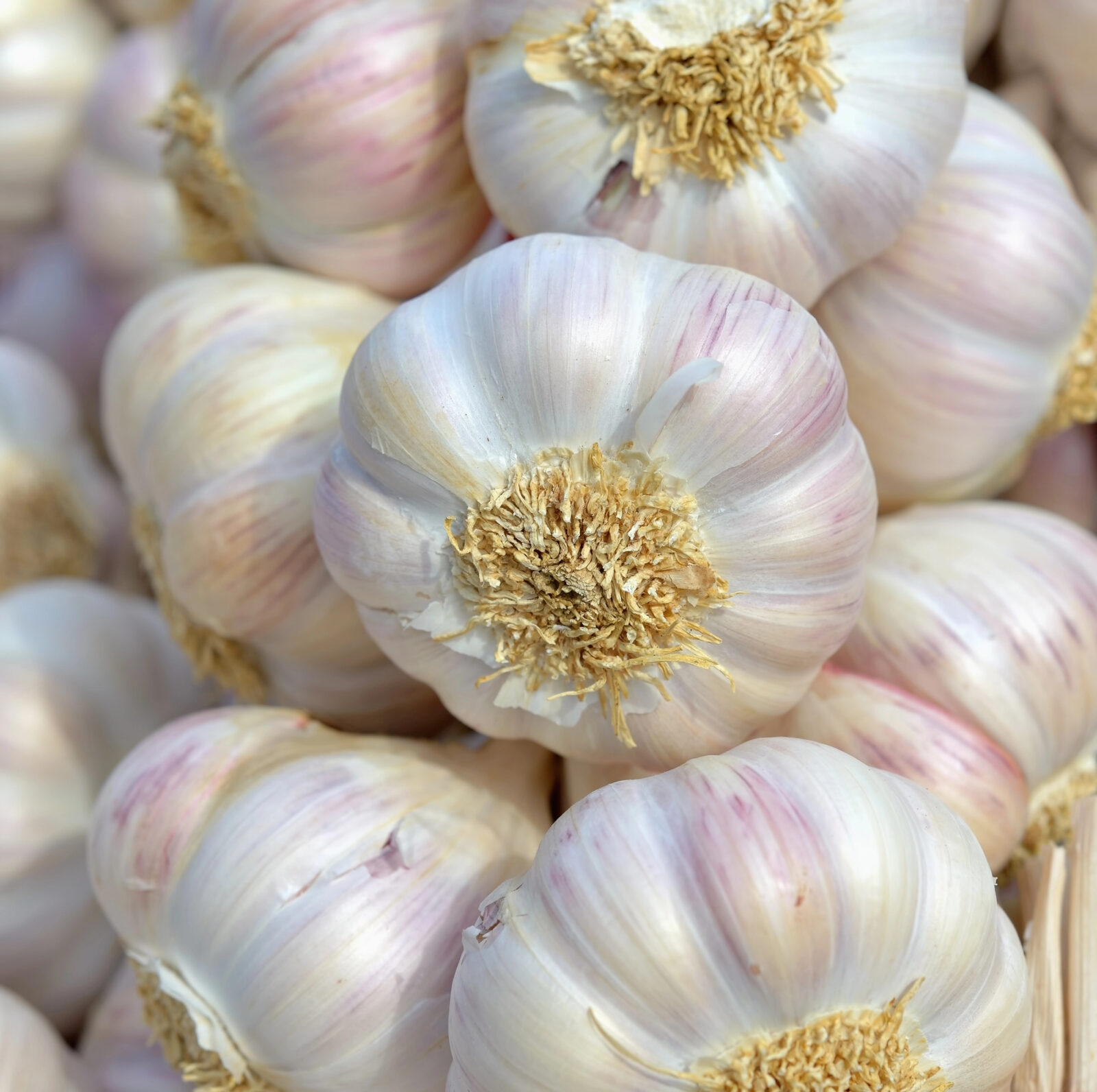
Chinese garlic, by contrast, often stands out with a larger, very polished-looking bulb. It’s more round, noticeably regular to the eye and sometimes almost too perfect. It tends to have more cloves, which are smaller and not seated as firmly. The skin is usually very pale, thin and bright white. It’s also commonly sold without the stalk, which is another clue that can help you judge its origin.
Flavour and aroma matter most
The biggest difference becomes clear when you use it in the kitchen. Czech garlic has a pronounced, pungent, full flavour that most people consider the classic benchmark. Its aroma is strong even while chopping, and it develops beautifully during cooking. Thanks to its higher content of sulphur compounds, it tastes more intense and is also valued for its natural antibacterial properties.
Chinese garlic is, in comparison, milder, less biting and can sometimes seem almost watery. The smell is not usually as strong and it can fade more easily with heat. If you’re used to an honest, robust garlic flavour, you’ll notice the difference very quickly. On the other hand, those who prefer a gentler aroma may find it more acceptable.
Different origin also means different quality
Czech garlic is typically grown on a smaller scale and more often comes from local growers or regional farms. Production tends to place greater emphasis on the variety, gentle drying and suitable storage. Thanks to that, the garlic holds on to its flavour, firmness and overall quality better. Another advantage is clearer traceability of where it came from.
Chinese garlic mostly comes from large-scale production and travels a long way before it reaches Czech shops. That long storage and transport can affect both freshness and the intensity of flavour. With imported garlic, people also more often mention treatments intended to improve appearance and extend shelf life. That doesn’t automatically mean it’s unsafe, but the difference in approach to quality is obvious.
Keeping quality shows up in the kitchen too
Czech garlic usually has a higher dry-matter content, so it holds its strength and aroma better during cooking. With proper storage it also stays in good condition for longer. Chinese garlic can sprout sooner, soften more quickly or lose its characteristic flavour. In finished dishes, it often doesn’t come across as strongly as you would expect from garlic.
A higher price can have a good reason
Czech garlic is usually more expensive, which is linked to smaller production, more demanding growing conditions and the higher costs local farmers face. The price difference, however, often reflects the difference in flavour and quality. When you buy Czech garlic, you’re not only getting a better ingredient for your kitchen, you’re also supporting local growers and domestic agriculture.
How to quickly verify the origin
Czech garlic is usually smaller, less uniform, often with a purplish cast to the skin and a strong aroma. Chinese garlic is larger, whiter, smoother and milder in flavour. Price is a clue too, because local garlic is generally more expensive.
What to focus on when buying
If you want to buy truly good-quality garlic, watch a few simple signs. Pay attention to the bulb shape, the skin colour, the firmness of the cloves and the intensity of the aroma. If possible, also check the stated country of origin. It’s the combination of appearance, flavour and origin information that will tell you most reliably what you’re looking at. Once you learn these differences, you’ll make your choice in the shop with much more confidence.
Source: Garlic, Pestrá zahrada, Pestrazahrada.cz

A lover of nature, gardens, and everything that moves, blooms, or grows. He literally grows everything, from herbs to rare species, and he enjoys caring for animals just as much. In his work, he connects modern technology with tried-and-tested grandmotherly methods and is happy when both paths lead to the same goal.
Related articles
Three Mistakes When Packing Cabbage into a Crock That Can Turn Your Winter Stores into Waste
Traditional crock-fermented sauerkraut keeps for months and stays wonderfully crisp—if you avoid a few common missteps. Here are the three mistakes that most often lead to soft, grey, foul-smelling cabbage and how to prevent them.

One Rat in the Garden Can Quickly Turn Into a Colony How to Prevent It Without Chemicals
A rat on your property is a warning sign that your garden is offering food and shelter. With a few practical, chemical-free changes, you can make the area far less attractive and stop a bigger infestation taking hold.

Garden robotics and automation save time but one thing surprises owners after purchase
Robotic mowers, smart irrigation and garden sensors can take over routine tasks and improve day-to-day plant care. The catch is that the real cost and upkeep often become clear only after you’ve bought in.
Comments (0)
Be the first to comment.