
 English
 Polski
 Deutsch
 Nederlands
 Svenska
 Norsk
 Dansk
 Français
 Italiano
 Español
 Português
 Slovenčina
 Suomi
 Gaeilge
A Tried and Tested Method for Hens That Helps Maintain Egg Production Through Winter
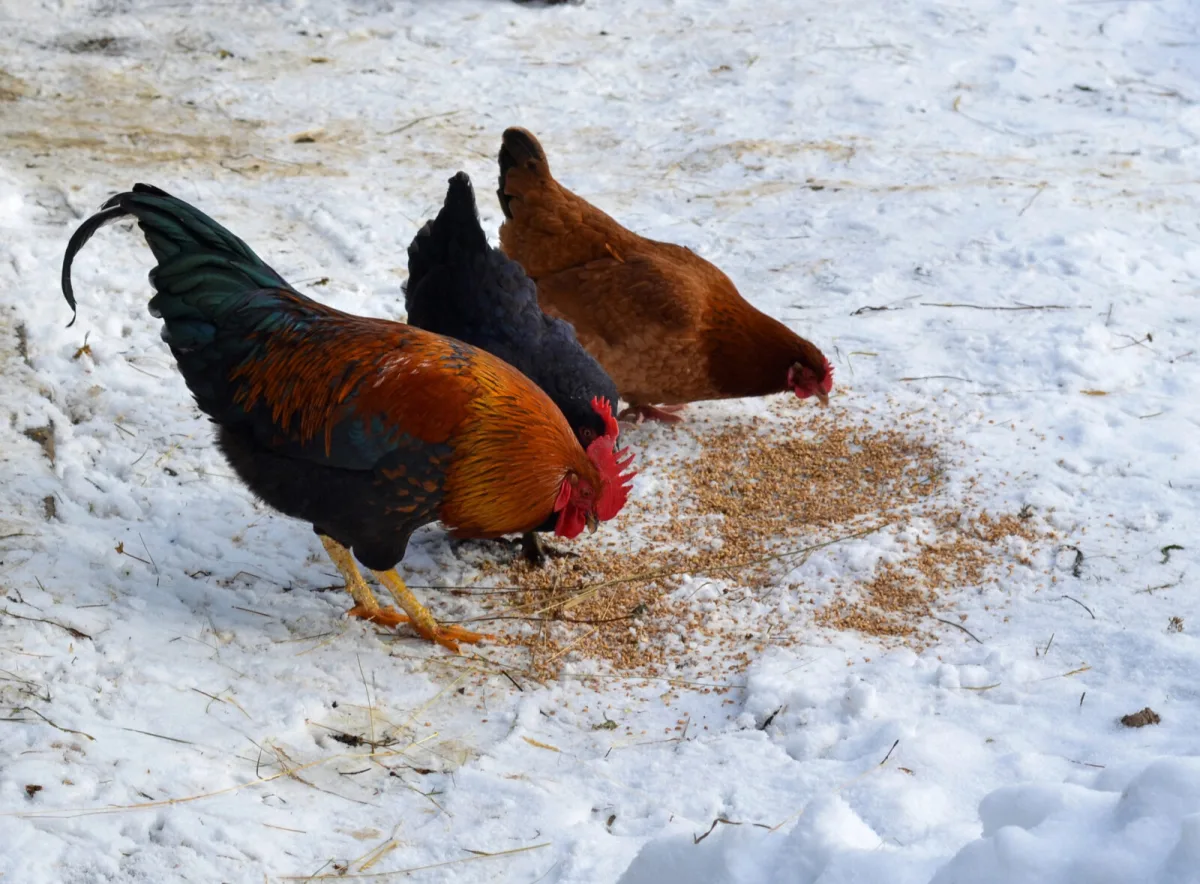
With the arrival of autumn and winter, it’s common for hens to start laying fewer eggs. Shorter days, lower temperatures and greater strain on the body all play a part. That’s why many keepers look for a simple way to keep the flock in good condition during this period. Traditional smallholding practice offers a low-effort approach based on three readily available ingredients that may help support both health and laying.
Three simple helpers from around the home
The basis of this old method is fresh yeast, garlic and apple cider vinegar. Each works a little differently, but together they can benefit hens especially at times when they’re more run down. It’s not an instant fix, rather a natural way to support vitality, digestion and resilience.
Yeast for energy and better condition
Fresh yeast is valued mainly for its B vitamins, minerals and enzymes. These components can have a positive effect on digestion and the overall condition of laying hens. It’s usually prepared by dissolving one cube of yeast in half a litre of lukewarm water. The mixture can be kept chilled and then added in small amounts to the drinking water. It’s commonly recommended to offer it for part of the month rather than continuously. Consistency without overdoing it tends to be the most beneficial approach for the flock.
Garlic to support natural defences
Garlic has long been popular in poultry keeping thanks to its natural protective properties. It helps create an environment that is less favourable to certain harmful microorganisms, and it’s also associated with immune support. Keepers either add it chopped directly to feed, or make garlic water. This is made by crushing a few cloves into water and leaving it to steep for several hours. Prepared this way, it can be a useful addition particularly when hens are more prone to problems.
Apple cider vinegar for digestion and feed utilisation
Another part of the traditional routine is apple cider vinegar. It’s added to drinking water in a small amount and is associated with supporting a healthy environment in the digestive tract. That can help hens make better use of nutrients from their feed and maintain stronger resilience. Vinegar isn’t intended for daily use without a break; it’s better to include it only on certain days of the week.
Rotation matters more than quantity
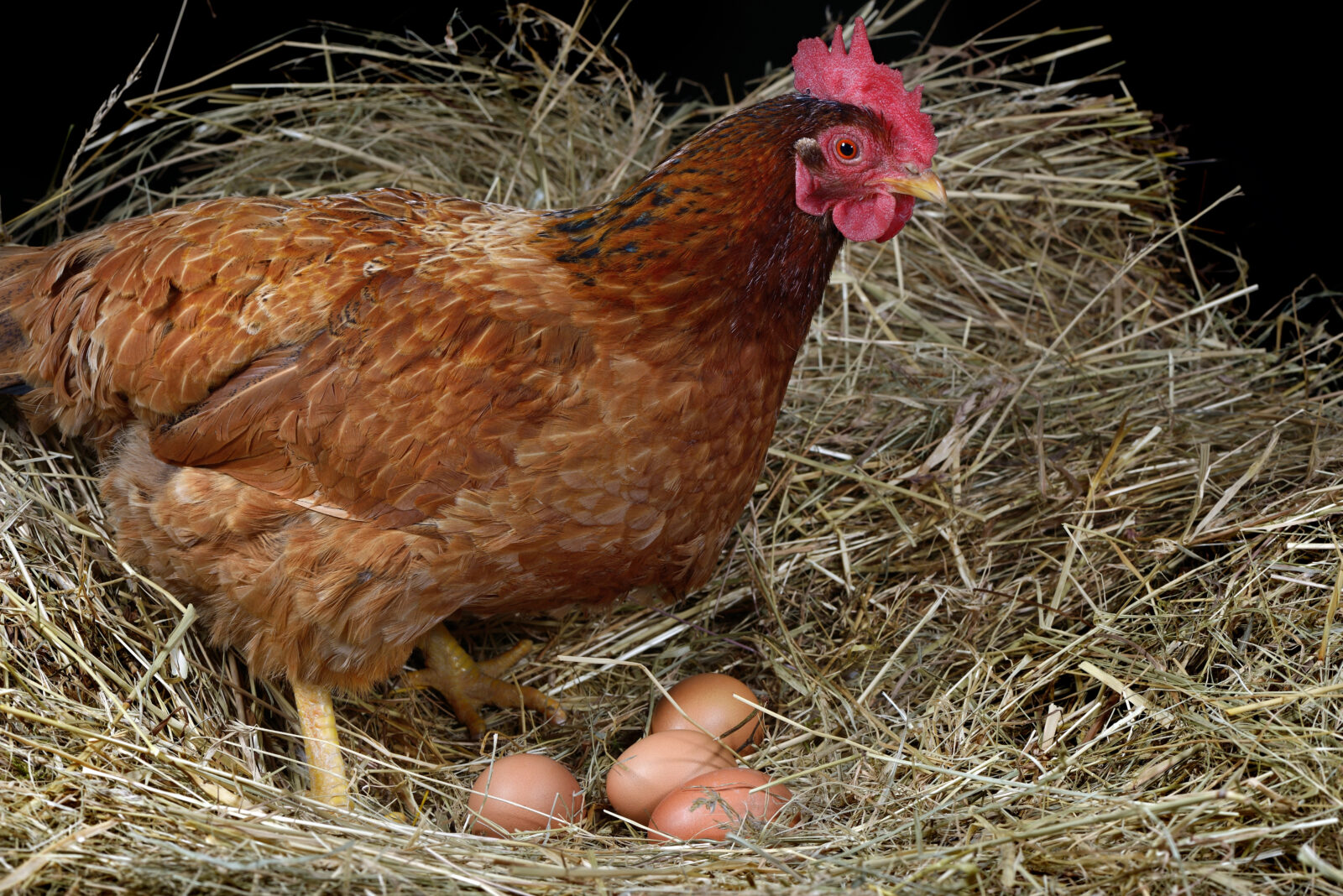
The key is not to give all three ingredients at the same time. It’s far more sensible to rotate them through the week so each one has a chance to work on its own. It’s also worth watching how your hens respond and adjusting accordingly. Every flock can have slightly different needs, and a one-size-fits-all dose won’t suit everyone equally.
The best results usually come when natural support is paired with good-quality feed, plenty of clean water and proper conditions in the hen house.
Not just for winter, but as ongoing care
Although this method is most often mentioned ahead of winter, it can also be useful throughout the rest of the year. Many keepers see it as part of routine flock care and a way to support laying hens naturally. If hens are well fed, protected from draughts and given this simple support sensibly, they can stay in better condition even at times when egg production typically drops. That’s the strength of old smallholding advice, it isn’t complicated, but it’s built on consistency and attentive care.
Source: Fresh Eggs Daily, B&W Feeds, Pestrazahrada.cz

A lover of nature, gardens, and everything that moves, blooms, or grows. He literally grows everything, from herbs to rare species, and he enjoys caring for animals just as much. In his work, he connects modern technology with tried-and-tested grandmotherly methods and is happy when both paths lead to the same goal.
Related articles

Comments (0)
Be the first to comment.