
 English
 Polski
 Deutsch
 Nederlands
 Svenska
 Norsk
 Dansk
 Français
 Italiano
 Español
 Português
 Slovenčina
 Suomi
 Gaeilge
When an Orchid Stops Blooming, a Homemade Fertiliser Made from One Unexpected Ingredient Can Wake It Up
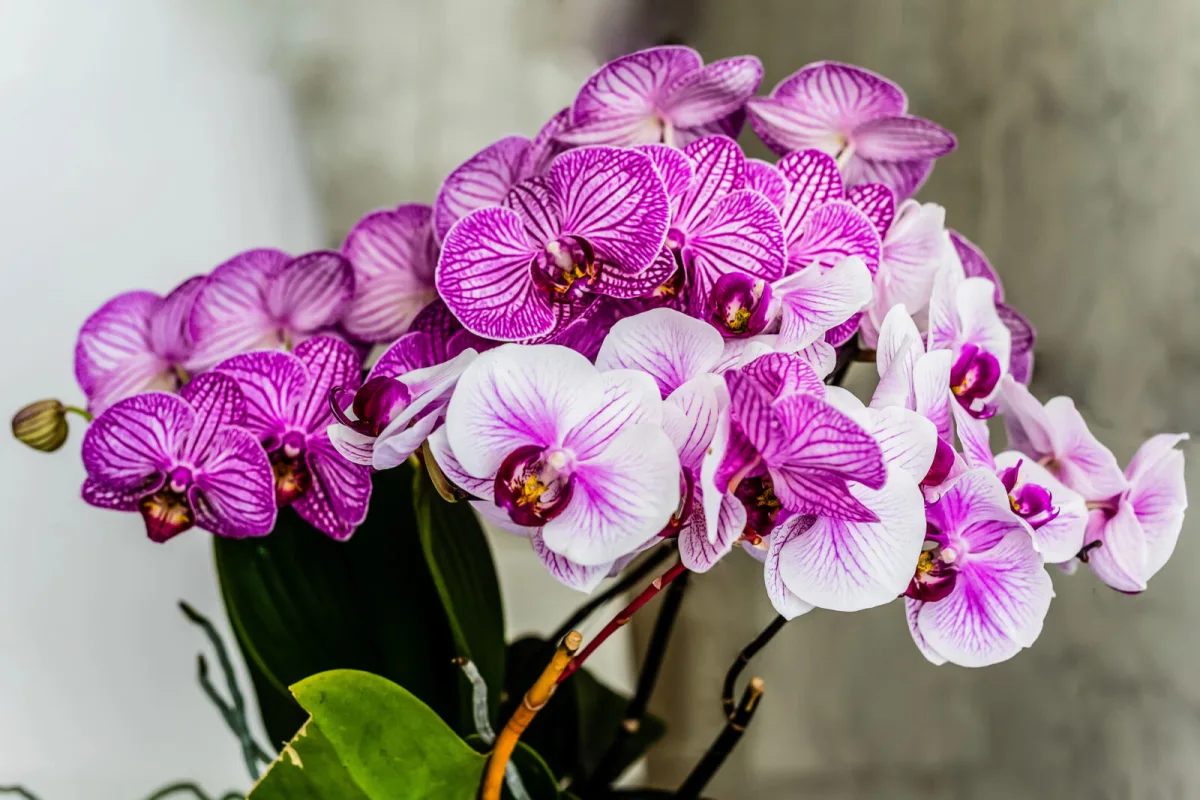
Orchids are among the most popular houseplants, but they also carry a reputation for being delicate beauties. Keeping them alive usually isn’t the hardest part. The much bigger challenge is persuading them to bloom again. This is exactly where proper feeding plays an important role. The good news is you don’t need to buy expensive products. In many cases, a homemade fertiliser made from ordinary kitchen leftovers can work very well.
For orchids grown in pots, topping up nutrients is especially important. The potting medium becomes exhausted over time and the plant can no longer get everything it needs from it. In the wild, orchids take advantage of nutrients released from decomposing plant material around them. Indoors, it’s a good idea to replace this natural process with a targeted supply of nutrition.
Basic rules for fertilising orchids
Although there are many orchid species, most follow a similar growth rhythm. They need the most nutrients during active growth, meaning before they set flower spikes and buds. At this stage, they are building leaves and roots and preparing for the next flowering cycle.
Orchids are sensitive to overfeeding, so it’s better to choose weaker concentrations and consistency rather than heavy doses. A proven approach is to fertilise once a week for three weeks, then give the plant a break on the fourth week with plain water only. This routine helps deliver nutrients gradually without risking root damage.
As soon as an orchid starts forming buds, it’s best to stop feeding. The same applies during the resting period after flowering. Extra caution is also needed right after repotting, when the plant needs time to recover and adapt to its new conditions.
What nutrients orchids need
Like other plants, orchids require three main nutrients. Nitrogen supports leafy growth, phosphorus benefits roots and contributes to flower formation, while potassium helps overall vigour and resilience. In addition, trace elements matter too, including calcium, magnesium, iron, zinc, copper, sulphur, manganese and molybdenum.
That’s exactly why it can be beneficial to combine several household ingredients. One ingredient alone usually can’t supply everything an orchid needs. But with a sensible mix and a steady routine, homemade nutrition can be surprisingly effective.
Homemade fertiliser or shop-bought fertiliser
Commercial fertilisers can work extremely well when used carefully. With orchids, however, it’s easy to exceed the right dose, which can slow growth or reduce flowering. The advantage of homemade mixes is that they tend to be gentler and less concentrated, so the risk of overfeeding is lower.
On the other hand, with homemade recipes it’s harder to control the exact composition. The plant may receive too little of certain key elements if you rely on just one ingredient all the time. For the best results, it usually helps to alternate or combine several additions.
Household ingredients that benefit orchids
Eggshells
Eggshells are rich in calcium, which supports strong cell walls and healthy growth. Cleaned and dried shells can be ground into a fine powder and mixed into the growing medium. With each watering, a small amount of calcium is gradually released.
Banana peels
Banana peels can be used to make an infusion that provides potassium, phosphorus and calcium. Simply chop the peels and let them steep in water for a few days. Dilute the resulting liquid before use, then water the orchid with it. This method is gentle and is especially suitable during active growth.
Milk
Milk contains key nutrients as well as calcium and magnesium. For orchids, make a mild solution of about one part milk to four parts water. This is best used only occasionally, for example once every two weeks, so it doesn’t put too much strain on the roots.
Water from cooked rice
Water left after cooking rice may contain nutrients and starches that can benefit roots. Once cooled, it can be used as a gentle homemade fertiliser. Water from brown rice is often even better, because it retains more valuable substances than typical white rice.
Cane molasses
Molasses isn’t just a source of sugars. It also contains potassium, iron, calcium, magnesium and manganese. Only a small amount is needed, for example one teaspoon in a larger container of water. Alongside feeding the plant, it may also support beneficial microorganisms around the roots.
Black tea
Black tea is a natural way to provide orchids with nitrogen, which is especially important for leaf growth. Cooled, weak tea can be used about once a month. It’s a good option where you need to gently boost leafy growth without harsh feeding.
A simple homemade bone meal fertiliser recipe
One particularly interesting option is a homemade fertiliser made from bone meal. It’s prepared from completely dried chicken bones, which supply phosphorus, calcium, magnesium and other important substances. The bones need to be ground in a blender or grinder until you get a powder with a sand-like texture. It shouldn’t be ultra-fine.
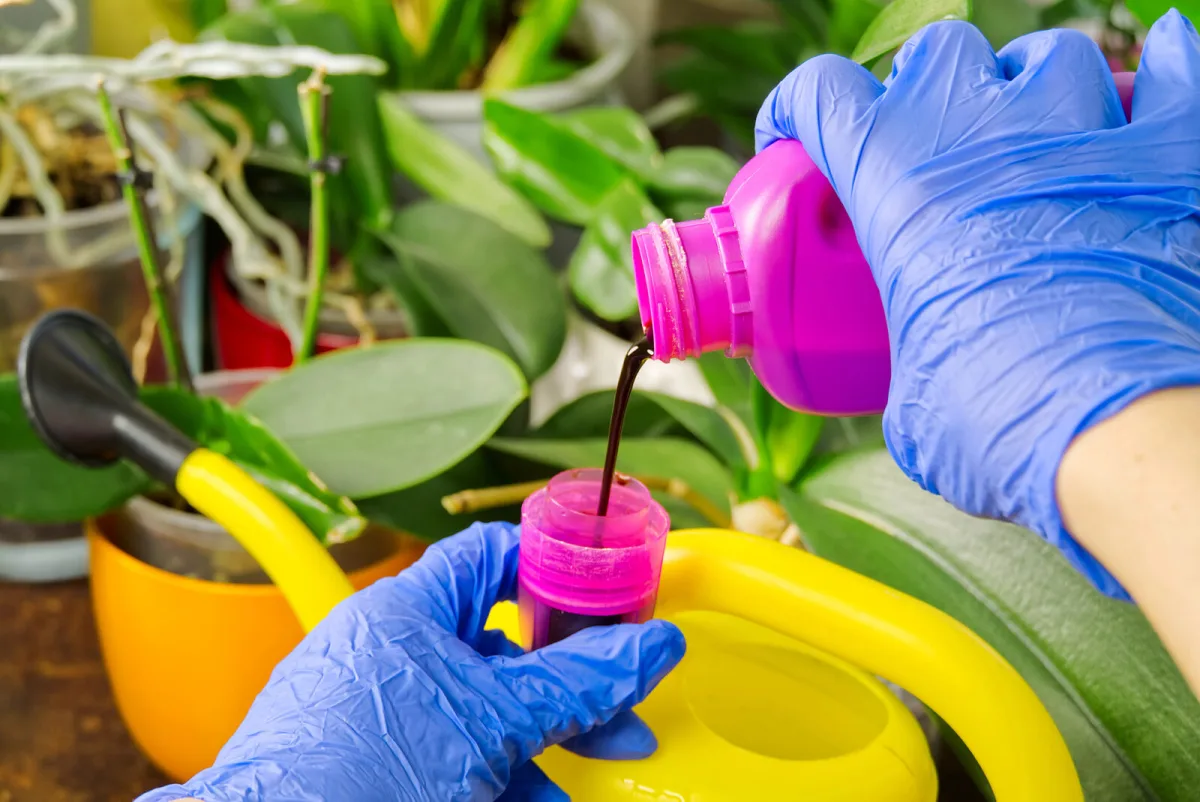
To the prepared bone meal, you can add a small amount of milk diluted with water to raise calcium levels and supplement additional nutrients. To support flowering, you can also mix in a teaspoon of molasses for potassium. The mixture is then diluted with cooled rice water, making it gentler while also adding beneficial starches for roots.
It’s best to strain the finished solution and use it diluted as a regular weekly feed during the growth period. The result can be a stronger plant, healthier leaves and a greater willingness to bloom again.
Is it worth mixing homemade and shop-bought products
Combining homemade and commercially produced fertiliser is possible, but it requires great care. If the grower doesn’t know exactly how many nutrients each component contains, it’s very easy to overfeed an orchid. This often shows up as damaged roots, weaker growth or a lack of flowers.
The safest route is usually to choose one feeding approach and stick to it consistently, with sensible moderation.
What really determines abundant flowering
Homemade fertiliser won’t work miracles on its own, but it can be an important part of good care. Orchids also need suitable light, restrained watering, an airy potting mix and respect for their resting period. When those conditions are combined with gentle, regular feeding, the plant has a much better chance of developing strong roots, healthy leaves and more flowers in the next season.
The strength of simple homemade recipes lies in their practicality. They make use of ingredients that would otherwise end up as waste, yet they can still give orchids exactly what they need for long-term health and more reliable blooming.
Source: Gardening Know How, Homes and Gardens , Pestrazahrada.cz
Related articles
Don’t Prune Hydrangeas in October
Tidying the garden in autumn is tempting, but October pruning can cost your hydrangeas next year’s flowers. Only two light interventions make sense this time of year; everything else is best left until the right season.
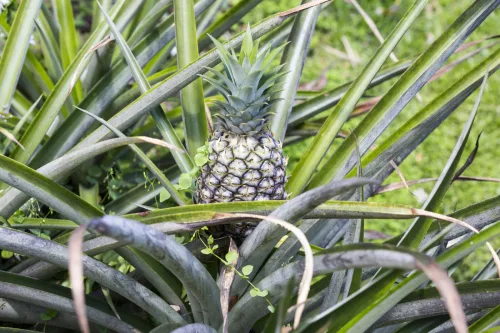
A Pineapple Top Will Root in Two Weeks, but Success Depends on the Step Most People Skip
Don’t throw away the leafy crown when you cut a pineapple. With the right prep, light, warmth and careful watering, you can root it and grow a houseplant that may eventually fruit.

Overwintering Geraniums in a Box Ensures Stronger Growth and More Abundant Spring Bloom
Many people throw balcony geraniums away after the season, even though they can overwinter very well. Stored correctly in a box in cool, dark, dry conditions, they’ll come back stronger and flower generously in spring.
Comments (0)
Be the first to comment.