
 English
 Polski
 Deutsch
 Nederlands
 Svenska
 Norsk
 Dansk
 Français
 Italiano
 Español
 Português
 Slovenčina
 Suomi
 Gaeilge
Lavender Blooms Best When You Follow One Rule
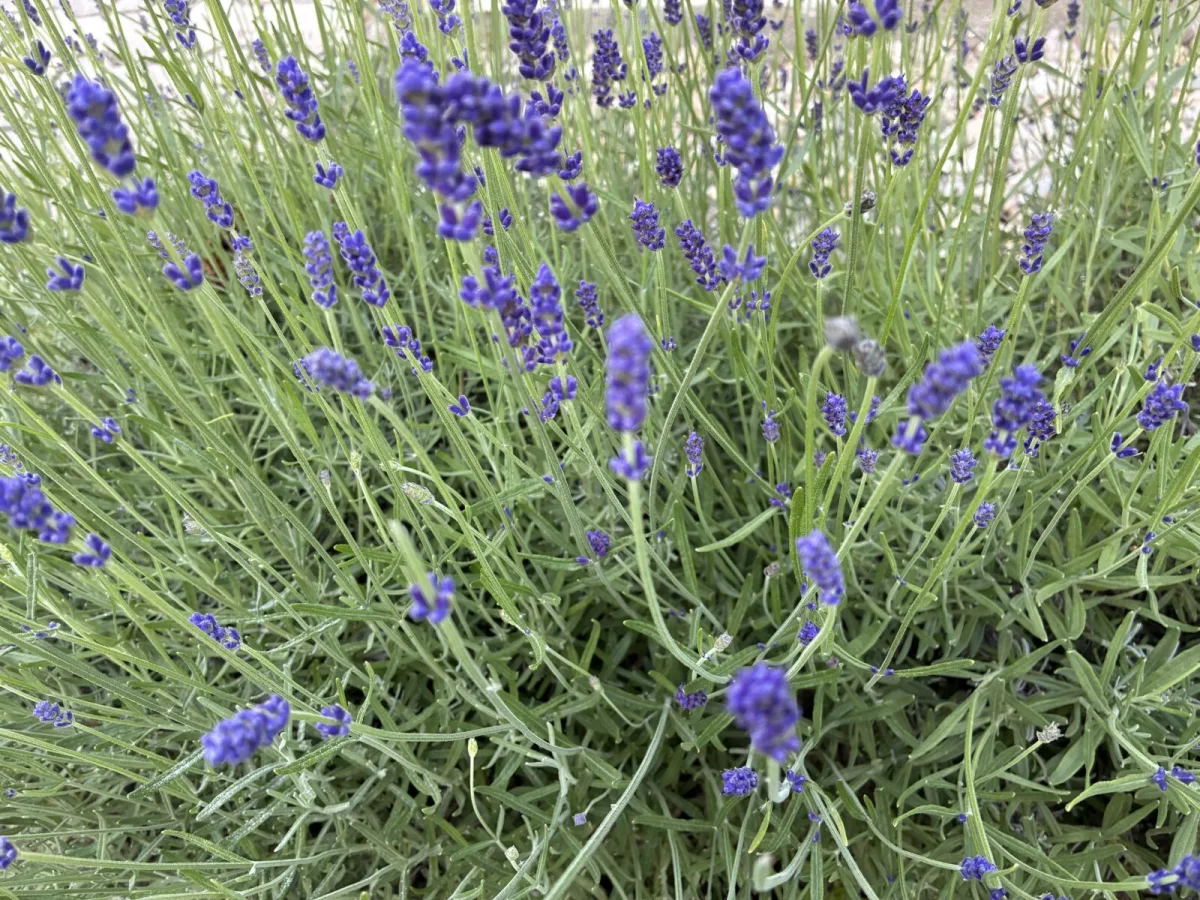
Lavender is one of those hardy, undemanding plants, yet it can’t manage long term without correct pruning. Many growers are unsure when to cut it back and how far they can reduce the stems without harming the plant. Regular pruning is exactly what determines whether your lavender stays dense, compact and packed with flowers in the years to come.
A well-timed, well-made cut encourages fresh shoots, increases flowering the following season, and helps the plant keep a neat, rounded shape. It also prevents the shrub from becoming too woody, stretching upwards and gradually falling apart in the centre. Unpruned lavender is often sparse after a few years, less attractive, and flowers far less.
When to prune lavender during the year
The exact timing depends on your local climate and the variety, but in practice two main pruning dates work well, with one optional tidy-up. The most important cut is after flowering, when the plant is heading towards dormancy. In colder areas, this is usually from late autumn into winter, but always before spring growth begins.
In spring, you can do a light clean-up if the plant has been damaged by frost or if parts have dried out over winter. This spring trim should be gentle and focused on removing damaged or dead stems.
In summer after the main flush of bloom, many gardeners remove the spent flower stems. This helps keep the plant looking tidy and in some cases can encourage a second, lighter wave of flowering. If the lavender was harvested for drying or bunches while it was in full bloom, the summer tidy-up is usually minimal.
Why late autumn pruning isn’t always a good idea
Although autumn shortening is commonly recommended for many shrubs, lavender needs a more cautious approach. Cutting back too late can trigger fresh new growth, which is easily damaged by frost. The plant may also not have enough time to recover before winter, which can weaken it and reduce flowering the following season.
In cold regions, it’s better to keep an eye on the weather and avoid pruning when hard frosts are imminent. It’s also not ideal to cut lavender once it has clearly started into strong new growth. The safest window is during dormancy, or in early spring just before growth resumes, if local conditions allow.
How far back to cut
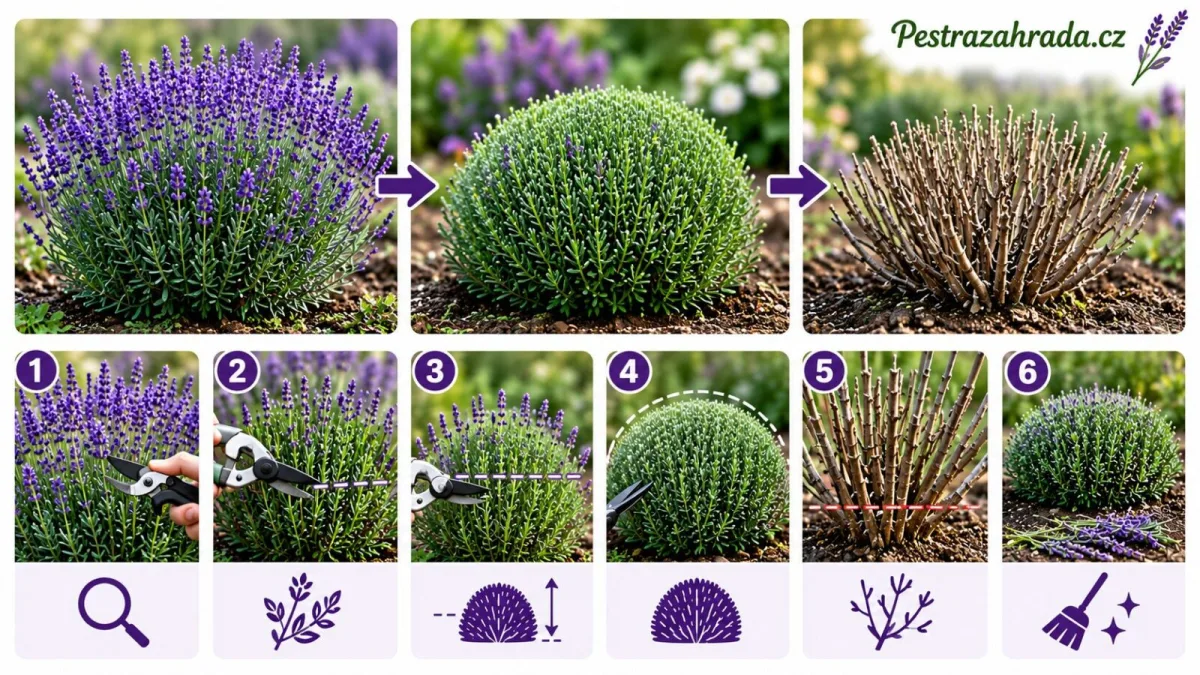
The most important rule is not to cut into old wood. Lavender regrows very poorly from heavily woody parts, and if you cut the shrub back too hard, it may not produce new shoots from those areas. It’s safest to leave a few centimetres of green growth above the woody base.
As a general guide, reduce the plant by about one third. With spring pruning you can, depending on the plant’s condition, take more off—sometimes up to two thirds of the soft, leafy growth—but never back to bare old wood. Young plants tolerate stronger shaping because the aim is to encourage dense branching. Older shrubs require a gentler approach.
After proper pruning, lavender should look like a compact, rounded cushion. If it remains tall, scruffy and leggy, that’s usually a sign of insufficient or irregular cutting.
Two prunings a year as a proven method
Many gardeners follow a simple system of two cuts a year. The first is in spring, usually from late March to early April, just before growth starts. The second follows in summer, most often in July or August, shortly after flowering. This combination helps keep lavender vigorous and reliably floriferous.
Spring pruning is mainly for shaping and gentle rejuvenation within the soft parts of the plant. Summer pruning is primarily for removing flower stems and keeping the plant looking neat. If you prune regularly every year, care is much easier than trying to deal with shrubs that have been neglected for a long time.
Which tools to use
Lavender stems are not usually very tough, so for routine garden care, hand shears or small secateurs are enough. What matters is that they are sharp and clean. A smooth cut heals better and avoids unnecessary stress to the plant.
In larger plantings, hedge shears or other mechanical tools are used to quickly and evenly reduce a greater number of plants. For harvesting long stems for drying, sickles or specialised harvesting knives can also be useful. For home growing, though, good-quality pruners and a careful hand are usually all you need.
What to do with the cut stems
It depends on the stage at which the stems were removed. If lavender is harvested in flower, the stems can be used for drying, scented sachets, decorations, tea blends, or making other fragrant products. The best are well-developed flower spikes with a fresh scent.
If it’s simply a post-planting trim or a later maintenance cut after harvesting, the stems are usually less suitable for further use. Even so, they can go on the compost, be used as mulch, or scattered around the garden where their aroma may help deter some insects. Even after flowering, they often still contain traces of essential oils.
Pruning lavender for drying
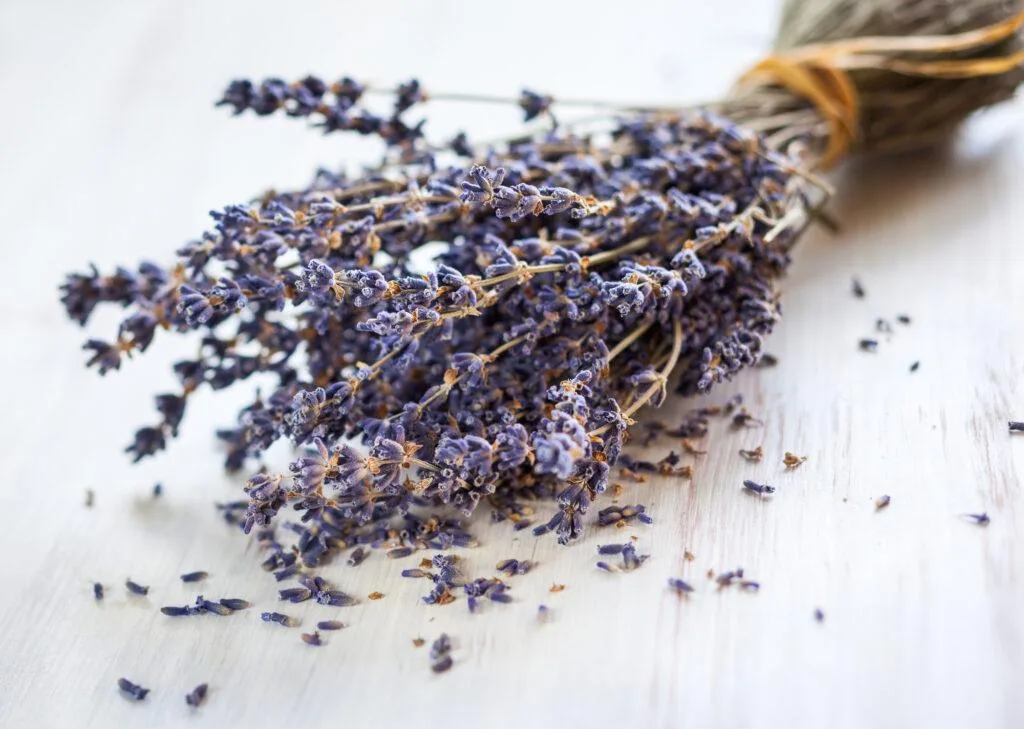
If you want to dry lavender, the ideal time to harvest flower stems is when the blooms are well coloured and just opening. Stems are usually cut about ten centimetres below the flower head. They are then tied into small bunches and dried hanging flower-side down in a dry, airy place.
This method helps lavender retain both its fragrance and appearance. If you leave it to go too far past its best, it can crumble more and the final quality will be lower.
What to do with woody lavender
Heavily neglected shrubs tend to be open in the middle, bare at the base and very woody. A complete fix isn’t easy, because lavender doesn’t break well from old wood. A hard cut deep into woody growth can permanently damage the plant or kill it outright.
If you want to improve the shape, it’s better to work gradually over several seasons. Each year, lightly reshape the plant in the green parts and encourage even branching. The best protection against this problem, though, is prevention in the form of consistent annual pruning.
The most common pruning mistakes
The most frequent errors include cutting too deeply into old wood, skipping pruning for several years, or pruning during severe frosts. Another issue is waiting too long until the plant is already in full active growth. At that point, pruning can be unnecessarily stressful for lavender.
The basic rule is simple: prune regularly but with restraint, and always leave plenty of green growth above the woody base.
How to keep lavender beautiful for many years
Lavender can thrive in the same spot for many years with the right care. Alongside a sunny position and free-draining soil, pruning is one of the most important steps. Annual shaping helps the plant stay dense, rounded and richly flowering.
If you don’t want your lavender to look tired and fall apart after a few seasons, don’t underestimate regular maintenance. A careful but consistent cut is the surest way to keep it healthy, fragrant and ornamental year after year.
Source: Plantura Magazine, Gardenia, Pestrazahrada.cz
Related articles
How to Safely Tell Czech and Chinese Garlic Apart in the Shop by Taste, Appearance and Quality
Czech and Chinese garlic can look similar at first glance, but they differ noticeably in flavour, aroma, bulb structure and keeping quality. Learn the quick visual and kitchen tests that help you choose the better bulb with confidence.
Three Mistakes When Packing Cabbage into a Crock That Can Turn Your Winter Stores into Waste
Traditional crock-fermented sauerkraut keeps for months and stays wonderfully crisp—if you avoid a few common missteps. Here are the three mistakes that most often lead to soft, grey, foul-smelling cabbage and how to prevent them.

One Rat in the Garden Can Quickly Turn Into a Colony How to Prevent It Without Chemicals
A rat on your property is a warning sign that your garden is offering food and shelter. With a few practical, chemical-free changes, you can make the area far less attractive and stop a bigger infestation taking hold.
Comments (0)
Be the first to comment.