 English
  Polski
  Deutsch
  Nederlands
  Svenska
  Norsk
Norsk  Dansk
Dansk  Français
  Italiano
  Español
  Português
  Slovenčina
  Suomi
Suomi  Gaeilge
Fast Growing Trees for Partial Shade That Will Enhance Any Garden
Not every fast-growing tree needs all-day sun. These reliable choices cope well with partial shade and quickly add structure, seasonal colour and privacy to your garden.
5 min read

Not every fast-growing tree needs all-day sun. These reliable choices cope well with partial shade and quickly add structure, seasonal colour and privacy to your garden.
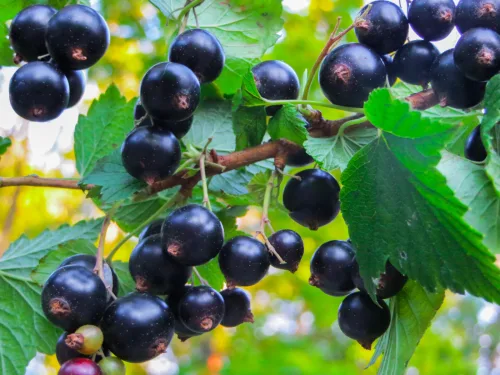
Currants need attention after harvest, not just in spring. Smart pruning, steady watering, balanced feeding and simple prevention now set up stronger bushes and a heavier crop next season.
Bay leaves aren’t just for soups and sauces. Used the right way, they can help curb fungus gnats breeding in potting mix and noticeably reduce the annoying flies around houseplants.
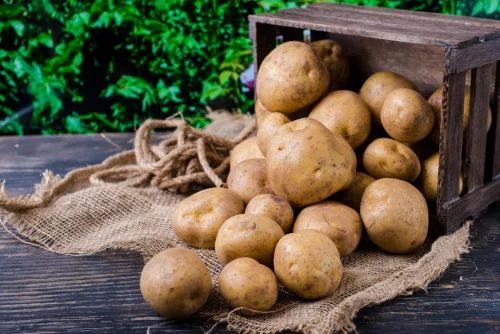
Potatoes often spoil over winter not because the crop was poor, but because of small storage mistakes. Keep them dry, cured, cool, dark, and well ventilated to prevent sprouting and rot until spring.
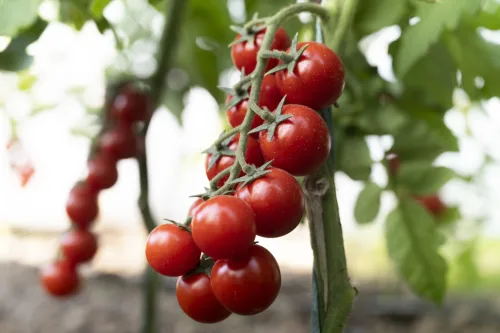
Tomatoes don’t have to stay green until late summer. With a few simple, chemical-free tweaks, you can push plants to ripen sooner and protect your crop from cool nights, wet weather and blight.

A thick, deep-green lawn doesn’t happen by accident—it comes from consistent, season-long care. Combine cleanup, feeding, mowing, and soil work to build a denser turf that stands up better to drought, weeds, and wear.
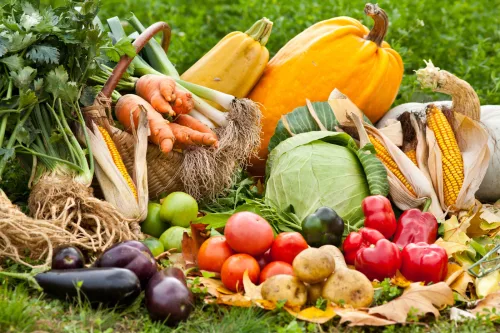
Late summer warmth in the soil makes autumn sowings surprisingly fast to germinate, and many crops actually taste better after a light frost. With smart timing and a few reliable choices, you can keep harvesting right up to the first hard freezes.
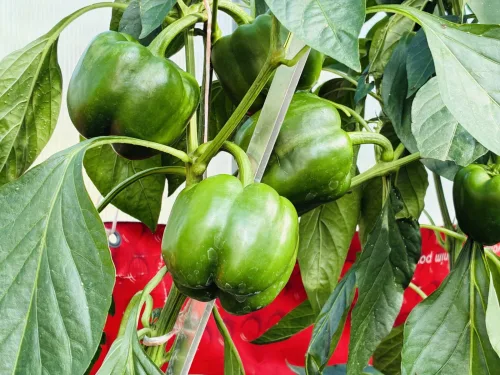
Pepper plants can look lush and healthy yet refuse to flower or set fruit. Check temperature, sunlight, feeding, watering stability and pollination to get them back on track.
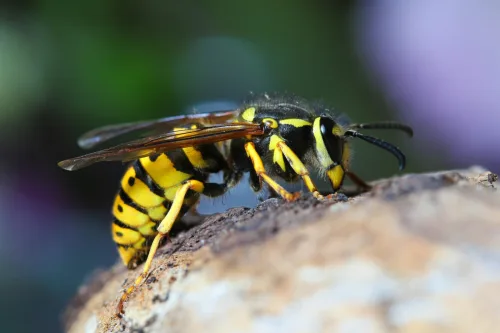
Weathering isn’t always the main culprit behind damaged outdoor timber. Wasps can scrape fibres from boards and beams surprisingly fast, leaving grooves that soak up water and accelerate decay.
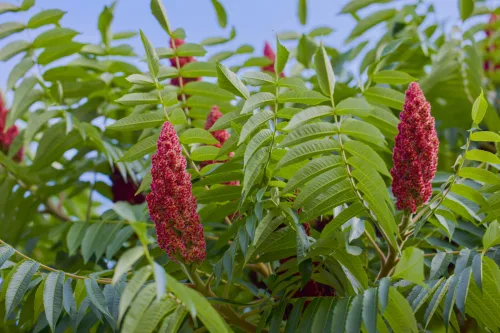
Sumac is a tough, drought-tolerant ornamental that delivers dramatic autumn colour with minimal fuss. Success depends mainly on a sunny, open position, free-draining soil, and planting at the correct depth.
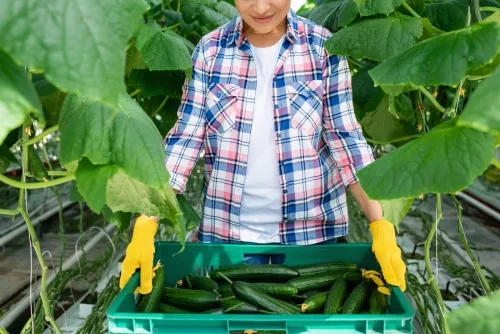
Cucumbers grow fast and generously, but only when they have the right site. Avoid these eight problem spots to prevent weak growth, disease, and bitter or misshapen fruit.
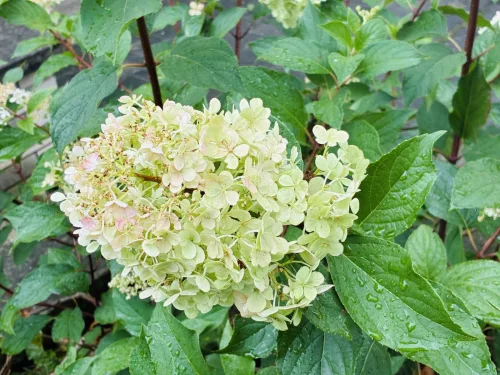
Hydrangeas don’t all set flower buds the same way, so autumn tidy-up can either protect next year’s blooms or remove them. Learn when to deadhead, how hard to prune by type, and how to winter-protect plants in the ground and in pots.
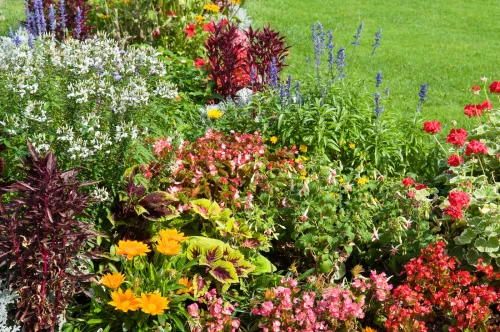
Self-seeding flowers keep coming back by dropping seed after flowering, filling gaps and creating a natural, meadow-like look with very little effort. Choose reliable species and tweak your tidy-up routine to encourage seedlings without letting the bed look messy.

September is often underestimated, yet it can save you a lot of work in spring. With warm soil and cooler air, it’s an ideal time for sowing hardy crops, planting bulbs, and getting ornamentals well rooted for an earlier start next year.
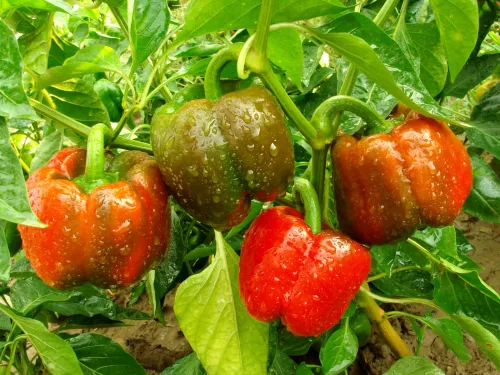
Peppers don’t necessarily have to end up on the compost heap after the final harvest. With the right autumn care, a healthy plant can overwinter and crop again next season without resowing.
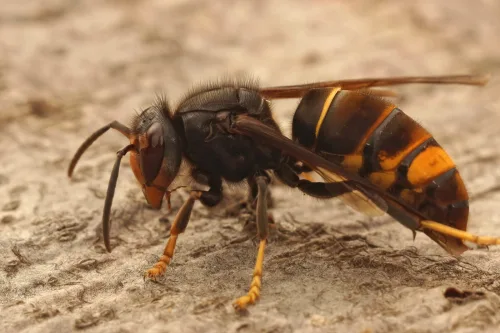
A single Asian hornet has been seen repeatedly in Liběchov in July and early August, raising concerns it may have arrived with transported goods. Authorities are urging the public to report sightings so any nest can be found and removed quickly.
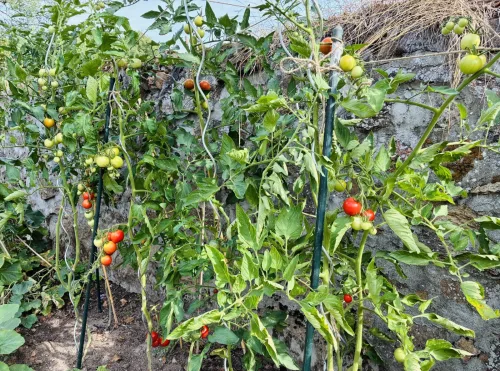
In hot, muggy weather, tomatoes are far more prone to fungal disease when leaves stay wet and air can’t move through the plant. A few targeted cuts and a simple mulch “skirt” at soil level can dramatically reduce disease pressure.
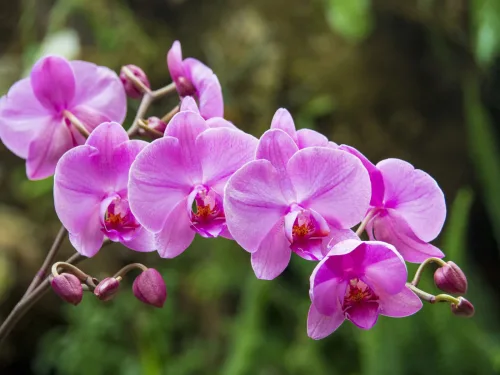
Store-bought orchid fertilisers don’t always deliver more flowers. A gentle garlic infusion, used correctly and paired with the right conditions, can help encourage stronger blooming.
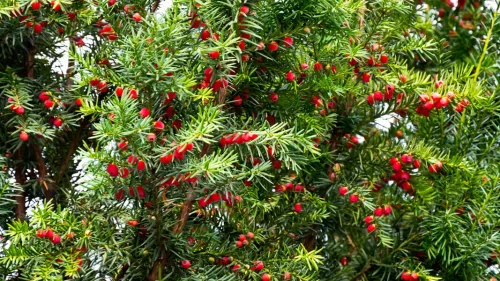
When a yew starts browning and shedding needles, the cause is often a mix of growing-condition stress and fungal disease. Learn how to tell them apart and what to do first to help the plant recover.
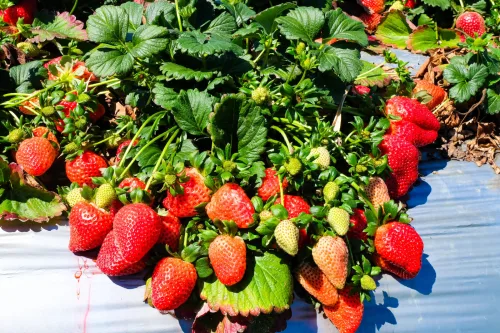
Strawberry plants typically lose vigour after about five years in the same bed. Set up a new, sunny strawberry patch in late summer or early autumn for stronger rooting and a heavier crop next season.
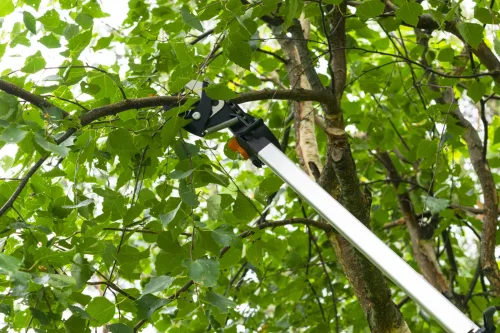
Correct pruning shapes a fruit tree’s crown, supports reliable cropping, and prevents long-term stress or decline. Learn how timing, technique, and the tree’s age determine what to cut and when.
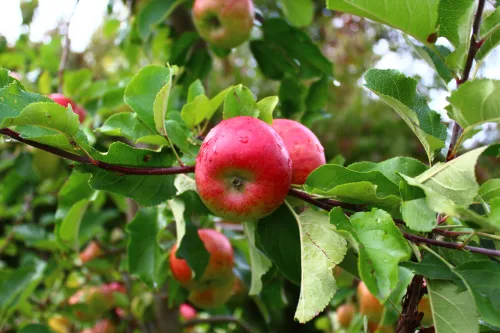
September is one of the busiest months in the garden, when harvesting overlaps with sowing and planting for next year. A little planning now brings earlier flowers, healthier beds, and less work in spring.
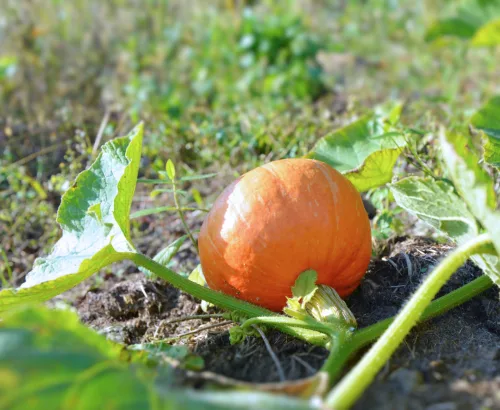
Pumpkins grow fast and need plenty of nutrients to size up properly. Homemade nettle tea is an effective, chemical-free feed when diluted correctly and applied regularly at the roots.
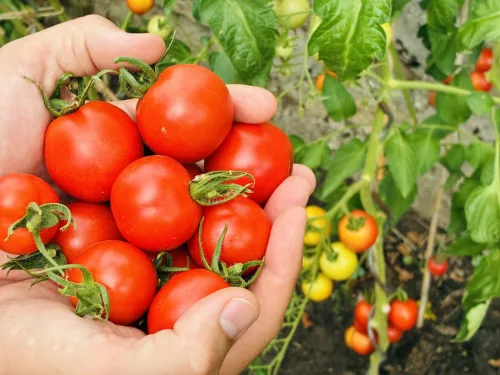
A hot, dry summer often brings a bumper tomato crop. Here are practical ways to preserve tomatoes so you can enjoy that summer flavour all winter long.

Sowing a lawn from seed is cost-effective and lets you match the grass mix to your garden conditions. With the right timing, thorough preparation and gentle aftercare, you’ll get a dense, resilient lawn that lasts.
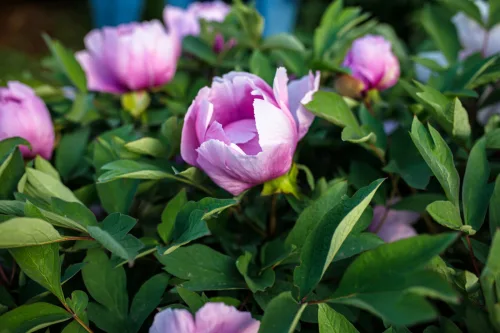
Once peonies finish blooming, the aftercare you give them determines how well they store energy for next year’s flowers. Learn exactly what to cut, what to leave, and how to support the plant through summer.
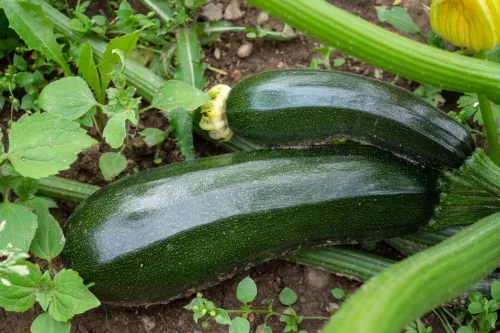
Zucchini isn’t inherently poisonous, but it can become unsafe when bitter cucurbitacins build up in the fruit. Learn what causes it, how to recognize the warning sign, and how to prevent it in the garden.
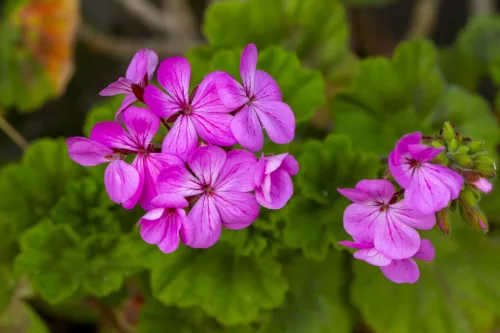
A geranium with yellowing leaves and bare stems can often be brought back if the roots are still alive. The key is correct diagnosis and a reset of the basics: pruning, watering, drainage, light, and feeding.
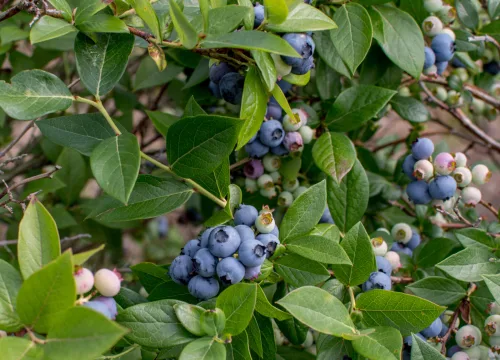
Once the last berries are picked, your blueberry bush is already setting the stage for next season. A little pruning, the right feeding, steady moisture and fresh mulch can mean far more flowers and fruit next year.
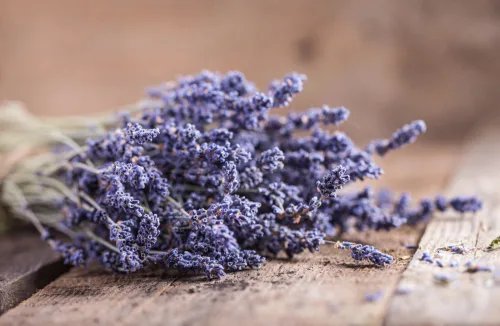
Don’t throw away lavender stems and faded flower heads after summer pruning. Steep them in vinegar to make a gentle, naturally scented fabric softener in no time.
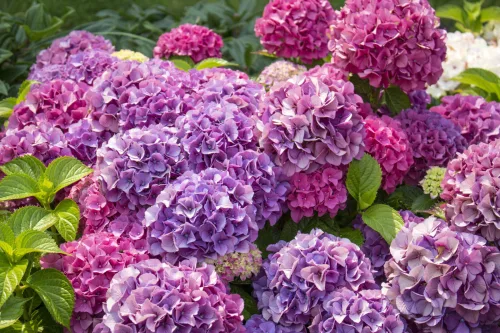
In August, hydrangeas are still using huge amounts of energy to flower while already starting to harden growth for autumn. Switching to low-nitrogen feeding with more potassium and phosphorus helps blooms last longer and plants head into cooler weather stronger.
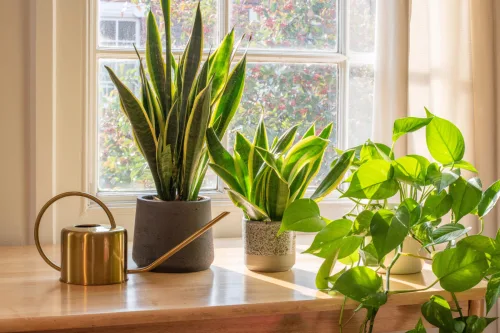
A small amount of diluted beer can help clean dusty leaves and add a gentle nutritional boost to houseplants. Used sparingly, it can improve shine and overall plant vitality without complicated products.
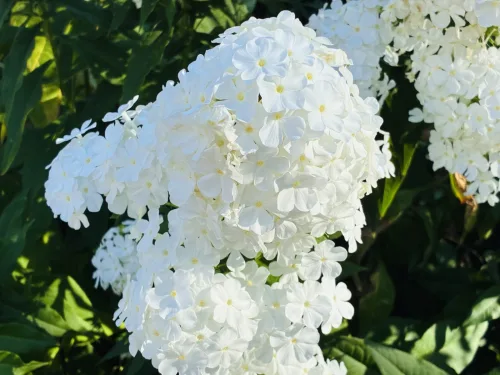
Phlox is a classic cottage-garden perennial that brings rich colour, fragrance, and pollinators into the border with minimal fuss. Choose the right spot for the species, keep moisture even, and you’ll be rewarded with weeks of bloom.
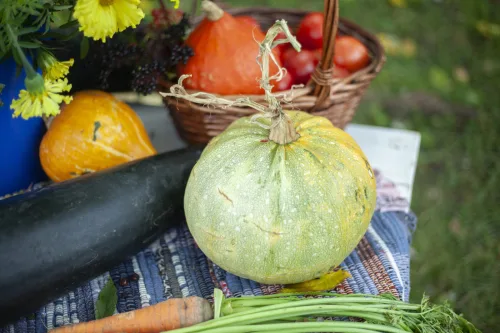
Cool temperatures and the right humidity make all the difference when storing home-grown vegetables. Learn how to handle, cure and store each crop so your harvest lasts for weeks or even months.
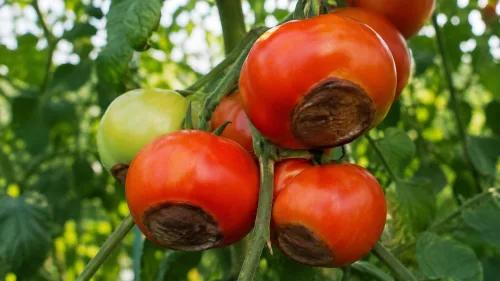
That black, leathery patch on the bottom of tomatoes isn’t blight but blossom end rot caused by disrupted calcium supply. With steadier watering, mulching and a quick calcium foliar feed, you can still save much of the crop.
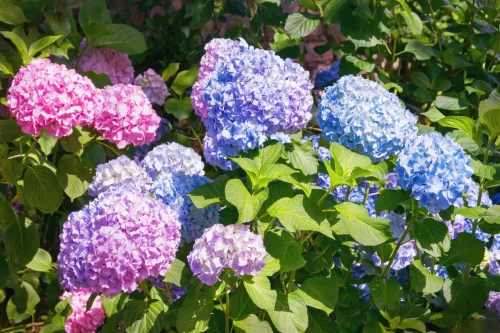
Hydrangeas can look limp in hot weather even if you’ve been watering faithfully. The key is to check what’s happening in the root zone, then adjust watering, shade and mulching so the plant can actually use the moisture available.
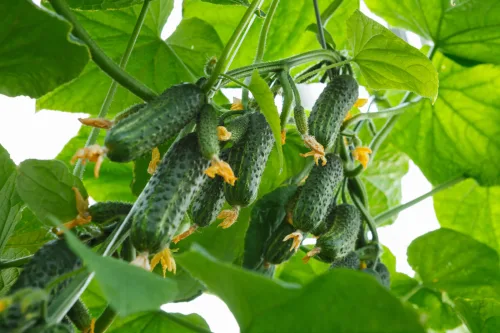
Cucumbers often start to tire late in the season, with weaker nutrient uptake and more pressure from pests and disease. A simple root drench made with diluted vinegar is one option some gardeners use in August to help keep plants productive for longer.
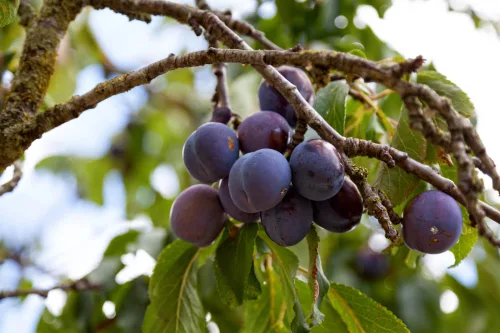
A light summer prune after harvesting plums can open up the canopy, improve airflow and light, and help the tree set up better fruiting wood for next season. The key is timing and restraint—save heavy rejuvenation pruning for spring.
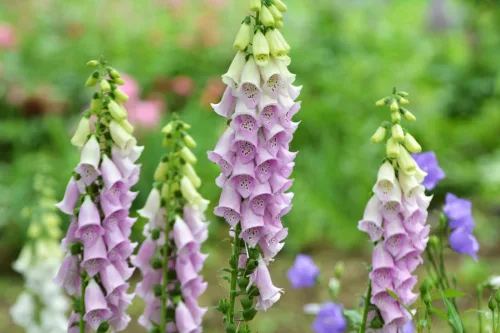
Some of the most dangerous poisonous plants aren’t found in distant jungles, but right along paths, in parks, and in ordinary gardens. Learn which common species can cause serious poisoning after just a few berries, seeds, or even careless handling.
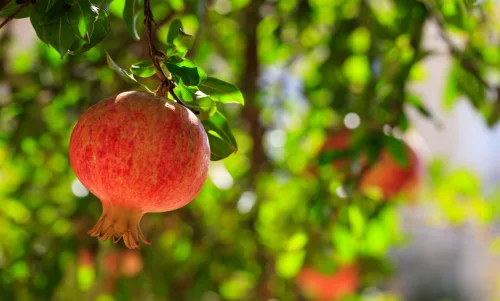
Fig, pomegranate and even some olives can cope with increasingly dry summers in parts of the Czech Republic—provided you pick hardier cultivars and give them a warm, sheltered spot. With the right siting and winter protection, these “holiday” trees can reward you with real harvests at home.

Most insect bites and stings are unpleasant rather than dangerous, but the right first aid can markedly reduce pain, swelling and itching. Learn what actually works, which home remedies are hit-and-miss, and when to seek urgent medical help.
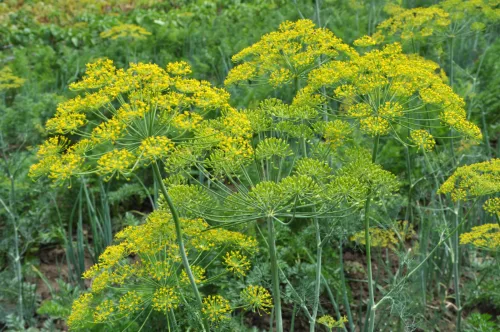
Beds start to open up after early crops are harvested, and August is a perfect moment to sow dill again. With loose soil and steady moisture, you can keep harvesting tender, fragrant fronds through September and often well into October.
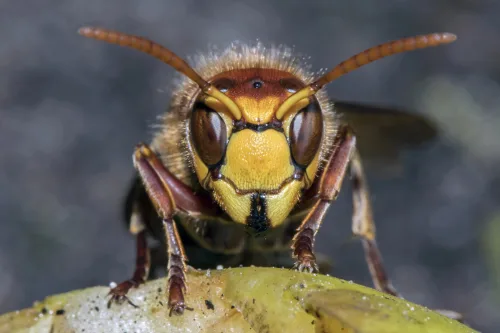
Late-summer wasps and hornets can turn patio meals into a battle. A small dish of smouldering dry ground coffee helps mask food scents and makes the area far less inviting—without chemicals.
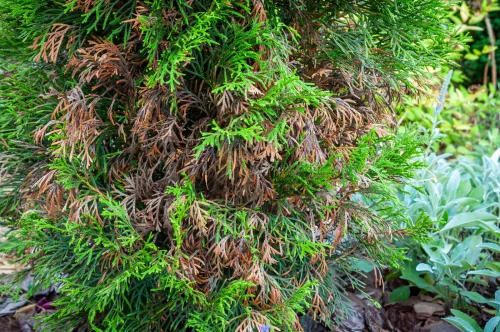
Browning inside arborvitae is common and can be caused by fungal issues, pests, or growing conditions such as shade and watering mistakes. With quick intervention and better care, plants usually recover and green up again.
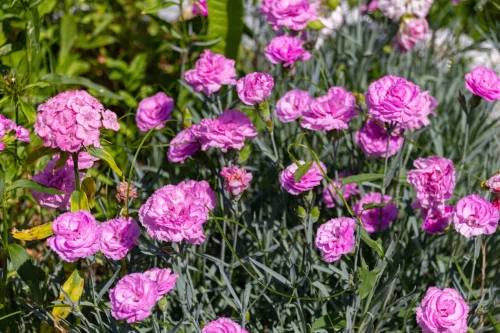
Carnations are far more varied and long-lasting than their old-fashioned reputation suggests. With simple care, they’ll shine in a vase for weeks and thrive in beds, rock gardens, and containers.
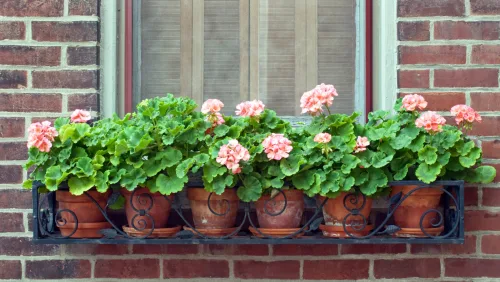
In summer heat, geraniums fail just as easily from drought as from soggy roots. Use a simple soil check, water at the right time of day, and adjust to weather so they keep flowering through hot spells.
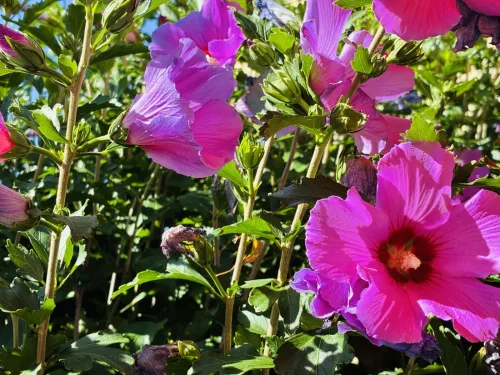
Hibiscus can cover itself in big, showy blooms for weeks on end, even though each flower is short-lived. Get the basics right—sun, evenly moist but well-drained soil, feeding, pruning, and pest checks—and flowering becomes longer and more reliable.
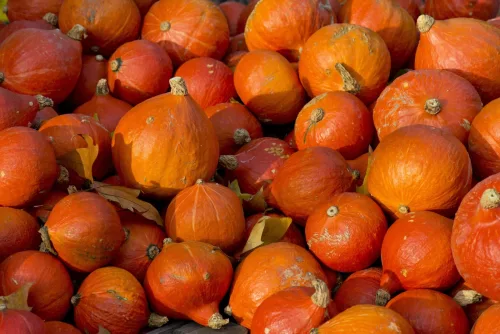
Hokkaido squash is a reliable winter squash with a rich, nutty flavour and straightforward cultivation. Learn when to sow and plant it, how to pinch it for better ripening, and how to harvest and store it for months.
From August 2026, small garden structures will often be easier to build without a permit or notification, with a higher area limit than before. Wells and domestic wastewater treatment systems, however, will face stricter requirements and tighter oversight.
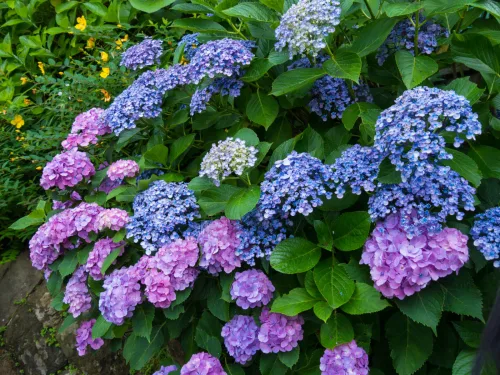
Hydrangea colour isn’t always fixed by the variety. With the right soil pH and consistent care, you can gradually shift some hydrangeas from pink to blue and help them stay that way.