
 English
 Polski
 Deutsch
 Nederlands
 Svenska
 Norsk
 Dansk
 Français
 Italiano
 Español
 Português
 Slovenčina
 Suomi
 Gaeilge
Garden robotics and automation save time but one thing surprises owners after purchase
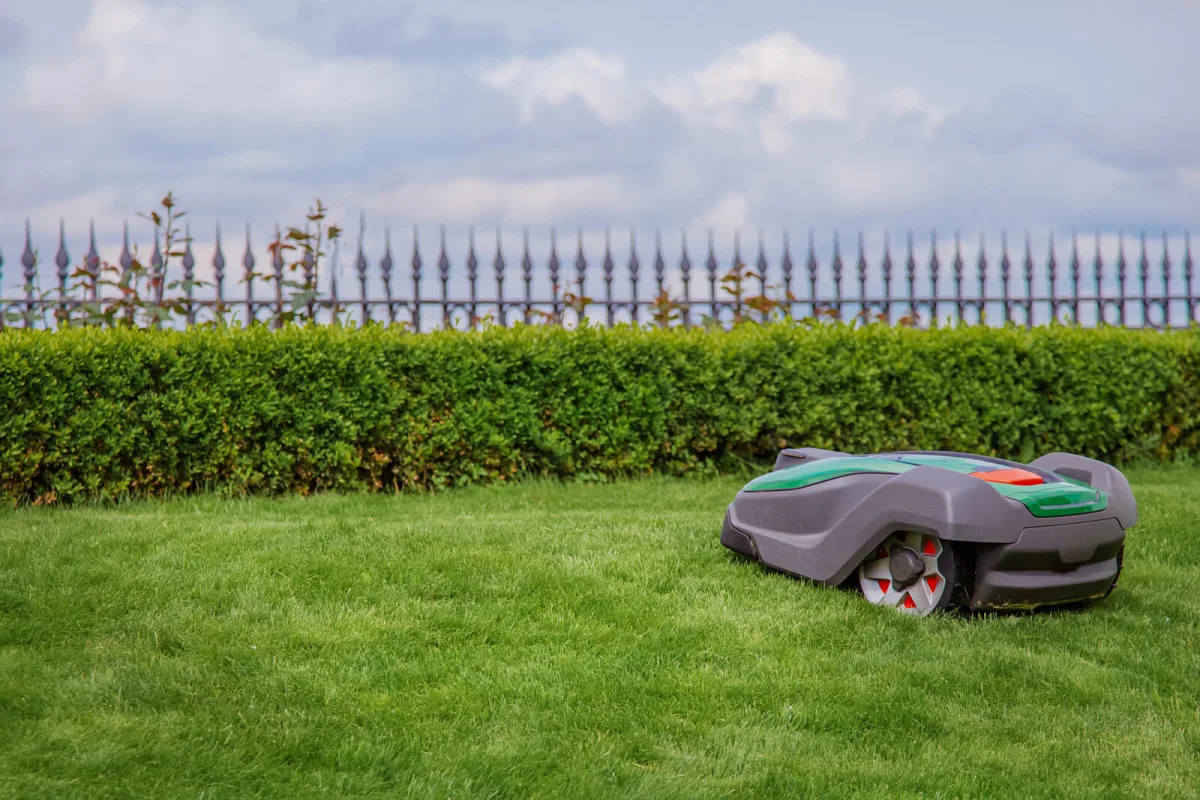
The idea that the lawn gets cut without your help, beds are watered at the right time and looking after shrubs and trees is easier than it used to be is no longer unusual. Automation is making stronger inroads into gardens too, and what was once a novelty is becoming a standard part of modern home set-ups. Robotic mowers, irrigation systems and smart sensors can save labour, give you a better overview of conditions on the property and often make everyday green-care more precise.
Many people mainly value the fact that technology can take over repetitive jobs that eat up time and energy. Even so, before buying this sort of equipment it makes sense to consider whether it really suits your garden. The terrain, the size of the area, the number of obstacles and your overall budget for purchase and running costs all play an important role.
A robotic mower can take a big load off
Most often, automation is discussed in connection with mowing. A robotic mower can keep the sward at an even height on a regular basis, without you having to haul a heavy machine around the garden. Its advantages tend to include quiet operation and lower emissions compared with traditional petrol models. If the grass grows quickly, running the robot regularly helps keep the lawn looking tidy almost continuously.
Convenience is another major benefit. While standard mowing often means setting aside part of the weekend, the robot works independently according to the schedule you set. For owners of flat, open areas, this can be a very welcome change and mean more time to relax or tackle other jobs around the house.
Where automated mowing meets its limits
Not every garden is ideal for this type of device. Problems can arise on sloping plots, uneven ground or where there are lots of trees, beds, edging, and narrow passages. Some models also require a perimeter wire to define boundaries, which makes installation longer and can push costs up.
Weather and grass condition can be limiting too. Not every machine copes well with wet or overly long grass. If you need to cut a large area in a short time, the capacity of some models may not be sufficient. Before buying, it’s worth comparing what a specific unit can do with the real conditions on your plot.
The purchase price doesn’t end with the purchase
An automated helper may save time, but it usually isn’t cheap. On top of the unit itself, you need to factor in installation, possible laying of a boundary system, routine maintenance, blade replacements, servicing and costs connected with the battery. These add-on expenses are often underestimated when people are deciding.
Robotic technology can make the work much simpler, but it’s rarely completely worry-free and it calls for a well-thought-out investment.
That’s why it pays not to focus only on the ticket price listed in the shop. More important is the overall picture: what it will cost to run over the course of several years, and how often user intervention or professional servicing will be needed.
Irrigation and sensors bring comfort and precision
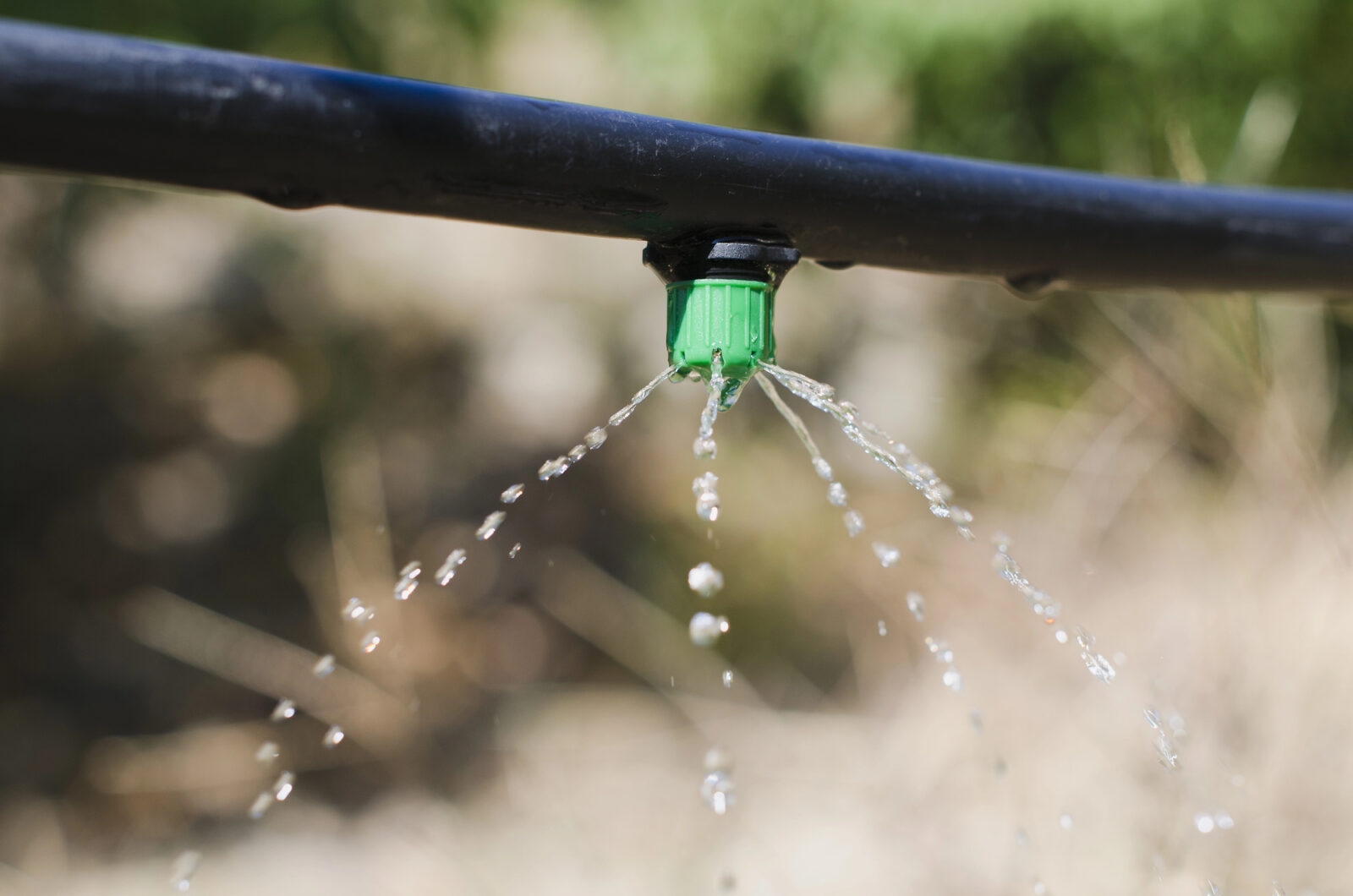
Alongside mowing, smart irrigation is another popular form of automation. Systems with timers or moisture sensors can deliver water to plants when they genuinely need it. The result can be more efficient water use, a lower risk of waterlogging and more consistent care for lawns, beds and shrubs.
This type of solution is especially practical in larger gardens or during holidays, when manual watering isn’t possible. Accurate water dosing is also an advantage in changeable weather, because it limits pointless, guesswork watering.
Even a smart system needs supervision
Automatic irrigation isn’t maintenance-free, though. Filters, hoses and sprinklers need to be checked and cleaned regularly. If sensors are set incorrectly or the system isn’t properly calibrated, you can end up overwatering or, conversely, not watering enough. That quickly shows in the condition of your plants.
Automation delivers the best results where it matches the terrain, the garden’s needs and the owner’s means. On a suitable plot it can offer more free time, a neater lawn and healthier planting. In complicated gardens and with a tight budget, however, it’s better to decide carefully and not fall for the idea that technology will solve everything on its own.
Source: Gardening News, Farm Bot, Pestrazahrada.cz

A lover of nature, gardens, and everything that moves, blooms, or grows. He literally grows everything, from herbs to rare species, and he enjoys caring for animals just as much. In his work, he connects modern technology with tried-and-tested grandmotherly methods and is happy when both paths lead to the same goal.
Related articles

How to Safely Tell Czech and Chinese Garlic Apart in the Shop by Taste, Appearance and Quality
Czech and Chinese garlic can look similar at first glance, but they differ noticeably in flavour, aroma, bulb structure and keeping quality. Learn the quick visual and kitchen tests that help you choose the better bulb with confidence.

Three Mistakes When Packing Cabbage into a Crock That Can Turn Your Winter Stores into Waste
Traditional crock-fermented sauerkraut keeps for months and stays wonderfully crisp—if you avoid a few common missteps. Here are the three mistakes that most often lead to soft, grey, foul-smelling cabbage and how to prevent them.
One Rat in the Garden Can Quickly Turn Into a Colony How to Prevent It Without Chemicals
A rat on your property is a warning sign that your garden is offering food and shelter. With a few practical, chemical-free changes, you can make the area far less attractive and stop a bigger infestation taking hold.
Comments (0)
Be the first to comment.