
 English
 Polski
 Deutsch
 Nederlands
 Svenska
 Norsk
 Dansk
 Français
 Italiano
 Español
 Português
 Slovenčina
 Suomi
 Gaeilge
One Wrong Autumn Prune Can Leave Your Hydrangeas Flowerless Next Season
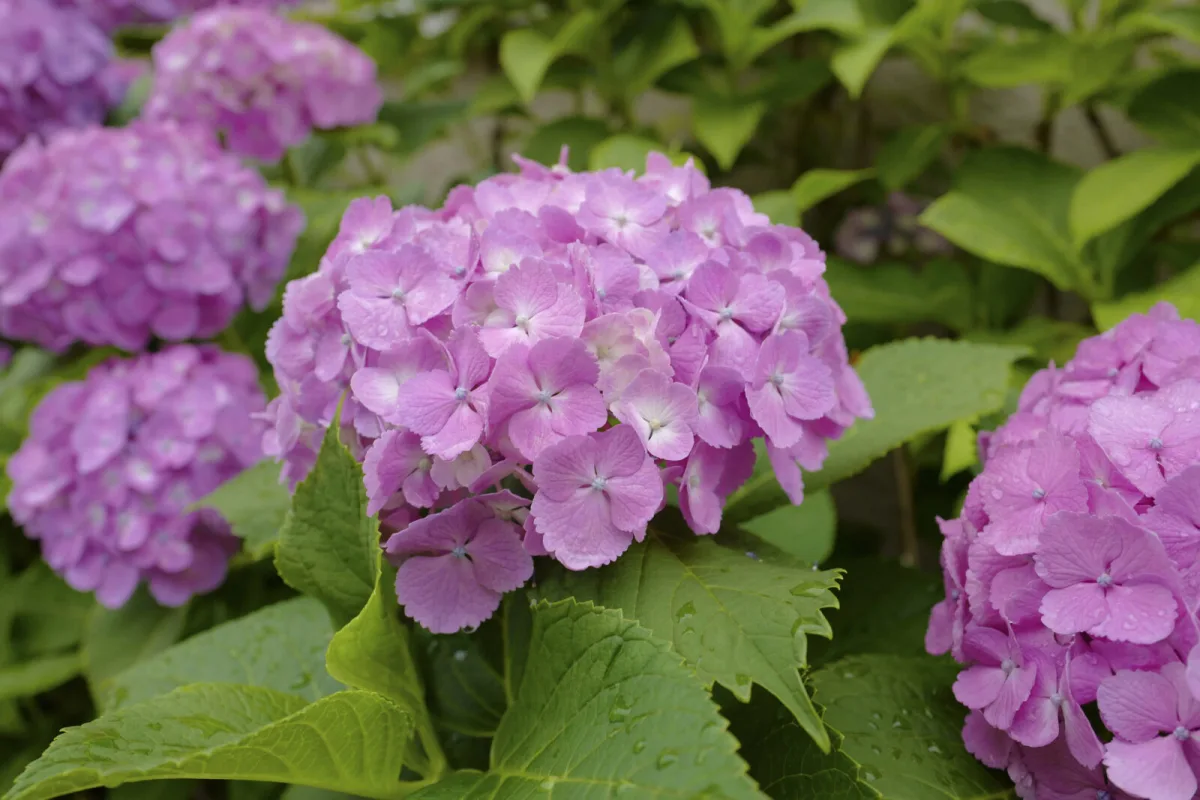
Hydrangeas are among the most popular ornamental shrubs in gardens because they look lush and elegant, and in bloom they grab your attention at first glance. That’s exactly why it’s such a disappointment when they fail to flower the following year. A common reason isn’t disease or bad weather, but an ill-timed snip with the pruning shears. If the grower doesn’t know which type of hydrangea they have and when it should be pruned, it’s easy to deprive the plant of flowers for the entire next season.
The conditions hydrangeas like best
Most hydrangeas do best in partial shade, where they aren’t exposed to harsh sun all day. Only some types cope well with full sun, for example certain shrub forms. Soil matters too. Hydrangeas grow best in a slightly acidic, humus-rich soil that’s well supplied with nutrients. The ground shouldn’t dry out for long periods, but it mustn’t stay waterlogged either. Regular watering, feeding, and correctly timed pruning decide whether the shrub will grow strongly and flower abundantly.
The biggest mistake often happens in autumn
With bigleaf garden hydrangeas, you need to be especially careful. These plants form their flower buds on shoots that were made the previous year. In other words, what grows this year will carry flowers next season. So if you cut off strong young branches in autumn, or too early in spring without thinking, you remove the future blooms as well. The result is simple and frustrating: the shrub stays alive, but it won’t flower the next year.
That’s why autumn pruning isn’t recommended for bigleaf garden hydrangeas. Over winter, it’s better to leave not only the shoots but also the dried flowerheads. They give the plant a bit of protection and help it cope with frost. If they’re removed too early, the shrub can be weakened and may overwinter poorly.
When and how to prune bigleaf garden hydrangeas
The right time to intervene is in spring. Even then, the goal isn’t hard cutting back. Remove mainly old, damaged, weak, or completely dead shoots. Strong, healthy young stems must be left, because that’s where the flowers will form. With this type of hydrangea, less really is more. Over-enthusiastic pruning quickly shows up as a lack of blooms.
Panicle and smooth hydrangeas follow different rules
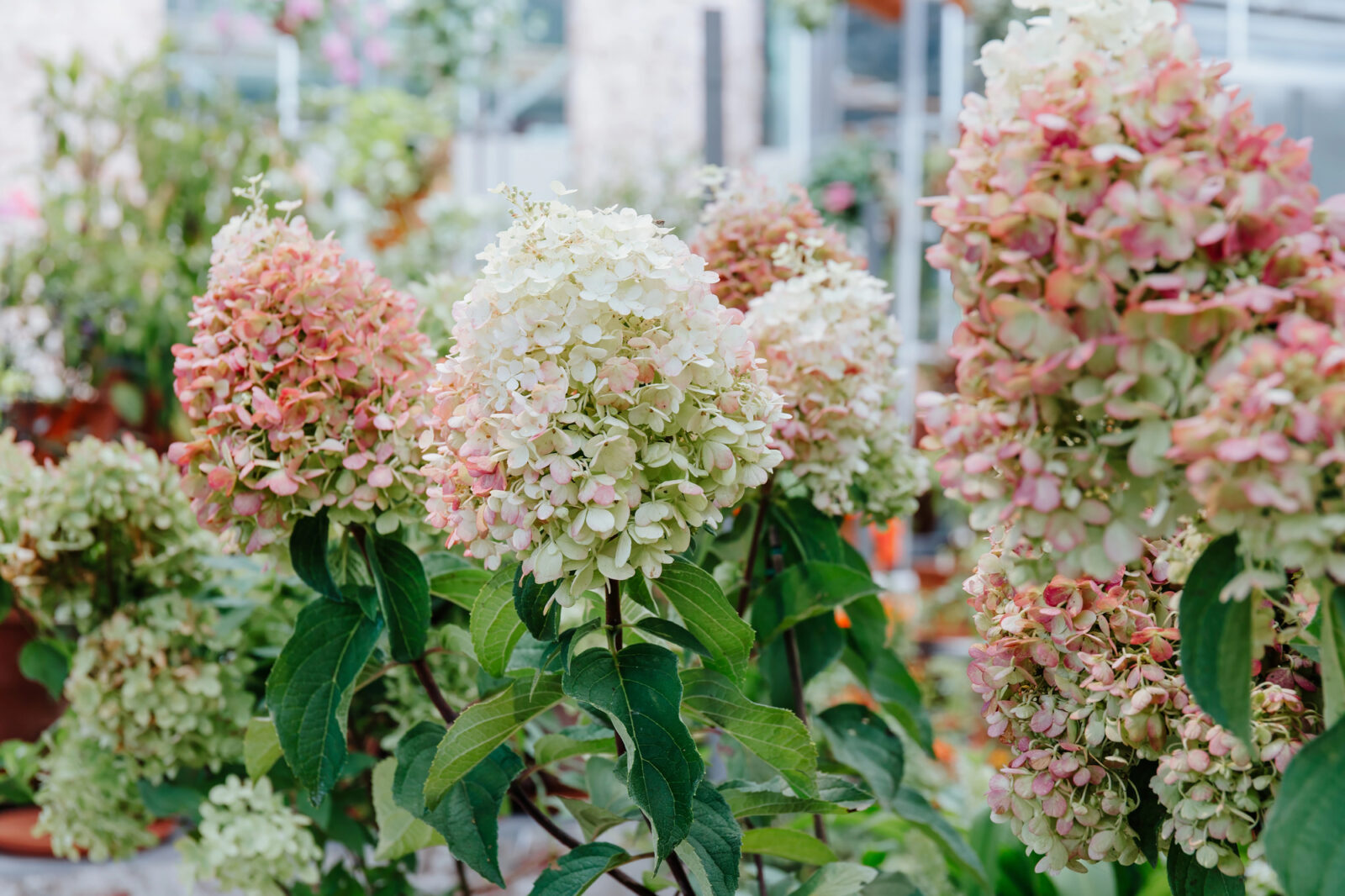
Not all hydrangeas behave the same way. Panicle hydrangeas and smooth hydrangeas flower on new shoots that grow in the same year. That means pruning them isn’t nearly as risky for future flowering. Even if they’re cut back quite hard, the plant will shoot again in spring and the flowers will appear on the new growth.
Even so, many gardeners leave the dried flowerheads on these types until spring as well. The reason is similar to bigleaf hydrangeas. The dead parts can partly protect the shrub over winter, and there’s no need to weaken the plant before frosts. In spring, you then remove mainly the older shoots from last year, which are easy to recognise by the remains of the dried blooms.
How to propagate hydrangeas into new plants
If you want to expand your collection without extra cost, you can propagate hydrangeas from cuttings. First, cut a healthy, strong stem and remove the leaves from its lower part. One interesting home method is to use a banana peel. Cover it with water, optionally add a rooting stimulant, and after a short soak use the resulting solution to support rooting.
Rub the end of the prepared cutting with the fleshy inside of the banana peel and leave it for a longer time in the prepared solution. After a few weeks, small roots may appear and the cutting can be potted up into an acidic compost suitable for hydrangeas. After planting, thorough watering and a spot in partial shade are important. If the young plant has enough moisture and calm conditions, it will build strength well and can later be moved to a permanent position in the garden.
Correctly identifying the type determines flowering
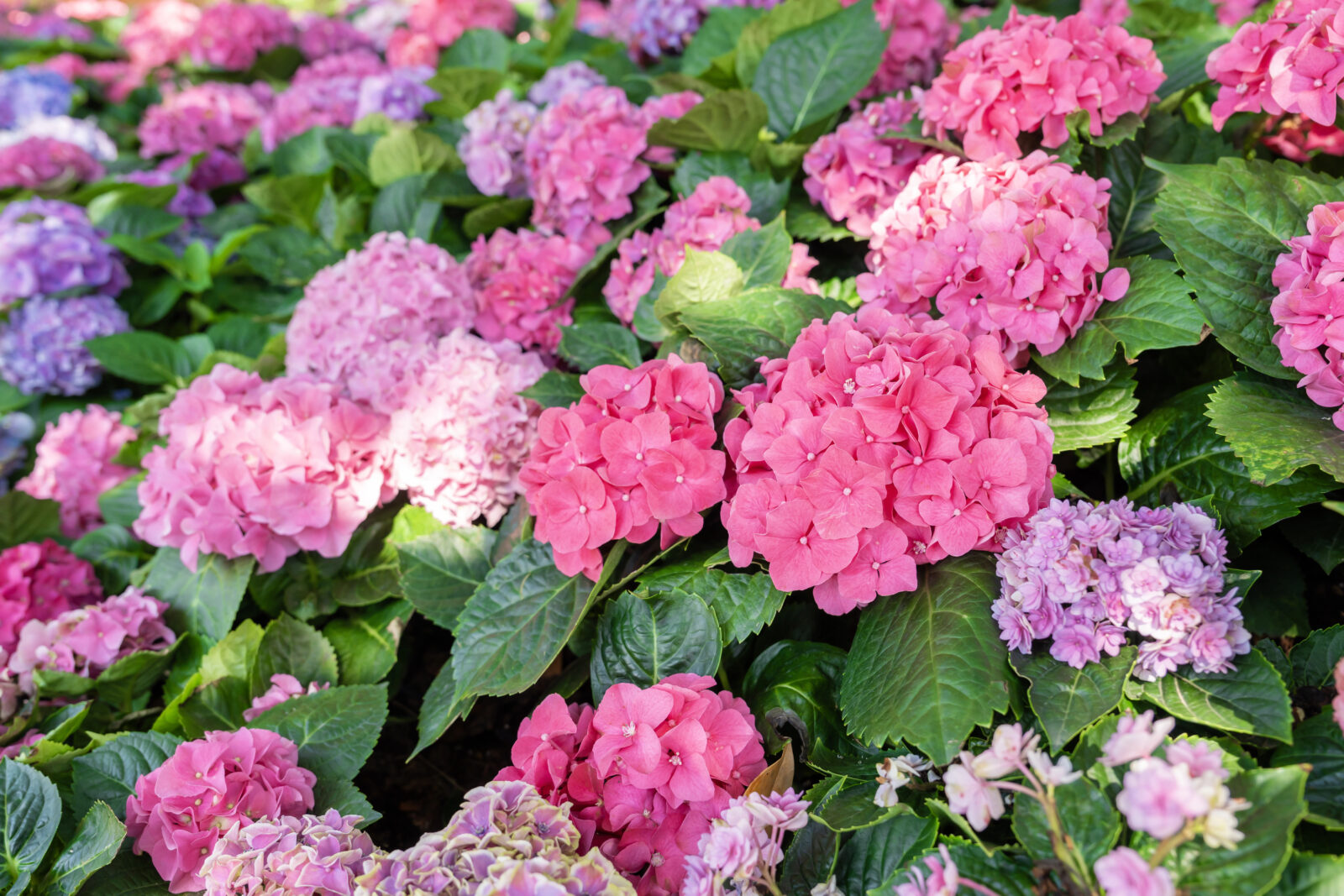
The most important rule when growing hydrangeas is knowing which type you have. That determines both the timing and how hard you can prune. Bigleaf garden hydrangeas don’t tolerate autumn shortening of vigorous young shoots, because that removes their flower buds. Panicle and smooth types are tougher in this respect, but even with them it’s usually wiser to leave the main prune until spring. Once you understand this difference, you’ll avoid the most common mistake and enjoy abundant flowering next season too.
Source: Gardening Know How, To je nápad, Pestrazahrada.cz

A lover of nature, gardens, and everything that moves, blooms, or grows. He literally grows everything, from herbs to rare species, and he enjoys caring for animals just as much. In his work, he connects modern technology with tried-and-tested grandmotherly methods and is happy when both paths lead to the same goal.
Related articles
Don’t Prune Hydrangeas in October
Tidying the garden in autumn is tempting, but October pruning can cost your hydrangeas next year’s flowers. Only two light interventions make sense this time of year; everything else is best left until the right season.
A Pineapple Top Will Root in Two Weeks, but Success Depends on the Step Most People Skip
Don’t throw away the leafy crown when you cut a pineapple. With the right prep, light, warmth and careful watering, you can root it and grow a houseplant that may eventually fruit.
Overwintering Geraniums in a Box Ensures Stronger Growth and More Abundant Spring Bloom
Many people throw balcony geraniums away after the season, even though they can overwinter very well. Stored correctly in a box in cool, dark, dry conditions, they’ll come back stronger and flower generously in spring.
Comments (0)
Be the first to comment.