
 English
 Polski
 Deutsch
 Nederlands
 Svenska
 Norsk
 Dansk
 Français
 Italiano
 Español
 Português
 Slovenčina
 Suomi
 Gaeilge
Common Hedgerow Rose Hips Support Joints and Skin as Science Confirms Folk Wisdom
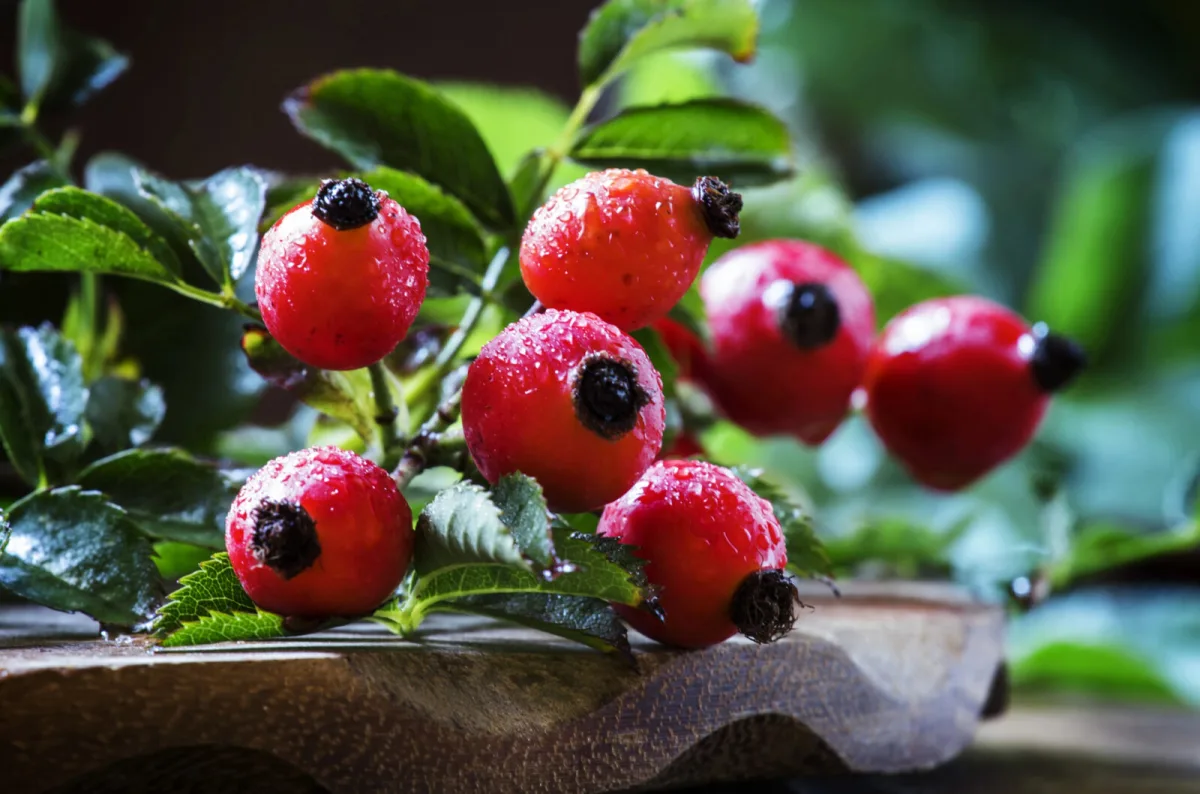
Rose hips are the fruits of roses that form beneath the petals after flowering. Most often they ripen to a red-orange colour, though yellow and darker forms exist too. While rose blossoms are mostly associated with beauty, rose hips have earned attention for their nutritional profile and their long-standing place in traditional remedies. They typically ripen in autumn, and many people pick them after the first frosts, when they can taste milder and a little sweeter.
For centuries, rose hips have been used as a natural aid for a range of complaints. Today, modern nutrition and skincare are taking an interest as well, because they contain compounds linked with cellular protection, reduced inflammation and skin support.
Nutritional value of rose hips
Inside each hip you’ll find small edible seeds and a pulp rich in important nutrients. Rose hips are best known for their high vitamin C content, but that’s not the whole story. They also provide fibre, smaller amounts of vitamin A, vitamin E and vitamin B5. It’s this combination of vitamins and plant protective compounds that makes them an interesting addition to the diet.
Their intense colouring is tied to carotenoids such as lycopene and beta-carotene. These compounds are associated with supporting eyesight and a healthy-looking complexion. Rose hips also contain antioxidants such as catechins, quercetin and ellagic acid. These may help lower oxidative stress and calm inflammatory processes in the body.
Keep in mind, though, that the true nutrient content can vary by rose species, growing conditions and how the hips are processed. Heat treatment, for example, can significantly reduce vitamin C.
Possible health benefits
Skin support and slowing visible signs of ageing
Rosehip oil is a popular ingredient in skincare aimed at more mature skin. It’s produced by pressing the fruits and seeds and contains valuable fatty acids. These help maintain the skin barrier and may protect the skin from environmental stressors such as sunlight, smoke and pollution.
Some small studies suggest that regular use of rosehip powder may be linked with better hydration, improved skin elasticity and less noticeable wrinkles. Vitamin C may play a key role here, as it’s essential for collagen formation. Collagen supports firmness and skin renewal. Rosehip oil is also being studied in connection with wound healing and reducing scar formation, although more human research is still needed.
Relief for joint pain
One of the most frequently studied areas is the effect of rose hips on osteoarthritis. This condition involves gradual loss of cartilage in the joints, leading to pain, stiffness and inflammation. Current study reviews indicate that rosehip supplements may help some people reduce pain and morning stiffness.
The benefit is thought to be connected to anti-inflammatory effects and the ability to reduce oxidative stress. On the other hand, it hasn’t yet been confirmed that rose hips significantly improve joint range of motion. The results look promising, but it’s still unclear what dosage is best and who is most likely to benefit.
A possible effect on weight
Rose hips have also been studied in relation to reducing body fat, particularly around the abdomen. Some research suggests this effect may be linked to the antioxidant tiliroside, which may influence fat metabolism. For now, these are mostly preliminary findings from smaller studies, so rose hips shouldn’t be seen as a stand-alone solution for weight loss.
Support for the heart and blood vessels
Rose hips may also have potential benefits for cardiovascular health. In some studies, regular consumption of a drink made with rosehip powder was associated with lower blood pressure, total cholesterol and LDL cholesterol. Both the high fibre content and the antioxidants in the fruit may play a role.
Even so, it’s important to note that the available research isn’t extensive enough yet. Rose hips can be a useful addition to a healthy lifestyle, not a replacement for medical treatment.
How rose hips are used in the kitchen and in cosmetics
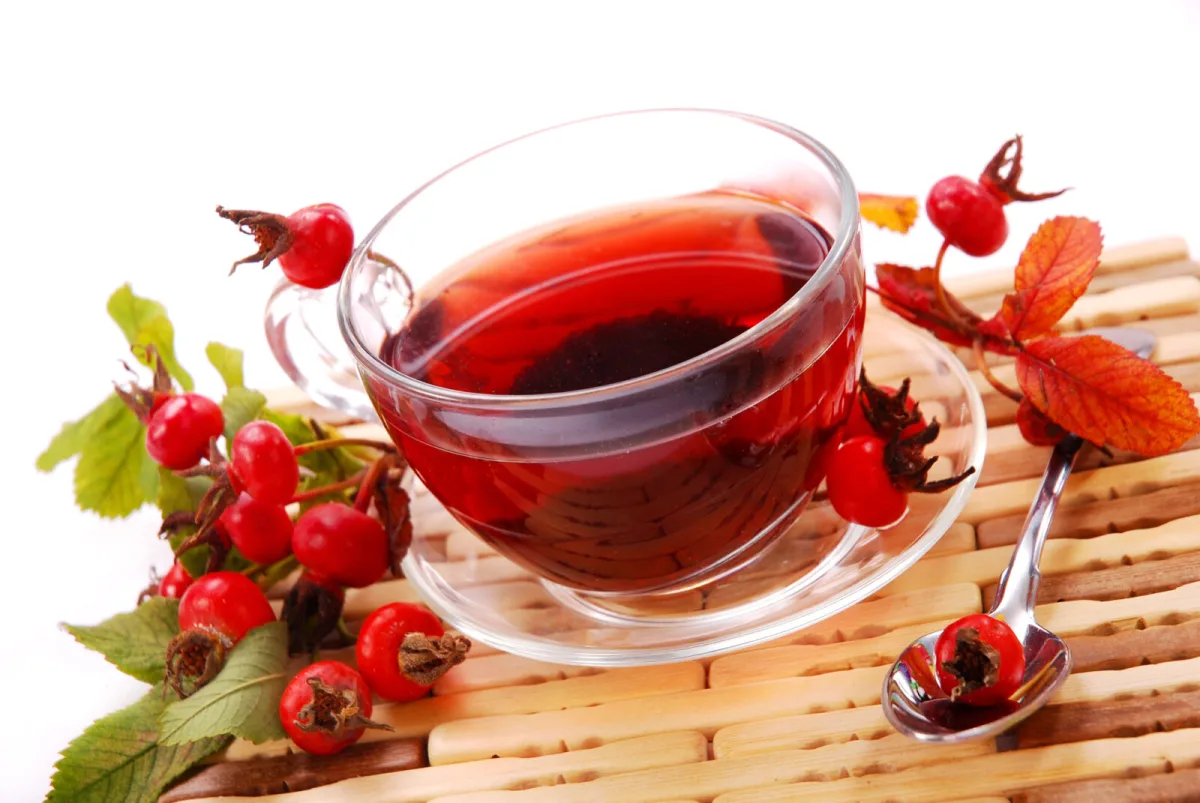
Rose hips have a long tradition in many cuisines. They’re added to teas, soups, jams and desserts. Rosehip tea is well known, as is Scandinavian rosehip soup. Thanks to their flavour, they’re used not only as a source of nutrients but also as a natural way to add taste to dishes.
They’re also made into a fine powder sold as a dietary supplement, often marketed for joint support or skincare. Rosehip oil is widely used too, and is a common ingredient in serums, creams and other cosmetic products designed to hydrate and help the skin recover.
What to watch out for and possible side effects
Rose hips are generally considered safe when taken in reasonable amounts. At higher doses, especially due to their vitamin C content, digestive upset can occur, such as nausea, heartburn, stomach pain or constipation. More sensitive individuals should start cautiously.
Extra caution is also advisable for people prone to recurrent kidney stones, those with disorders of iron metabolism, or certain blood conditions. For pregnant and breastfeeding women, the safety of rosehip supplements has not yet been clearly established.
Before using rosehip supplements regularly, it’s sensible to consult a doctor or pharmacist, especially if you take medication or are managing chronic health problems.
Overall summary
Rose hips are valuable rose fruits that stand out for their antioxidants, fibre and especially vitamin C. Traditionally, they’ve been used for a range of health concerns, and modern research suggests they may benefit the skin, joints, heart and overall protection of the body against inflammation.
Although study results look encouraging, more high-quality research is still needed to define their effects and ideal dosing. As part of a varied diet or as a thoughtful addition to a health and skincare routine, rose hips can certainly earn their place.
Source: Healthline, Gardenia, Every Day Health, Pestrazahrada.cz
Related articles

How to Safely Tell Czech and Chinese Garlic Apart in the Shop by Taste, Appearance and Quality
Czech and Chinese garlic can look similar at first glance, but they differ noticeably in flavour, aroma, bulb structure and keeping quality. Learn the quick visual and kitchen tests that help you choose the better bulb with confidence.
Three Mistakes When Packing Cabbage into a Crock That Can Turn Your Winter Stores into Waste
Traditional crock-fermented sauerkraut keeps for months and stays wonderfully crisp—if you avoid a few common missteps. Here are the three mistakes that most often lead to soft, grey, foul-smelling cabbage and how to prevent them.

One Rat in the Garden Can Quickly Turn Into a Colony How to Prevent It Without Chemicals
A rat on your property is a warning sign that your garden is offering food and shelter. With a few practical, chemical-free changes, you can make the area far less attractive and stop a bigger infestation taking hold.
Comments (0)
Be the first to comment.