
 English
 Polski
 Deutsch
 Nederlands
 Svenska
 Norsk
 Dansk
 Français
 Italiano
 Español
 Português
 Slovenčina
 Suomi
 Gaeilge
Blueberries Need Three Steps Before Winter Most Growers Skip One
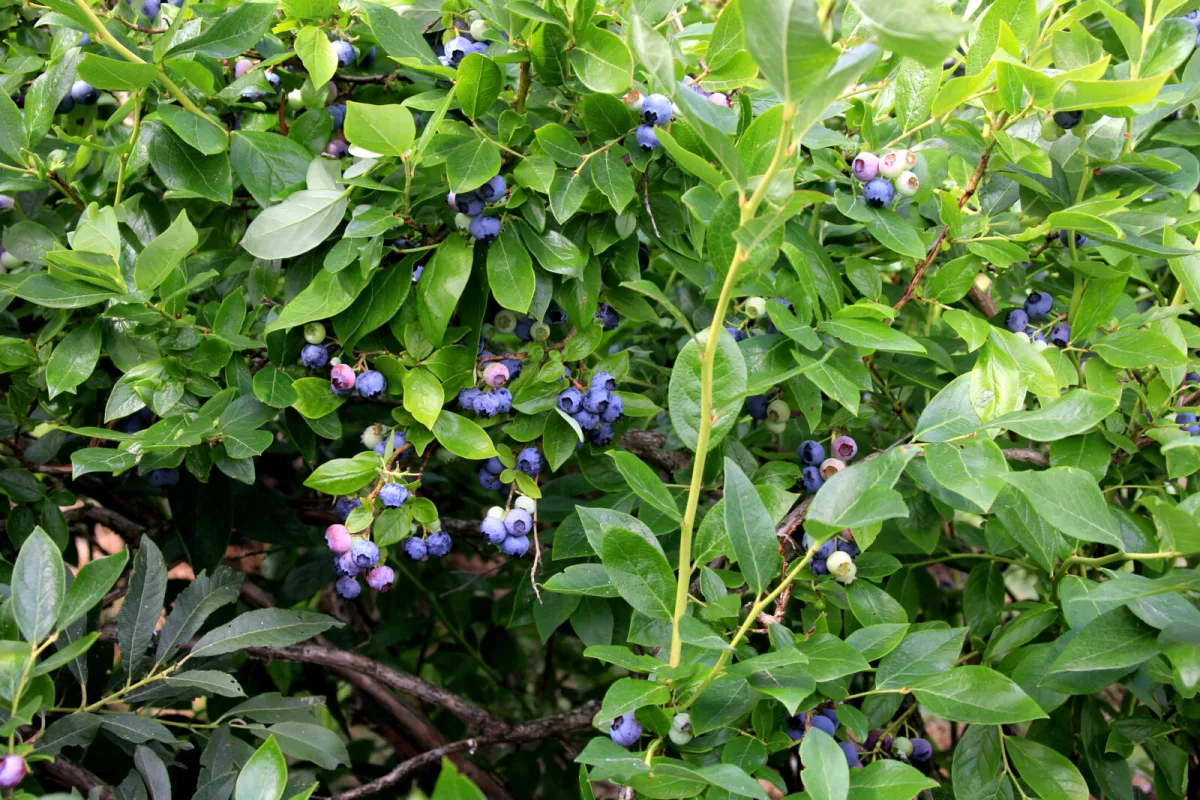
Blueberries are among the favourite shrubs that can be grown successfully in the garden as well as in containers. Although they’re often considered fairly undemanding, they do need a few important measures before winter. Low temperatures can damage their root system, and if the soil freezes too deeply, the plant can be weakened or even die. That’s exactly why it pays to give blueberries special attention in autumn.
Proper winter preparation helps keep essential moisture in the soil, protects roots from sudden temperature swings, and creates better conditions for healthy spring growth. The result is usually a stronger bush, better regrowth and, importantly, a heavier set of fruit in the following season.
When is the best time to start winterizing
The ideal time comes after the first one or two frosts. The soil should already be cold but not yet completely frozen. That’s when you can do what’s needed without stressing the plant or leaving it too late to protect the roots.
It’s worth keeping an eye on your local weather forecast and the expected first frosts. Every area has slightly different conditions, so it’s not wise to go by the calendar alone. Early action matters most where sharp cold arrives without a long transition period.
Mulch is the foundation of root protection
Blueberries thrive when they have a layer of mulch around their roots all year round. In autumn, however, it’s a good idea to refresh or thicken this protection. Mulch helps hold moisture, limits weeds, and most importantly insulates the soil against hard freezing.
An ideal layer is about 5 to 8 cm deep. You can use natural materials such as pine bark, pine needles, or shredded leaves. It’s important to leave a small gap around the main stem so excess moisture doesn’t sit at the base and rot can’t take hold.
After topping up the mulch, water the plant so the material settles onto the soil surface and isn’t carried away by wind.
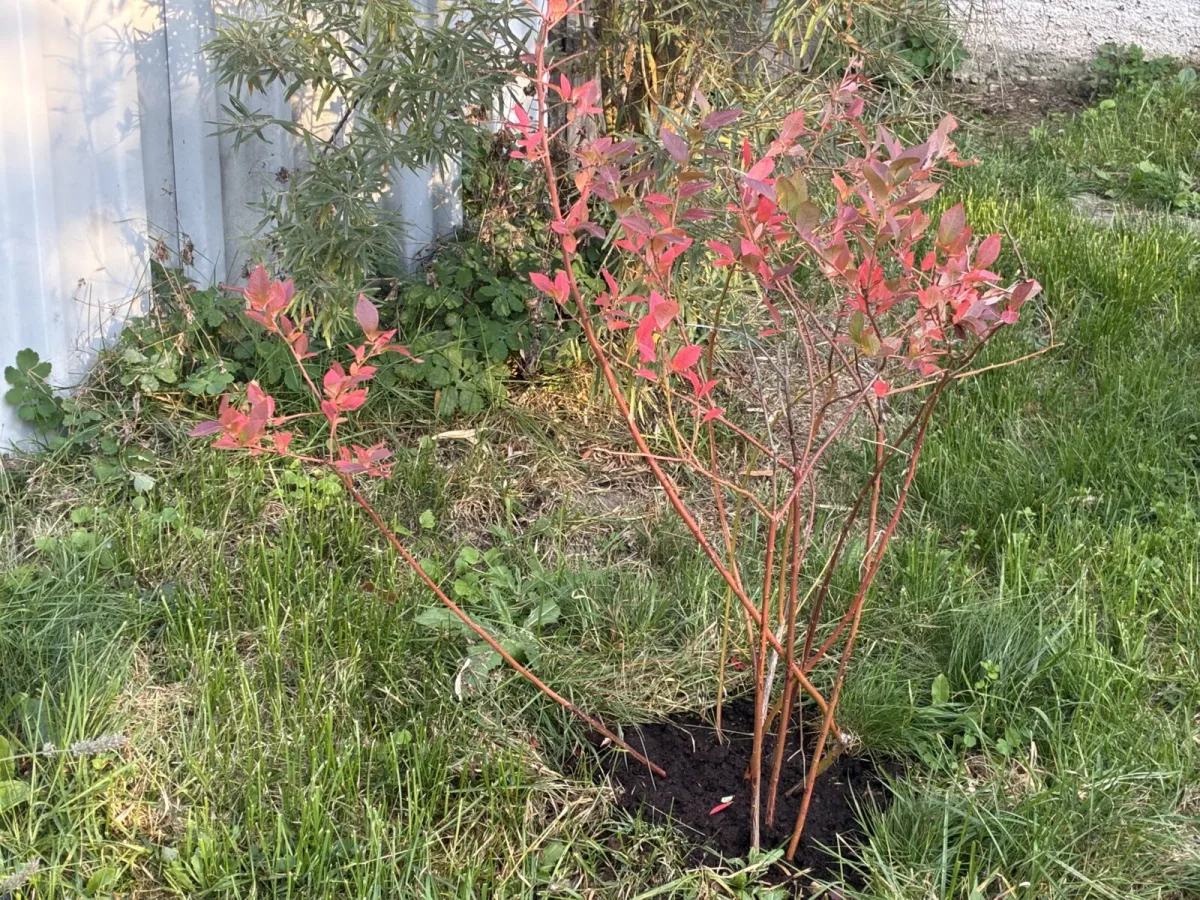
Autumn watering determines the bush’s condition
Even though blueberries aren’t actively growing in winter, they still need enough moisture. Before hard frosts set in, it’s best to water them deeply. In general, it’s recommended to give plants roughly 2.5 cm of water per week until the ground finally freezes.
Too little water in the cold season can show up as weakened roots and a slower start in spring. On the other hand, you do need to avoid waterlogging. Blueberries like evenly moist soil, not a permanently soggy site.
What to do with blueberries planted in the ground
Check the soil and nutrients
Autumn is a good time to take a soil sample. With blueberries, not only nutrient levels matter, but also the correct acidity. A soil test will tell you whether you’ll need to adjust fertilising or pH in spring. However, fertiliser itself shouldn’t be added in autumn. It’s better to wait until spring, just before new leaves begin to break.
Tidy up around the plants
Remove fallen fruit, weeds, and any damaged or diseased branch parts from around the bushes. Plant debris can harbour disease and also provides shelter for pests. A clean growing area helps blueberries go into winter in much better condition.
Protection from wildlife
In late autumn and through winter, young shoots may be browsed by rabbits or deer. That weakens the bushes and slows their growth. If this is an issue in your area, it’s sensible to surround plants with wire mesh or another simple barrier.
How to winterize blueberries in containers
Blueberries grown in pots are often more sensitive to frost than those planted straight into the ground. Roots are less protected in a container, and the compost freezes faster from all sides. That’s why they need a more careful approach.
Regular but cautious watering
The potting mix should stay evenly moist through autumn and winter. At the same time, excess water must be able to drain freely. If a container stays waterlogged for a long time, the roots can suffer just as much as they would from drought.
Move to a sheltered spot
If possible, move the container closer to a house wall, fence, or hedge to reduce wind. Protection from cold gusts and heavy snow can significantly lower the risk of plant damage.
Extra insulation in severe winters
In areas with very cold weather, it’s worth adding extra protection. You can make a simple mesh cylinder around the plant and fill the space with dry leaves or straw. This layer helps stabilise temperatures around the pot and the above-ground parts of the bush.
Why it pays to think ahead to winter pruning
Winterizing isn’t the only step that affects next year’s crop. Pruning also plays an important role, and it’s done during dormancy, in late winter. Blueberries fruit on one-year-old wood, so correct pruning encourages new, strong shoots that will carry flowers and then berries.
With young bushes during the first five years, you usually don’t need heavy pruning. It’s enough to remove low, weak growth, dead or damaged shoots, and thin, unproductive twigs that unnecessarily drain the plant. More substantial shaping makes sense only on older bushes.
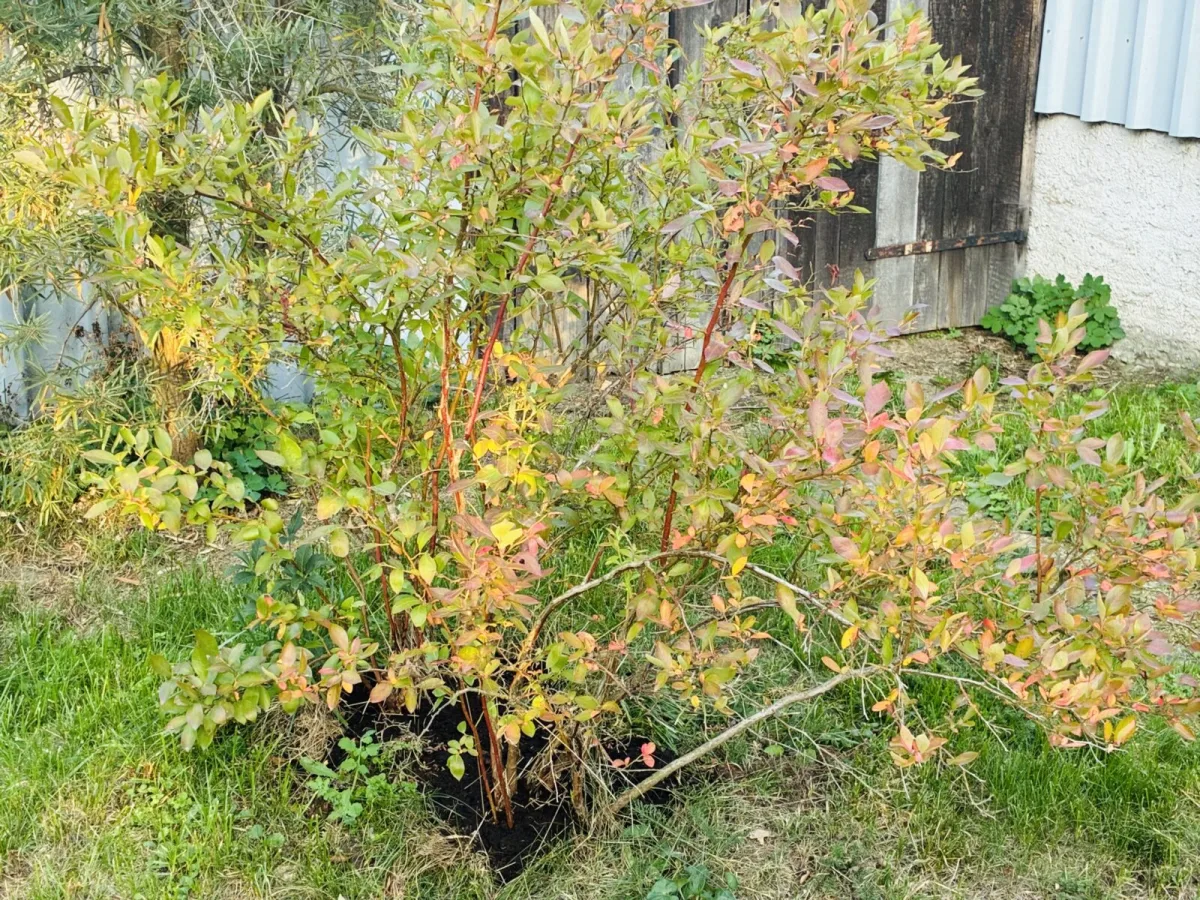
Stronger bushes and a better harvest start in autumn
Good pre-winter care for blueberries isn’t complicated, but the payoff is significant. When you give plants enough moisture, refresh the mulch, tidy the area around them and, if necessary, protect them from frost and wildlife, you’ll be rewarded with healthier growth and a bigger crop. With container-grown bushes, correct placement and insulation against cold are especially crucial.
Autumn preparation isn’t only protection from harsh weather. It’s also an investment in the next season, when blueberries will be stronger, more vigorous, and ready to produce more high-quality fruit.
Source: The Spruce, Gardening Know How , Pestrazahrada.cz
Related articles
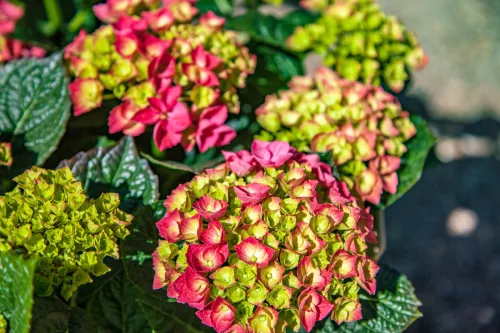
Don’t Prune Hydrangeas in October
Tidying the garden in autumn is tempting, but October pruning can cost your hydrangeas next year’s flowers. Only two light interventions make sense this time of year; everything else is best left until the right season.
A Pineapple Top Will Root in Two Weeks, but Success Depends on the Step Most People Skip
Don’t throw away the leafy crown when you cut a pineapple. With the right prep, light, warmth and careful watering, you can root it and grow a houseplant that may eventually fruit.
Overwintering Geraniums in a Box Ensures Stronger Growth and More Abundant Spring Bloom
Many people throw balcony geraniums away after the season, even though they can overwinter very well. Stored correctly in a box in cool, dark, dry conditions, they’ll come back stronger and flower generously in spring.
Comments (0)
Be the first to comment.