
 English
 Polski
 Deutsch
 Nederlands
 Svenska
 Norsk
 Dansk
 Français
 Italiano
 Español
 Português
 Slovenčina
 Suomi
 Gaeilge
Winter is crucial for raised beds and most people skip the pest prevention step
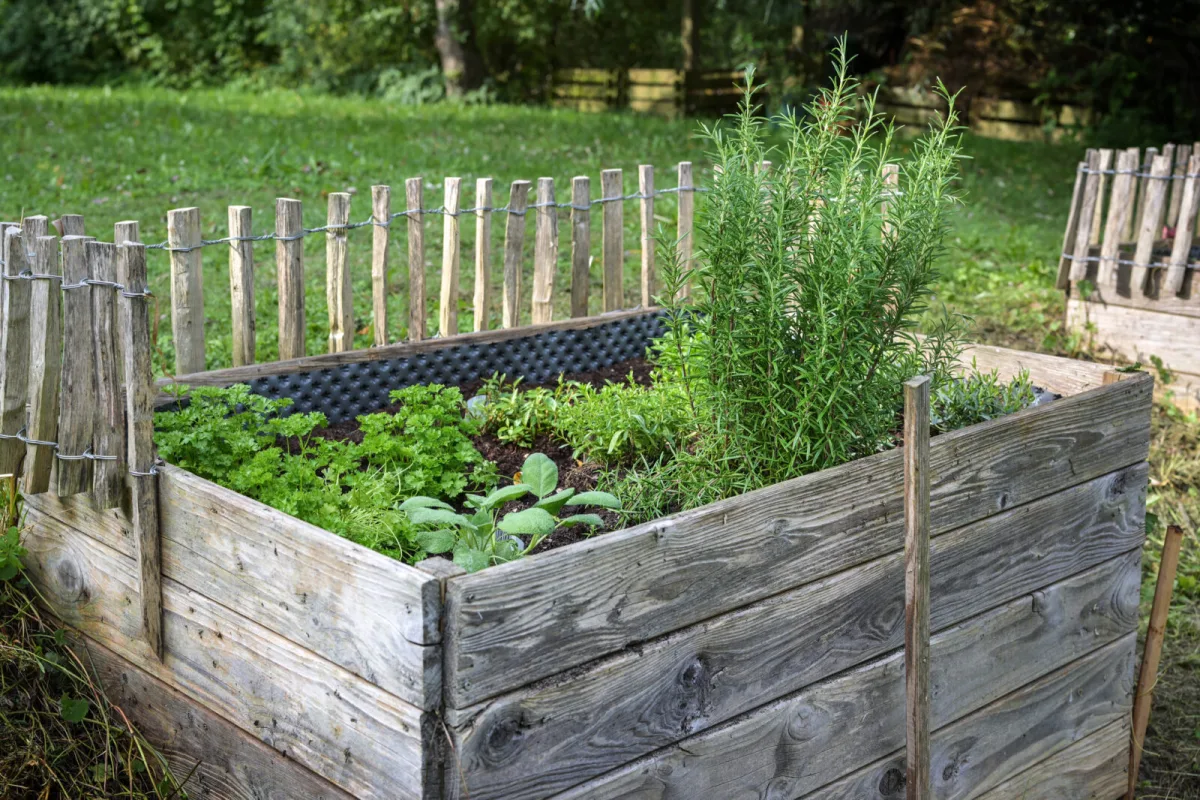
Many people feel that the garden comes to a complete stop in winter and there’s no reason to step outside. Yet the cold months can decide how successful the next season will be. It’s not about long hours of work or complicated interventions. What matters are short, thoughtful tasks that get raised beds ready for spring growth and help keep the soil healthy.
Winter is a great time to calmly assess the condition of your beds. It’s easy to see what’s still thriving, what has a chance to reshoot, and what’s best removed. When you take care of these few steps early, spring won’t begin with chaos, but with a clear, prepared space.
Harvest what’s still producing
The first winter job is to walk through the beds and pick anything that’s still usable. Even after cold nights, some plants can keep giving you a harvest. Hardy herbs in particular often surprise people with how well they cope with low temperatures.
The goal isn’t to strip plants bare, but to take only what they can easily spare. This kind of harvest is also a chance to pay close attention to which plants held up in tougher conditions. Those observations are valuable when planning the next season. A plant that tolerates the cold and still offers a useful picking often deserves a spot again.
During this check, look not only at the top growth but also down at the base of the plant. Sometimes plants look tired and battered above, yet still have a healthy crown and the potential to keep going. Others, on the other hand, make it clear their life cycle is over.
Cut back rather than pull out
Once harvesting is done, it’s time for a light tidy-up cut. With many perennials and tougher plants, it’s better to remove only the dry or damaged parts and leave the roots in the soil. This applies, for example, to perennial herbs such as sage or oregano, as well as some flowers that may reshoot when temperatures rise.
If you can see small buds or fresh shoots near ground level, that’s a clear sign the plant isn’t finished yet. In that moment, it’s not a good idea to yank it out. A root system left in the ground helps maintain soil structure and creates a friendlier environment for beneficial soil life.
This step is mainly about choosing wisely. It’s not about tearing everything out just because it’s winter. On the contrary, you need to decide what’s worth keeping and what’s simply taking up space.
Remove plants that are truly finished
After trimming comes the time to say goodbye to plants that won’t return, or that shouldn’t be left in the bed any longer. Some crops may have done a great job during the season, but once it’s over it’s better to pull them out completely, roots and all. Typical examples include peppers and other annuals that would only get in the way of future planting.
Winter pulling is often easier than summer maintenance. The soil and growth are calmer, and as you remove plants the bed surface becomes visible again. That’s often when you realize just how much space you actually have ready for the next phase.
This part of the job is also a good opportunity for a quick review. It’s worth asking whether a particular plant really earned its place. Did it produce enough that you genuinely used? Did it bring you enjoyment? Was it healthy and resilient? This kind of evaluation will help your spring decisions far more than panic-buying seeds at the last minute.
A winter tidy makes spring planning easier
When beds are tidied in winter, you remove some of the stress from spring. Instead of scrambling to clear old debris, you can move straight on to sowing, planting, and topping up nutrients. Gardening with the seasons gives your work a rhythm. In winter, the main goal is preparation, not productivity. That’s what helps you spread your energy and tasks more sensibly.
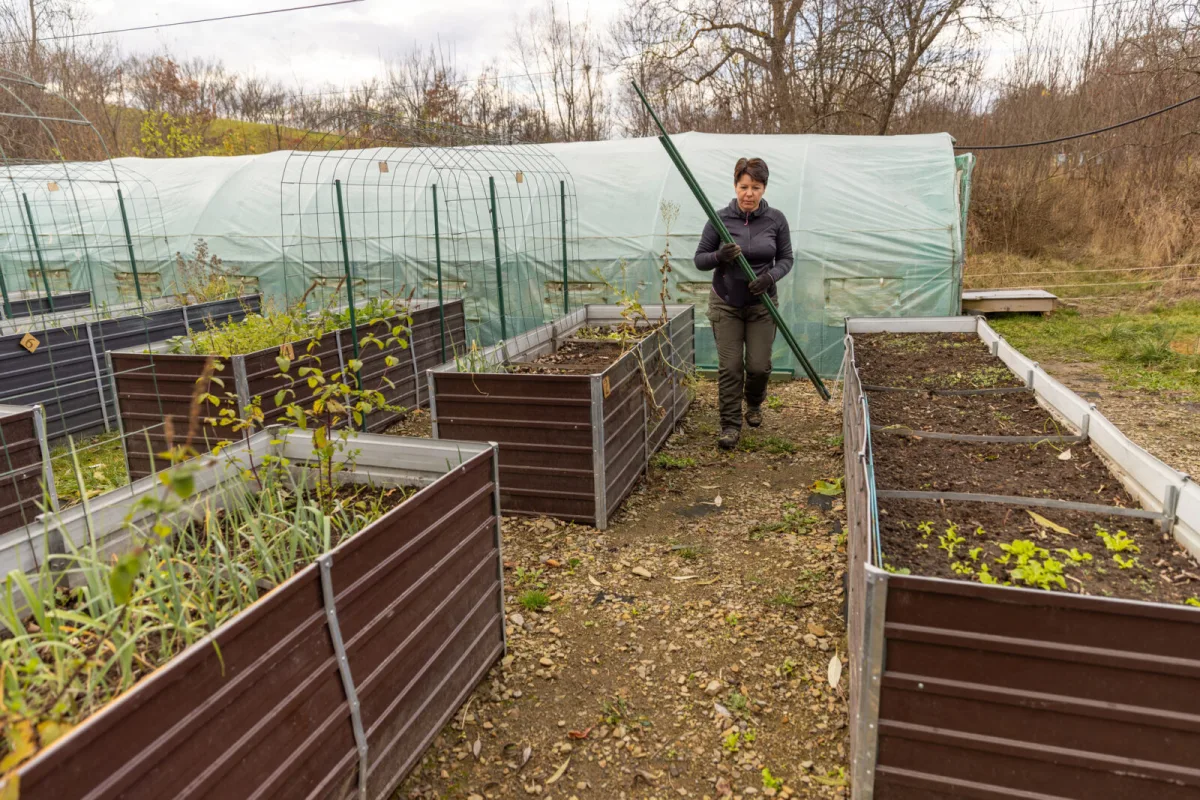
Clear the soil surface and give the bed a fresh start
The final step is removing plant debris from the soil surface. After harvesting, cutting back, and pulling out plants, beds often end up with dry leaves, stems, and small scraps. It’s worth gently raking these away to free up the soil surface.
This is one task that doesn’t pay to skip. Piled-up debris can attract pests over winter or create hiding places for unwanted visitors. A cleaner bed surface doesn’t just look better, it’s also a practical form of protection for the months ahead.
There’s no need to throw the material away. It can go onto the compost heap, where it will turn over time into valuable organic matter that returns to the garden in a far more useful form. In that way, the whole cycle closes naturally.
Compost as the finishing touch
Once the soil is cleared, it’s the ideal moment to add a fresh layer of compost. It serves two important functions at once. On the one hand, it protects the bed surface much like a mulch; on the other, it gradually feeds the soil. That way the bed isn’t left bare over winter, and it also gains a reserve of organic matter ready to support spring growth.
It doesn’t have to be a big production. Even a thin layer of compost can make a noticeable difference. The soil will be better protected from weather swings and more ready for new growing in spring.
Small winter tasks make a big difference
Winter jobs in the garden don’t have to be exhausting or time-consuming. Often, a few minutes is enough when you use them well. A quick visit to the bed on a sunny day can mean harvesting herbs, cutting back perennials, removing a few spent plants, and raking up the mess. Those small steps add up.
Regular, short check-ins are one of the simplest ways to make spring work much easier and support healthier, more productive raised beds.
If you can find a few five-minute windows in winter, you’ll head into the new season with a head start. The garden won’t be neglected, the soil will stay in better condition, and your decisions about the next planting will feel much more confident. Winter care is quiet, but its results are very visible in spring.
Source: Gardenary, Rhs , Pestrazahrada.cz
Related articles

An Orchid That Only Grows but Won’t Bloom Has Three Common Causes You’ll Never Fix with Fertiliser
If your orchid looks healthy but refuses to bloom for months, the cause is usually not a lack of fertiliser. Light, watering habits, and temperature patterns are far more often to blame.
When to Mow the Lawn for the Last Time Before Winter
There’s no universal date for the season’s final mow—your lawn and the weather will tell you. Time it just ahead of hard frost and leave the grass slightly higher to help it overwinter healthier and bounce back faster in spring.

Oleander Still Needs Water in Winter and a Common Mistake Can Cost It Its Roots
Oleander is tough in summer heat, but winter cold can quickly damage roots and shoots if it isn’t prepared properly. Timely protection, sensible watering, and the right overwintering spot make all the difference.
Comments (0)
Be the first to comment.