
 English
 Polski
 Deutsch
 Nederlands
 Svenska
 Norsk
 Dansk
 Français
 Italiano
 Español
 Português
 Slovenčina
 Suomi
 Gaeilge
Pumpkins Spoil in Winter Because of a Harvesting Mistake
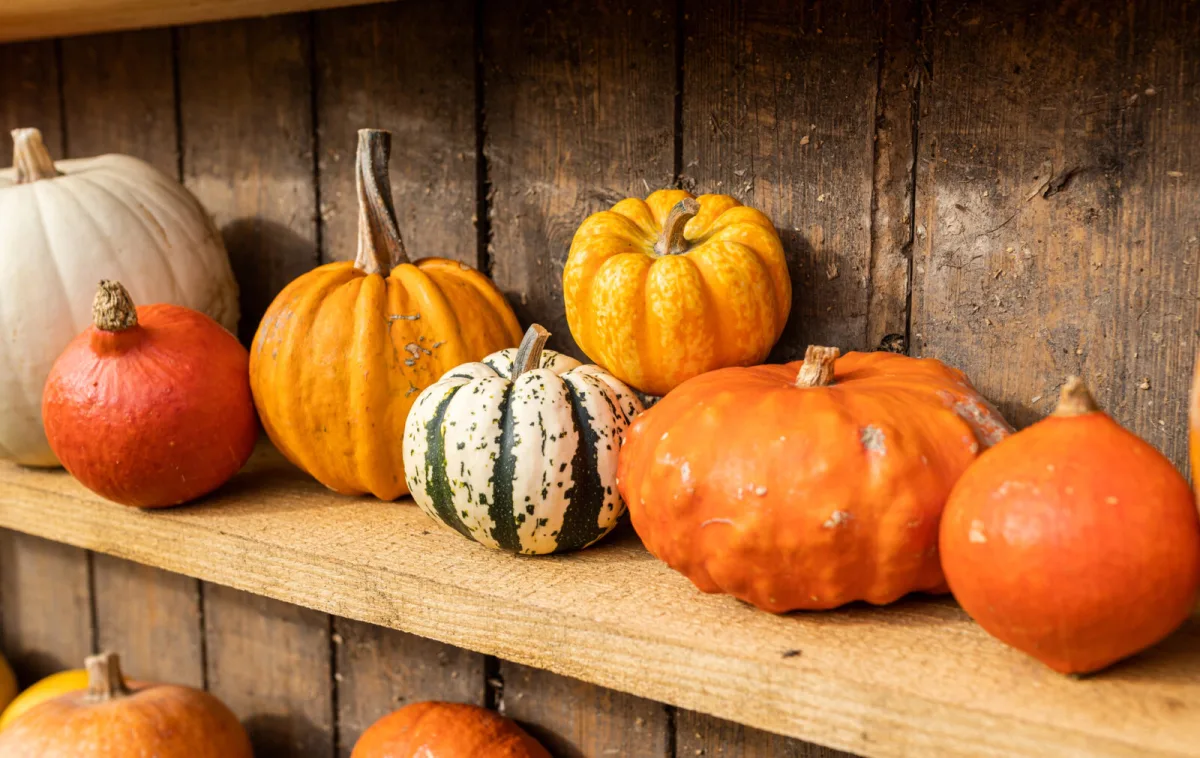
Autumn and pumpkins go hand in hand. As soon as the weather turns cooler, the leaves start to glow with red and orange tones and the garden slowly prepares for winter rest, it’s the ideal time to harvest these popular fruits. Properly timed picking is exactly what determines how long pumpkins will keep and how good they’ll taste. If they’re harvested too early, they may not be fully mature. If, on the other hand, they’re left outside for too long, the first frosts or wet weather can damage them.
How to tell when it’s the right moment to harvest
The key is to watch for a few clear signs of ripeness. One of them is the stem, which gradually hardens, becomes woody, and starts to dry out. That’s a sign the fruit has finished developing and is ready to be cut. Another indicator is the colour of the skin. It should match the typical colouring of the variety, because each type ripens to a different shade.
A simple tapping test can help too. A ripe pumpkin often sounds hollow when gently tapped. But beyond the fruit itself, it’s important to keep an eye on the weather forecast. A sudden drop below freezing can damage pumpkins on the bed and shorten their storage life. That’s why it’s better not to delay harvesting unnecessarily when cold nights are on the way.
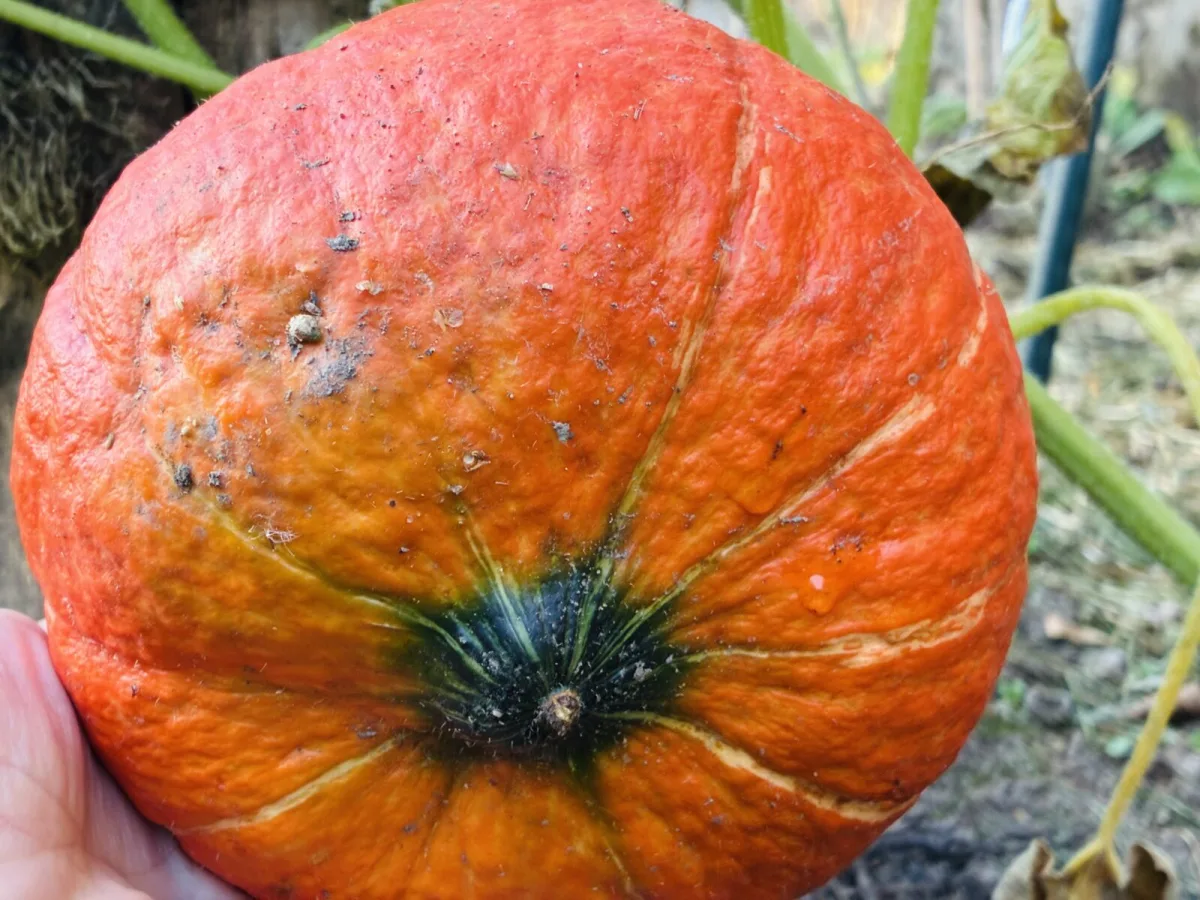
The correct way to harvest pumpkins
At harvest time it’s not enough to simply pull the fruit off. The best approach is to use clean, sharp secateurs or pruning shears. The stem should be cut roughly five centimetres from the fruit. That short section of stem is crucial because it helps the pumpkin keep longer and reduces the risk of early spoilage.
Each pumpkin needs to be handled carefully. Bruises, cracks, or any other damage to the skin can lead to rapid rot. Even a fruit that looks firm can start to deteriorate much sooner than you’d want after careless carrying. Gentle handling at harvest is therefore just as important as choosing the right day.
Preparing pumpkins before storage
After harvest, it’s a good idea to clean pumpkins first. This isn’t about washing them with water, but rather gently removing soil and dirt with a brush or a dry cloth. Then inspect each fruit carefully. Any soft spot, broken skin, or sign of rot means that pumpkin isn’t suitable for long-term storage.
Only completely healthy, undamaged fruit should go into storage. One rotting pumpkin can gradually spoil the rest. It’s worth sorting them and using the less-than-perfect ones in the kitchen as soon as possible.
Where and how to store pumpkins
The most common and very reliable option is to store them in a cool, dry, well-ventilated place. A cellar, pantry, or a drier garage can work very well, as long as damp doesn’t build up. Pumpkins should be positioned so they don’t touch each other. The gaps between fruits help air circulate and reduce the chance of rot spreading.
It’s best to place them on shelves, in crates, or on another dry surface. The important thing is that they aren’t piled on top of one another and that air can move around them. The more stable the conditions you can provide, without major temperature swings, the better the pumpkins will hold their quality.
Traditional storage on straw
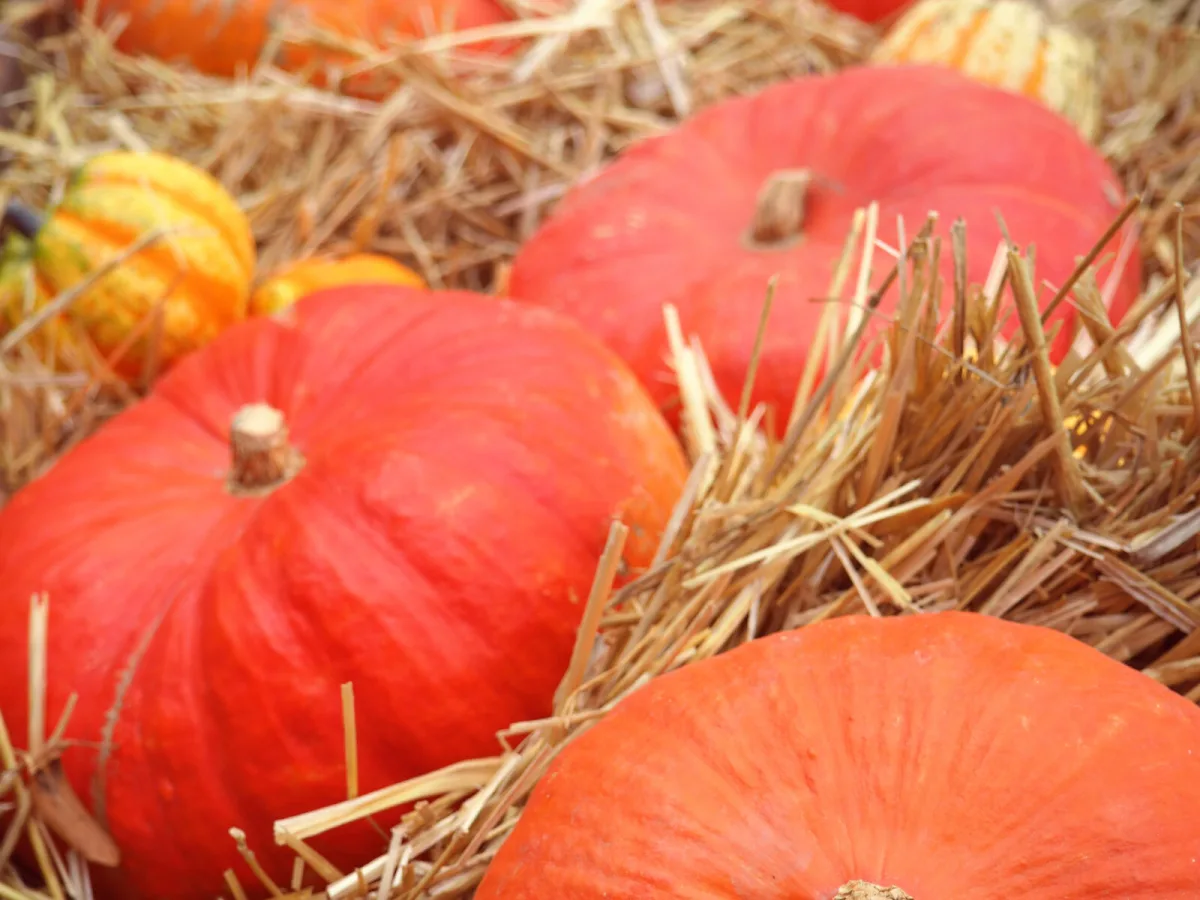
Another proven method is storing pumpkins on clean straw. This approach has been used for a long time and has real advantages. Straw keeps the fruits off the floor and also encourages better air circulation. Even here, each pumpkin should have enough space around it. Fruit packed tightly together spoils faster, and rot can easily spread.
Why it’s worth keeping pumpkins for winter
Long-term pumpkin storage has several practical benefits. Above all, it lets you use your own harvest throughout the winter months. In the right conditions, pumpkins can hold on to valuable nutrients for quite a long time, so they remain a worthwhile part of the diet even outside the main season.
Another advantage is saving money. If you store your homegrown pumpkins properly, you don’t need to buy more expensive out-of-season vegetables in winter. Having a supply at home is also convenient, because you can make soup, purée, a roasted side dish, or other autumn and winter meals at any time without needing to shop.
Helpful tips for a longer shelf life
It’s very sensible to store different varieties separately. Different types of pumpkin don’t keep for the same length of time, and if they’re stored together it can be harder to judge which ones should be used first. Some varieties last only a few weeks, while others can easily make it through much of the winter.
Regular checks of stored fruit are just as important. From time to time, look them over and make sure no soft spots, stains, or signs of mould are developing. As soon as one starts to spoil, it’s best to remove it immediately so it doesn’t affect the rest of the stash.
Carefully harvested, healthy, and properly stored pumpkins can keep for a long time in good condition and become a valuable part of the winter kitchen.
What matters most
Successful pumpkin storage mainly depends on three things. The first is harvesting at the right time, the second is cutting the fruit cleanly while leaving the stem attached, and the third is providing suitable storage conditions. If you follow all three steps, you can enjoy your harvest long after the gardening season ends.
Pumpkins aren’t just an autumn decoration, but also a vegetable that, with the right care, will provide a supply of tasty, nutritious fruit for the whole cold season.
Source: Zollinger, Plantura Magazine, Pestrazahrada.cz
Related articles
A Pineapple Top Will Root in Two Weeks, but Success Depends on the Step Most People Skip
Don’t throw away the leafy crown when you cut a pineapple. With the right prep, light, warmth and careful watering, you can root it and grow a houseplant that may eventually fruit.
Overwintering Geraniums in a Box Ensures Stronger Growth and More Abundant Spring Bloom
Many people throw balcony geraniums away after the season, even though they can overwinter very well. Stored correctly in a box in cool, dark, dry conditions, they’ll come back stronger and flower generously in spring.
This perennial flowers when others are finishing, thrives in shade and is still little known in the Czech Republic
Liriope is a tough, evergreen perennial with grassy foliage that comes into its own at the end of summer, when many other plants are fading. It thrives in partial shade to shade, needs little care, and adds structure to borders year-round.
Comments (0)
Be the first to comment.