
 English
 Polski
 Deutsch
 Nederlands
 Svenska
 Norsk
 Dansk
 Français
 Italiano
 Español
 Português
 Slovenčina
 Suomi
 Gaeilge
Your potatoes spoil in the cellar because of a mistake you make right after digging them up
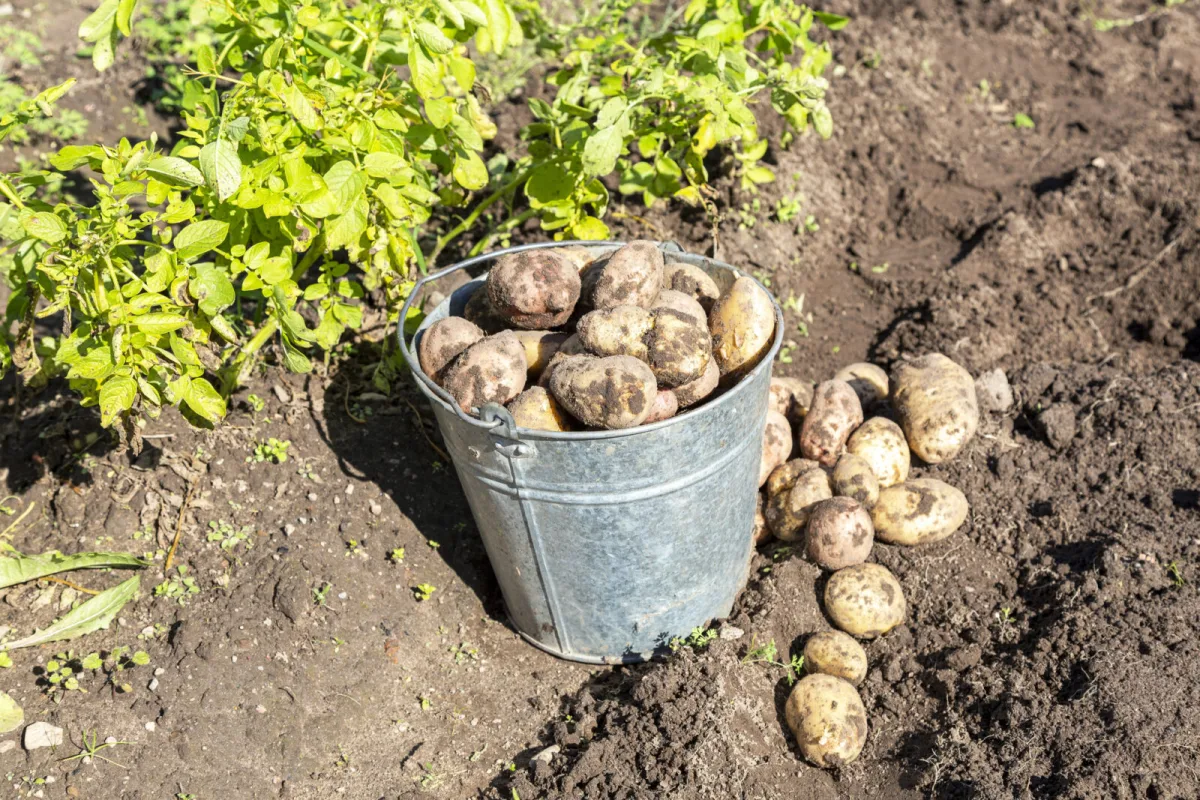
Homegrown potatoes will keep significantly longer if they’re harvested at the right moment and then stored under suitable conditions. For long-term storage, it’s important to let the plants mature naturally. As early as the second half of August, it helps to reduce watering so the tubers can finish ripening properly. Before harvest, wait until the haulms have completely died back. Many growers then wait a few more days to a week, because the skins continue to firm up in that time.
Maturity is easy to check with a simple test. Carefully lift one potato and rub the skin with your fingers. If it rubs off easily, it’s better to delay harvest a little longer. A firmer skin is a sign the tubers will store better and be less prone to damage.
How to lift potatoes without unnecessary losses
How you harvest matters more than it might seem. Any injury shortens storage life and increases the risk of rot. The safest approach is to pick tubers by hand, or loosen the soil lightly with a fork or spade and then carefully feel around for the potatoes. Any damaged tubers are best set aside and used as soon as possible, because they’re not suitable for long storage.
Weather plays a role too. The ideal time is a dry, mildly warm day after several rain-free days. In wet soil, tubers are usually dirtier and take longer to dry. Harvest should also be finished before frost arrives, because freezing greatly reduces both quality and keeping ability.
Cleaning, yes, but with care
After lifting, it’s a good idea to let potatoes dry briefly in the shade so the soil loosens. If the soil is light and sandy, a gentle dry brush is usually enough. In heavy clay soil, a careful rinse may be needed, but only if you can then ensure they dry completely. While cleaning, keep light exposure to a minimum, because prolonged light later encourages greening.
In general, the less water used during preparation for storage, the better. Leftover moisture can speed up spoilage. That’s why it’s essential that tubers are completely dry before they’re put away.
Why curing potatoes matters
Freshly harvested potatoes shouldn’t go straight into long-term storage. First, they need to go through what’s known as curing. This means keeping them for 7 to 10 days in a dark, well-ventilated place with a moderate temperature and higher humidity. During this time, the skins toughen further and minor surface damage partially heals.
This step noticeably extends storage life. After harvest, potatoes contain a lot of water, roughly four-fifths of their volume. If they were moved immediately into an overly dry environment, they would quickly wilt and shrivel.
Ideal conditions for long-term storage
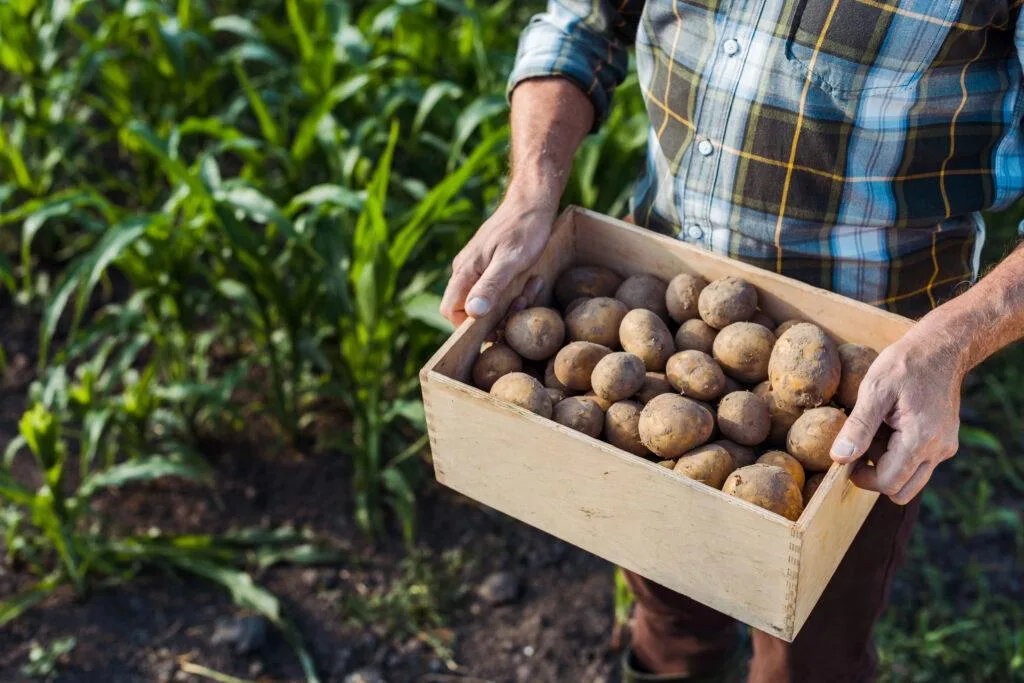
After curing, the temperature needs to be lowered gradually. For table potatoes, a range of about 4 to 8 °C is suitable. A cool cellar works well, as does an insulated garage with no risk of freezing, or a refrigerator set to the appropriate temperature. The storage container should protect potatoes from light while still allowing airflow. Perforated plastic sacks, crates or cardboard boxes work well.
The temperature must not drop too low. Below about 3 °C, sugars begin to build up in the tubers, giving potatoes a sweeter taste and causing them to darken more when fried. On the other hand, if it’s too warm, the risk of sprouting, dehydration and rot increases.
Sorting and regular checks are essential
Before storing, it’s worth sorting through all tubers carefully. Any with cuts, bruises, soft spots or signs of disease are best used within a few weeks. Only healthy, undamaged potatoes belong in long-term storage.
Over winter, it pays to check your stores regularly. As soon as you spot soft tubers, rot or long sprouts, remove them. One bad potato can spoil a larger part of the harvest. A musty or sweetish smell is also a warning sign and often alerts you to early breakdown before it’s obvious at first glance.
Light is the enemy of stored potatoes
Potatoes must be kept in the dark. Light causes the skin to turn green, which is related to chlorophyll production, but it’s often accompanied by the presence of solanine. This is a compound that can be harmful to health in higher amounts. If the greening is slight and superficial, you can cut the affected part away. However, heavily greened tubers are safer to discard.
Properly stored late-season potatoes can keep in good condition for seven to eight months under the right conditions.
Which varieties keep the longest
Not every variety stores equally well. Red-skinned and thin-skinned potatoes usually don’t keep as long as thicker-skinned types, such as russets. Late varieties also store better, while early potatoes are generally meant for quick use.
If storage temperatures rise above about 8 °C, the life of your stores is significantly shortened and may drop to just two or three months. In that case, the likelihood of sprouting and shrivelling is also higher.
What to watch out for before the next planting
Potatoes that are heavily sprouted or wrinkled in spring aren’t ideal for seed. They may carry diseases, including viral infections, and pose a risk to the new crop. The safest choice is always certified seed potatoes in good health.
Careful harvesting, a short curing period and cool, dark storage can decide whether you enjoy your homegrown crop for only a few weeks or for most of the winter. If you follow the basic rules, you can still have quality potatoes on hand long after the season ends.
Source: The Prairie Home Stead, Oregon State University, Pestrazahrada.cz
Related articles
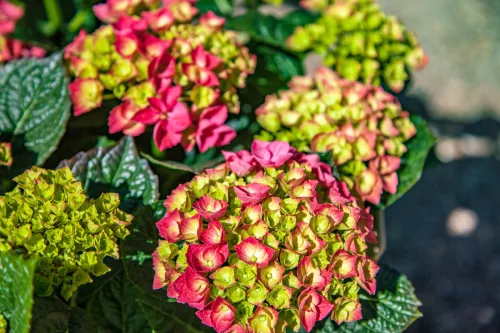
Don’t Prune Hydrangeas in October
Tidying the garden in autumn is tempting, but October pruning can cost your hydrangeas next year’s flowers. Only two light interventions make sense this time of year; everything else is best left until the right season.
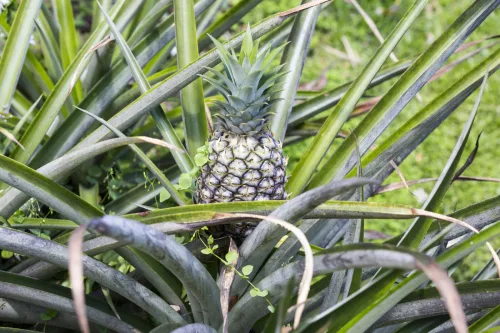
A Pineapple Top Will Root in Two Weeks, but Success Depends on the Step Most People Skip
Don’t throw away the leafy crown when you cut a pineapple. With the right prep, light, warmth and careful watering, you can root it and grow a houseplant that may eventually fruit.
Overwintering Geraniums in a Box Ensures Stronger Growth and More Abundant Spring Bloom
Many people throw balcony geraniums away after the season, even though they can overwinter very well. Stored correctly in a box in cool, dark, dry conditions, they’ll come back stronger and flower generously in spring.
Comments (0)
Be the first to comment.