
 English
 Polski
 Deutsch
 Nederlands
 Svenska
 Norsk
 Dansk
 Français
 Italiano
 Español
 Português
 Slovenčina
 Suomi
 Gaeilge
Dahlias need the right care before winter or one mistake can ruin the tubers for good
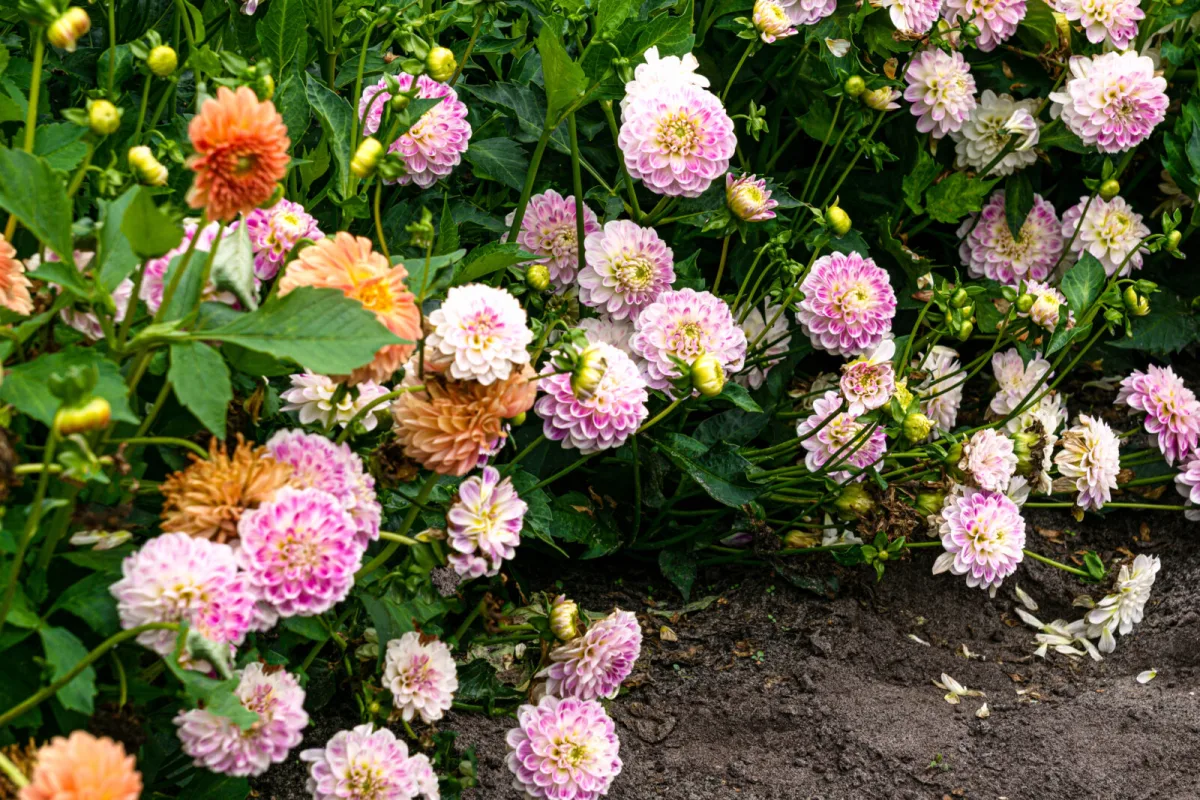
Dahlias are among the most popular garden flowers, but winter is often a critical period for them. Their tubers are not resistant to hard frost or prolonged waterlogging, so it’s important to choose the right overwintering method for local conditions. Unlike hardier bulbs, dahlias have more delicate tissues and, if handled poorly, they readily rot or freeze.
The decision whether to leave them in the ground or lift them for winter depends mainly on your climate, how deeply the soil freezes, and also where they are planted. A border in a mild area calls for a different approach than pots or raised beds.
When dahlias can stay in the ground
In areas with mild winters, dahlias can sometimes be left in place through the colder months. It’s never guaranteed, though, because the outcome is always shaped by the weather. If the soil only freezes shallowly in winter, the tubers have a better chance of surviving. Even so, the plants need protection.
After the first harder frosts that damage the top growth, or at the earliest after mid-November, cut the stems down below soil level. Then it helps to cover the bed with plastic and add an insulating layer of straw, leaves, or another material that reduces cold penetration and winter wet.
Leaving dahlias in the ground means relying on how winter behaves. In favourable areas it can work, but in colder locations it’s a significant risk.
In cold areas, lifting is essential
If the soil routinely freezes to a depth of around 10 to 15 cm or more, leaving tubers outdoors isn’t advisable. Once tubers have frozen, they generally won’t resume growth. In these conditions it’s safer to lift dahlias in autumn and store them over winter in a suitable environment.
Lifting is also necessary if you want to move the plants to a new spot. Dahlias aren’t transplanted in autumn. Once you disturb the root system, the tubers should be stored and replanted in spring.
Warm areas and the need for winter rest
In very warm regions where dahlias grow almost without a break, it’s important to give the tubers a proper rest period. Even if hard freezing isn’t a concern, the plants need at least three months of dormancy between seasons. That’s why it’s recommended to lift the tubers, divide them, and store them somewhere cool, ideally at around 4 to 10 °C.
During storage, check them regularly, about once a month, to prevent shrivelling or the development of rot.
Dahlias in containers and raised beds
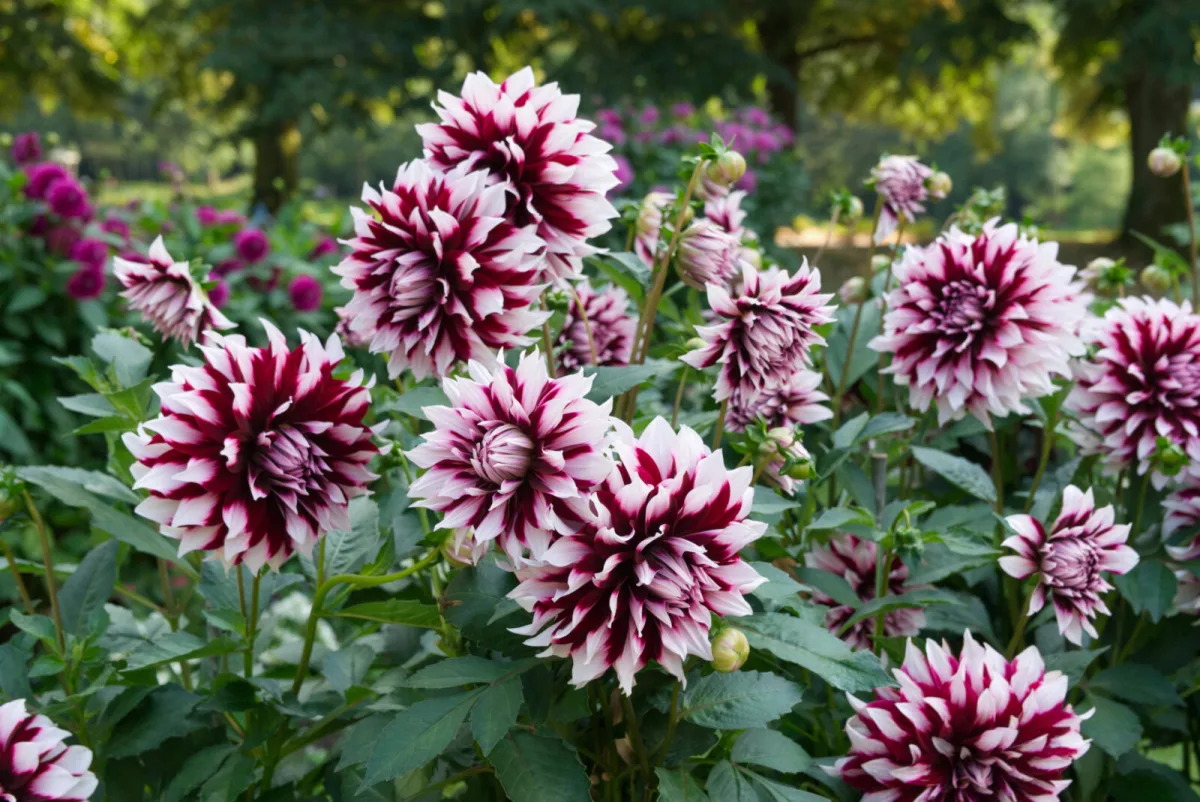
Plants grown in pots and containers are far more vulnerable in winter than those in a standard border. Cold reaches the tubers not only from above but also from the sides, so they freeze more easily. It’s best to move containers into a garage or another place where the temperature doesn’t drop below freezing.
If moving the container isn’t possible, it’s often safer to lift the tubers and store them separately. With raised beds, autumn lifting and storage is usually recommended too, because tubers are more exposed to winter conditions there as well.
How to tell the right time to lift
It’s best to start lifting dahlias about two weeks after a hard frost has killed the top growth, or after mid-November, whichever comes first. The plant is ready when the leaves and stems turn brown or black. Lifting too early isn’t ideal because the tubers may not be fully mature for winter storage.
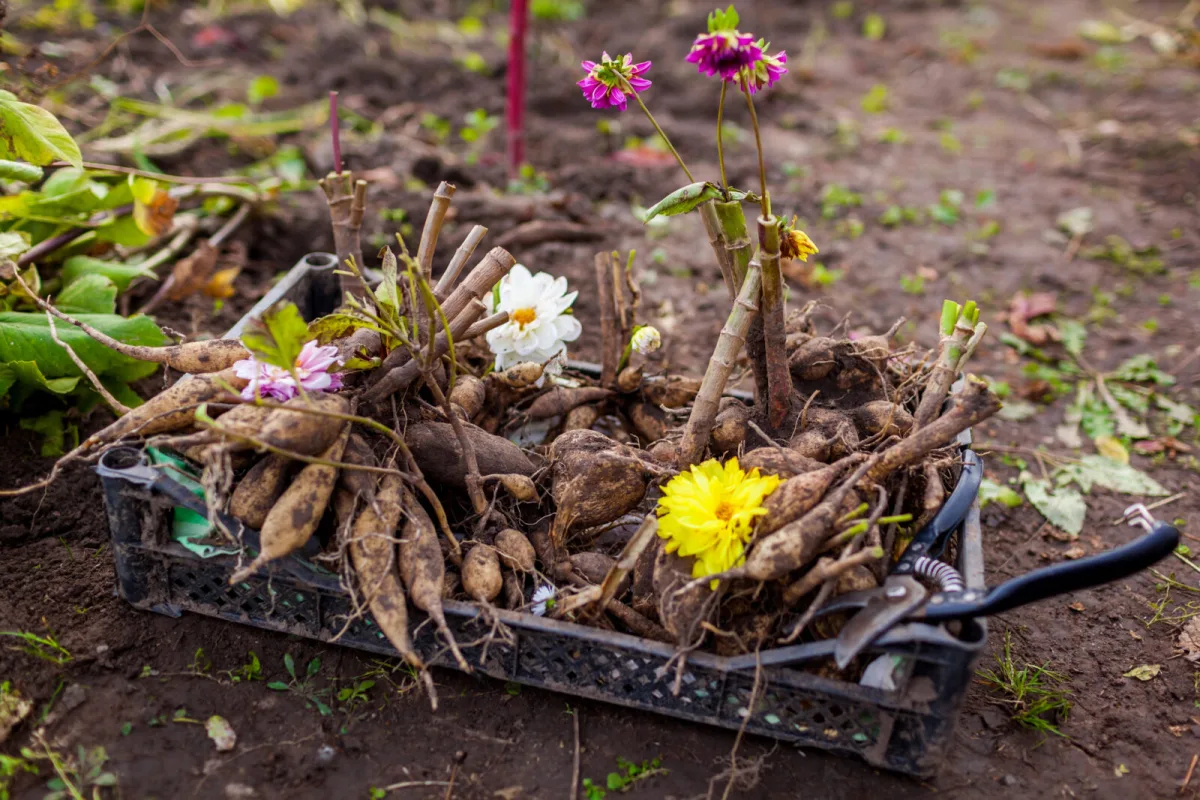
Cut the stems back to about 15 cm above the ground and carefully lift the tubers with a spade or digging fork. It’s important not to damage the tuber necks, the points where they join the stem. This part is crucial for future growth. After lifting, remove clinging soil, especially if it sets hard when dry.
Then let the tubers dry in a sheltered place for roughly 12 to 24 hours. Don’t dry them in direct sun or on concrete, where they can lose too much moisture.
Dividing tubers in autumn or spring
Dahlias can be divided either after lifting in autumn or in spring. Both options have advantages. In autumn the tubers are easier to cut, but the growth buds can be harder to see. In spring the buds are more obvious as they begin to sprout, but the tissues tend to be tougher.
When dividing, each separated piece needs at least one viable bud. This is found around the central stem area. If you’re not sure where to look for buds, you can simply split the clump into halves or quarters by cutting through the centre. With most clumps, the individual sections will typically contain a suitable number of buds.
After cutting, let the wounds dry overnight so they can callus. If you divide tubers in spring, you can plant them the next day, as long as the soil isn’t too cold or wet. It’s not advisable to leave them lying out in the air for several days, because they lose moisture quickly. If it’s still too early to plant, they can be held temporarily in peat until the soil warms to about 15 °C.
It’s a good idea to disinfect knives and tools between clumps so diseases aren’t spread.
Proper winter storage for tubers
To prevent tubers from drying out over winter, they need to be stored in a suitable packing material that holds slight moisture. Lightly moistened peat or wood shavings work well. The material must not be wet, only slightly damp.
It’s best to store tubers in crates or cardboard boxes lined with several layers of newspaper. Put a layer of packing material in the bottom, arrange the tubers on top, and then alternate layers until the container is filled. Sealed plastic packaging is unsuitable, because excess moisture builds up easily and rot follows.
The ideal storage space is cool and dry, with a temperature of roughly 4 to 10 °C. If it’s too warm, tubers will shrivel or start sprouting early. If it’s too cold, there’s a risk they’ll freeze and the tissues will break down.
Winter checks and spring wake-up
During dormancy, it’s best to check tubers at least once a month. If they start to shrivel, lightly moisten the peat or other packing material. If you find a rotting section, remove it so the problem doesn’t spread to the other stored tubers.
Some tubers may begin sprouting in storage, especially if the temperature is higher than it should be. These shoots don’t need to be removed straight away. Before planting, you can simply shorten them to a few centimetres. The key is to maintain a rest period of at least three months, so dahlias have enough time to build strength for the next season.
Careful autumn preparation and correct overwintering greatly increase the chance that dahlias will wake up healthy in spring and flower abundantly again in summer.
Source: RHS, Dahlias , Pestrazahrada.cz
Related articles
Burning Leaves in the Garden Is No Longer Allowed in Czechia
Since 1 March 2025, burning garden waste is banned across the Czech Republic, and even notifying the fire brigade does not make it legal. Here’s what is still allowed, what fines you risk, and what to do if smoke from a neighbour is bothering you.

Mice Look for a Way Indoors in Autumn, Stop Them with a Cheap Trick Without Chemicals or Traps
As temperatures drop, mice start searching for warm, dry shelter—and your home is an easy target. A simple barrier made from ordinary aluminium foil can make key entry routes uncomfortable enough to discourage them.
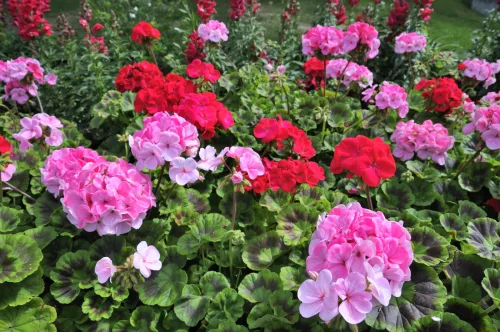
A Proven Tip for Overwintering Geraniums Add a Substrate Ingredient Most People Throw Away
Zonal geraniums can be carried through winter with ease if you lift them correctly, prune them back, and pot them into a light, free-draining mix. A simple additive many people discard can help keep the compost healthier through the cold months.
Comments (0)
Be the first to comment.