
 English
 Polski
 Deutsch
 Nederlands
 Svenska
 Norsk
 Dansk
 Français
 Italiano
 Español
 Português
 Slovenčina
 Suomi
 Gaeilge
Don’t Prune Hydrangeas in October
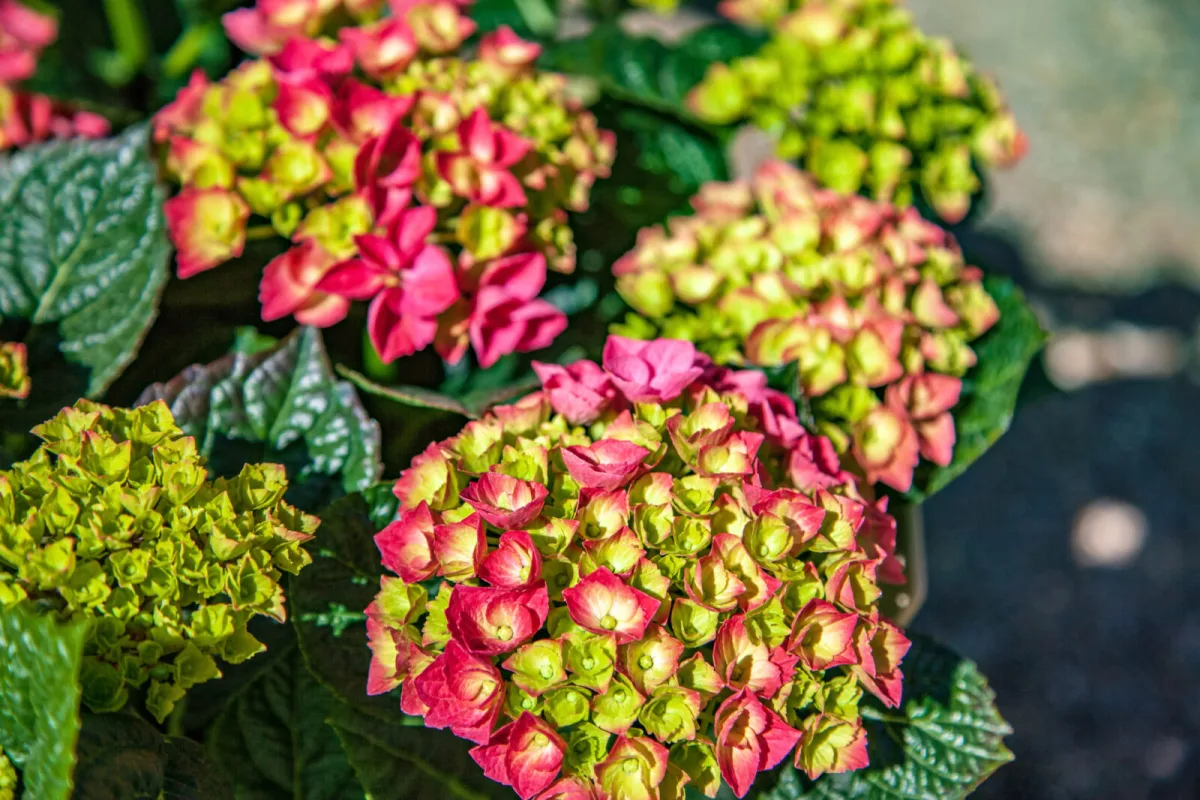
Many gardeners feel the urge in autumn to tidy the garden, cut back faded plants and get beds ready for winter. With hydrangeas, though, that habit is often a mistake. Even though shrubs can look untidy after flowering and the blooms dry out, most hydrangeas shouldn’t be pruned in October. The plant isn’t sitting idle at this time; it’s storing energy in the roots and getting ready for next season.
If you pick up the shears too early, you can accidentally remove the buds that will produce next year’s flowers. That’s why experts stress that one of the basic rules of growing hydrangeas is knowing which type you have in your garden and when it should be pruned.
The key is whether your hydrangea flowers on old wood or new wood
The biggest difference between hydrangeas is where they set their flower buds. Some types bloom on old wood, meaning last year’s stems. Others form flowers on new growth produced during the current season. Without knowing this, it’s better not to prune at all.
Hydrangeas that flower on old wood include bigleaf hydrangeas, mountain hydrangeas and oakleaf hydrangeas. With these, October pruning is especially risky because the buds for next year may already be well formed at the tips. When you remove an unsightly stem, you often cut off next season’s flowers along with it. The better time to prune is usually after flowering in late summer, not in autumn.
Why an autumn cut can harm the plant
Another reason to leave hydrangeas alone in October is frost protection. Pruning can encourage the plant to push soft, new growth. But it won’t have time to harden off, and the first real cold snap can damage it. Those weakened areas are then more prone to disease and longer-term shrub damage.
If you’re worried about severe frosts, it’s better to protect the plant in other ways than by cutting it back. Horticultural fleece or an appropriate winter cover can help. That way you protect shoots and buds without risking next year’s flowering.
Hydrangeas that flower on new wood can wait too
Perhaps you grow panicle hydrangeas or smooth hydrangeas, such as the popular Annabelle or Incrediball types. These plants bloom on new growth, so autumn pruning doesn’t carry the same risk of losing flower buds as it does with bigleaf hydrangeas. But that doesn’t mean October is the right time.
Even with these hydrangeas, it’s better to leave the stems untouched through autumn. The plant can finish storing reserves and better prepare its root system for winter. In colder regions or with weakened shrubs, this is especially important. Pruning these types is best done later, usually outside the autumn transition into dormancy.
Even modern repeat-flowering bigleaf cultivars, which bloom on both old and new wood, aren’t truly an exception. For them as well, autumn isn’t an ideal time for any major cut.
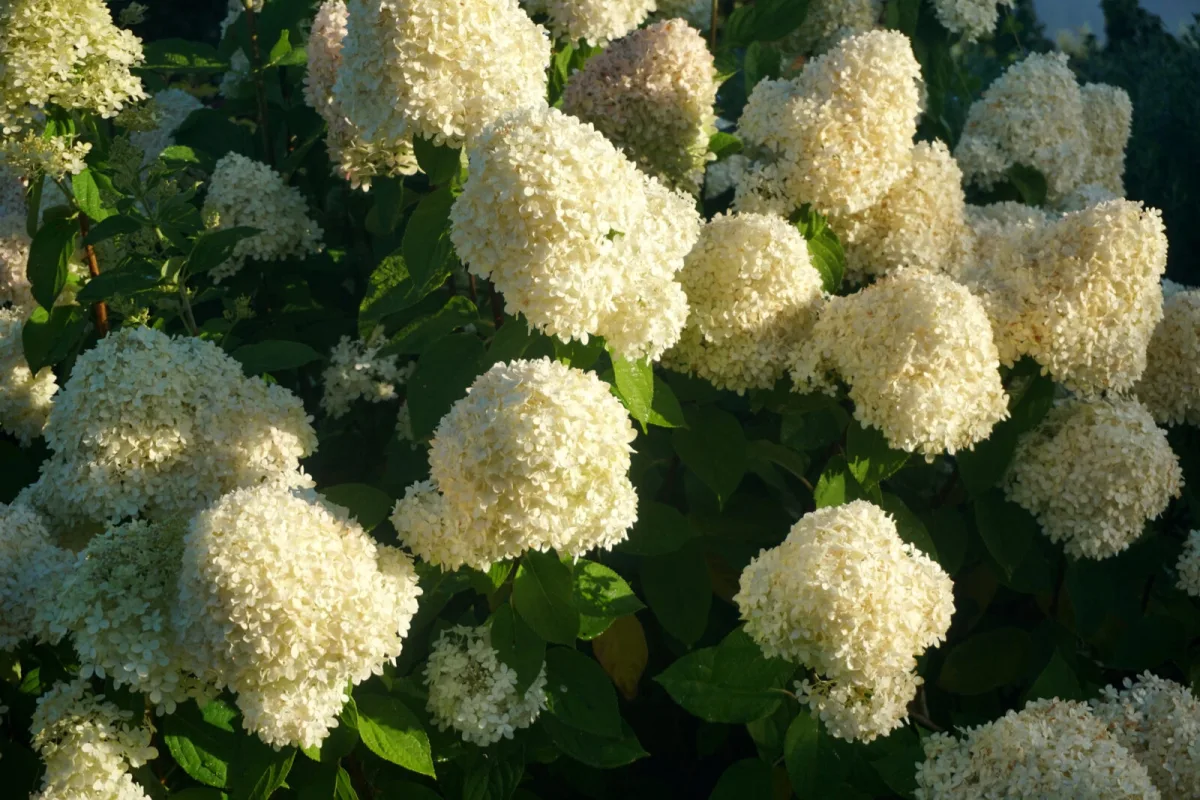
Spent flower heads still have a purpose through winter
Dried hydrangea blooms don’t have to be just an aesthetic problem. They can actually be an ornament in the autumn and winter garden. Their structure remains decorative long after flowering and, in the colder months, adds shape and interest to beds.
It’s not only about appearance. Leaving the flower heads and stems can provide shelter or a food source for various kinds of wildlife. Some hydrangeas attract pollinators during the season, and later their seeds may be used by birds. Hollow stems can also sometimes offer suitable nesting sites for solitary bees. That’s another reason not to clear the garden too thoroughly in autumn.
A layer of mulch around the base of the shrub is also very helpful. It reduces weeds, helps retain moisture in the soil, and at the same time creates better conditions for beneficial insects to overwinter.
When pruners still make sense in October
There are essentially only two reasons to use pruners on a hydrangea in October without much risk. The first is removing dead or diseased parts. That kind of cut is actually beneficial, because it helps prevent problems from spreading and relieves the plant.
The second case is removing spent flower heads if you dislike their look. Even then, you need to be careful. This isn’t a full pruning of the shrub, only snipping off the flower head itself. The stems should be left as intact as possible so you don’t cut into areas where new buds are already forming.
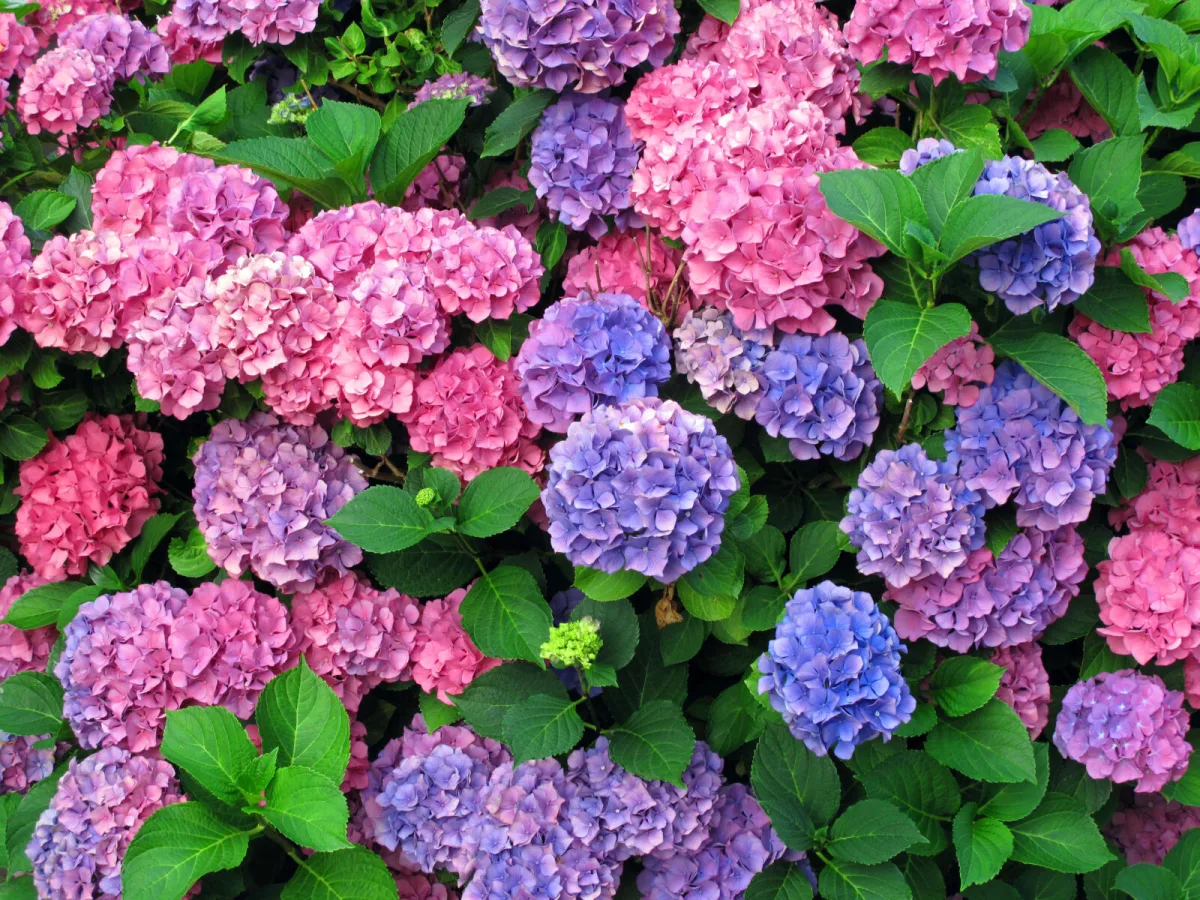
How to tell you might be cutting off future flowers
If you’re not sure, look very closely at the tips of the shoots. That’s where developing buds are often visible in October. They frequently look like a swollen tip at the end of the stem and show that the plant is already preparing for spring and summer flowering. As soon as you see buds like that, it’s a clear sign to postpone any harder pruning.
With hydrangeas, patience in autumn is often more valuable than the urge for perfect tidiness. What you leave on the shrub today can turn into an abundance of flowers next year.
The best autumn care is restraint
October is a time for hydrangeas to prepare for winter, not a time for major shaping. Instead of pruning, it’s better to focus on plant protection, a light mulch, and, if needed, safeguarding against hard frost. If you let shrubs rest, they’ll reward you with greater vigour and often heavier flowering next season.
In other words, when you’re clearing up the garden in autumn, hydrangeas should be among the plants left almost untouched. Use pruners only rarely and thoughtfully. With these shrubs, doing less can be the very best care.
Source: RHS, Homes and Gardens, Pestrazahrada.cz
Related articles
A Pineapple Top Will Root in Two Weeks, but Success Depends on the Step Most People Skip
Don’t throw away the leafy crown when you cut a pineapple. With the right prep, light, warmth and careful watering, you can root it and grow a houseplant that may eventually fruit.
Overwintering Geraniums in a Box Ensures Stronger Growth and More Abundant Spring Bloom
Many people throw balcony geraniums away after the season, even though they can overwinter very well. Stored correctly in a box in cool, dark, dry conditions, they’ll come back stronger and flower generously in spring.
This perennial flowers when others are finishing, thrives in shade and is still little known in the Czech Republic
Liriope is a tough, evergreen perennial with grassy foliage that comes into its own at the end of summer, when many other plants are fading. It thrives in partial shade to shade, needs little care, and adds structure to borders year-round.
Comments (0)
Be the first to comment.