
 English
 Polski
 Deutsch
 Nederlands
 Svenska
 Norsk
 Dansk
 Français
 Italiano
 Español
 Português
 Slovenčina
 Suomi
 Gaeilge
The Most Common Mistake With Home-Laid Eggs That Seems Careful but Actually Harms Them
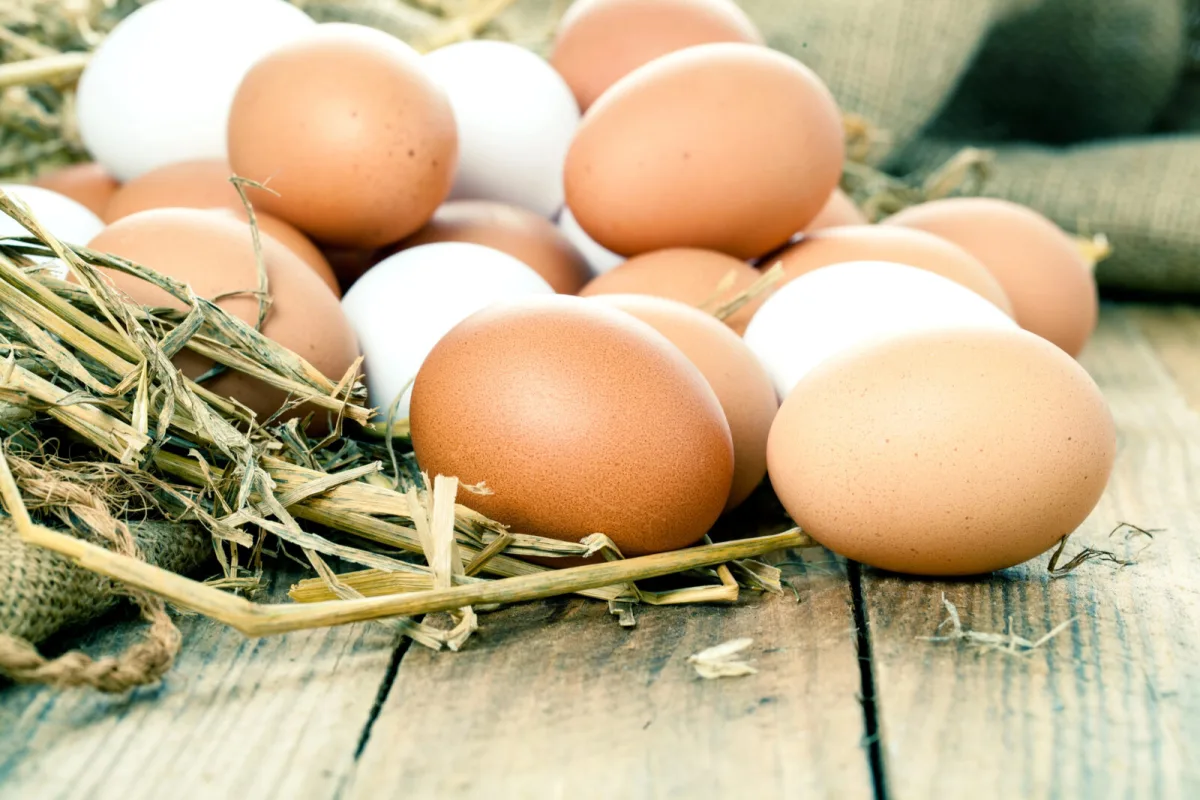
Fresh eggs from your own hens or a local flock differ in many ways from the ones we typically buy in shops. Their shells have a natural protective coating called the cuticle. This is what helps stop bacteria from passing through the pores in the shell. That’s why it’s important to handle newly laid eggs carefully, avoid washing them unnecessarily, and store them in suitable conditions as soon as possible after collecting.
For most households, the safest option is the fridge. Steady cold slows changes inside the egg and helps maintain good quality for longer. Once eggs have been put into the fridge, they shouldn’t be left sitting at room temperature for long again. Repeated warming and chilling doesn’t suit them and can encourage moisture to form on the shell.
Why it’s better not to wash clean eggs
Many people feel that rinsing the shell shows good hygiene, but with fresh eggs the opposite is often true. If the shell is clean, it’s best to leave it as it is. Washing can damage the protective coating that naturally shields the egg. At the same time, washing can spread dirt more easily across the shell surface and onto your kitchen worktop.
If an egg only has a small, dry mark from bedding or soil, gently remove it dry. A clean cloth or a soft brush kept only for this purpose works well. Eggs shouldn’t be left standing in water or soaked. Heavily soiled eggs that can’t be cleaned carefully without water are better discarded.
The same strict approach is sensible with cracked eggs. Any crack creates a much easier route for dirt and bacteria to get inside. A damaged egg shouldn’t go in with the rest in the same carton. After handling dirty or damaged eggs, it’s wise to wash your hands and wipe down any surfaces the shells touched.
Where to store eggs in the fridge
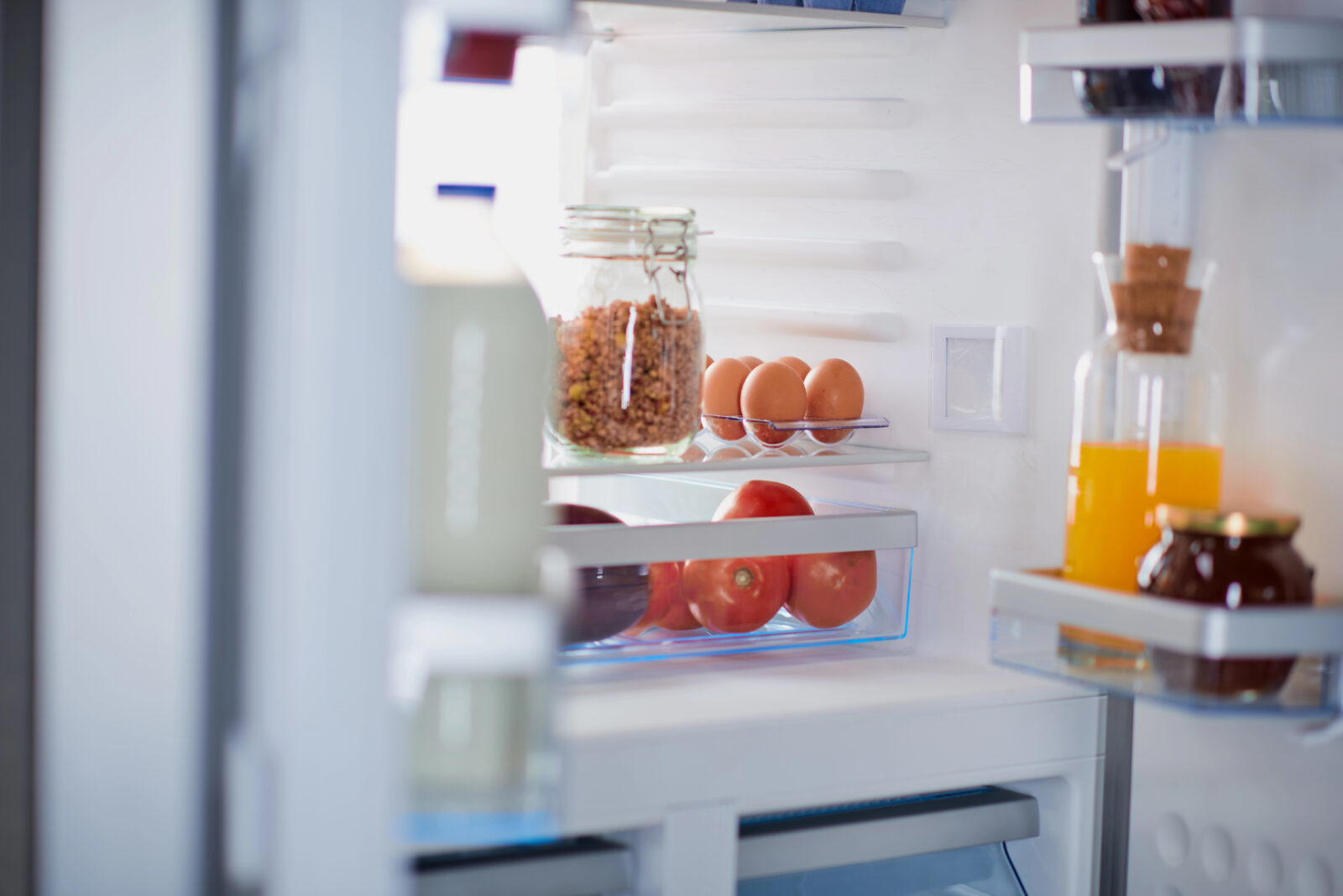
Putting eggs in the fridge isn’t enough on its own; where you place them matters too. The best spot is an interior shelf, where the temperature is most stable. The fridge door, by contrast, isn’t ideal for eggs because it warms up every time you open it and cools again after closing. That constant fluctuation needlessly shortens the time eggs stay at their best.
It’s better to keep eggs in a clean carton or in a lidded container. This reduces knocks and also stops them absorbing odours from other foods. Store them pointed end down with the broader end up, as this helps keep them more stable. Once chilled, they should remain in a cool environment and shouldn’t be put back on the counter just so they’re within easy reach later.
A simple labelling system is worth it
In a home where eggs are collected regularly, a simple bit of organisation pays off. It helps to write the lay date on the carton or container, or at least note the period when the eggs were collected. Put newer eggs behind older ones so the ones you’ve had longest get used first. It can also be practical to keep a separate carton reserved only for the oldest eggs.
This system doesn’t require anything complicated. A plain pencil or a note on the carton is enough. With ongoing labelling, you’ll quickly see which eggs to use first and which can wait a little longer. Keeping track also reduces the risk of eggs being forgotten in the fridge for too long.
How long they keep and when to use them
For the best flavour and performance in the kitchen, it’s ideal to use refrigerated eggs roughly within three to five weeks of being laid. That doesn’t mean they automatically go bad after that time, but their quality gradually declines. The white becomes thinner, the yolk less firm, and the egg can behave differently when frying or baking.
The very freshest eggs are best for dishes where you want to see their structure clearly. They’re excellent for fried eggs, poached eggs, or sunny-side-up. Slightly older eggs often work better for hard-boiling because they tend to peel more easily after cooking.
If you’re unsure about an egg’s condition, don’t crack it straight into batter or into the pan. It’s safer to crack it into a small bowl first. If it has an off smell or an unusual appearance, it shouldn’t be used. The so-called float test can hint at an egg’s age, but on its own it isn’t a reliable guarantee of safety.
Cleanliness starts in the nest
Many storage problems can be reduced right at collection time. The cleaner and drier the nesting boxes are, the less likely eggs are to become dirty. Regular collection is important too. When eggs aren’t left sitting for long, the risk goes down that a hen will damage or soil them, or that they’ll crack.
It’s a good idea to collect eggs at least once a day, and in very warm or very cold weather even more often. Routine helps not only with cleanliness but also with keeping better track of age. If the bedding becomes damp or dirty, it should be changed as soon as possible. Prevention is always easier than trying to clean dried-on mess from the shell later.
The most common mistake when storing eggs
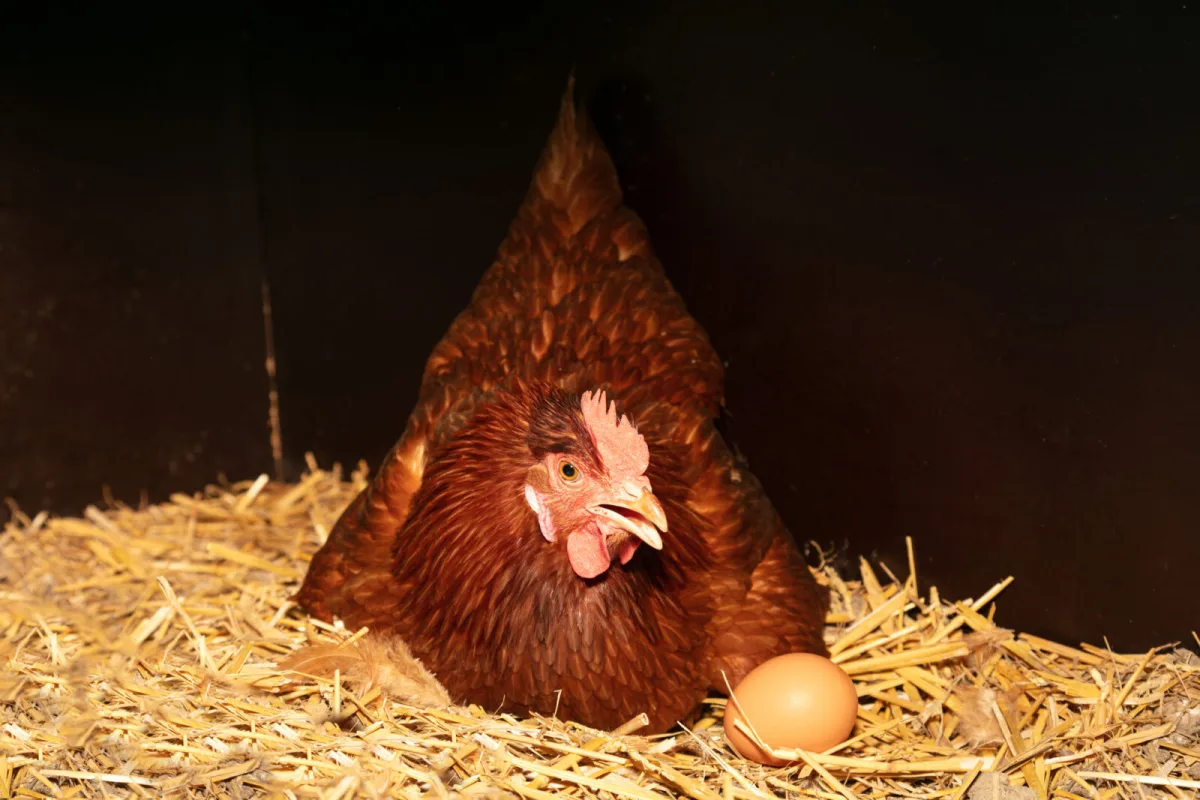
The most common mistake is the well-meant habit of washing eggs immediately after collecting. At first glance it seems hygienic, but in reality it often strips the egg of its natural protection. A better approach is to sort the eggs after collecting, remove only small dry bits of dirt, label them with the date, and store them in the fridge in the right place.
You only need to remember a few basics: discard cracked eggs immediately, don’t wash clean eggs unnecessarily, don’t store them in the fridge door, and once chilled don’t leave them sitting at room temperature for long. Add a clean nest and regular collection, and home-laid eggs will stay in top condition for much longer, making them far easier to use in the kitchen without needless complications.
Source: Jidlo.cz, A Healthy Slice of Life, Homes and Gardens, Pestrazahrada.cz
Related articles
An Empty Nest Box in a Tree Reveals a Mistake Even Experienced DIYers Make
Making a bird nest box is an easy project, but small construction and placement mistakes can leave it sitting empty. Get the sizing, ventilation, materials and siting right so birds will actually move in.
Late Feeding Weakens the Whole Colony and Beekeepers Know the Deadline They Must Not Miss
Successful overwintering depends on timely feeding and enough easily digestible stores. If you feed too late, you overburden winter bees and risk a weakened colony or starvation losses.
Egg Laying Drops in Autumn and Keepers Return to a Generations-Old Trick
As the days shorten and temperatures dip, many hens naturally slow down on egg production. A simple, traditional add-in of garlic with a tiny pinch of black pepper can help support the flock’s overall condition as autumn sets in.
Comments (0)
Be the first to comment.