
 English
 Polski
 Deutsch
 Nederlands
 Svenska
 Norsk
 Dansk
 Français
 Italiano
 Español
 Português
 Slovenčina
 Suomi
 Gaeilge
Your Christmas Cactus Hasn’t Bloomed for Years Yet a Simple Homemade Mix Can Fix It
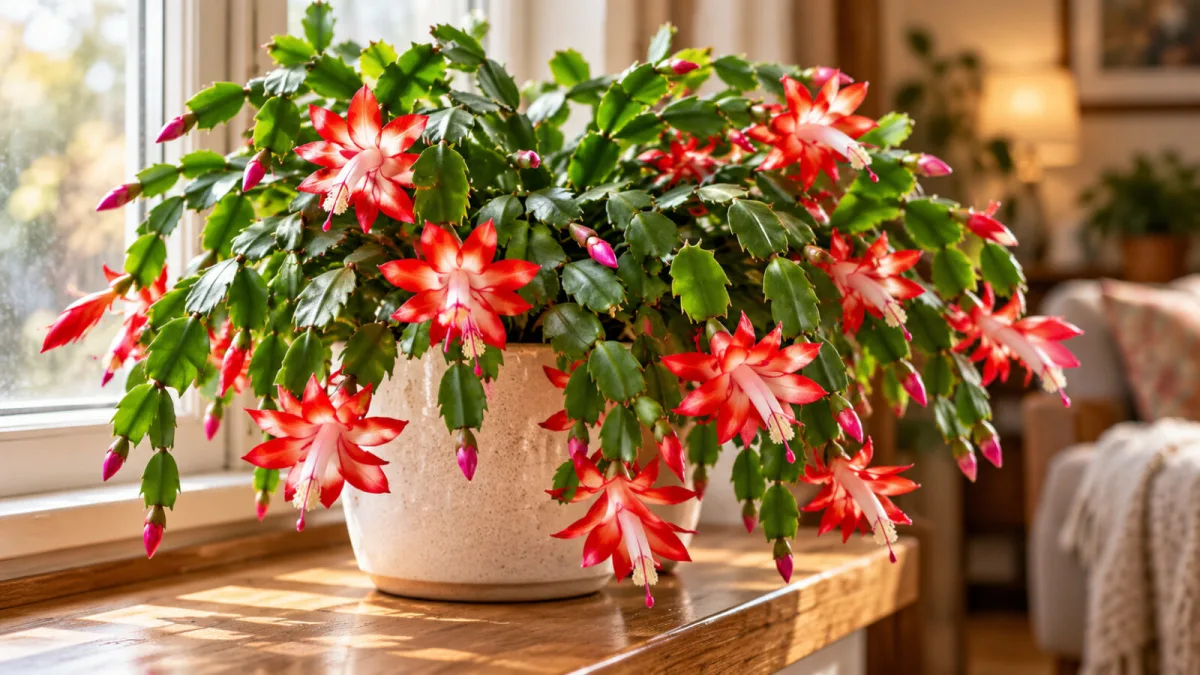
The Christmas cactus is one of the most popular houseplants, capable of brightening up an interior in the depths of winter. Sometimes, though, the plant is healthy, with deep green segments, and still won’t flower for many years. In that situation, it’s often not a lack of light or watering, but suitable nutrition and the right care routine. The good news is you don’t need to buy expensive fertilizers. Simple homemade options can help too.
Basic rules for Christmas cactus care
The Christmas cactus, or Schlumbergera, doesn’t like harsh sun; on a south- or west-facing window it can suffer from overheating and direct rays. It does best in a bright spot with no scorching sun. It prefers a cooler temperature of around 15 °C for most of the year.
In summer it can go outdoors, provided it’s protected from burning sun. During warm days, keep an eye on regular watering so the potting mix doesn’t dry out completely. The plant also dislikes frequent moving and turning. Once it starts growing or setting buds, it’s best to handle it as little as possible.
Feeding is recommended mainly in spring, but always sparingly. It’s best to use only about half the usual dose. Over summer, when new segments are forming, feeding for a limited period is enough. From September, it’s better to reduce nutrition and let the plant rest until spring.
When to repot and where to place the plant
Repotting is ideally done at the end of February, when the plant usually isn’t flowering anymore. Young plants benefit from repotting every year; older plants only need it once every few years. A wider pot is better than an overly deep container, because the root system is not usually extensive.
Once the Christmas cactus begins to bloom, it benefits from a cooler spot. It can stay there until the end of the winter period. After that, it returns to its normal routine and its usual position. A thorough but sensibly managed watering routine is also important, so the plant has enough moisture without becoming waterlogged.
A homemade bloom booster with activated charcoal and aspirin
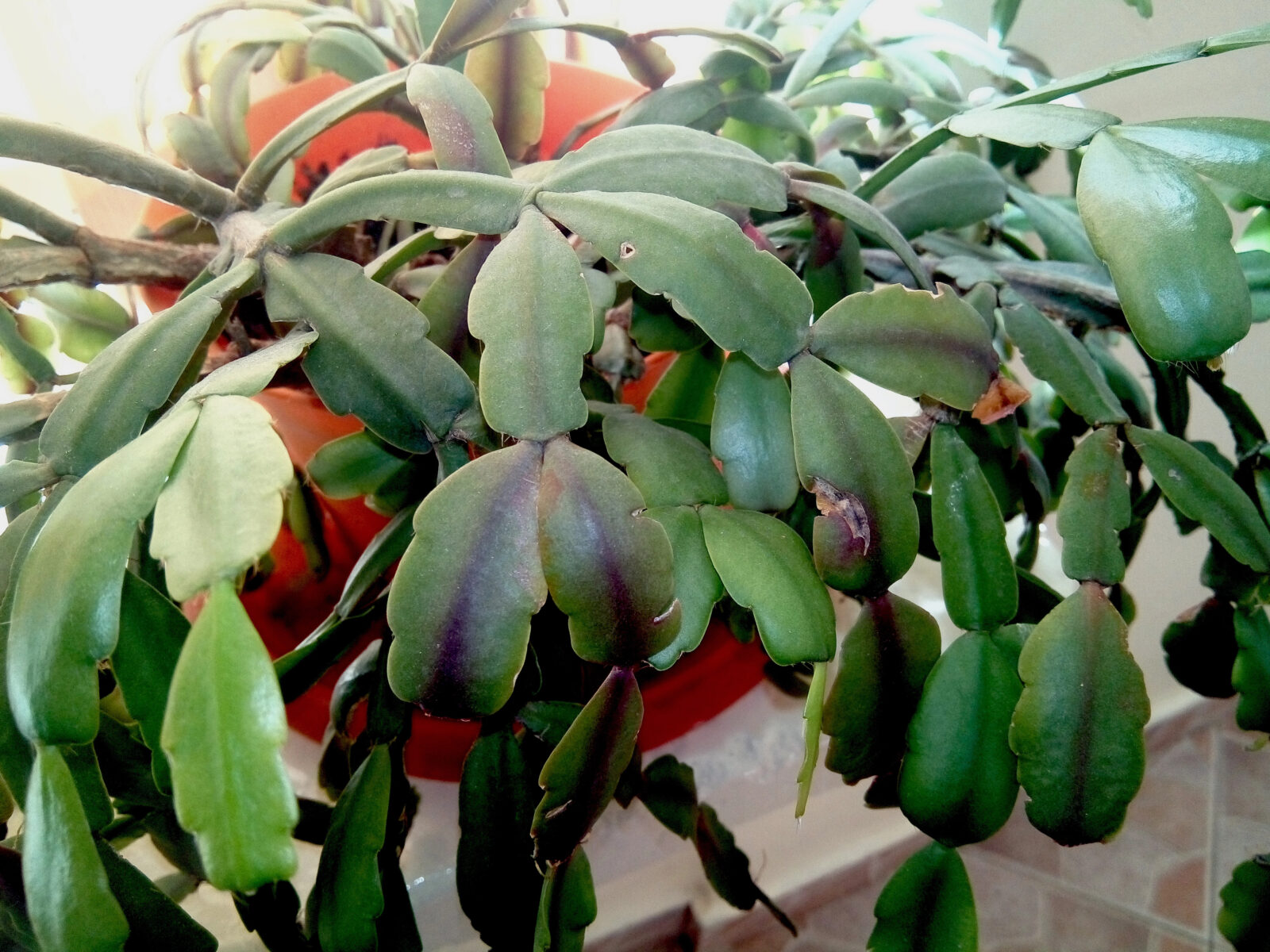
If your Christmas cactus is in good condition but still won’t produce flowers, a simple homemade mix may help. Use one activated charcoal tablet, one aspirin tablet, and 1 litre of water. Crush the activated charcoal and sprinkle it over the surface of the potting mix. Then gently loosen the substrate, for example with a skewer, to open up the top layer.
Dissolve the crushed aspirin in water and water the plant with this solution. Any leftover can be kept briefly in a cool place and the watering repeated a few more times, always only once the potting mix has partly dried. This method is meant to stimulate the plant and support bud formation.
Apple feed as a gentle natural tonic
Another option is an apple infusion. Simply chop one medium apple, pour over 2 litres of water, and let it steep for two days. Then use the liquid for watering. This homemade feed can supply trace elements and other substances that contribute to better plant vitality.
It’s a mild, natural way to support healthy growth without unnecessary chemicals. It’s especially suitable for growers who prefer simple at-home solutions.
Wood ash as a source of minerals
Wood ash is a traditional helper in plant care. It contains mainly potassium, calcium, magnesium, and phosphorus—substances important for growth and flowering. To prepare it, stir two tablespoons of ash into 1 litre of water and let it sit for several hours. The solution is then ready to use.
Ash needs to be used sparingly, but as an occasional boost it can be very useful. Especially valuable is ash from clean, untreated wood, which can also contain small amounts of micronutrients such as boron or manganese.
Banana peels for potassium and other nutrients
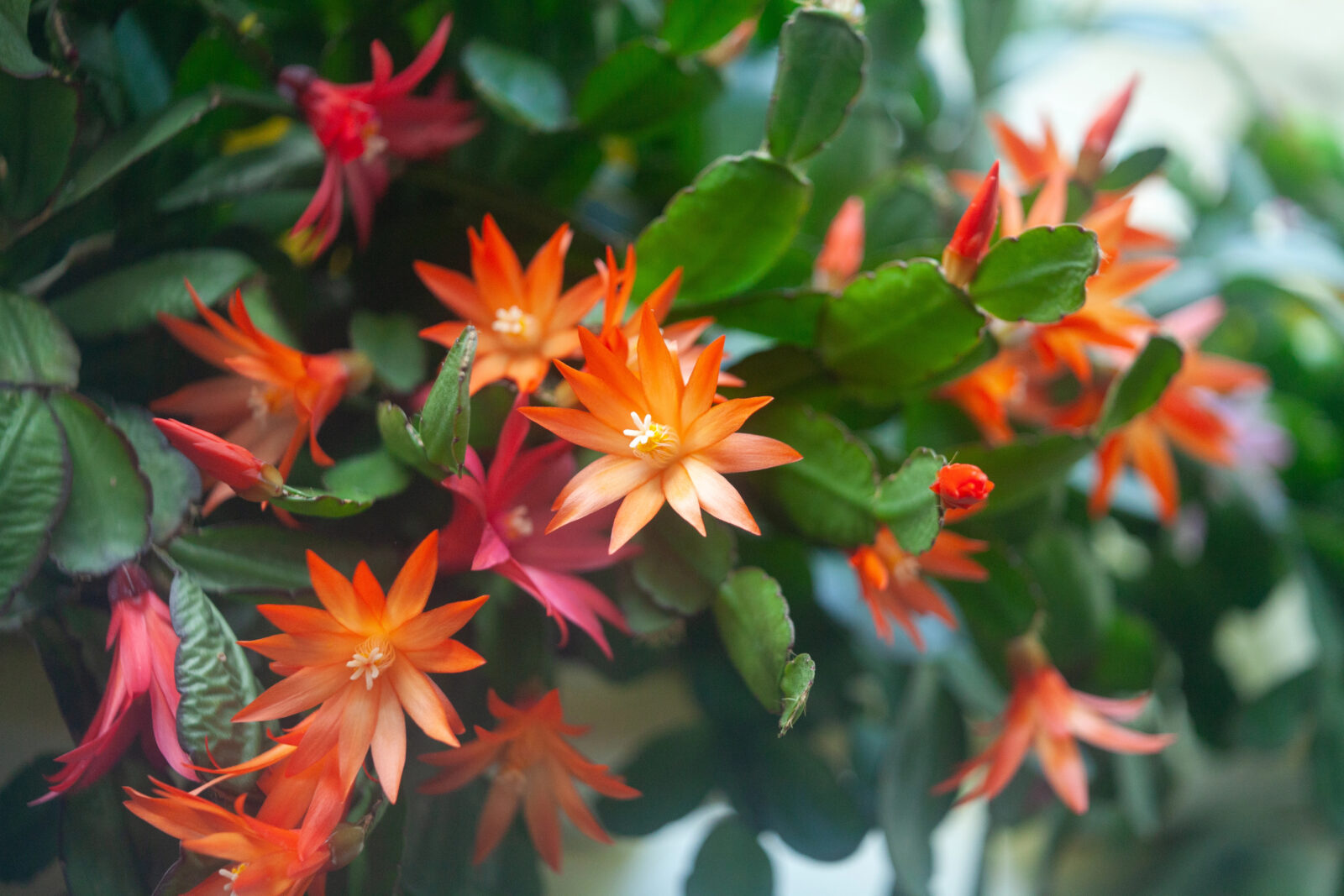
Banana peels can also make an excellent homemade fertilizer. They’re known for a high potassium and manganese content, and they also contain iron, phosphorus, and smaller amounts of other beneficial compounds. To prepare it, take two peels, pour over about 1.5 litres of water, and let it steep for one day.
Use the finished infusion as a root drench. This way, the Christmas cactus can receive nutrition that supports its overall condition and its willingness to set flowers.
How to get results without avoidable mistakes
The most important thing is to combine suitable feeding with proper care. A Christmas cactus needs a bright place without harsh sun, peace and quiet without frequent moving, moderate watering, and sensible feeding at the right time. When these conditions are met, even a plant that hasn’t bloomed for a long time can wake up again and become a striking feature of the home during the winter months.
Source: To je nápad, Gardening Know How, Záhrada, Pestrazahrada.cz

A lover of nature, gardens, and everything that moves, blooms, or grows. He literally grows everything, from herbs to rare species, and he enjoys caring for animals just as much. In his work, he connects modern technology with tried-and-tested grandmotherly methods and is happy when both paths lead to the same goal.
Related articles
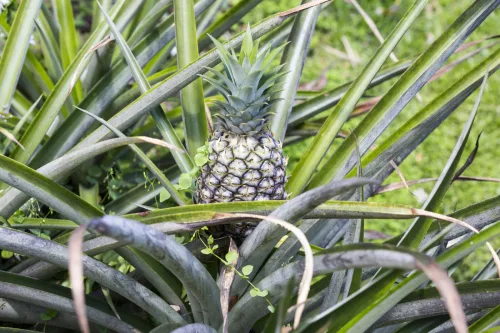
A Pineapple Top Will Root in Two Weeks, but Success Depends on the Step Most People Skip
Don’t throw away the leafy crown when you cut a pineapple. With the right prep, light, warmth and careful watering, you can root it and grow a houseplant that may eventually fruit.
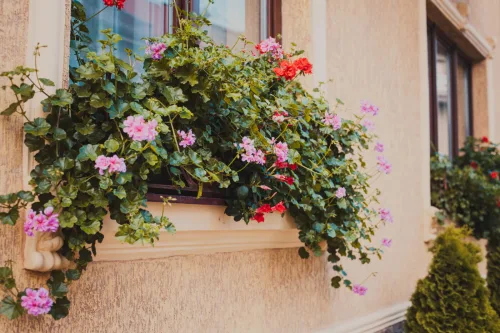
Overwintering Geraniums in a Box Ensures Stronger Growth and More Abundant Spring Bloom
Many people throw balcony geraniums away after the season, even though they can overwinter very well. Stored correctly in a box in cool, dark, dry conditions, they’ll come back stronger and flower generously in spring.
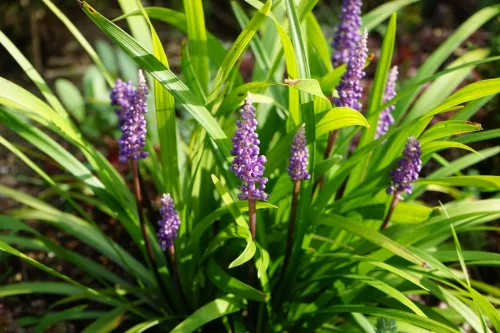
This perennial flowers when others are finishing, thrives in shade and is still little known in the Czech Republic
Liriope is a tough, evergreen perennial with grassy foliage that comes into its own at the end of summer, when many other plants are fading. It thrives in partial shade to shade, needs little care, and adds structure to borders year-round.
Comments (0)
Be the first to comment.