
 English
 Polski
 Deutsch
 Nederlands
 Svenska
 Norsk
 Dansk
 Français
 Italiano
 Español
 Português
 Slovenčina
 Suomi
 Gaeilge
An Orchid That Only Grows but Won’t Bloom Has Three Common Causes You’ll Never Fix with Fertiliser
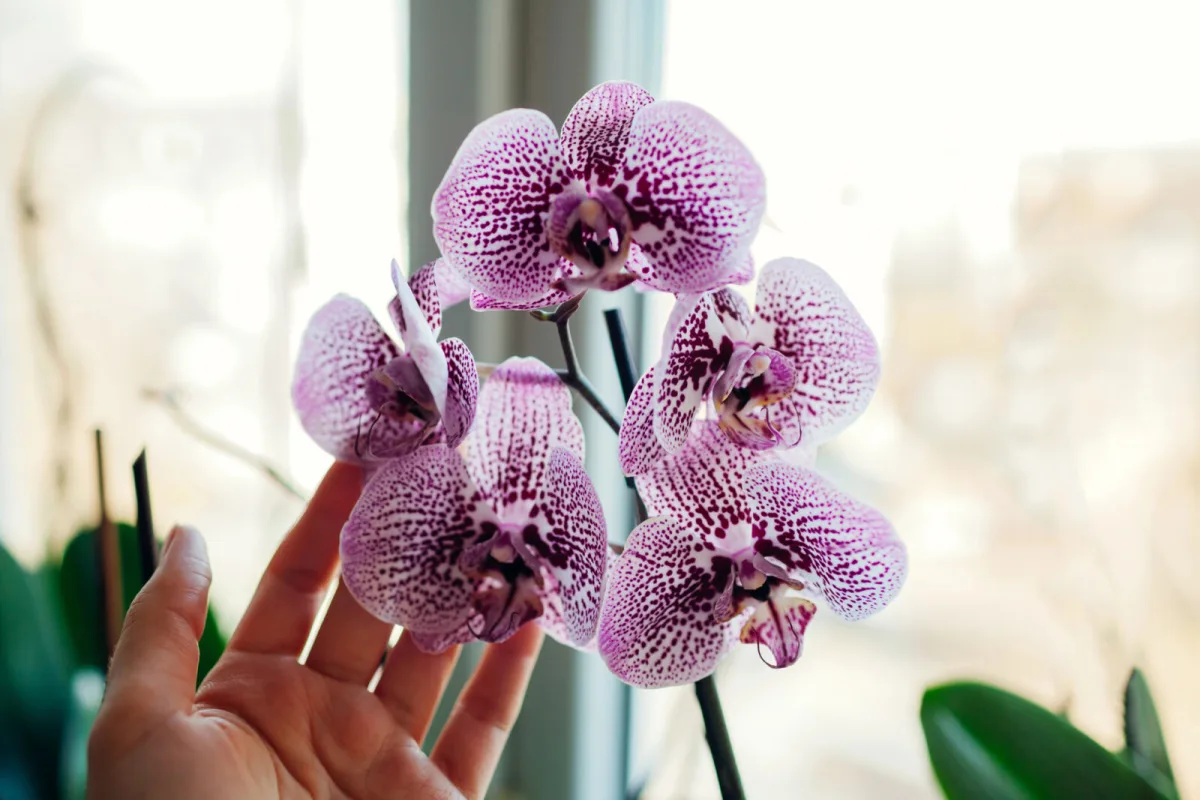
At first glance, an orchid can look perfectly healthy. It puts out new leaves, the roots look strong and the plant seems to be thriving overall, yet the blooms don’t appear for months. Many growers assume at this point that it needs more fertiliser, or that the plant no longer has enough energy to flower again. In reality, the problem is usually much simpler. Most often it comes down to the conditions the orchid has at home.
With the popular genus Phalaenopsis, it’s common for the plant to cope just fine in a spot that’s sufficient for leaf growth, but not enough to trigger a flower spike. Similarly, watering too often or keeping the plant at the same temperature with no natural day–night difference can also hold it back.
Too little light is more common than it seems
One of the main reasons an orchid won’t bloom is insufficient light. The tricky part is that the plant doesn’t necessarily look weak. It keeps growing, the leaves stay firm, and the roots may be in good condition. But flowering takes more energy than the plant can produce in a dim corner of the room.
Orchids dislike harsh midday sun, but that doesn’t mean they’re happy in gloom. They do best in a bright position with filtered, indirect light. If the plant sits far from a window or deeper in the room, it may stay green for a long time with no flowers.
Moving it to an east- or west-facing window can help. With a south-facing aspect, it’s best to protect the leaves from strong rays to prevent scorching. Especially in autumn and winter, it’s important to watch whether the plant is getting enough light. Shorter days are a common reason an orchid survives but won’t start blooming.
Watering too often weakens the roots
The second very common mistake is watering to a fixed schedule. An orchid doesn’t benefit from being watered automatically every week, regardless of whether the potting mix has dried. How quickly it dries changes with temperature, pot size, season, and air humidity.
When roots stay wet for a long time, the risk of rot increases. Damaged roots then can’t take up water or nutrients properly, and the plant gradually loses the strength needed to flower. In other words, sometimes an orchid doesn’t bloom not because it’s too dry, but because it’s being kept too wet.
It’s best to check not only the surface of the mix but the roots themselves. With Phalaenopsis in a clear pot, the roots are typically green after watering, while a silvery or greyish tone often means it’s time to water again. Still, it’s always worth judging whether the medium has truly dried. After watering, excess water must drain away and should never be left standing in the bottom of the outer pot.
An orchid doesn’t need more water just because it isn’t blooming. What matters more is the right alternation of slightly wetter and drier periods, and an airy mix that lets the roots breathe.
A constant year-round temperature can suppress flowering
Many orchids also respond to the difference between day and night temperatures. A gentle drop at night can encourage some plants to form a new flower spike. If your orchid sits all year in a place where the temperature hardly changes, it may happily make leaves but have little interest in flowering.
That doesn’t mean it should be kept cold or in a draught. On the contrary, it’s important to avoid sharp fluctuations, cold air from a window, and leaves touching cold glass. A natural, mild difference between warmer days and cooler nights is enough, especially in autumn.
Why fertiliser alone won’t fix the problem
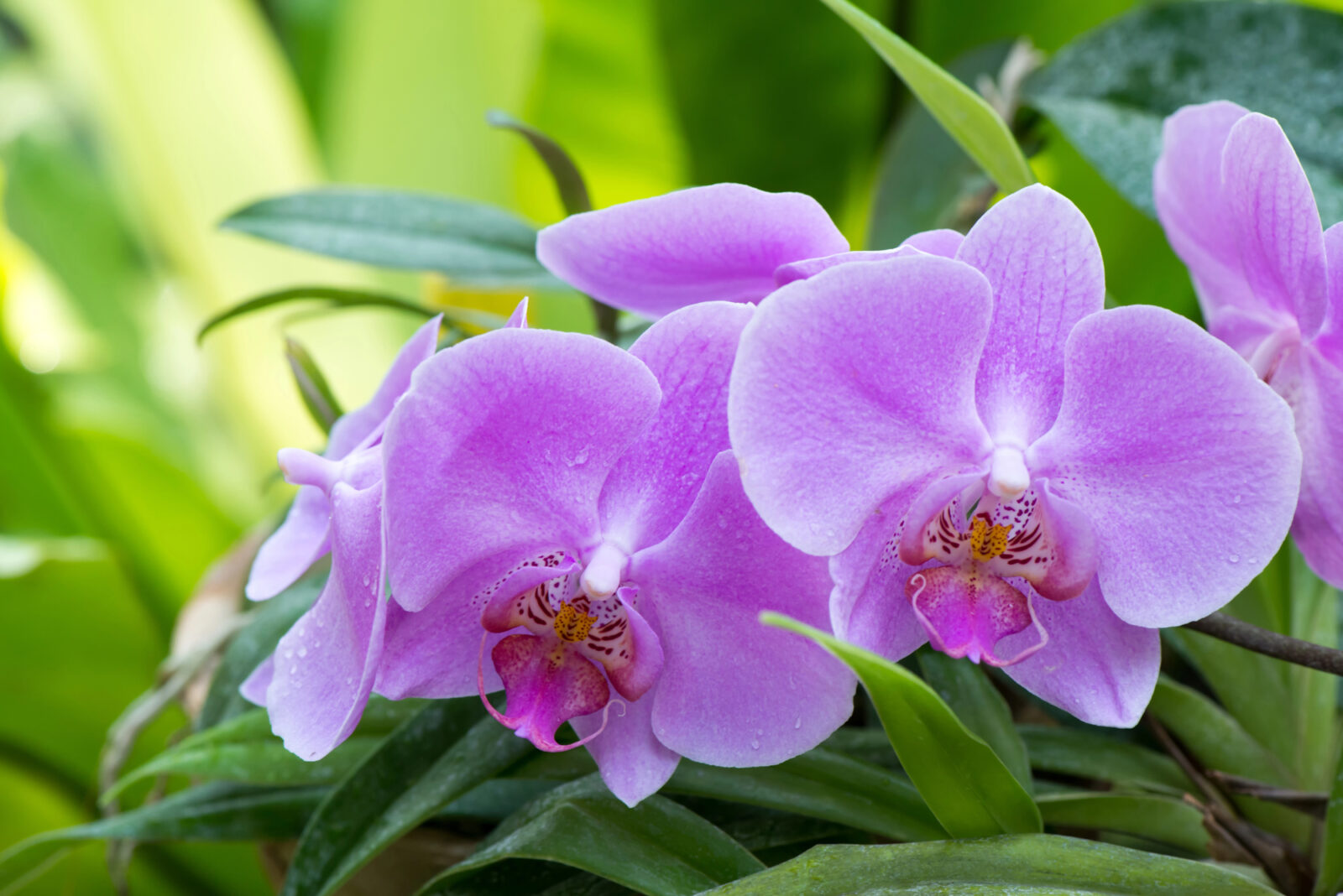
When an orchid hasn’t bloomed for a long time, a common reaction is to add more fertiliser. But that won’t help on its own if the plant is short of light, has waterlogged roots, or is kept in unsuitable temperature conditions. Fertiliser can’t replace missing light, and it won’t repair a damaged root system.
In fact, too strong a dose can harm the roots even more. So feed sparingly and always follow the directions for products designed for orchids. If the issue is in the care routine, adjust the conditions first and only then think about boosting growth.
What to do if your orchid hasn’t bloomed for a long time
Before you start repotting or feeding heavily, check three basics. Is the plant getting enough bright, indirect light? Are you watering more often than it truly needs? And does it have the chance to experience a slightly different day and night temperature?
Also watch the leaves and roots. Firm leaves and a healthy-looking root system are a good sign, but they don’t guarantee quick flowering. Orchids need time and their natural rhythm can’t be rushed. After improving conditions, a new flower spike may not appear immediately; sometimes you have to wait several weeks or even months.
The three most important things are: plenty of light, sensible watering, and the right temperature. These basics most often decide whether an orchid stays simply green, or blooms again in full.
Source: Gardenia, To je nápad, RHS, Pestrazahrada.cz

A lover of nature, gardens, and everything that moves, blooms, or grows. He literally grows everything, from herbs to rare species, and he enjoys caring for animals just as much. In his work, he connects modern technology with tried-and-tested grandmotherly methods and is happy when both paths lead to the same goal.
Related articles

Winter is crucial for raised beds and most people skip the pest prevention step
Your raised beds don’t go dormant just because winter arrives. A few quick, well-timed tasks now will protect the soil, discourage pests, and set you up for a smoother, more productive spring.
When to Mow the Lawn for the Last Time Before Winter
There’s no universal date for the season’s final mow—your lawn and the weather will tell you. Time it just ahead of hard frost and leave the grass slightly higher to help it overwinter healthier and bounce back faster in spring.
Oleander Still Needs Water in Winter and a Common Mistake Can Cost It Its Roots
Oleander is tough in summer heat, but winter cold can quickly damage roots and shoots if it isn’t prepared properly. Timely protection, sensible watering, and the right overwintering spot make all the difference.
Comments (0)
Be the first to comment.