
 English
 Polski
 Deutsch
 Nederlands
 Svenska
 Norsk
 Dansk
 Français
 Italiano
 Español
 Português
 Slovenčina
 Suomi
 Gaeilge
Not all green tomatoes will ripen. Experienced growers know which to pick and which to leave
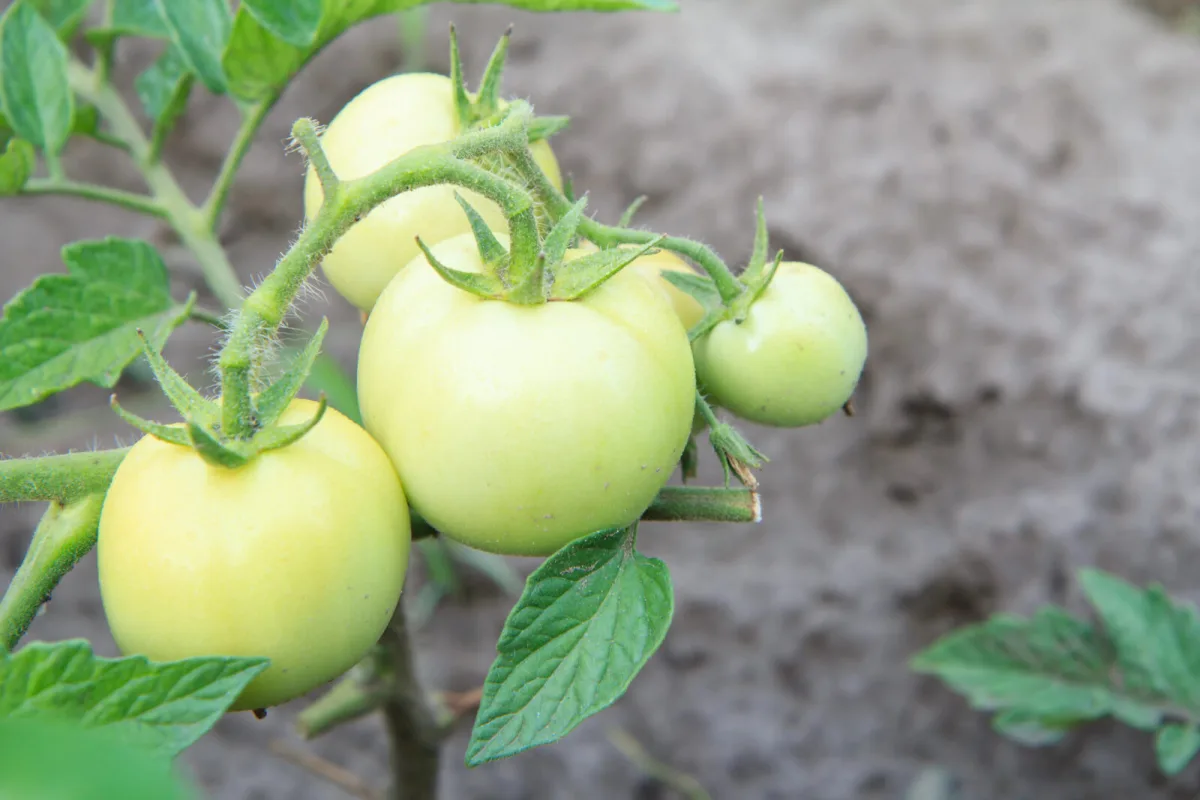
As the tomato season draws to a close, many growers face the same question. Should green fruit stay on the plant, or is it better to pick it before cold weather damages it? The right answer depends not only on the calendar, but mainly on the fruit’s maturity and the weather. Those two factors will tell you whether your tomatoes still have a chance to ripen naturally outdoors, or whether it’s safer to bring them inside.
Fruit size tells you more than colour alone
Not every green tomato can ripen properly after picking. The first important clue is size. If the fruit has already reached the typical size for the variety, there’s a good chance it will continue to ripen off the plant. By contrast, small, underdeveloped fruit usually stays hard and bland.
Skin colour is just as important. Dark green tomatoes tend to have little chance of colouring up well after harvest. Much better are pale green fruits that already show a slight shift to yellow-green or a faint orange tint. Those tomatoes are far enough along that they can ripen at home without much trouble.
A quick look inside the fruit helps too
If you’re unsure, a simple test can help. Cut one or two tomatoes and take a look inside. If the seeds are clearly formed, darker in colour and surrounded by gel, it’s a sign the fruit is developed enough. Those tomatoes have a good chance of ripening after picking.
If the seeds are small, pale, soft and barely visible, the fruit is usually still too immature. In that case, once picked it typically won’t develop as you’d hope, and the result is more likely spoilage than ripening.
When not to rush harvesting
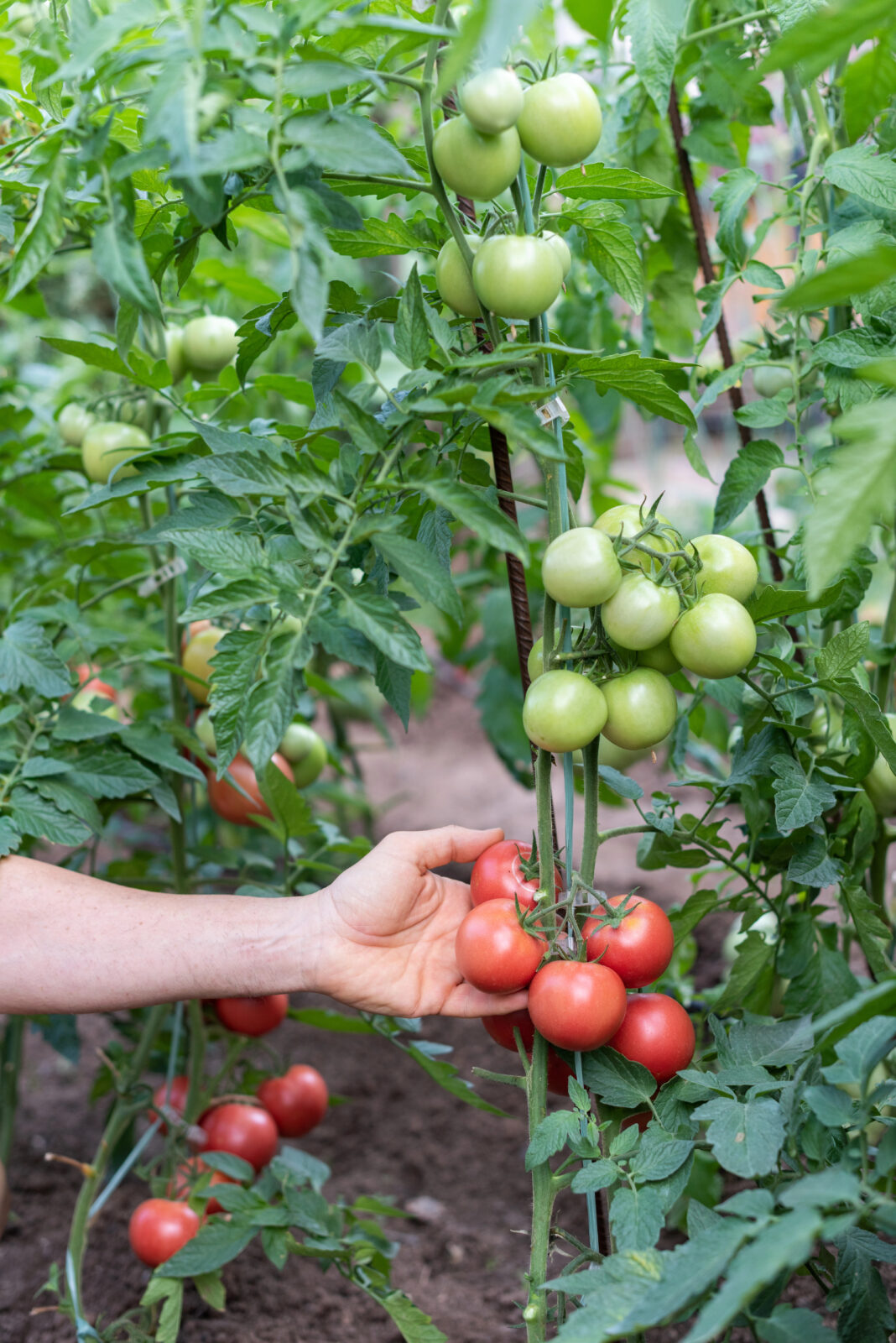
If the forecast still promises pleasant autumn days and daytime temperatures stay above 15 °C while nights don’t drop below 10 °C, tomatoes can remain on the plant longer. Sunshine and a steady supply of nutrients improve not only colour, but also flavour and aroma. In that situation, harvesting too early rarely makes sense.
You can also encourage ripening on the plant with a few simple steps. It’s worth pinching out the growing tip of the main stem so the plant stops putting energy into height and channels more into the fruit. At the same time, remove new flowers and very small fruits that won’t have time to size up anyway. Thinning out lower and yellowing leaves also helps, as it lets more light and air reach the tomatoes.
Cold nights are a warning sign for tomatoes
The biggest issue comes when temperatures fall and nights start dipping below 10 °C. That’s when natural ripening slows dramatically or stops altogether. Even worse is the risk of frost, which damages not only the plant but the fruit’s structure as well. Tomatoes then soften, rot more easily and, instead of colouring gradually, spoil quickly.
Once the weather turns consistently cooler and nights are cold, it’s usually better to pick green tomatoes in time than to wait for a last chance outdoors.
How to ripen green tomatoes indoors
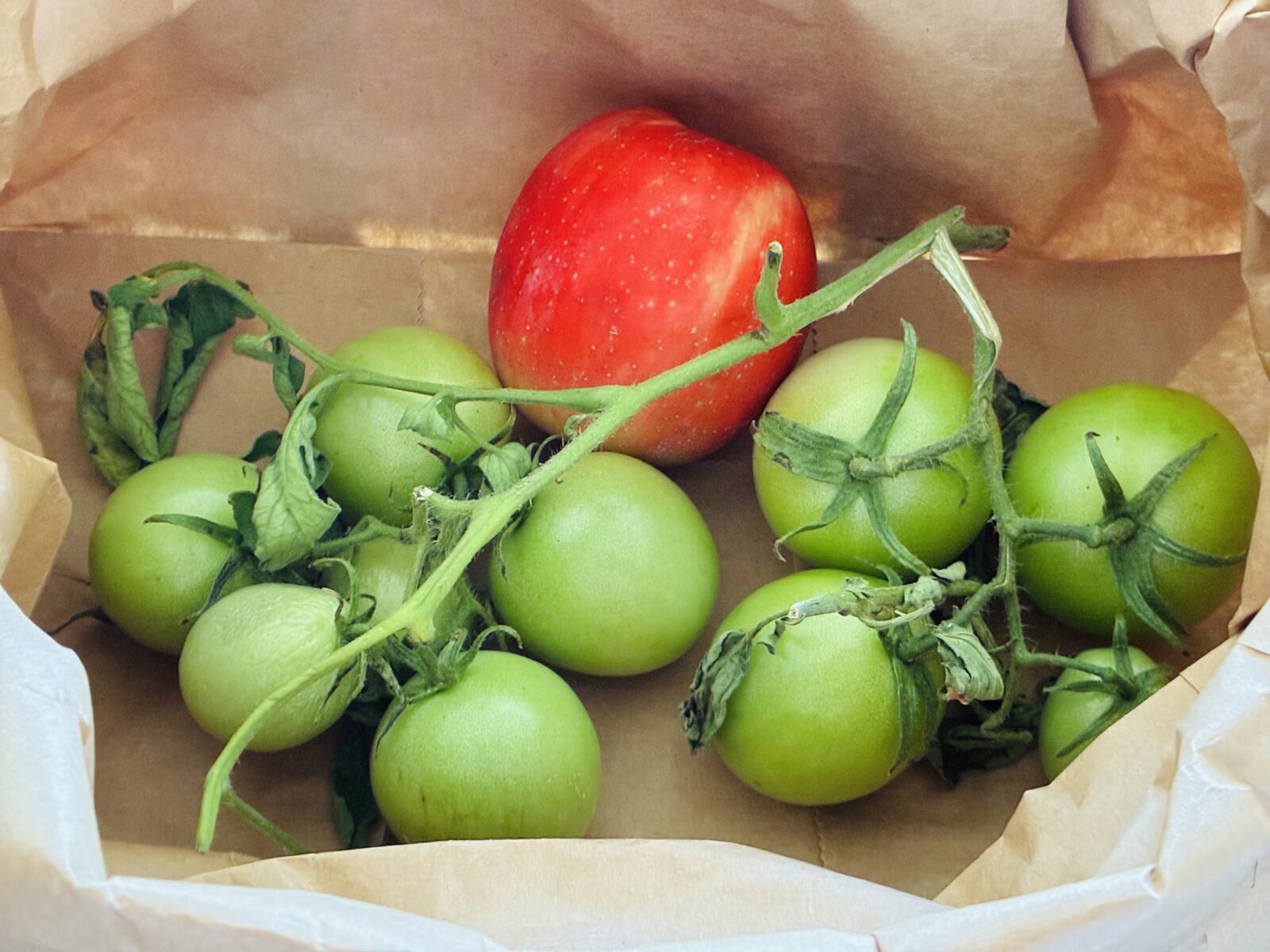
When harvesting, it’s best to snip fruits off with a small piece of stem attached. This reduces the risk of rot and helps tomatoes stay in good condition longer. At home, lay them out in a single layer in a shallow crate, box or on a paper-lined tray. The key is that they’re dry, not bruised and not piled on top of each other.
Store them in a drier, slightly darker place at around 18 to 22 °C. Below 15 °C, ripening almost stops. On the other hand, in too much heat tomatoes soften quickly and may start to blacken. Many people set them on a windowsill, but direct sun isn’t necessary. Fruit doesn’t need light to ripen, and harsh rays can do more harm than good.
The process is also sped up by ethylene gas released naturally by ripening fruit. That’s why adding a ripe apple alongside the tomatoes works well. It can noticeably speed things up and help the fruit develop better colour in less time.
Let the fruit and the forecast decide
Timing the harvest of green tomatoes is always a mix of observation and reading the weather. Large, lightening fruits can ripen after picking, while small, dark green ones usually won’t. If it’s still warm outside, it’s worth giving the plants a few more days. But when colder weather arrives, it’s safer to harvest and let the tomatoes finish ripening indoors. Making the call at the right moment often decides whether you’ll still be enjoying the last tomatoes of the season.
Source: Pestrazahrada.cz

A lover of nature, gardens, and everything that moves, blooms, or grows. He literally grows everything, from herbs to rare species, and he enjoys caring for animals just as much. In his work, he connects modern technology with tried-and-tested grandmotherly methods and is happy when both paths lead to the same goal.
Related articles
Don’t Throw Away Green Tomatoes They’ll Ripen Indoors and the Rest Belongs in the Pan
As temperatures drop at the end of summer, tomatoes often struggle to finish ripening on the plant. With a few simple tweaks you can help them colour up, ripen the rest indoors, and use any stubborn green ones in delicious recipes.
Walnuts will keep until next year’s harvest, but one post-harvest mistake can ruin them with mould
Home-grown walnuts can stay delicious for months—often right up to the next harvest—if you dry and store them properly. Moisture trapped in the kernel is the quickest route to musty flavour, rancidity and mould.
How to Protect Your Garden from Frost in Autumn and Spring
Frost can wipe out tender vegetables and herbs overnight, but a few well-timed steps can greatly reduce the damage. Learn which crops cope with cold, when to cover, and how water, mulch and smart garden layout help buffer temperature swings.
Comments (0)
Be the first to comment.