
 English
 Polski
 Deutsch
 Nederlands
 Svenska
 Norsk
 Dansk
 Français
 Italiano
 Español
 Português
 Slovenčina
 Suomi
 Gaeilge
Tomatoes can fruit on a windowsill in winter with one surprising trick
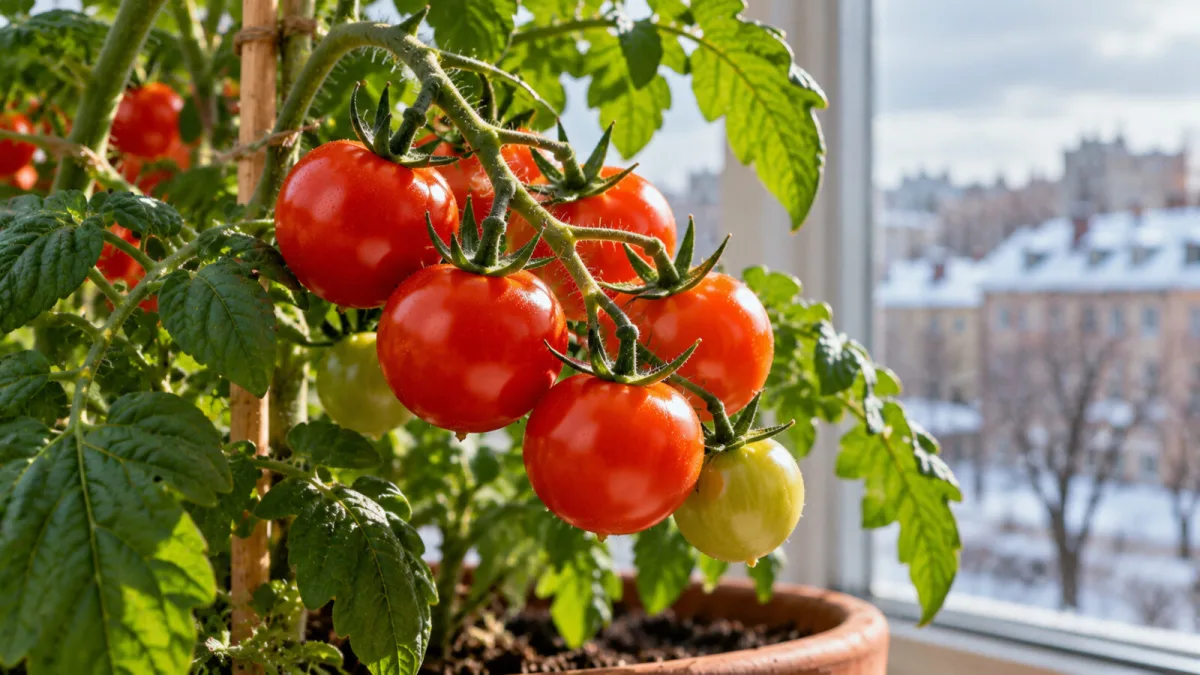
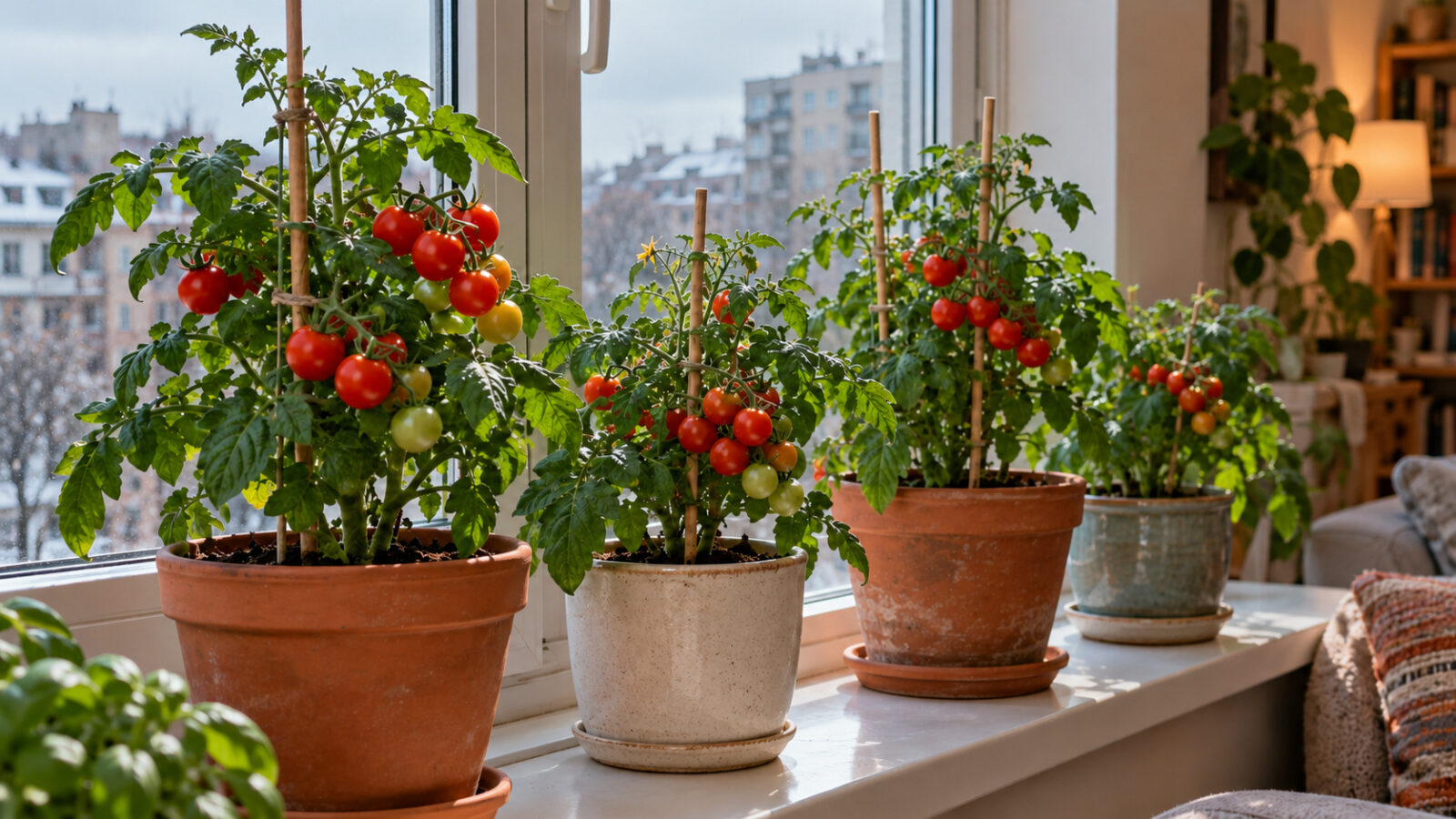
Tomatoes don’t have to end up on the compost heap when chilly nights set in. Although they’re usually grown here as seasonal plants, with the right care they can make it through winter indoors too. If you bring them in from the balcony or garden in time, they can carry on growing and sometimes even keep flowering and setting fruit. Indoors, though, you’ll run into a problem that nature usually handles outside. There’s no wind and no insects, which is exactly why pollination needs a little help.
When to move plants indoors
The biggest mistake is waiting for the first frost. As soon as night temperatures start edging towards 5 °C, it’s time to be on alert. A light frost can hit as early as late September or early October, so it pays to have a plan in advance. In October you need to keep an eye on the forecast, and by November at the latest your tomatoes should be safely indoors.
Three ways to overwinter tomatoes
Rooted side shoots
The most practical option is to take healthy side shoots. Let them root in water, then pot them up into a smaller container. These young plants don’t take up much space, are easy to place on a windowsill, and there’s less risk of bringing pests indoors with them.
Bringing in the whole container-grown plant
If you’re already growing your tomato in a pot, you can move the entire plant along with its root ball. Do it before temperatures consistently drop below 10 °C. Before you bring it inside, check the leaves carefully, especially the undersides, because that’s where whiteflies or spider mites often hide.
Ripening green fruit
A third option is to salvage at least the harvest. Healthy, well-developed fruit can be left to ripen indoors at normal room temperature. They don’t need sun for this, just time. This approach isn’t overwintering the plant, only making use of the last fruit.
Which varieties are suitable for a windowsill
Large cordon tomatoes aren’t a good fit for indoor growing, because they need plenty of space and big containers. A much better choice is compact balcony or bush varieties. Vilma, Aztek and Venus, for example, perform well and will grow in smaller pots. The more vigorous Bajaja prefers a larger volume of compost and can be awkward on a narrow windowsill.
What tomatoes need in winter
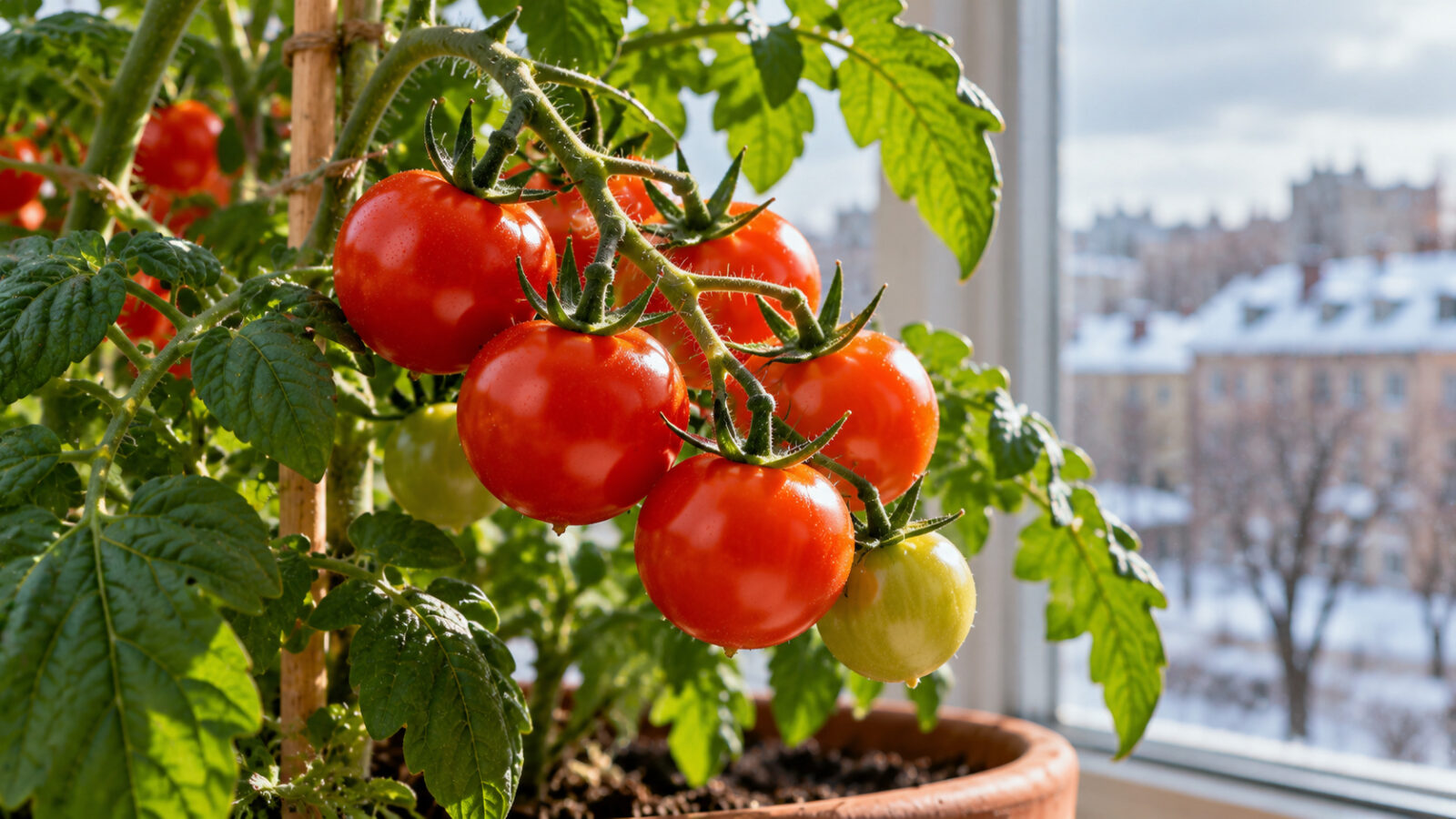
Light is the most important thing. Without it, the plant will become weak and leggy, and it won’t be keen to flower. A south- or west-facing window is best, where it gets plenty of daylight. If light levels are low, simple supplemental lighting with cool white light can help. There’s no need to keep the light on continuously, though, because like other plants tomatoes still need regular darkness at night.
Temperature matters too. Below 10 °C the plant suffers, while too much heat reduces fruit set. If you want it to keep producing, it does better in slightly cooler, moderate room conditions. If you simply want to keep the plant alive until spring, you can leave it in a cooler room.
Go easy on watering. Overly wet compost in a warm flat encourages soft, leggy growth. Let the potting mix dry slightly between waterings. Fertiliser only makes sense once the plant starts actively growing again and forming fruit.
Why fruit develops poorly without vibration
Tomatoes are self-fertile, but the pollen still has to be released from the flower first. Outdoors, wind or bumblebees help by vibrating the blossoms. Indoors this natural movement is missing. The result can be fewer fruit, flowers dropping, or misshapen, smaller tomatoes. This is where a simple bathroom trick comes in.
An electric toothbrush as a home pollinator
A basic electric toothbrush can replace the vibrations insects would normally provide. Switch it on and hold it against the stalk of the flower truss for one to two seconds. There’s no need to touch the flowers themselves with the bristles, because the pollen is released by the vibration alone. It’s best to pollinate open flowers every day or every other day, ideally around midday, when the air is drier and the pollen sheds more easily.
A short vibration once a day can decide whether a tomato plant merely survives winter or actually produces good fruit.
If pollination works, the flower won’t drop after a few days and a tiny green fruit will start swelling beneath it. Try to handle the young tomatoes as little as possible, because even small damage can later show up as scarring on the skin.
What kind of harvest to expect and what to do in spring
You can’t expect the same results from winter growing as you do from an outdoor summer crop. On a windowsill you’ll get a smaller number of fruit, ideal for salads or simply snacking. Flavour is usually best in tomatoes that ripen on the plant. Even if the winter harvest isn’t large, the big advantages are freshness and the chance to keep a favourite plant going for the next season.
At the end of winter or in early spring, you can water a little more, start feeding, and take new cuttings from the overwintered plant. That gives you a strong head start compared with seedlings sown in the usual way. Once frosts are over, the tomatoes can go back out to the balcony, while the electric toothbrush can be handed back to the bumblebees and the wind.
Source: House Beautiful, The Millennial Gardener, Ideal Home, Pestrazahrada.cz

A lover of nature, gardens, and everything that moves, blooms, or grows. He literally grows everything, from herbs to rare species, and he enjoys caring for animals just as much. In his work, he connects modern technology with tried-and-tested grandmotherly methods and is happy when both paths lead to the same goal.
Related articles
Don’t Prune Hydrangeas in October
Tidying the garden in autumn is tempting, but October pruning can cost your hydrangeas next year’s flowers. Only two light interventions make sense this time of year; everything else is best left until the right season.
A Pineapple Top Will Root in Two Weeks, but Success Depends on the Step Most People Skip
Don’t throw away the leafy crown when you cut a pineapple. With the right prep, light, warmth and careful watering, you can root it and grow a houseplant that may eventually fruit.
Overwintering Geraniums in a Box Ensures Stronger Growth and More Abundant Spring Bloom
Many people throw balcony geraniums away after the season, even though they can overwinter very well. Stored correctly in a box in cool, dark, dry conditions, they’ll come back stronger and flower generously in spring.
Comments (0)
Be the first to comment.