
 English
 Polski
 Deutsch
 Nederlands
 Svenska
 Norsk
 Dansk
 Français
 Italiano
 Español
 Português
 Slovenčina
 Suomi
 Gaeilge
How to Prepare Currants for Winter in Autumn for a Truly Heavy Crop Next Season
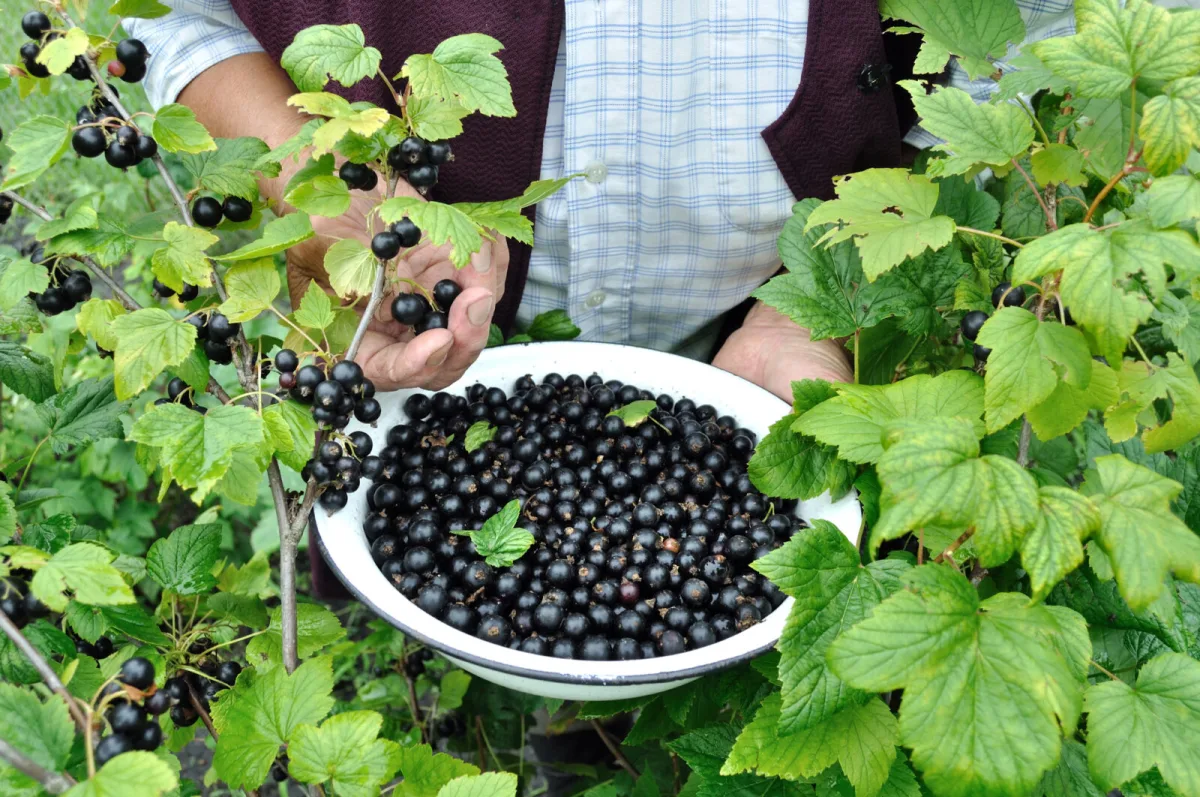
How many currants you’ll pick next year is often decided in autumn. The period before the first frosts is crucial for shrub care. Whether you grow red, white or black currants, all types benefit from timely winter preparation. If you don’t put this care off, you give the plants a much better chance to overwinter well, break strongly in spring, and deliver a noticeably better crop in summer.
Currants are among the most popular soft fruits and are incredibly versatile in the kitchen. They’re ideal for jam, jelly, syrups and baking. That’s all the more reason to invest a few extra hours in the bushes right now, as the garden gradually heads into its resting season.
The most important step is correct autumn pruning
The foundation of winter preparation is thoughtful pruning. The aim isn’t only to tidy the shape of the bush, but above all to encourage productive fruiting wood. Currants will fruit on older branches too, but without regular renewal the bushes gradually become congested, airflow is reduced, and yields decline.
The best time is after leaf fall. You can clearly see the structure of the bush then, and the plant is already heading into dormancy. An autumn prune is therefore both gentle and effective.
Red and white currants need space opened up
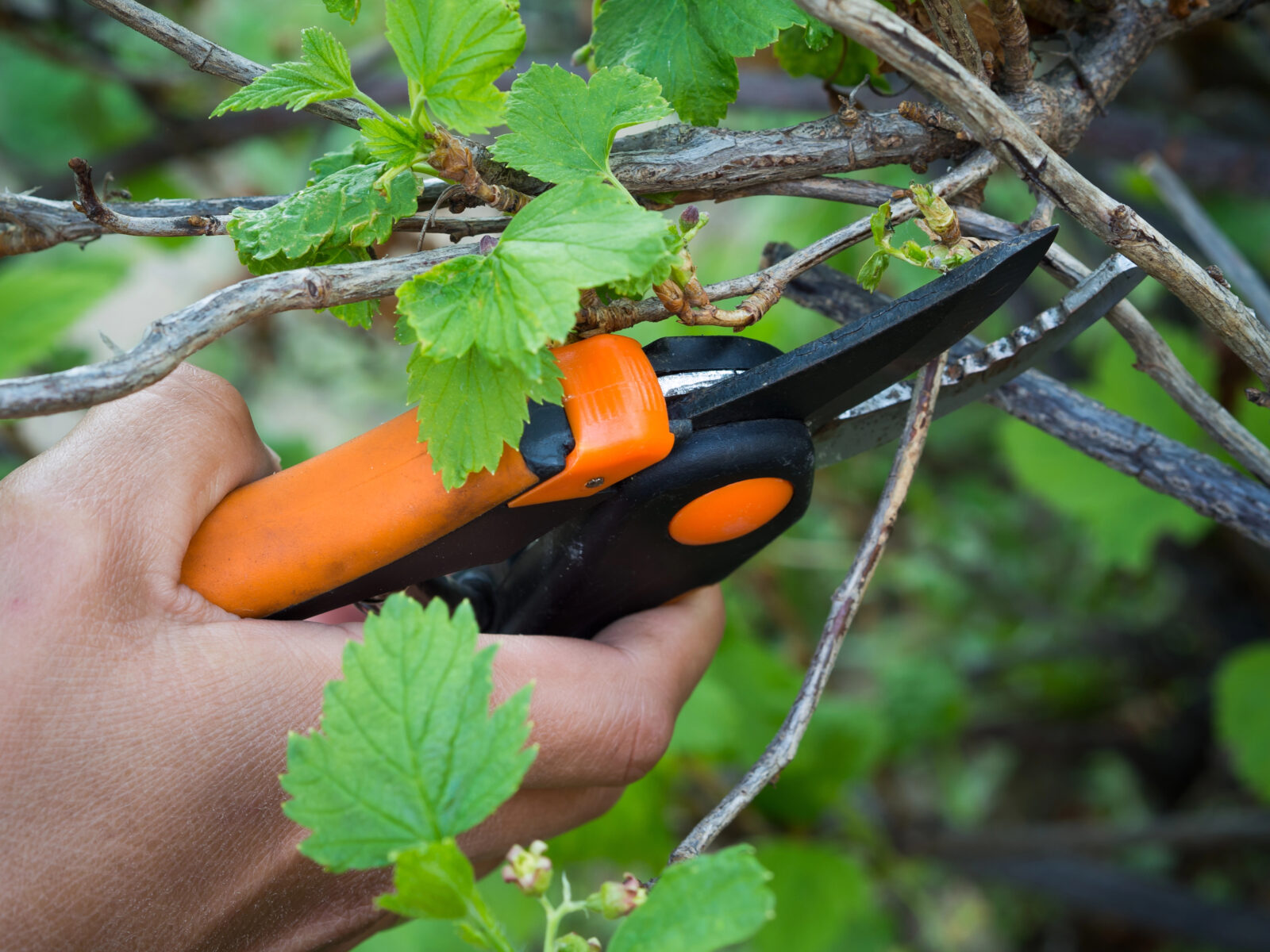
With red and white currants, it’s best to remove branches older than four years. These usually no longer carry as much fruit and simply thicken the bush unnecessarily. It’s also recommended to shorten side shoots back to a few buds. This keeps the plant compact and channels more energy into younger, higher-yielding growth.
Black currants tolerate a harder cut
Black currants behave a little differently, because they fruit best on one-year-old shoots. That’s why they benefit from a more decisive prune than other types. Stronger autumn renewal pruning encourages the formation of new, sturdy shoots in spring, which then carry a high-quality, heavy set of fruit.
A correctly done prune is one of the key steps that determines whether the bush will merely get by next season, or actually crop at full capacity.
After pruning comes feeding and strengthening the plants
Once the bushes are shaped, it’s time to look after the soil. Well-rotted compost suits currants perfectly: it improves soil structure while supplying essential nutrients. If you prefer ready-made products, choose autumn fertilisers with a lower nitrogen content and a higher proportion of potassium and phosphorus.
Nitrogen at this time could encourage unwanted growth of soft new shoots, which won’t cope well with winter. Potassium and phosphorus, by contrast, help tissues ripen and increase the shrub’s resistance to cold. This autumn feed can make a real difference to how well the plant gets through the frosty months without weakening.
Mulch helps against frost and weeds
Another very worthwhile step is spreading a layer of mulch around each bush. Organic material protects the root zone from sharp freezes and also suppresses weeds. It helps the soil retain moisture and reduces the impact of temperature swings, which are common in winter and early spring.
The mulch should be thick enough to provide genuine insulation. Suitable materials include leaves, composted bark, or other natural matter that will gradually break down and continue enriching the soil.
When it makes sense to use horticultural fleece
In normal conditions, most currant bushes will cope with a Central European winter without any special wrapping. But if you grow currants in a colder area, in an exposed windy spot, or you expect very hard frosts without a protective snow cover, horticultural fleece can help. It creates an extra protective layer and reduces the risk of frost damage.
However, it isn’t necessary in every garden. Often a well-executed prune, appropriate feeding and a generous layer of mulch are enough. This combination is usually the most important for successful overwintering.
A little autumn care pays back with a big summer harvest
Preparing currants for winter doesn’t require complicated techniques, but it’s well worth doing properly. When you renew the bushes in autumn, feed them, and protect their roots, you create ideal conditions for a calm winter rest. The result can be vigorous plants, heavy strings of fruit, and plenty for preserving and other homemade treats.
A few simple jobs done at the right time can make the difference between an average crop and a truly exceptional one. Right now is the best moment to give currants everything they need before winter.
Source: RHS, The Spruce, GrowVeg, Pestrazahrada.cz

A lover of nature, gardens, and everything that moves, blooms, or grows. He literally grows everything, from herbs to rare species, and he enjoys caring for animals just as much. In his work, he connects modern technology with tried-and-tested grandmotherly methods and is happy when both paths lead to the same goal.
Related articles
A Pineapple Top Will Root in Two Weeks, but Success Depends on the Step Most People Skip
Don’t throw away the leafy crown when you cut a pineapple. With the right prep, light, warmth and careful watering, you can root it and grow a houseplant that may eventually fruit.

Overwintering Geraniums in a Box Ensures Stronger Growth and More Abundant Spring Bloom
Many people throw balcony geraniums away after the season, even though they can overwinter very well. Stored correctly in a box in cool, dark, dry conditions, they’ll come back stronger and flower generously in spring.
This perennial flowers when others are finishing, thrives in shade and is still little known in the Czech Republic
Liriope is a tough, evergreen perennial with grassy foliage that comes into its own at the end of summer, when many other plants are fading. It thrives in partial shade to shade, needs little care, and adds structure to borders year-round.
Comments (0)
Be the first to comment.