
 English
 Polski
 Deutsch
 Nederlands
 Svenska
 Norsk
 Dansk
 Français
 Italiano
 Español
 Português
 Slovenčina
 Suomi
 Gaeilge
Autumn hibiscus pruning has two strategies and choosing the wrong one weakens the plant at the worst time
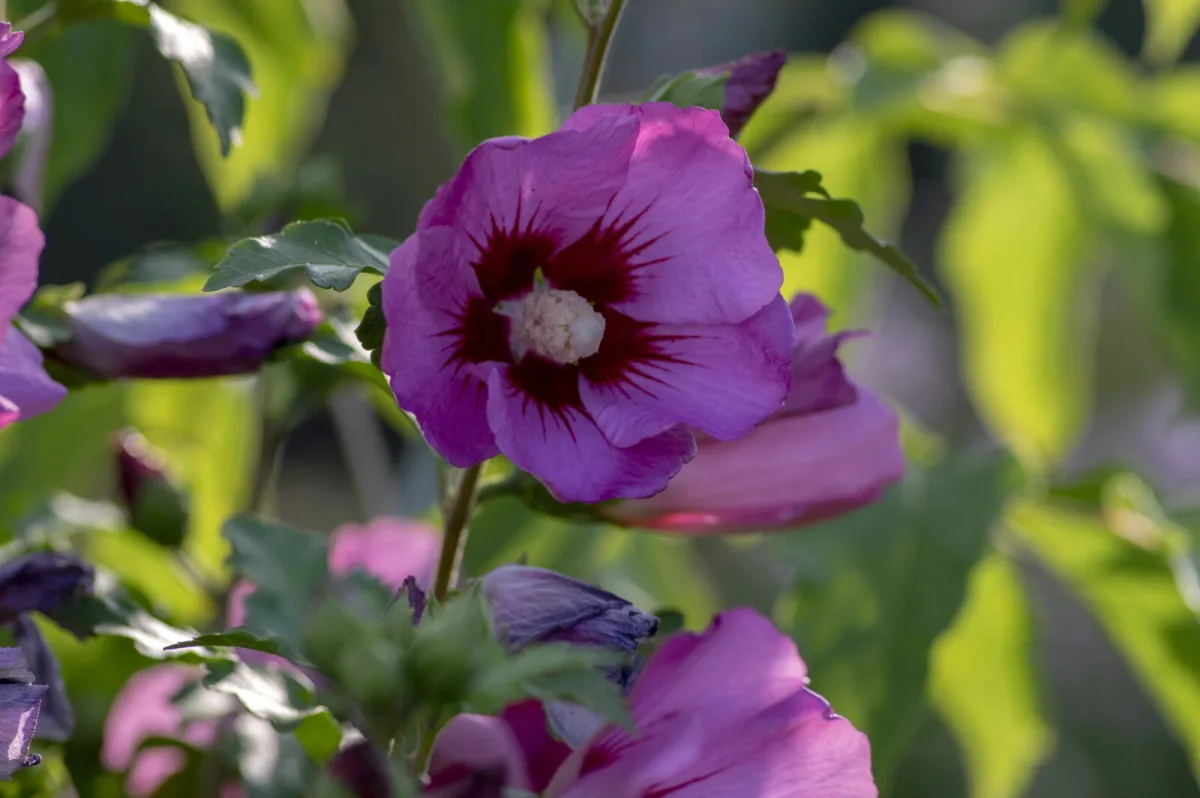
In autumn, many growers ask the same question: should hibiscus be pruned before winter, or is it better to leave it alone? There’s no single universal answer. What matters most is which type you’re growing and whether the plant will overwinter outdoors or you’ll move it inside for the colder months. The difference between tropical and hardy hibiscus is what determines how bold a cut is appropriate.
Tropical and outdoor hibiscus need different approaches
Tropical hibiscus are sensitive to cold and won’t survive winter outdoors in our conditions. In autumn they’re usually moved into a bright, cooler room where they shift into a more restful mode. With these plants, heavy pruning isn’t advisable. It’s better to do only light shaping, remove spent blooms, and cut out weak or damaged shoots. Too hard a cut can unnecessarily weaken hibiscus at exactly the time it needs to build strength for the winter period.
It’s different with hardy types that stay outdoors through winter. These tolerate autumn pruning much better. It’s often recommended to cut them back more firmly, sometimes down low above the ground, once the first frosts have damaged the leaves and the plant starts to die back. This kind of pruning removes old, diseased, or tired growth and encourages strong new shoots in spring.
Why autumn pruning can be useful
A correctly done prune isn’t just about appearance. With outdoor hibiscus, it can improve air circulation between stems, which is especially important in cool, damp weather. That’s when mould and other fungal diseases show up more easily. Removing crowded or damaged parts can therefore reduce the risk of problems over winter and during spring regrowth.
The most important rule is simple: the more cold-sensitive the hibiscus, the more cautious your autumn pruning should be.
How to prune correctly
When working on hibiscus, it’s important to use sharp, clean secateurs. That’s the only way to make a smooth cut without unnecessary tearing of tissue, which could weaken the plant or open the door to infection. It’s best to start by removing dry, broken, diseased, or crossing branches. This basic clean-up benefits every type.
With tropical hibiscus, shortening should be restrained, no more than about one third of the shoot length. With tougher outdoor types, the cut can be much more substantial. It always depends on the condition of the individual plant, its age, and local conditions. If your hibiscus doesn’t look strong and healthy, it pays to be cautious with any heavier pruning.
When is the best time for an autumn cut
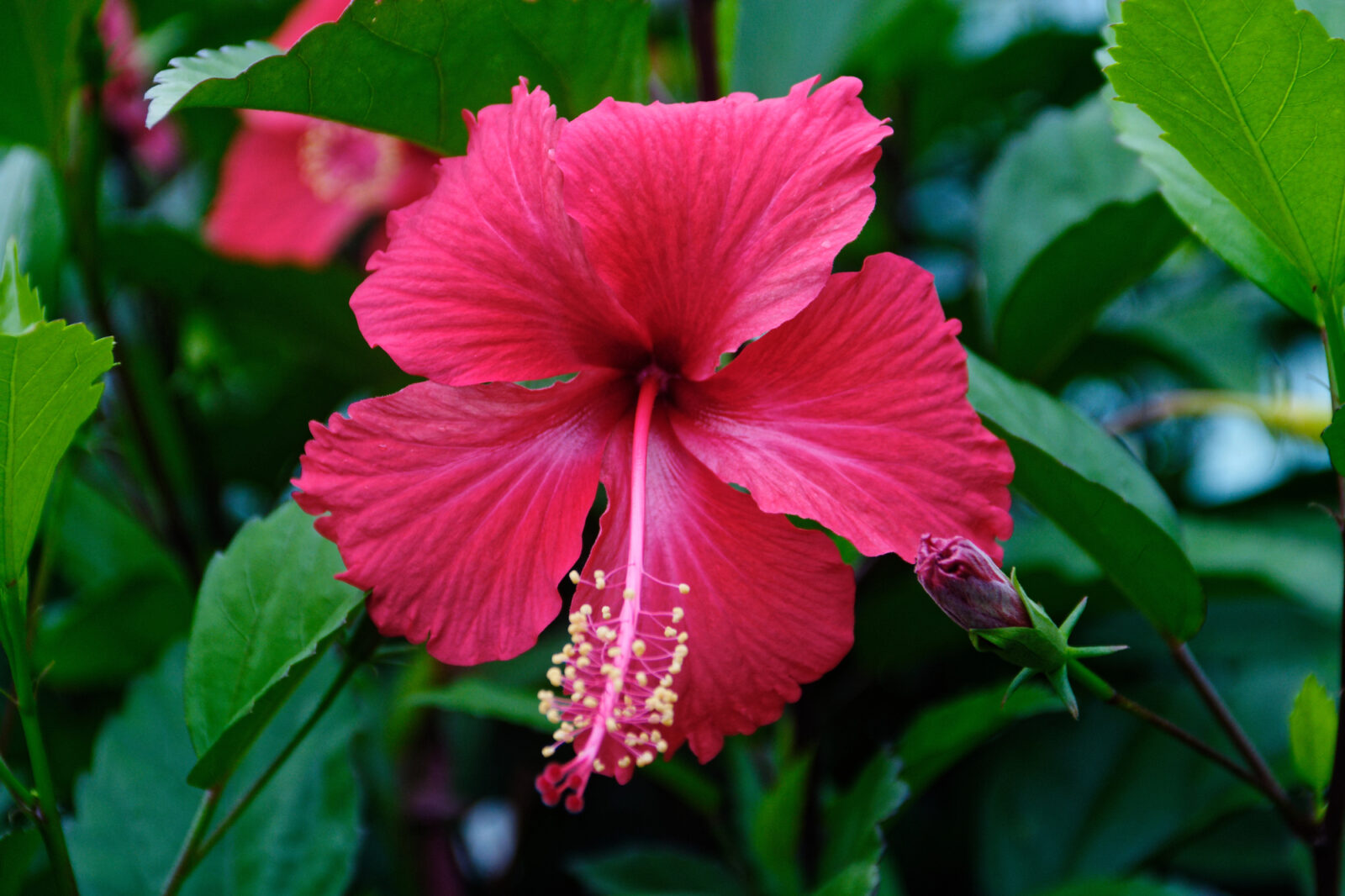
Late October and early November are considered a suitable window, in other words just before more serious frosts arrive. It’s important to keep an eye on the forecast. If a sharp cold snap is expected, it may be safer to delay pruning until spring. That’s especially true where temperatures swing quickly and the plant wouldn’t have enough time to settle after being cut.
After pruning, don’t forget winter protection
Care doesn’t end with the cuts. After an autumn tidy-up, tropical hibiscus needs to be moved into a suitable space with plenty of light and not too high a temperature. Hardy plants left outdoors will, in turn, appreciate protection around the root zone. A layer of mulch or covering with evergreen boughs can help reduce the impact of frost on the soil around the plant.
One plant, but two different strategies
So the answer to whether you should prune hibiscus in autumn always depends on the particular type. Heat-loving plants need only gentle shaping, while hardy types can benefit from a more decisive cut-back. In both cases, though, a careful, considered approach is better than a rushed, drastic intervention. If you take your plant’s needs and the weather pattern into account, you’ll be rewarded with a healthy hibiscus and abundant flowering next season.
Source: Greeny Gardener, Gardening Know How, Pestrazahrada.cz

A lover of nature, gardens, and everything that moves, blooms, or grows. He literally grows everything, from herbs to rare species, and he enjoys caring for animals just as much. In his work, he connects modern technology with tried-and-tested grandmotherly methods and is happy when both paths lead to the same goal.
Related articles
The Garden Doesn’t End in November: Ten Jobs That Decide Your Spring Harvest
November isn’t the end of the season—it’s a pivot point. Tidy wisely, protect beds from frost, and keep sowing and planting cold-tolerant crops to set yourself up for a stronger spring harvest.
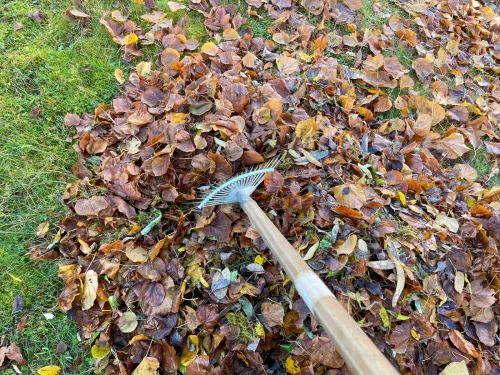
If you throw away leaves, you throw away nutrients
Fallen leaves aren’t waste but a nutrient-rich resource that improves soil, feeds compost, and protects plants through winter. Used correctly, they boost soil life, help beds hold moisture, and even provide habitat for beneficial wildlife.
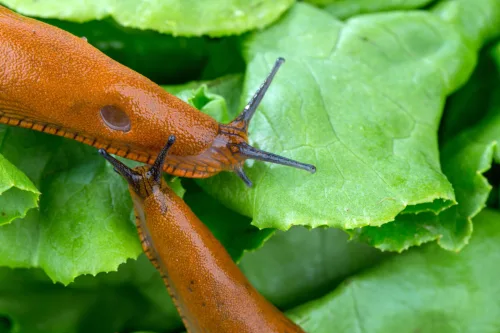
Beat slugs next year in autumn with one soil job most people put off
Most gardeners tackle slugs in spring and summer, but the most effective prevention starts in autumn. A timely soil intervention can significantly reduce the number of slugs that hatch in your beds next season.
Comments (0)
Be the first to comment.