
 English
 Polski
 Deutsch
 Nederlands
 Svenska
 Norsk
 Dansk
 Français
 Italiano
 Español
 Português
 Slovenčina
 Suomi
 Gaeilge
Plants are dying from mould and pests, the spice you already have at home can help if you use it correctly
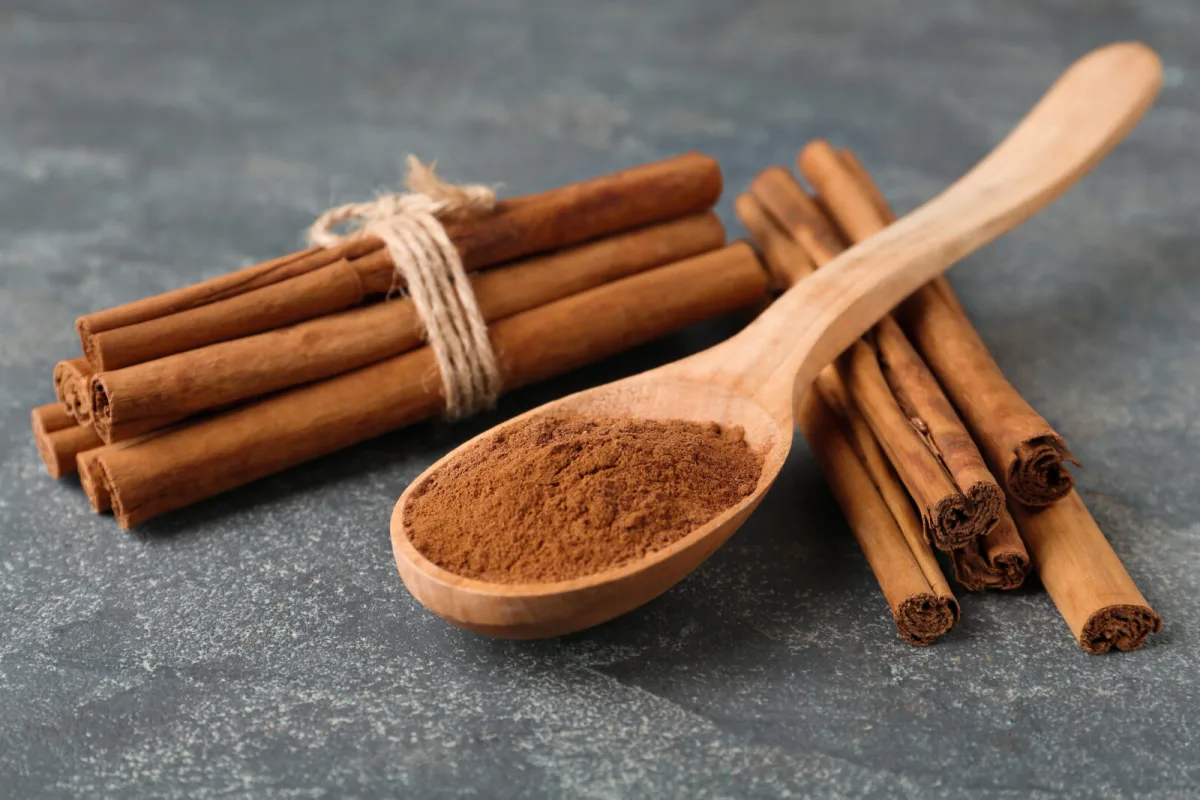
Cinnamon isn’t only for baking and hot drinks. In the garden and with houseplants, it can be a simple, inexpensive helper that supports plant health and helps plants cope better with common problems. Gardening expert Lucie Bradley points out that cinnamon has natural anti-fungal and antiseptic properties, and its strong scent also deters a number of pests.
Thanks to these qualities, it can be used when sowing seed, propagating from cuttings, treating damaged tissue, and as an extra layer of protection against certain diseases. It’s not a miracle cure that fixes everything, but in many everyday situations it can be genuinely useful.
Protecting seeds and young seedlings
One of the most practical uses for cinnamon is protecting newly germinating plants. Young seedlings are prone to damping off, a soil-borne fungal disease. It shows up when seedlings stop growing, topple over, and gradually die back.
A light dusting of ground cinnamon over the surface of the compost can help limit the development of harmful pathogens. This reduces the risk of fungi spreading through compost or potting soil at the very time young plants are most vulnerable. When sowing, it’s an easy preventative step that doesn’t require anything complicated.
Natural support against mould and fungal diseases
Cinnamon is often mentioned as a natural fungicide. It may help curb various types of fungal issues, including powdery mildew, white and grey mould, botrytis, or black spot. Used regularly and preventatively, it can help slow the spread of disease or, in some cases, prevent it from taking hold.
In practice, it’s recommended to lightly dust the soil surface once a week. If you also need to treat leaves and stems, you can make a cinnamon spray to reach awkward spots. This approach is best used as supportive protection, especially for plants grown indoors or in smaller garden plantings.
Cinnamon against unwanted fungi and mushroom growth
Beyond plant diseases, cinnamon can also help where mushrooms pop up from the soil or mulch. Damp, shady areas are ideal for them, and that’s where cinnamon is most often used. It’s true that mushrooms can be a sign of living, healthy soil, but in some gardens they’re a nuisance—particularly if pets have access to the area.
Sprinkling cinnamon over problem spots may reduce conditions that favour their growth. It makes the most sense where mushrooms keep returning and the gardener wants to cut down their appearance in a more natural way.
Help with propagation from cuttings and root formation
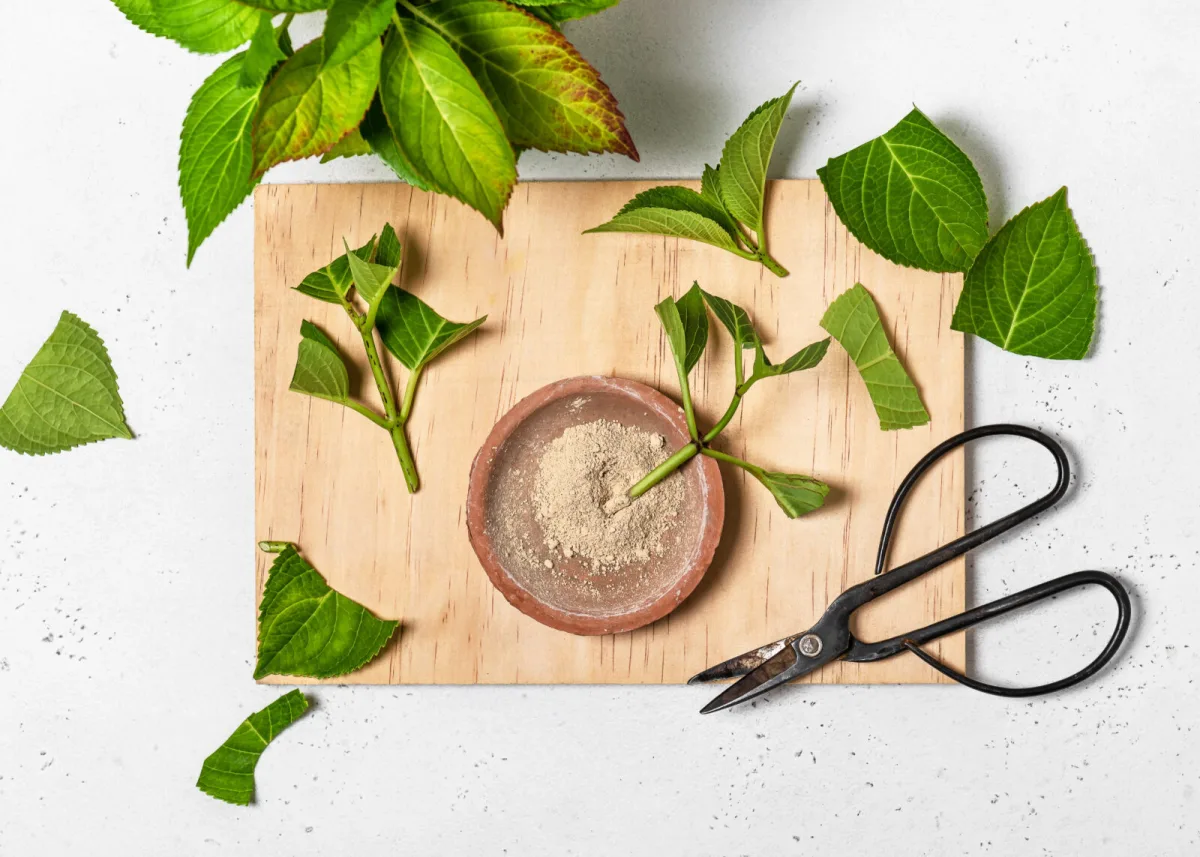
When propagating plants from cuttings, cinnamon can play two roles. It helps protect the freshly cut end of the stem from fungal attack, and it can support successful rooting by keeping the cutting healthier for longer so it doesn’t start rotting before roots form.
The method is simple. Before planting, lightly dip the cut end of the plant into ground cinnamon. This creates a natural protective coating that reduces the risk of infection and tissue breakdown. For growers who prefer not to use commercial products, it’s a cheap and readily available alternative.
Preventing rust and other common problems in beds
Rust is a common fungal disease that can affect ornamental and edible plants alike. It spreads by spores and can attack leaves, stems, and flowers. On susceptible species, it worsens appearance and overall vigour.
Here, too, cinnamon can serve as a supportive measure. Sprinkled onto the soil surface around plants, it may help reduce the likelihood of infection developing. The best results, however, come only when it’s combined with other sensible practices, such as adequate spacing between plants, crop rotation, and avoiding waterlogged conditions.
Treating wounds after pruning or damage
Plants often suffer small injuries during pruning, careless handling, or after strong winds and storms. Open tissue can become an entry point for infection. In that moment, cinnamon can be used as a natural antiseptic.
Apply it directly to the injured area and gently rub it in with a finger or small brush. If you need to treat harder-to-reach parts, you can also apply cinnamon with a slightly damp paper towel, or mix it with water and use it as a spray. The goal is to create a protective layer over freshly exposed plant tissue.
Supporting groundcover plants
By limiting certain moulds, fungi, and other unwanted organisms in the top layer of soil, cinnamon can also indirectly benefit groundcover plants. They then don’t have to compete with fungal growth or face issues that would slow their spread. The result can be a denser, healthier green cover.
A scent that repels insects and larger pests
Cinnamon’s strong aroma doesn’t only affect people. Many garden pests dislike it and it may help keep them away from cultivated plants. Experts suggest the compound cinnamaldehyde may be responsible, as it disrupts the nervous system of insects and makes it harder for them to move, feed, and navigate.
Cinnamon may deter aphids, mites, mosquito-like flying insects, fruit flies, flies, or wasps. It’s also very often mentioned for its effect on ants. While a few ants aren’t necessarily harmful, large numbers can be troublesome around root zones and disturb the area around plants.
Cinnamon usually doesn’t kill ants, but it can be very effective at discouraging them from entering a protected area.
A practical method is to make an unbroken line of ground cinnamon around a bed, pot, or a specific plant. This scent barrier is unpleasant for crawling pests, and they will often avoid it.
Possible deterrent against mice and rats
Cinnamon may also discourage some larger garden visitors, such as mice or rats. Because they move close to the ground, the intense smell can bother them and irritate their nose and mouth. It’s not a guaranteed solution here either, but it can work as an additional obstacle.
If you want to protect a specific spot—around window boxes, beds, or entrances to a greenhouse—you can again sprinkle a thin, continuous layer of cinnamon. Its effect is usually strongest right after application, so you’ll need to renew it, especially after rain or in higher humidity.

When using cinnamon makes sense
Cinnamon is an interesting natural helper for anyone who wants a gentler approach to plant care. It works best as prevention, not as a rescue remedy for heavily infected plants. It’s particularly useful for protecting seedlings, treating cuttings, sealing minor wounds, and discouraging certain pests.
Used sensibly and as part of broader good garden care, it can bring visible benefits. An ordinary kitchen spice can therefore be a surprisingly versatile aid for healthier, more resilient plants.
Source: The Spruce, Plantura Magazine , Pestrazahrada.cz

A nurse by profession, she is passionate about healthy living, nature, and everything that benefits both people and the world around them. In her free time, she enjoys gardening, cooking, sewing, and caring for her family. In her articles, she loves combining professional expertise with practical experience from the garden and everyday life.
Related articles
Experienced Houseplant Growers Put a Kitchen Staple in the Pot and Fungus Gnats Avoid the Compost
If you’d rather avoid unnecessary chemicals, bay leaves can be a simple, gentle helper for indoor plants. Used as a cooled infusion or placed dry in the pot, they can support growth and help deter pests such as fungus gnats.

Brown Rings on Apricots Mean One Thing: A Fungus Lurks in the Branches and Will Ruin Even Healthy Fruit in Spring
Brown spots with pale spore pads on cherries and apricots are usually a sign of brown rot (Monilinia). Remove mummified fruit and infected shoots promptly, and time any sprays to flowering to stop the disease cycling back each spring.
Rose black spot spreads when you water the leaves in the evening and the culprit is often the one holding the watering can
Rose black spot is one of the most common diseases of garden roses, quickly spoiling foliage and weakening plants. In warm, humid weather it spreads easily, especially when leaves are wetted by evening watering.
Comments (0)
Be the first to comment.