
 English
 Polski
 Deutsch
 Nederlands
 Svenska
 Norsk
 Dansk
 Français
 Italiano
 Español
 Português
 Slovenčina
 Suomi
 Gaeilge
Take care with pruners on ornamental grasses Some are best cut back in autumn others in spring
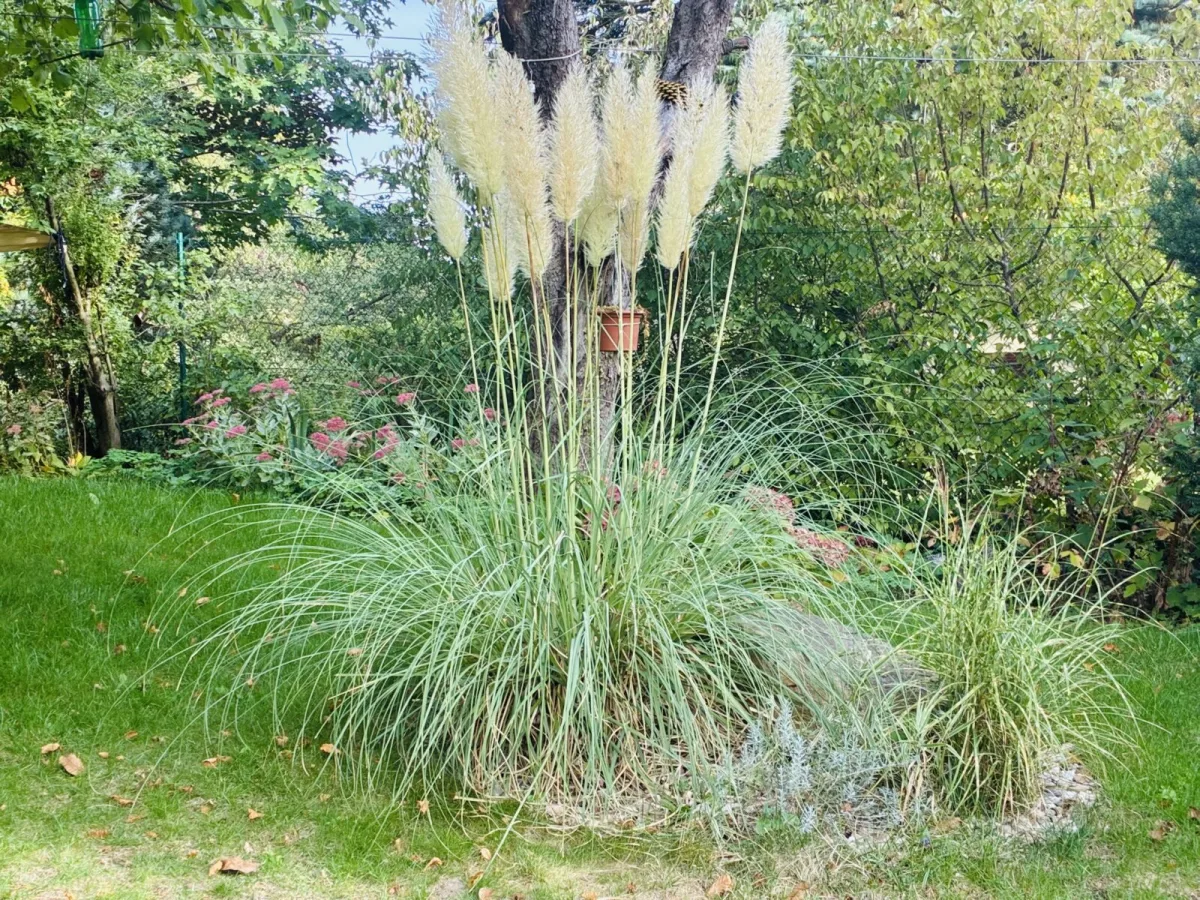
Ornamental grasses are among the plants that add movement, volume, and striking texture to a garden. However, not every type is best left untouched until spring. For many grasses, especially warm-season ones, an autumn cut-back makes sense for both practical and aesthetic reasons. Once temperatures drop, they often turn brown, lose their fresh look, and can make borders appear untidy.
Cutting back in autumn helps keep the garden looking neater through winter. For some species it also reduces self-seeding and unwanted spread, and in drier regions it can lower the risk of fire. On the other hand, it does mean you lose the winter interest of dried seed heads and stems, which can look very dramatic in frost and hoar.
As a general rule, warm-season grasses are often cut back in autumn, while with others you can wait until late winter or very early spring. If you choose an autumn cut, most types are best shortened to just a few centimetres above ground level. With taller grasses, it pays to tie the clump into a tight bundle before cutting so the dry leaves and stems don’t scatter across the garden.
Tall grasses that can look scruffy after winter
Chinese silver grass
Chinese silver grass reaches an impressive height and is hard to miss in the garden. That’s exactly why many growers cut it back in autumn, so the winter view looks cleaner and more orderly. Another reason is that in some areas it can be vigorous and spread into places where it isn’t welcome.
When cutting back, reduce the dry growth to just a few centimetres above the ground. In colder locations you can leave the stump a little higher to give the crown and roots light protection from frost.
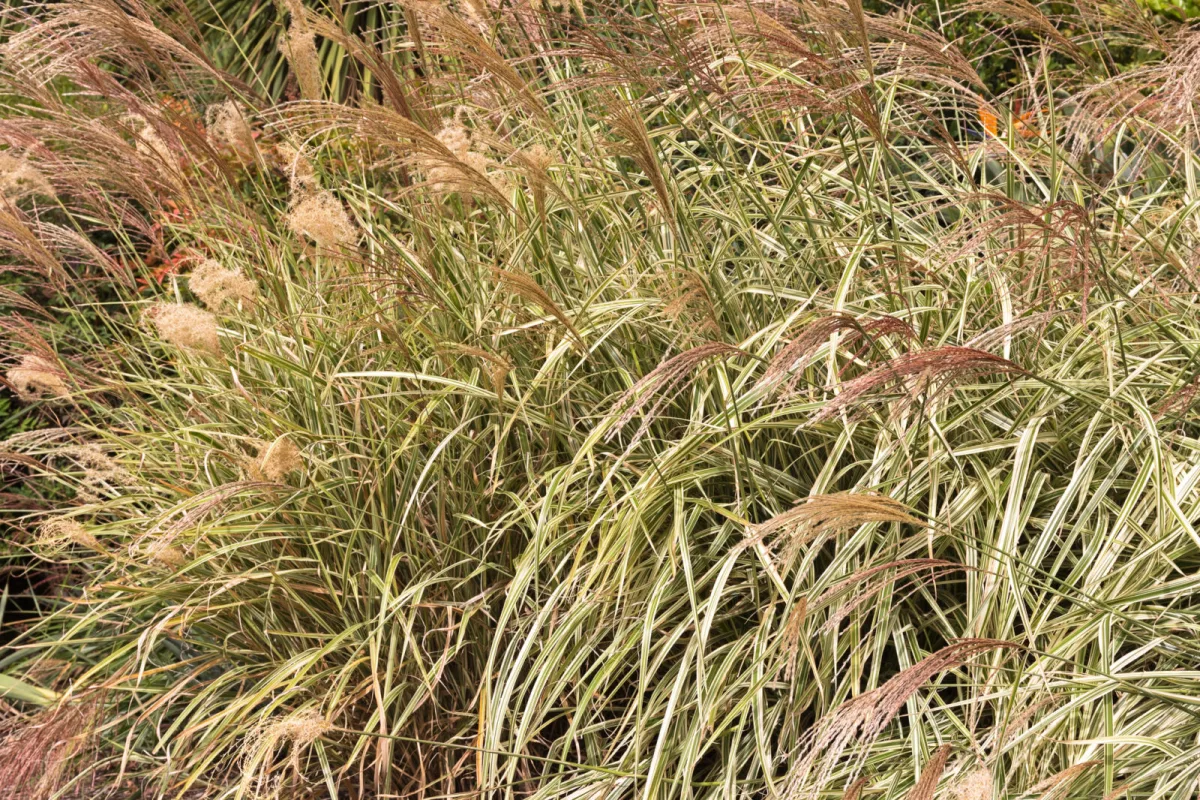
Zebra grass
Zebra grass is a bold miscanthus cultivar with distinctive banded foliage. Because it grows tall and forms large clumps, leaving it standing over winter can be impractical, especially in areas with a higher risk of drought and wildfires. In that situation, an autumn cut-back is a sensible choice.
It’s best to pull the plant together first with string or a strap into a compact bundle. Only then cut it down close to the soil, or just a few centimetres above it. Clearing up is much easier and the stems won’t end up scattered around.
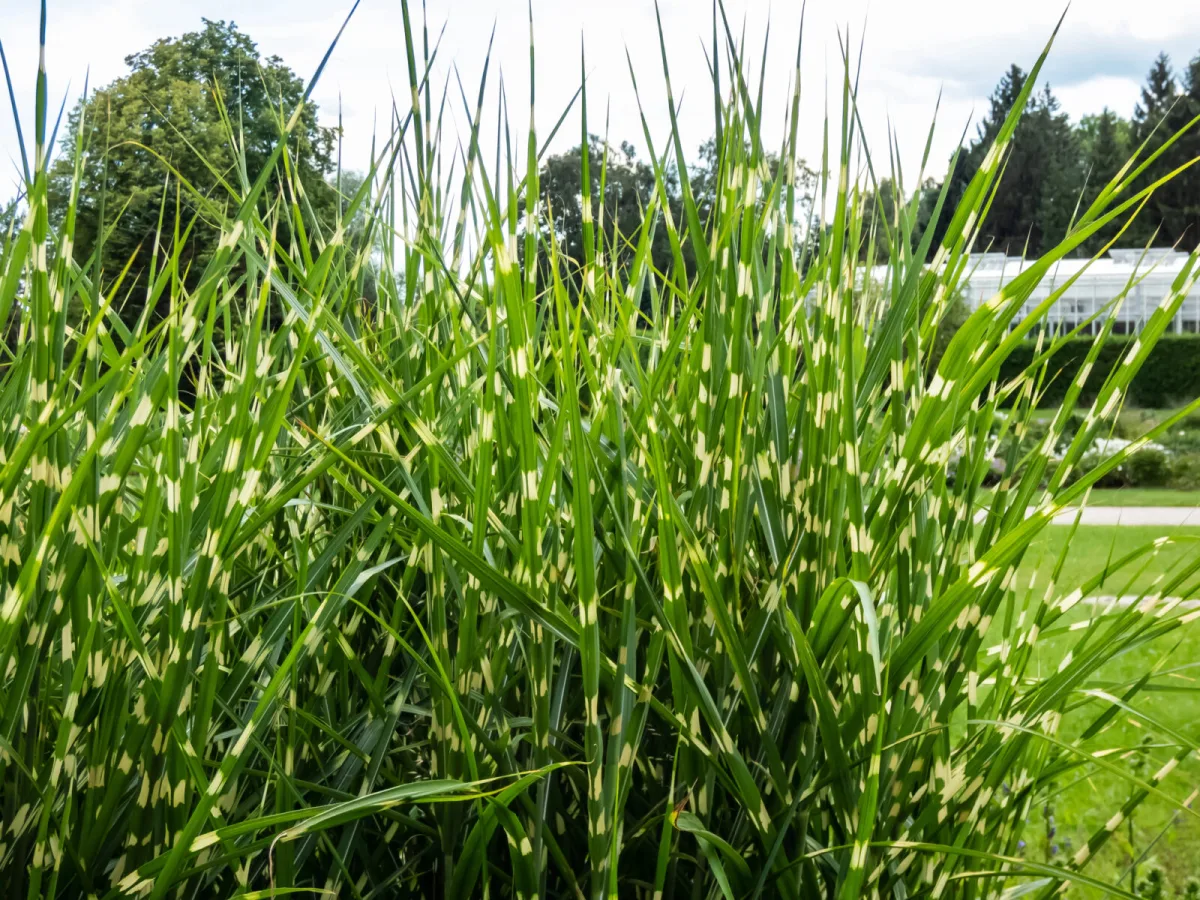
Pampas grass
Pampas grass is very large and can easily become the focal point of an entire border. If you prefer a tidy look through winter, cutting it back in autumn is common practice. In some regions it’s also among the plants that spread a little too readily, so removing the top growth in time can help keep it in check.
This species tolerates a hard cut, so it’s usually taken right down to ground level or just above.
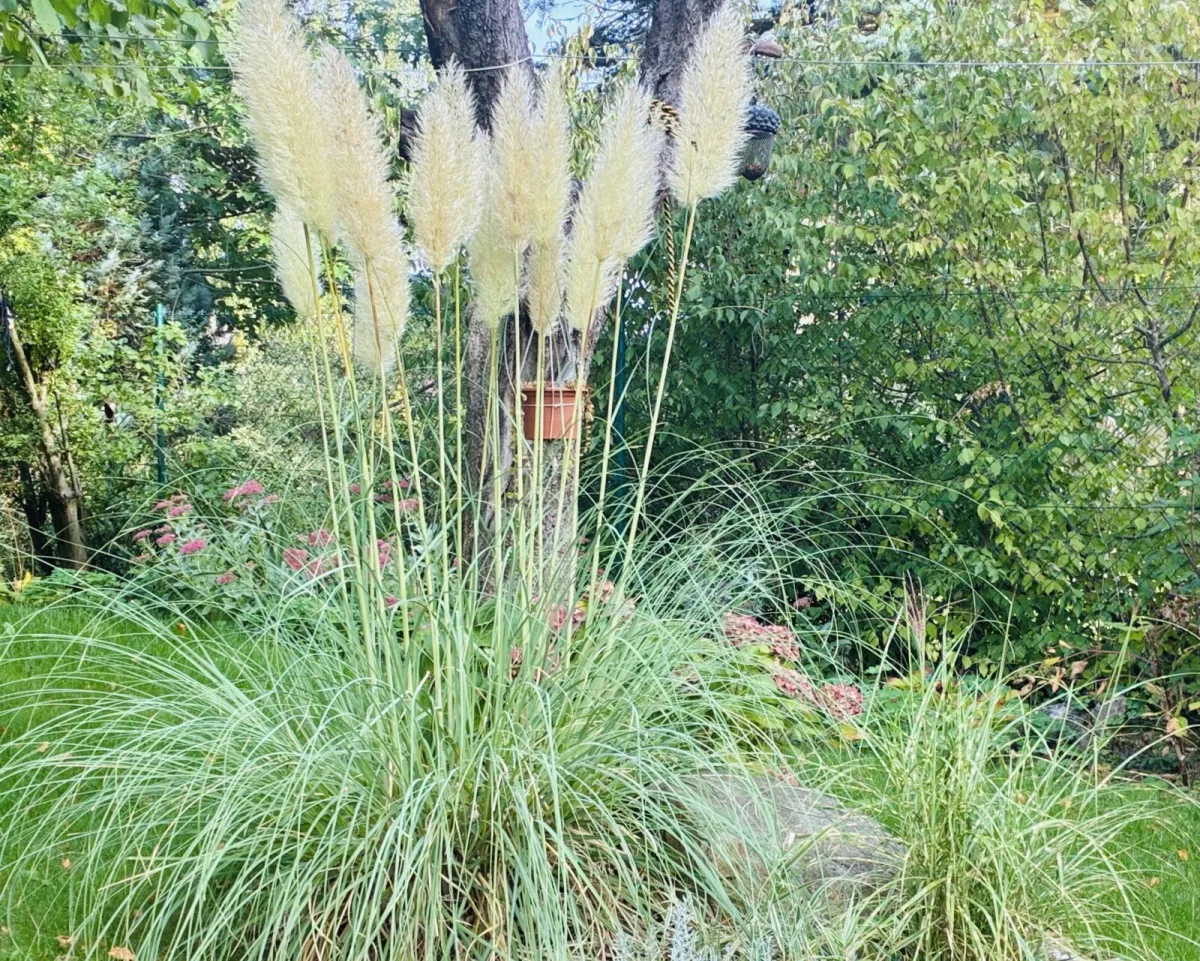
Types worth cutting back in autumn for spread control and tidiness
Fountain grass
Fountain grasses include multiple species and cultivars, and not all will survive winter in colder areas. Some are therefore grown as annuals, where pruning isn’t really an issue. But if you have a hardier type suited to your conditions, you can cut it back in autumn to around 5 cm above the ground.
This helps set the plant up for the next season and also keeps the border easier to manage through the winter months.
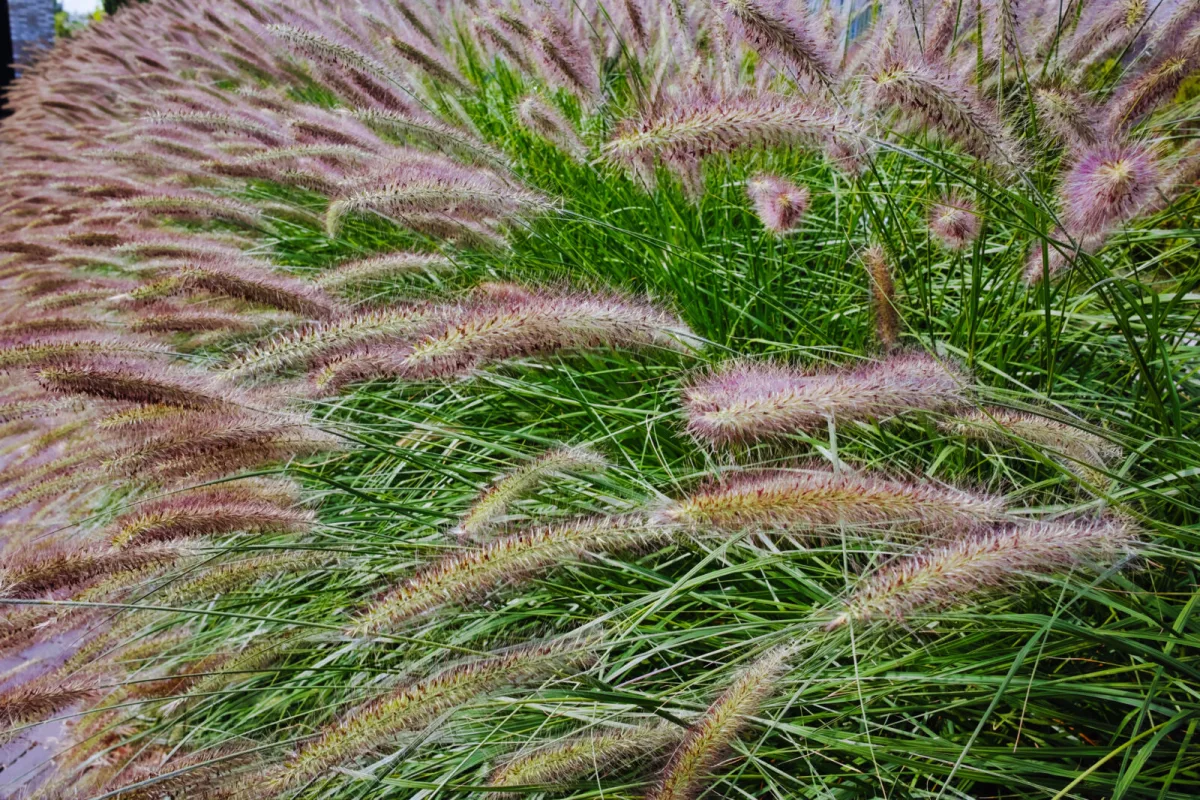
Switchgrass
Most switchgrasses aren’t extremely tall, but some cultivars can reach truly impressive size. With those, many gardeners opt for an autumn cut-back mainly so the garden doesn’t feel overloaded and ragged through winter.
Trim the stems to roughly 5 cm above the soil surface. The plant will then reshoot more easily in spring, and the new growth will have plenty of space.
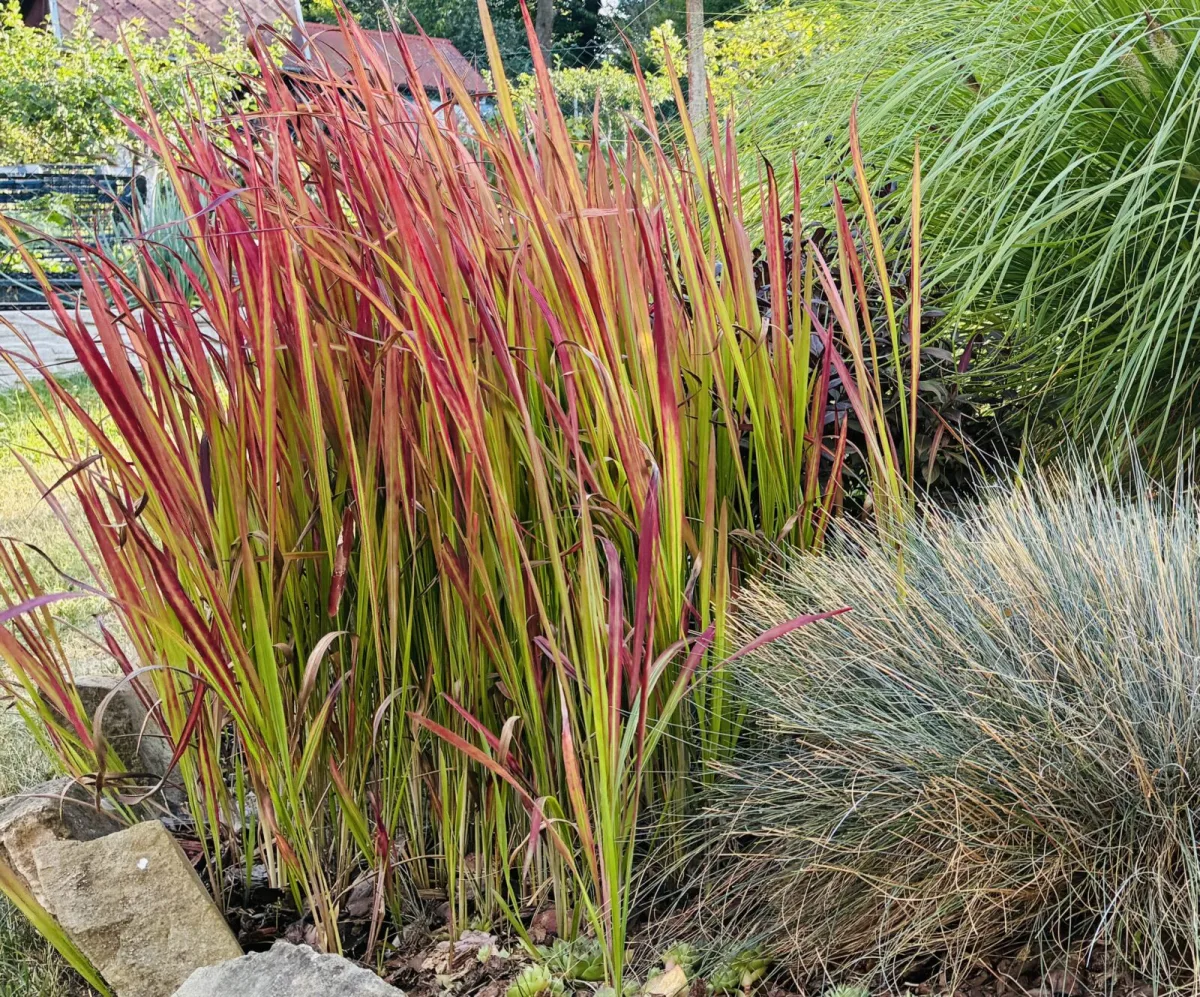
Cordgrass
This grass is a strong choice for damp spots where other plants may struggle. But when it’s truly happy, it can spread vigorously and take up more and more space. That’s why an autumn cut-back is often recommended as a way to limit its growth at least to some extent.
Cut it down to about 4–6 cm above ground level. This leaves the plant with a base for regrowth, while the border won’t be clogged with dry material over winter.
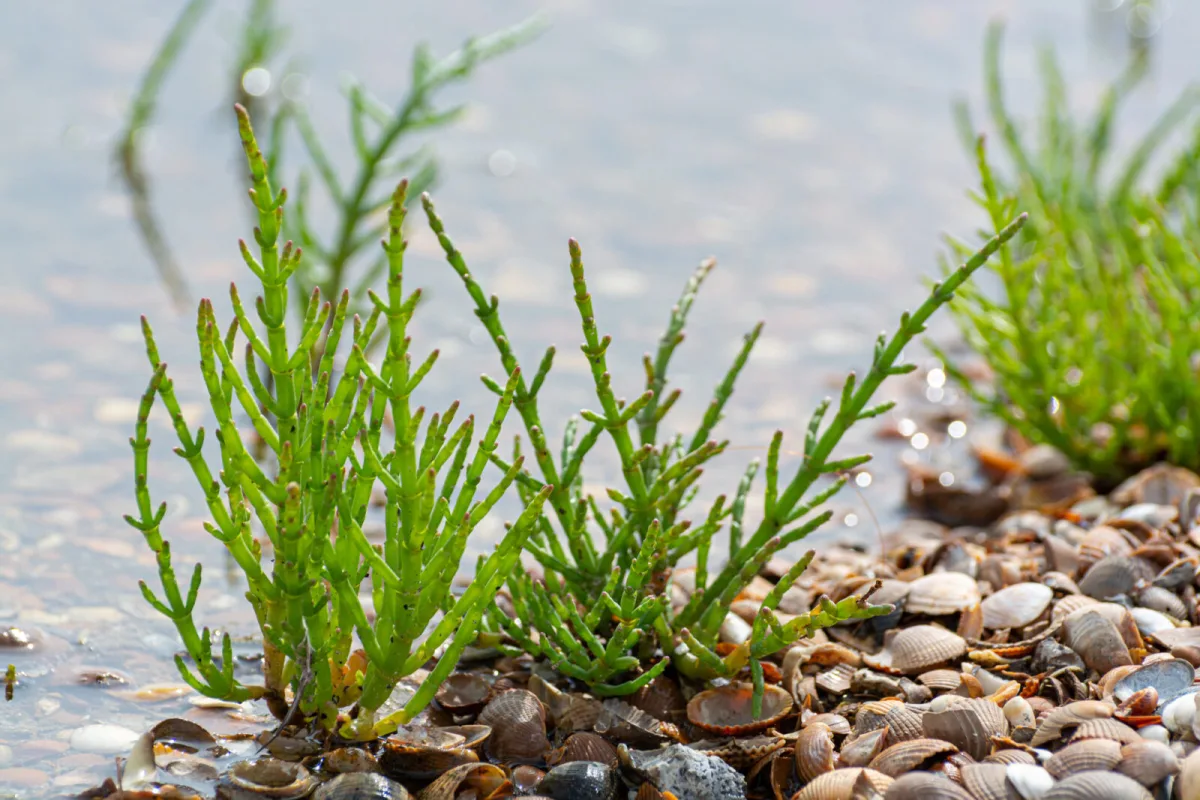
Grasses that self-seed easily
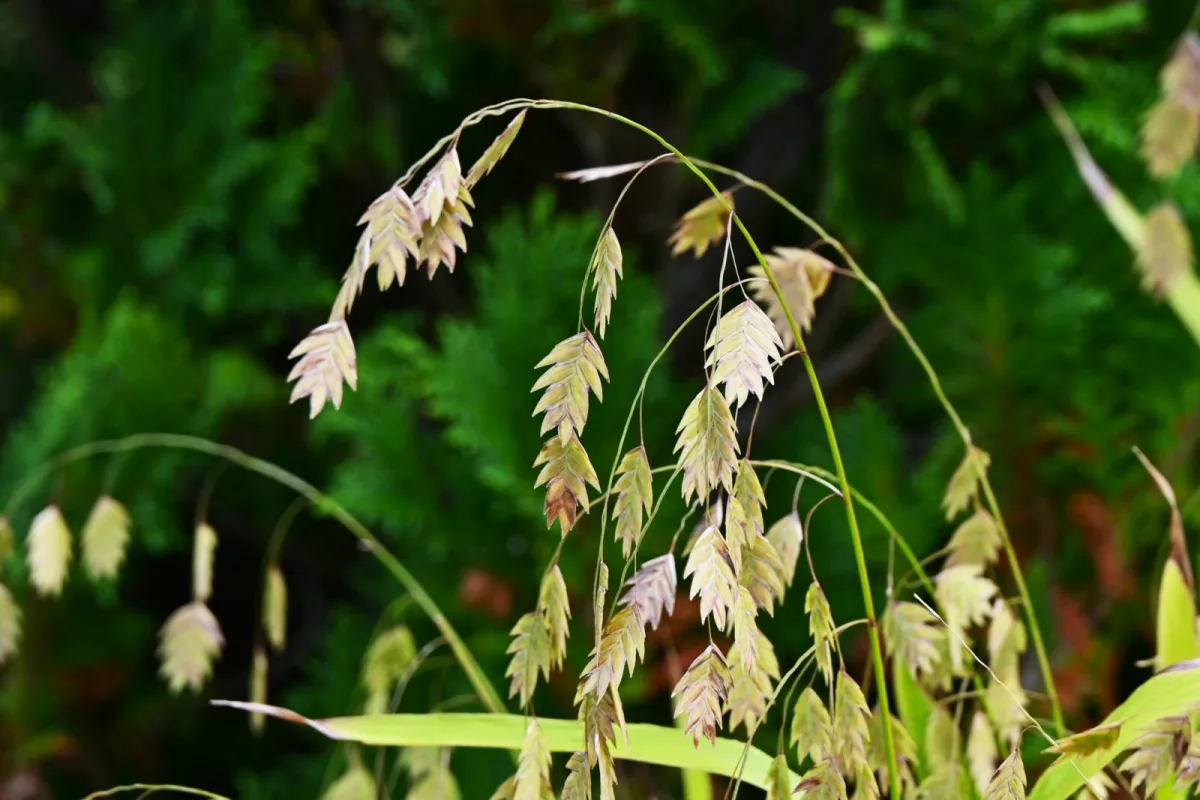
Northern sea oats
This species is valued for its distinctive, nodding seed heads, which stay decorative even when dry. But if they remain on the plant all winter, the seed often spreads throughout the garden, and in spring you’ll find plenty of new seedlings. If you want to keep it under control, cut the clumps back in autumn.
The good news is you don’t have to lose all the ornamental value. You can cut the dry stems and use them indoors in a vase or in dried arrangements. Outdoors, cut the plant right down to ground level or just above.
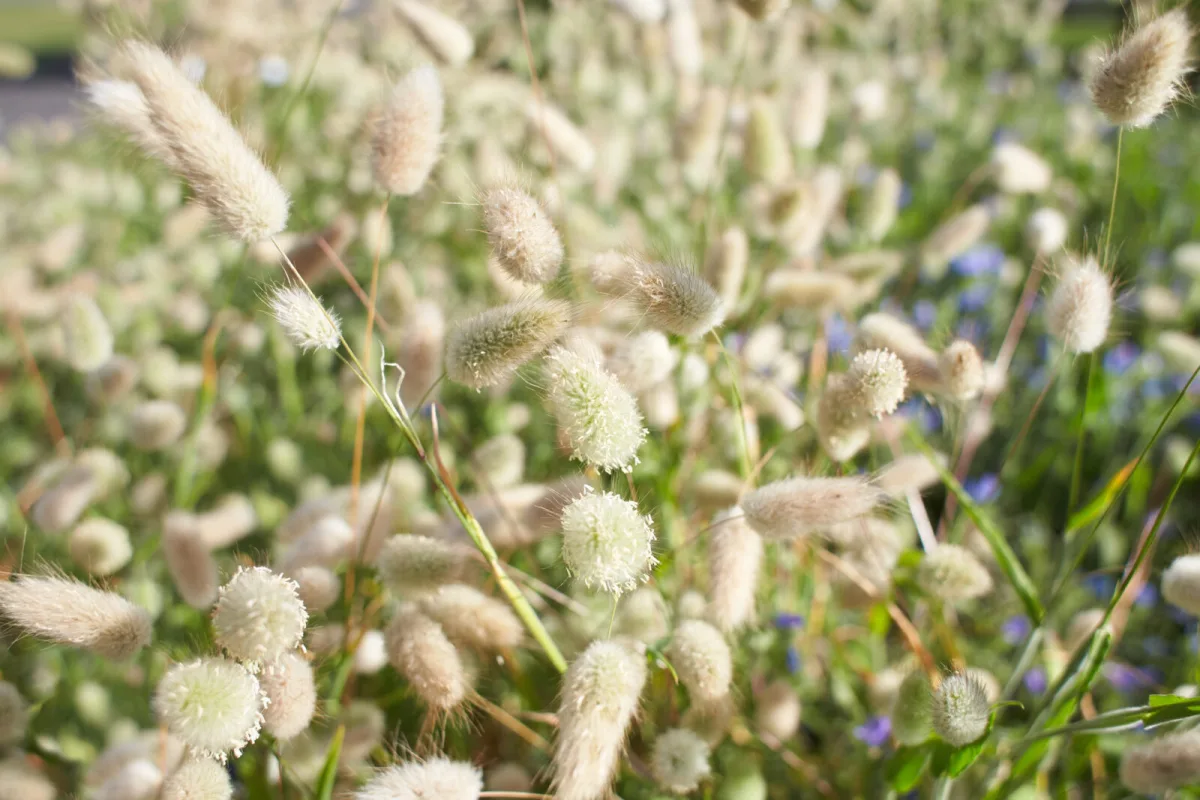
Bunny tail grass
This delicate grass with soft, fluffy flower heads looks charming, but like the previous species it can self-seed readily. If you don’t want it popping up in unexpected places in years to come, it’s better to act in autumn.
Here too, the flower heads can be used as indoor decoration. After cutting them, trim the plant back close to the ground or just slightly above the soil surface.
Types that quickly lose their looks after flowering
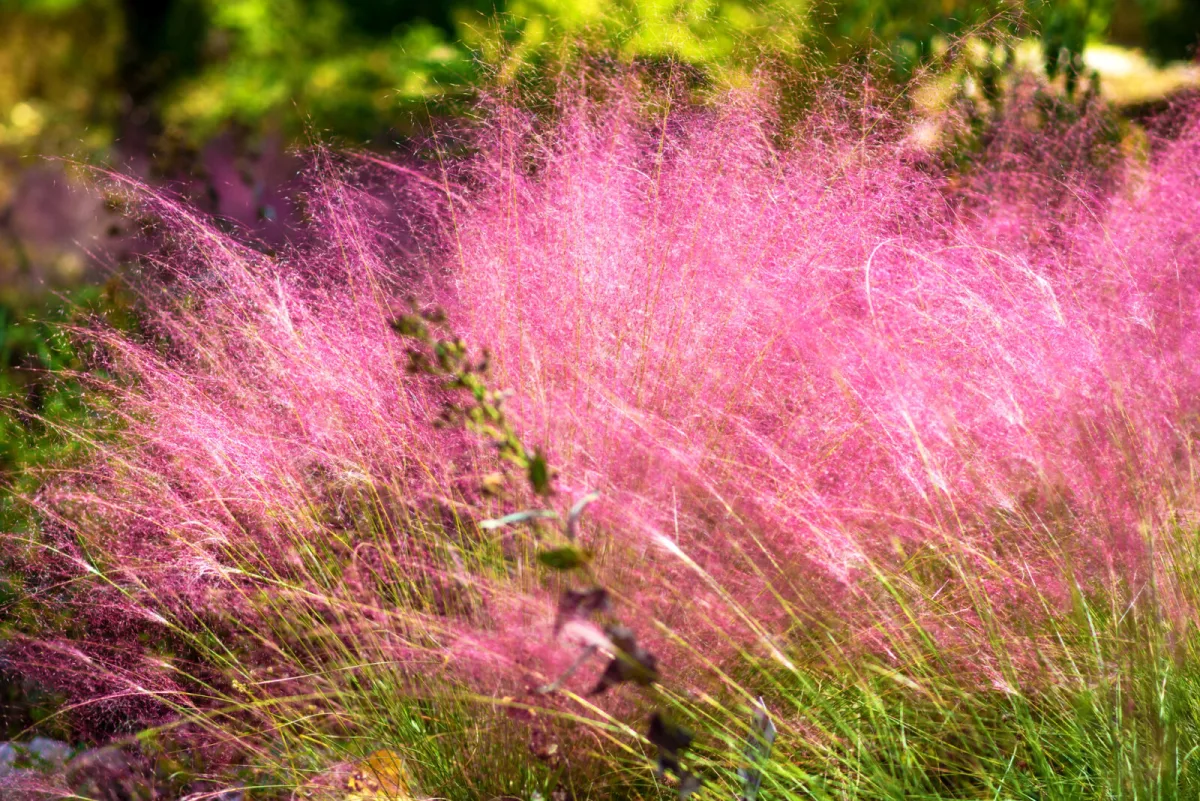
Pink muhly grass
Pink muhly grass is exceptionally eye-catching in bloom, forming a delicate, coloured haze. Once flowering finishes, though, it often isn’t quite as impressive. That’s why many growers cut it back in autumn rather than waiting until spring.
A suitable cutting height is about 3–6 cm above the ground. Trimmed this way, the plant will be ready to form a fresh, compact clump in spring.
How to make the job easier and avoid a mess when cutting back
With tall ornamental grasses, it’s practical to tie the whole clump into a single bundle with string and only then cut it back. The removed material is easier to carry away and won’t be blown all over the garden.
When cutting back in autumn, it’s worth considering not just how the plant looks, but also how it behaves in your garden. In some places appearance matters most, elsewhere limiting self-seeding is the priority, and in dry areas safety can also play a part. So you don’t need to cut back every ornamental grass automatically. But with selected species, an autumn trim will help create a tidier winter garden and support fresh, dense new growth in spring.
If you want your borders to look fuller and more maintained next season, focus especially on tall species, those that self-seed heavily, or vigorous spreaders. These are the ones that tend to benefit most from an autumn cut-back.
Source: The Spruce, RHS, Pestrazahrada.cz
Related articles
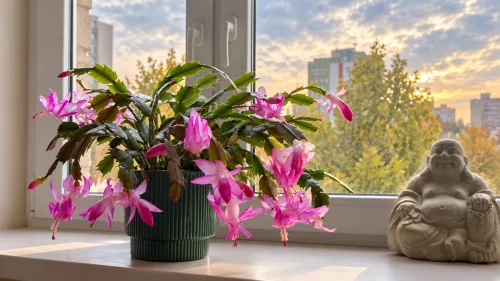
Christmas cactus will bloom again even after years if you avoid one common mistake
A Christmas cactus can look perfectly healthy yet refuse to flower for years. With the right light, temperature, watering, and a gentle boost, it can set buds again and bloom reliably.
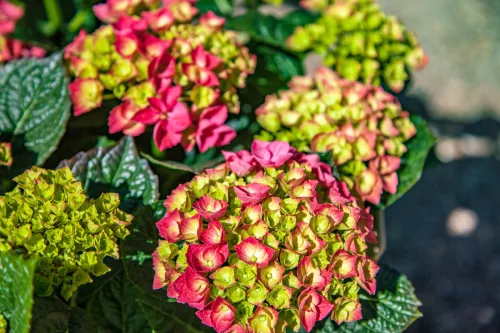
Don’t Prune Hydrangeas in October
Tidying the garden in autumn is tempting, but October pruning can cost your hydrangeas next year’s flowers. Only two light interventions make sense this time of year; everything else is best left until the right season.
A Pineapple Top Will Root in Two Weeks, but Success Depends on the Step Most People Skip
Don’t throw away the leafy crown when you cut a pineapple. With the right prep, light, warmth and careful watering, you can root it and grow a houseplant that may eventually fruit.
Comments (0)
Be the first to comment.