
 English
 Polski
 Deutsch
 Nederlands
 Svenska
 Norsk
 Dansk
 Français
 Italiano
 Español
 Português
 Slovenčina
 Suomi
 Gaeilge
Christmas cactus will bloom again even after years if you avoid one common mistake
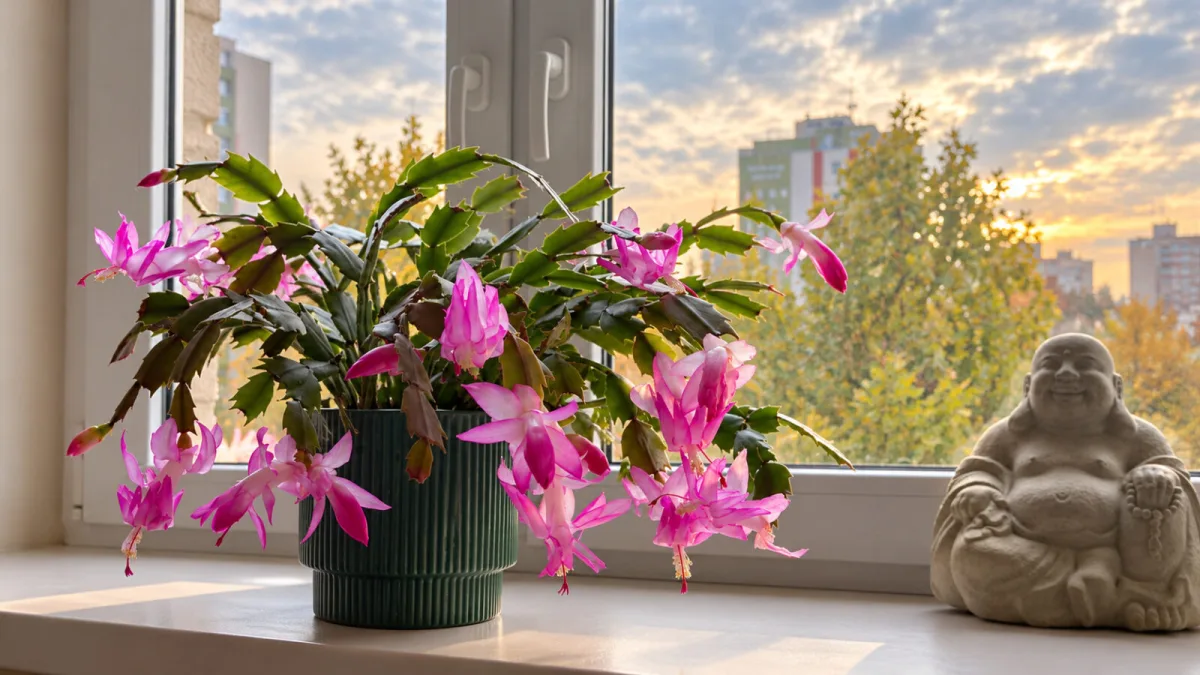
A Christmas cactus can look perfectly healthy, with deep green segments, and yet no flowers appear for several years. That doesn’t necessarily mean anything is seriously wrong with the plant. More often, it simply isn’t getting the conditions it needs to set buds. When light, temperature, watering, and feeding are adjusted, even a plant that has spent a long time only growing and not blooming can wake up.
The foundation of success is the right spot and peace and quiet
This plant doesn’t do well in harsh sun, especially on south- and west-facing windows. It’s much happier in a bright position with filtered light, where temperatures don’t swing dramatically. A comfortable environment is around 15 °C. Peace and quiet also matter. A Christmas cactus doesn’t like being moved around often or having the pot rotated unnecessarily. Once it settles into one place, it’s best not to disturb it during active growth.
Summer care and cautious feeding
In warm months it can be kept outdoors, as long as it’s not in direct, scorching sun. In summer, however, it needs regular watering, because extended dryness can harm it. In spring, it helps to give a fertilizer, but only at a lower dose than is commonly recommended. During the period of producing new growth, feeding briefly is usually enough, roughly for two months. From September, it’s better to stop feeding and let the plant rest until spring.
When to repot and which pot to choose
The best time to repot is at the end of February, when the plant is regaining strength after flowering. Young plants are repotted more often; older ones can be repotted after several years. A wider container is better than a deep pot, because the root system is usually not very large. After repotting, a bright spot out of direct sun and even, steady watering will help encourage fresh growth.
A home boost for flowering without expensive products
If the Christmas cactus still won’t set buds despite decent care, you can try a simple home method. Crushed activated charcoal is sprinkled on the surface of the potting mix and the soil is lightly loosened. Then prepare a solution from one crushed aspirin tablet and 1 liter of water. Water the plant with this solution. Any leftover can be kept cool, and the whole process can be repeated a few times, always only after the substrate has dried slightly. This kind of support can improve the condition of the potting mix and the plant’s overall vitality.
Natural plant food from the kitchen
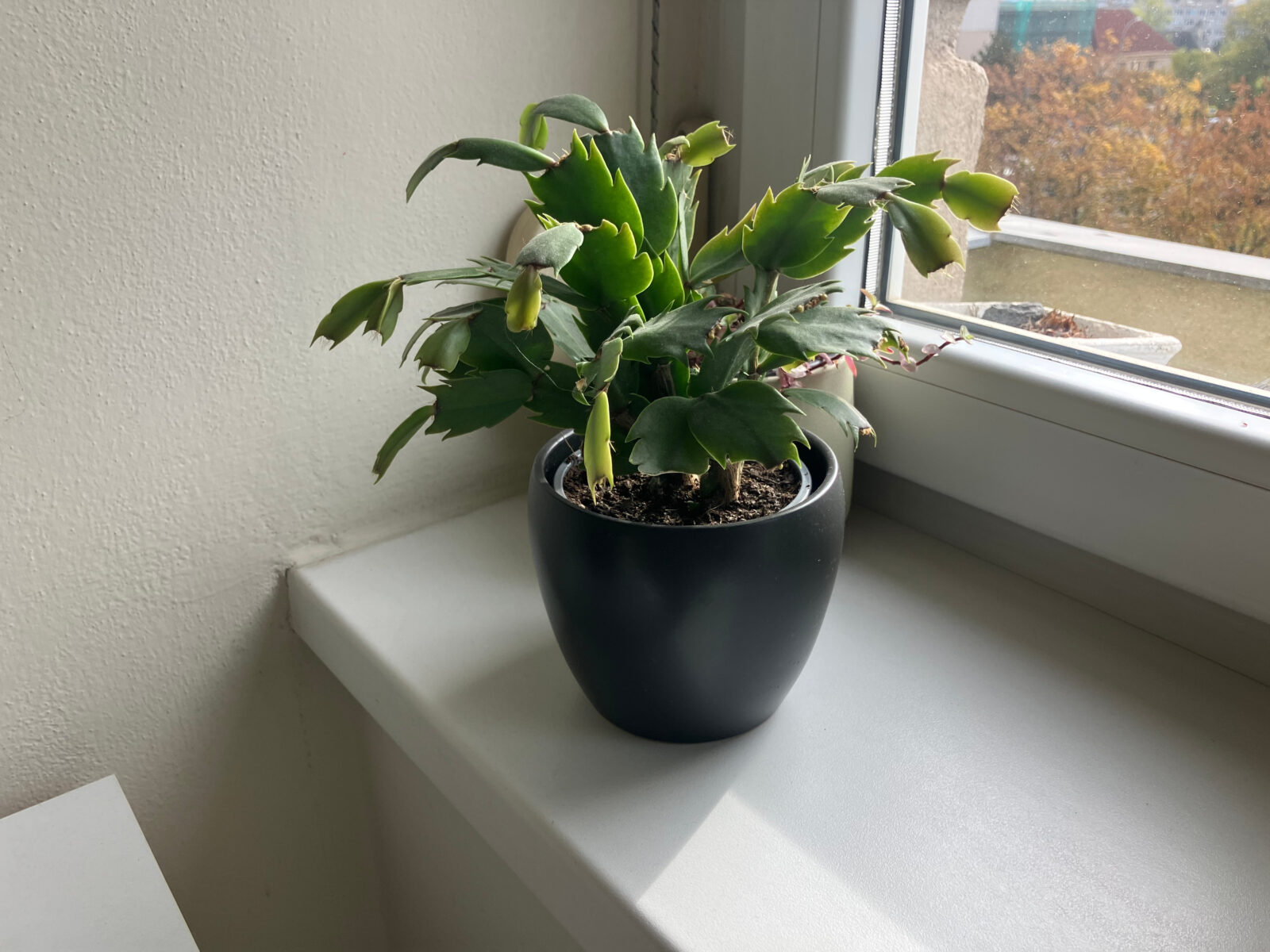
An apple infusion can also work very well. Simply chop one medium apple, pour over 2 liters of water, and leave it to steep for two days. Use the resulting liquid for watering. The plant will receive potassium, phosphorus, iron, and other substances that support growth and can also encourage flower formation.
Another option is wood ash. Two tablespoons of ash stirred into 1 liter of water and left to stand briefly makes an effective natural fertilizer. This solution supplies calcium, magnesium, phosphorus, and minor trace elements. Phosphorus is particularly valuable for flowering, so ash can be a helpful ally especially for plants that have gone a long time without blooming.
Banana peels are another proven home remedy. They contain potassium and other minerals important for sturdy growth and a heavier bud set. Pour about 1.5 liters of water over two peels and let them steep for one day. Then use the infusion directly at the roots. It’s an easy way to feed the plant without store-bought products.
What to do once it starts to bloom
As soon as buds appear and the flowers begin to open, it’s a good idea to move the plant to a slightly cooler spot. Under these conditions it will bloom longer and won’t exhaust itself unnecessarily. Even at this time, it’s important to keep watering careful and regular, but not excessive. Overdoing care can be just as harmful as neglect.
The best results with a Christmas cactus are usually achieved when a settled location, filtered light, modest watering, and occasional natural feeding come together.
Patience brings a winter flood of flowers
Even a plant that hasn’t flowered for several years can change dramatically with small tweaks to care. There’s no need to reach for expensive products or complicated methods. Often it’s enough to adjust conditions, give the cactus peace and time, and occasionally offer a simple homemade fertilizer. The reward can be bold blooms that brighten the interior all winter long.
Source: Planet Desert, Suger Creek Gardens, Homes and Gardens, Pestrazahrada.cz

A lover of nature, gardens, and everything that moves, blooms, or grows. He literally grows everything, from herbs to rare species, and he enjoys caring for animals just as much. In his work, he connects modern technology with tried-and-tested grandmotherly methods and is happy when both paths lead to the same goal.
Related articles
Take care with pruners on ornamental grasses Some are best cut back in autumn others in spring
Ornamental grasses bring movement and structure, but not all of them should be left standing until spring. For several warm-season and self-seeding types, an autumn cut-back keeps borders tidier and helps limit spread.
Don’t Prune Hydrangeas in October
Tidying the garden in autumn is tempting, but October pruning can cost your hydrangeas next year’s flowers. Only two light interventions make sense this time of year; everything else is best left until the right season.
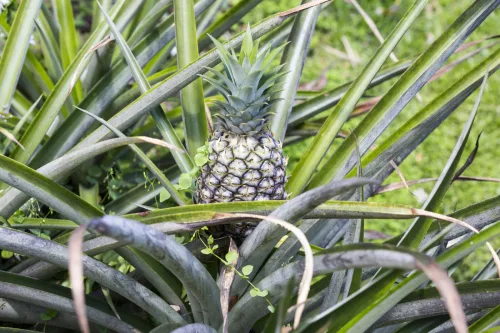
A Pineapple Top Will Root in Two Weeks, but Success Depends on the Step Most People Skip
Don’t throw away the leafy crown when you cut a pineapple. With the right prep, light, warmth and careful watering, you can root it and grow a houseplant that may eventually fruit.
Comments (0)
Be the first to comment.