
 English
 Polski
 Deutsch
 Nederlands
 Svenska
 Norsk
 Dansk
 Français
 Italiano
 Español
 Português
 Slovenčina
 Suomi
 Gaeilge
Peonies Can Thrive for Decades, but an Autumn Cut to Ground Level Determines Whether You Lose Next Year’s Blooms
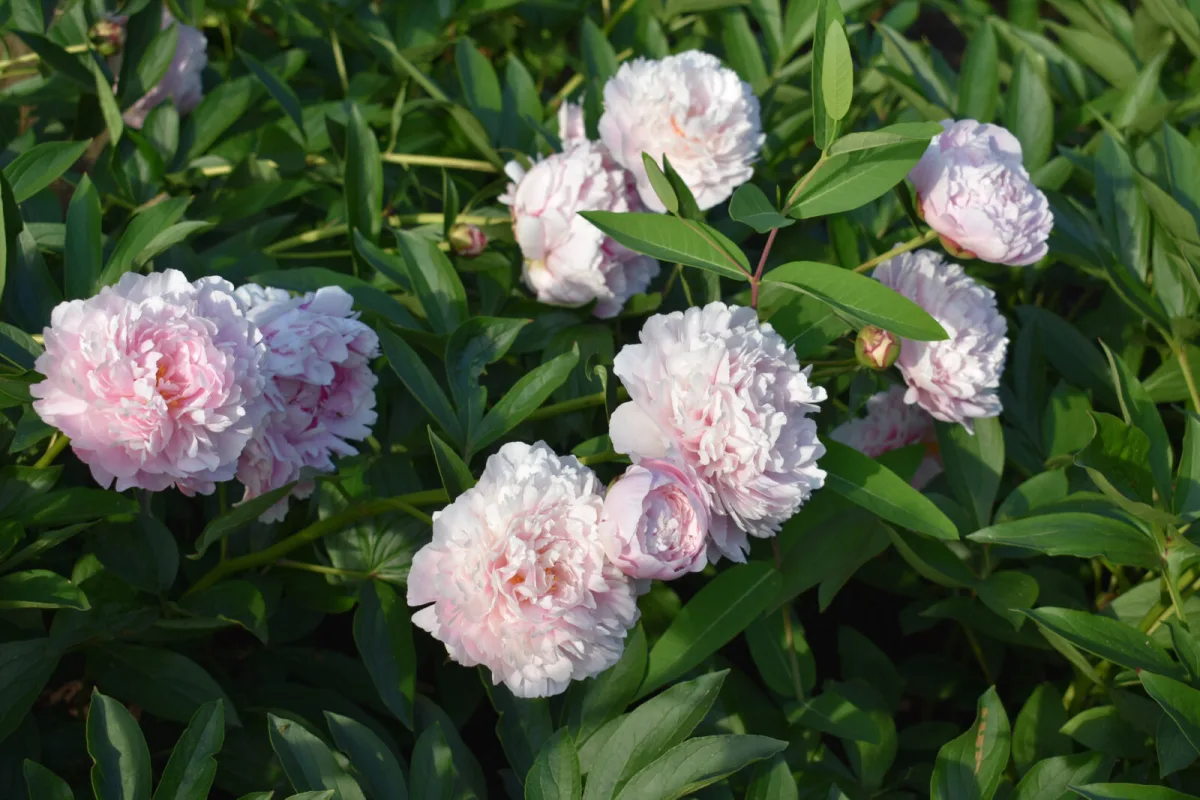
Peonies are among the plants that can thrive in one place for a very long time. That’s exactly why they’ve earned a permanent spot in so many gardens. But to produce strong stems and large flowers year after year, they need the right care as the growing season winds down. Autumn is the time when it’s decided how well they’ll cope with winter and how vigorously they’ll emerge in spring.
It’s nothing complicated—more a few sensible steps done at the right time. It also depends on what type of peony you’re caring for. Established herbaceous clumps need different attention than newly planted ones, and the approach is slightly different again for tree peonies and Itoh (intersectional) hybrids.
How to care for established herbaceous peonies in autumn
Removing the top growth
As temperatures drop, peony foliage loses its fresh look. It often turns yellow, develops spots, and the whole plant can look tired. That’s natural, but it can also be a sign of disease—something you don’t want to leave in the bed over winter. After the first frosts, the above-ground growth usually dies back, and that’s the right moment to cut it down.
It’s best to cut the stems down close to the soil surface. All cut material should be removed and not left around the crown. This greatly reduces the chance of fungal diseases or other problems returning next season. Keeping the area clean is a real benefit before winter.
Dividing overgrown clumps
Autumn is often ideal for dividing older clumps too. This is worth doing if the plant has become crowded, flowers less well, or if you want to propagate a favourite peony. It’s practical to remove the top growth first so you can see what you’re doing around the roots.
Carefully dig around the plant in a wide circle, as peony roots are thick and set deep. Then divide the root mass into several sections. Each division should have a few buds (eyes)—ideally three to five—so it has a strong chance of establishing and flowering later on. These divisions can be replanted straight away in their new position.
The right autumn feed
Even though peonies are often fed in spring, a top-up in autumn can be helpful too. A balanced, slow-release fertiliser works best. At this time of year the goal isn’t leafy growth, but strengthening the root system.
In autumn it’s important to avoid a high nitrogen content, because that would encourage fresh green growth just when the plant should be winding down and preparing for winter. Much more valuable is supporting ripening and storing energy in the underground parts.
What newly planted peonies need
The best planting time
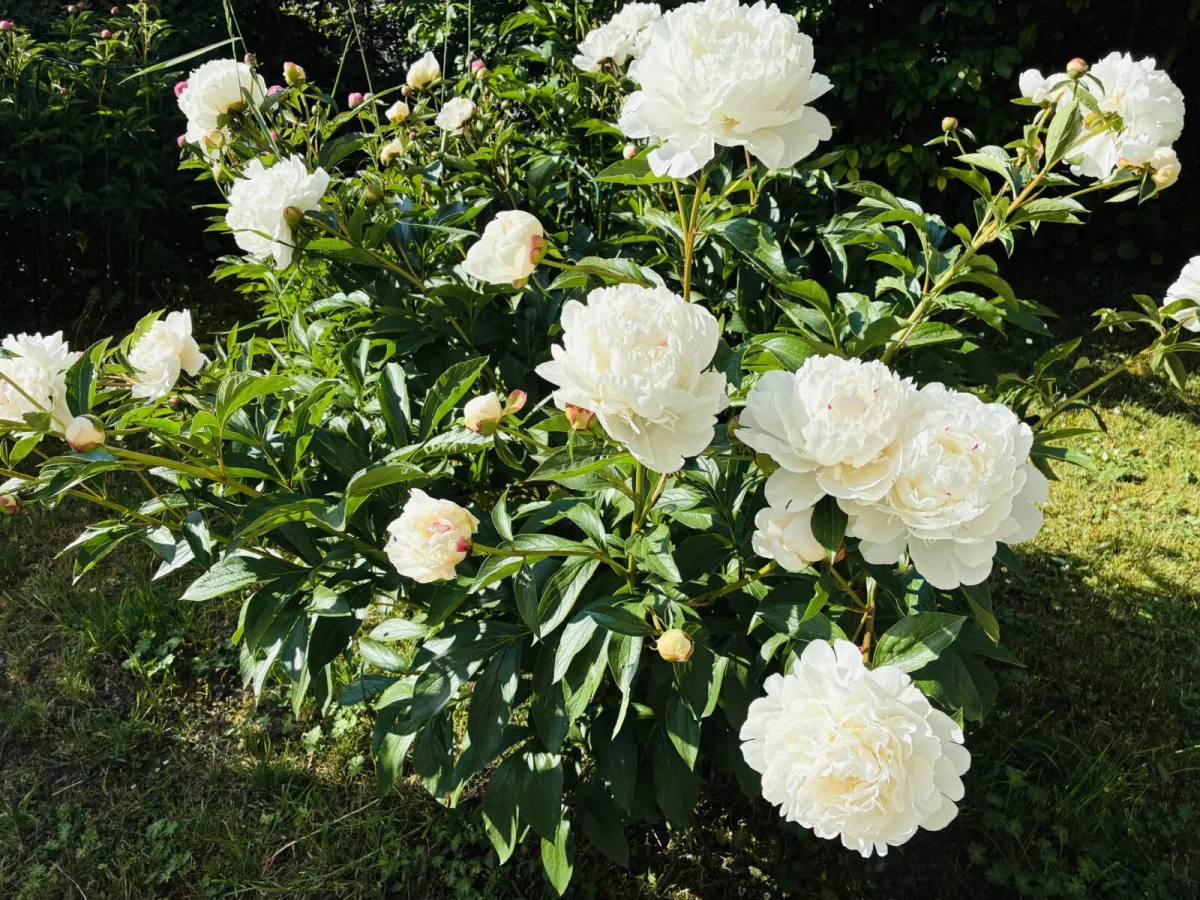
Autumn is the most favourable time to plant peonies. Roots and divisions have plenty of time to settle in before spring, so the plant starts the new season much more strongly. The foundation for success is well-prepared soil that drains freely while still containing plenty of organic matter.
Correct planting depth is crucial. The buds (eyes) must face upwards and must not be set too deep. If they sit under more soil than they should, the peony may grow—but you’ll get few flowers, or none at all.
Watering after planting and light protection
After planting, water the roots thoroughly so the soil settles and wraps around them properly. Regular winter watering usually isn’t necessary, but during a long dry spell combined with unusually mild weather it’s worth checking the soil and, if needed, moistening it lightly.
A thin layer of mulch helps with new plantings. It protects the roots from sharp temperature swings and reduces frost heave as the soil freezes and thaws. That movement can damage young roots. However, the mulch mustn’t stay too long. In spring, pull it back in time so the soil above the buds can warm up and new shoots have clear space.
Tree peonies need a different approach
Tree peonies differ from the usual herbaceous types in that they form permanent woody branches. You can’t treat them like plants that die back completely to the ground each winter. Their autumn care focuses mainly on feeding and protecting the root zone.
Feeding and mulching before winter
These peonies also benefit from an autumn application of a slow-acting fertiliser. The right time is when the leaves start to fall. The aim is to strengthen the roots and the plant’s overall condition before winter—not to force more shoot growth.
A mulch spread over a wider area around the shrub—ideally out to the edge of the canopy—can be very useful as well. It helps keep soil temperatures steadier and reduces drying out. In colder regions or exposed, windy sites, you can also lightly mound soil or mulch around the base of the plant, which better protects the lower part of the shrub from winter fluctuations.
Autumn care for Itoh hybrids
Although Itoh hybrids combine traits of herbaceous and tree peonies, their autumn care is closer to classic herbaceous types. Once the leaves and stems have died back, you can cut the plant down low to the ground. It’s best to remove all debris from the bed so potential sources of infection don’t overwinter there.
Newly planted Itoh hybrids appreciate a light layer of mulch for their first winter. Older, well-established plants generally don’t need heavy covering. In fact, winter chill benefits them and is important for good bud set the following season.
How to set yourself up for abundant flowering next year
Growing peonies isn’t about complicated techniques, but about good timing of a few basic jobs. In autumn, the most important things are removing dead growth, dividing old clumps if needed, providing suitable nutrients, and helping new plantings root in well. For more sensitive plants, sensibly applied mulch can help too.
If peonies get exactly what they need in autumn, they go into winter stronger—and in spring they reward you with healthy growth and noticeably more abundant flowering.
With good care, these long-lived perennials can brighten a garden for many decades. Autumn attention is often what determines whether they remain vigorous, reliable, and just as impressive year after year.
Source: Gardening Know How, Homes and Gardens , Pestrazahrada.cz

A nurse by profession, she is passionate about healthy living, nature, and everything that benefits both people and the world around them. In her free time, she enjoys gardening, cooking, sewing, and caring for her family. In her articles, she loves combining professional expertise with practical experience from the garden and everyday life.
Related articles

Feed Blueberries in Autumn with a Homemade Mix That Ferments for a Few Weeks and Shows Results in Spring
If you want your blueberries to flower and fruit more heavily next year, try a simple homemade feed made from stale bread and used coffee grounds. Left to ferment for a few weeks, it can gently support soil life and the root zone going into winter.

Stonecrop is the easiest perennial for lazy gardeners but one common mistake ruins it
Stonecrop (Sedum) is a tough, drought-tolerant perennial, but it isn’t indestructible. Give it sun and sharply draining soil, and avoid overwatering to keep it compact and floriferous.

Lift cannas for winter: mistiming can ruin them and one extra week can decide next season
Cannas are spectacular summer plants, but in colder regions their rhizomes won’t survive hard frost in the ground. Lift them at the right moment, dry them properly, and store them cool and dry for replanting in spring.
Comments (0)
Be the first to comment.