
 English
 Polski
 Deutsch
 Nederlands
 Svenska
 Norsk
 Dansk
 Français
 Italiano
 Español
 Português
 Slovenčina
 Suomi
 Gaeilge
Propagating Grapevines Has Three Rules Most Cuttings Die in Winter Due to a Preventable Mistake
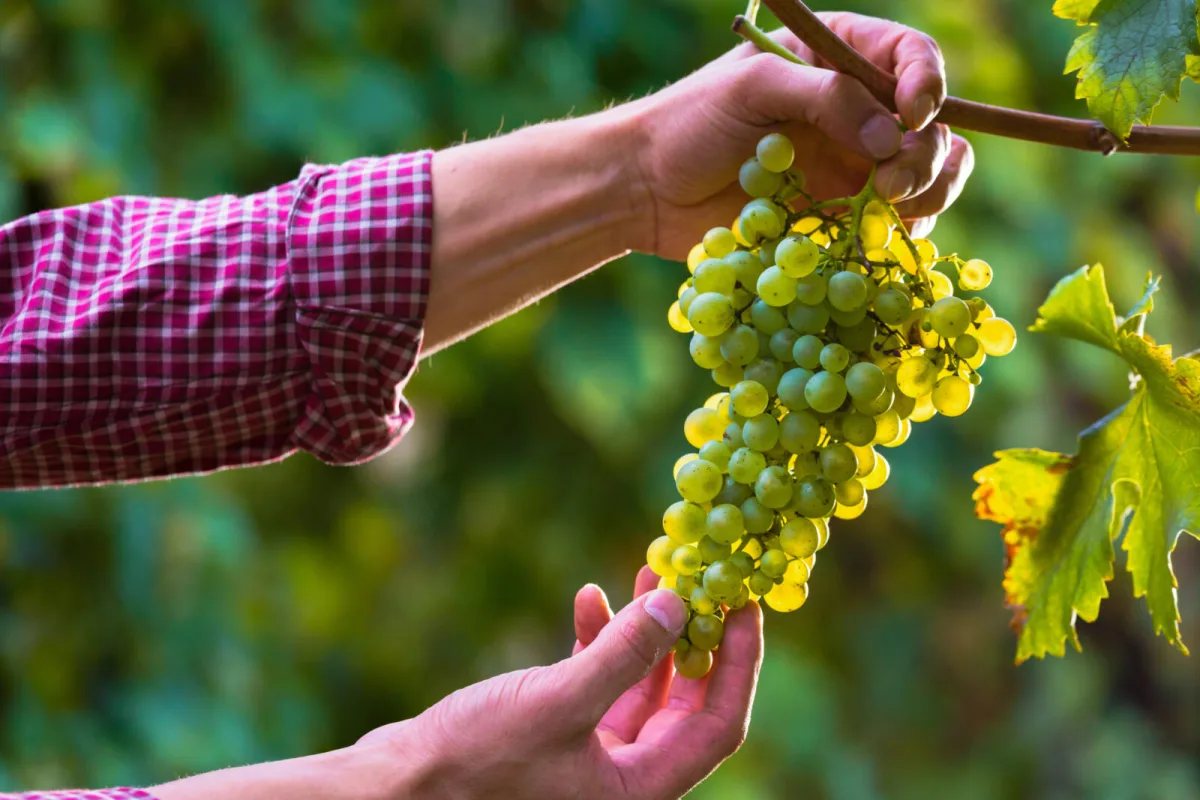
In autumn it can seem as though the grapevine has finished for the season. The grapes are picked, the leaves turn yellow, and the vine settles down to rest. Yet that is exactly when the best moment arrives to take cuttings that can be grown into new plants in spring. If a grower misses this window, they lose the chance to propagate their own proven vine inexpensively and are often left either waiting another year or buying ready-grown plants.
The most suitable time comes after leaf fall and still before any harder frosts. In our conditions this is most often during October. The reason is simple. One-year wood is well ripened at this time and contains reserves of sugars and starches that will later be needed for rooting. Spring cutting collection is less reliable, because the canes have been through the whole winter, may be cold-damaged, and lose moisture more easily.
How to recognise the right shoot for cuttings
The foundation of success is choosing a healthy, productive mother vine. There is no point propagating a plant that suffered from disease or cropped poorly, because the same weaknesses can carry over to the next generation. A suitable cane has firm brownish bark, clearly visible nodes, and buds that are intact and undamaged. The thickness should be roughly that of an ordinary pencil.
The middle section of the cane usually performs best. Pieces that are too thin dry out quickly, while over-thick, overgrown shoots are often less reliable. It is a good idea to cut longer lengths, around 50 to 70 cm, because both ends are trimmed again in spring anyway. Make the top cut straight a little above a bud, and the bottom cut on a slant just below a node. That way it is immediately obvious which end is the top and which is the base.
Labelling varieties matters more than it seems
Once the cuttings are taken, it is sensible to sort them by variety straight away, tie them into bundles, and label them with a durable tag. This is where a common mistake happens. In spring, different varieties are very hard to tell apart without leaves and fruit, and anyone who mixes them will later be left guessing what they actually planted. With home propagation, the big advantage is precisely that you can keep exactly the vine you already know from your own garden.
The biggest losses happen during winter storage
Cutting the canes is usually quick; what matters is keeping them through winter. The ideal is a cool place at around 1 to 4 °C, with higher, but not excessive, humidity. If the air is too dry, the bark wrinkles and the tissues die. If the environment is too wet or has no ventilation, mould appears and the cuttings sweat and rot.
You can store them in a cellar, in the fridge, or even outside in a suitably protected trench, provided there is no risk of waterlogging. What matters is that it is not a spot with frequent temperature swings. As soon as temperatures rise too much, buds start to wake before roots form, and the cutting wastes its stored reserves. Close proximity to apples and pears is also unsuitable, as they encourage premature bud break.
Regular checks can save most of your material
Over winter it is not enough to store cuttings and forget about them. Every few weeks it is worth unwrapping the bundles and checking the bark, buds, and cut surfaces. A viable cutting has firm buds, and a fresh cut reveals green, moist wood. Shriveled bark and dark, dry wood indicate it has died, while wet, dark patches point to overheating and rotting.
Early mould can often be dealt with in time by cleaning it off and changing the wrapping or storage medium. Slightly dried-out cuttings can still be revived with a short soak in cool water. Pieces that are black and clearly dead are best discarded without hesitation so they do not threaten the rest.
Spring wake-up and rooting
At the turn of February and March, part of the stored cuttings can be prepared for rooting at home. Refresh the bottom cut just below a node, and the top cut a few centimetres above a bud. Light lengthways scratches near the base can also help by encouraging root formation. Before planting, cuttings are usually soaked in water for one to two days.
It is very important that the lower part is warmer than the top. Buds wake faster than roots. If the shoot develops too early, the cutting weakens before it has time to root. Moving young plants out to a bed or nursery row is therefore safer later in spring, depending on the weather.
Home-grown plants also mean real savings
Propagating grapevines from your own cuttings brings not only satisfaction but also financial savings. Typical vines in garden centres often cost several hundred crowns each. If you manage to root, say, five cuttings, the difference compared with buying can be substantial. Even allowing for compost and pots, the home method works out better for many growers.
Beyond the price, certainty of characteristics matters too. A gardener knows exactly how their vine tastes, how it crops, and how it copes with local conditions. New plants from cuttings will keep these traits. Just remember that this kind of propagation is intended for personal use. Selling vines is subject to separate rules on plant health status and the labelling of propagation material.
With grapevines, the decisive moment is often not spring but October. Anyone who takes good-quality cuttings then and stores them correctly over winter can raise new vines of the same variety as the mother plant with very little cost.
Source: English Wine, The Spruce, RHS, Pestrazahrada.cz

A lover of nature, gardens, and everything that moves, blooms, or grows. He literally grows everything, from herbs to rare species, and he enjoys caring for animals just as much. In his work, he connects modern technology with tried-and-tested grandmotherly methods and is happy when both paths lead to the same goal.
Related articles
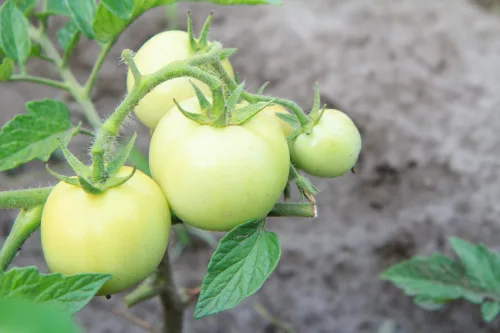
Not all green tomatoes will ripen. Experienced growers know which to pick and which to leave
As the tomato season winds down, it pays to judge green fruit by maturity and the forecast rather than the calendar. Size, skin colour and a quick seed check will tell you what can finish ripening indoors and what won’t.
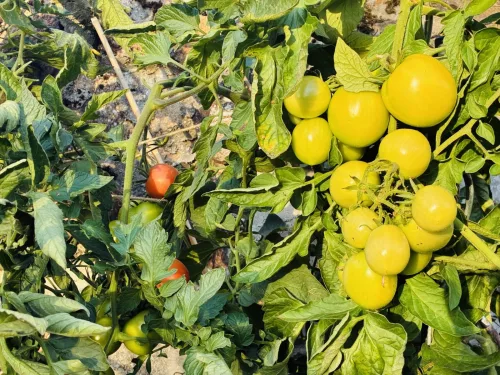
Don’t Throw Away Green Tomatoes They’ll Ripen Indoors and the Rest Belongs in the Pan
As temperatures drop at the end of summer, tomatoes often struggle to finish ripening on the plant. With a few simple tweaks you can help them colour up, ripen the rest indoors, and use any stubborn green ones in delicious recipes.
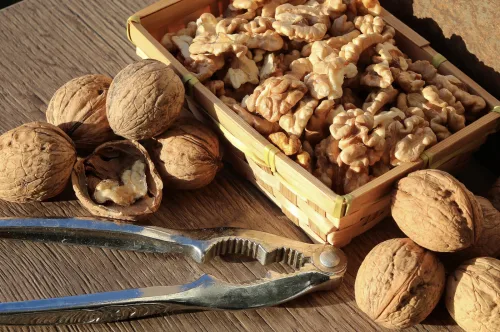
Walnuts will keep until next year’s harvest, but one post-harvest mistake can ruin them with mould
Home-grown walnuts can stay delicious for months—often right up to the next harvest—if you dry and store them properly. Moisture trapped in the kernel is the quickest route to musty flavour, rancidity and mould.
Comments (0)
Be the first to comment.