
 English
 Polski
 Deutsch
 Nederlands
 Svenska
 Norsk
 Dansk
 Français
 Italiano
 Español
 Português
 Slovenčina
 Suomi
 Gaeilge
A tree that can outlive generations and drops crops every autumn has one requirement people forget
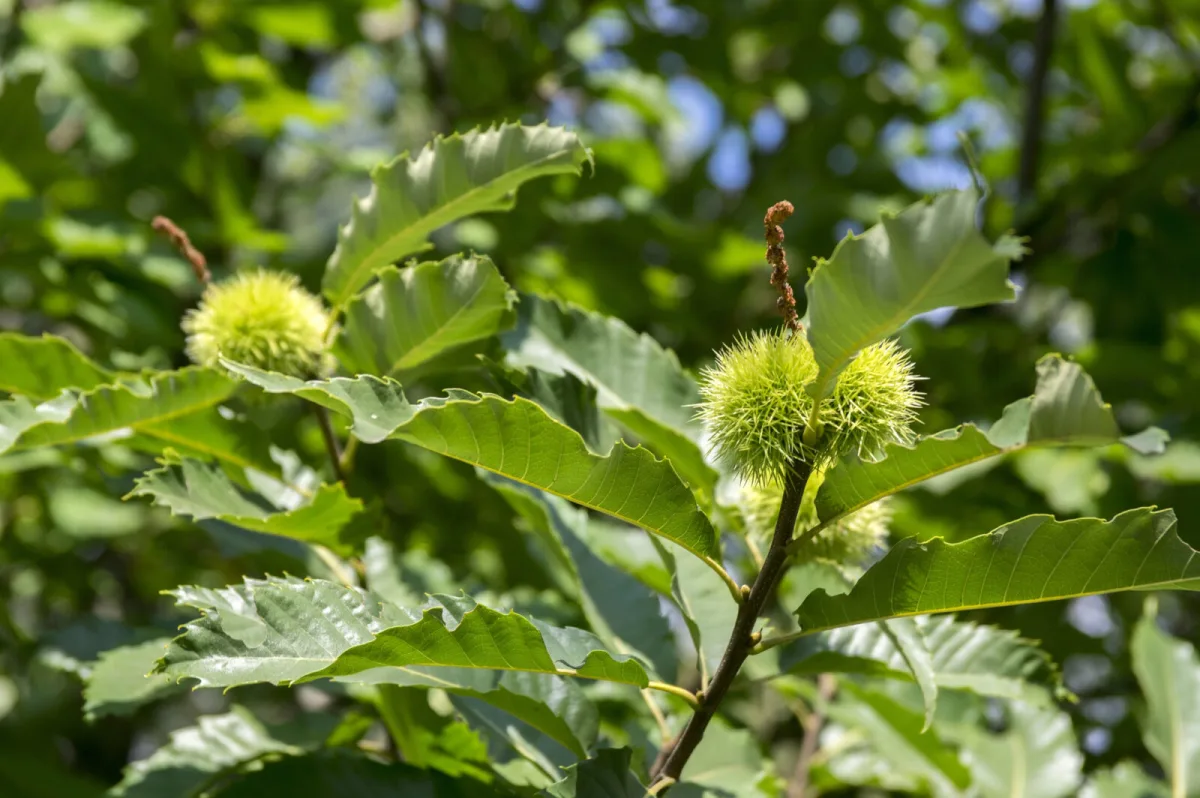
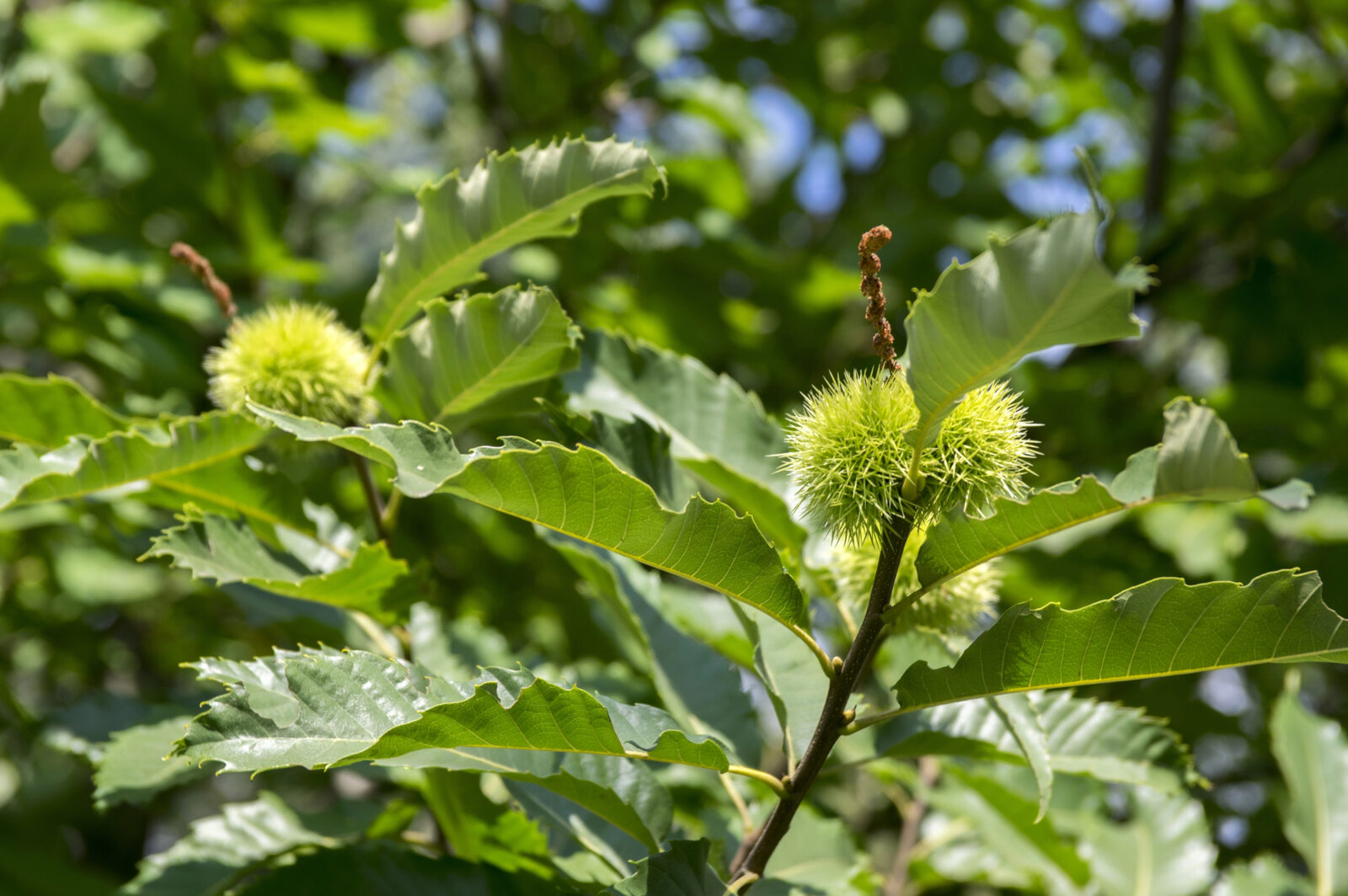
Sweet chestnut is one of the most interesting trees you can grow in our climate, combining real ornamental value with a practical harvest. For centuries it has been prized not only for its tasty nuts, but also for its longevity and striking presence. In many parts of Europe it used to be an important staple because chestnuts could stand in for cereals where grain crops struggled. People made chestnut flour, porridge, flatbreads and other simple, filling foods.
This tree likely originates from Asia Minor, from where it gradually spread into the warmer parts of Europe. Today it can also find a place in Czech and Slovak gardens, provided the grower gives it suitable conditions. Alongside the crop, it offers a dramatic look all year round, from spring flowering to autumn ripening, when the nuts develop inside spiky husks.
What it looks like and why people confuse it
Sweet chestnut is a large deciduous tree that can reach impressive height and, in the right spot, live for several centuries. It forms a broad crown, so it needs plenty of space. In spring it draws the eye with showy yellowish catkins, in summer with large glossy leaves, and in autumn with the familiar prickly husks in which the nuts ripen.
It is often mistaken for horse chestnut (Aesculus hippocastanum). These are completely different trees. Horse chestnut “conkers” are not for eating, while sweet chestnuts are a nutritious and sought-after ingredient. Knowing the difference is essential, both for growing and for foraging.
Where it grows best
Sweet chestnut crops most heavily in a sunny, warm position sheltered from strong winds. It prefers deeper, free-draining, humus-rich soil with a slightly acidic reaction. Heavy, waterlogged or chalky soils do it no favours and can lead to weaker growth and poorer fruiting.
When planting, it helps to add acidic peat, ericaceous compost, or leaf mould from woodland. This supports conditions that suit the roots and beneficial soil life. Young trees must be planted carefully because they can be sensitive to damage to the main taproot. For the first few years after planting, they need regular watering and, in colder areas, protection from harsher frosts.
Yields are higher with proper pollination
Although sweet chestnut is monoecious, for more reliable pollination and better nut set it is recommended to plant at least two trees or two different cultivars. This matters especially where you want the tree to be truly productive. Seed-grown trees come into bearing relatively late, often only after many years. Grafted cultivars fruit sooner and are usually the better choice for gardens where a more regular harvest is expected.
More compact cultivars are suitable for smaller spaces, while in large gardens chestnut works best as a specimen tree. Do bear in mind that this is a tree for generations and will become a strong focal point on the property.
Autumn harvest and how to store the nuts properly
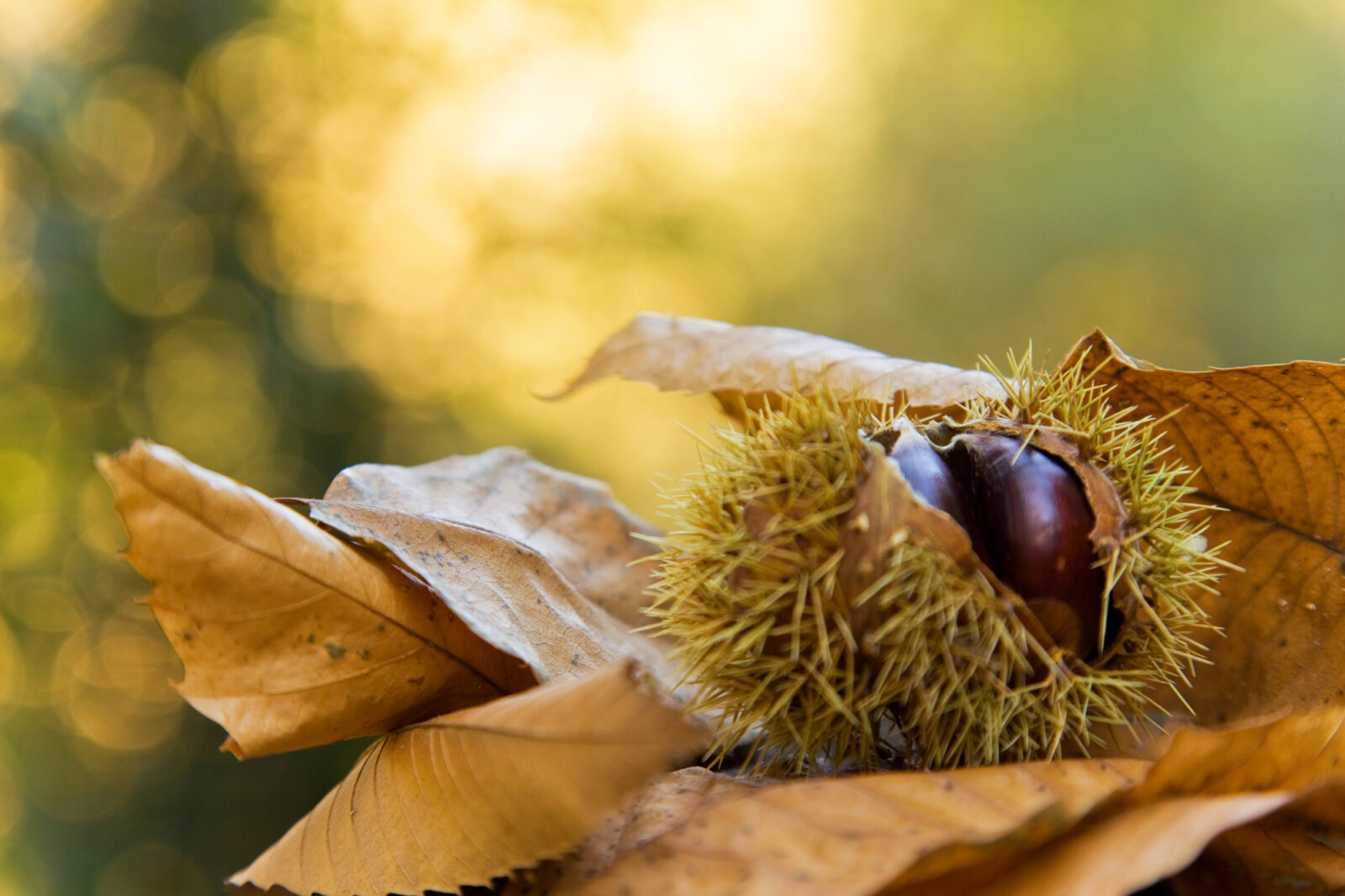
The nuts usually ripen from late September into October, depending on the cultivar and that year’s weather. Once mature, chestnuts drop out of the spiky husks onto the ground, where you can collect them little by little on dry days. Protective gloves are worth using when harvesting. After picking, sort the nuts and discard any damaged ones.
Sweet chestnuts contain less fat than most nuts, yet they are rich in energy, fibre and vitamin C.
Because they contain a lot of water, they do not keep long at room temperature. It’s best to use them as soon as possible or store them in the cold. Once cooked and peeled, they can also be frozen, preserving both flavour and nutritional value for much longer.
In the kitchen, they’re surprisingly versatile
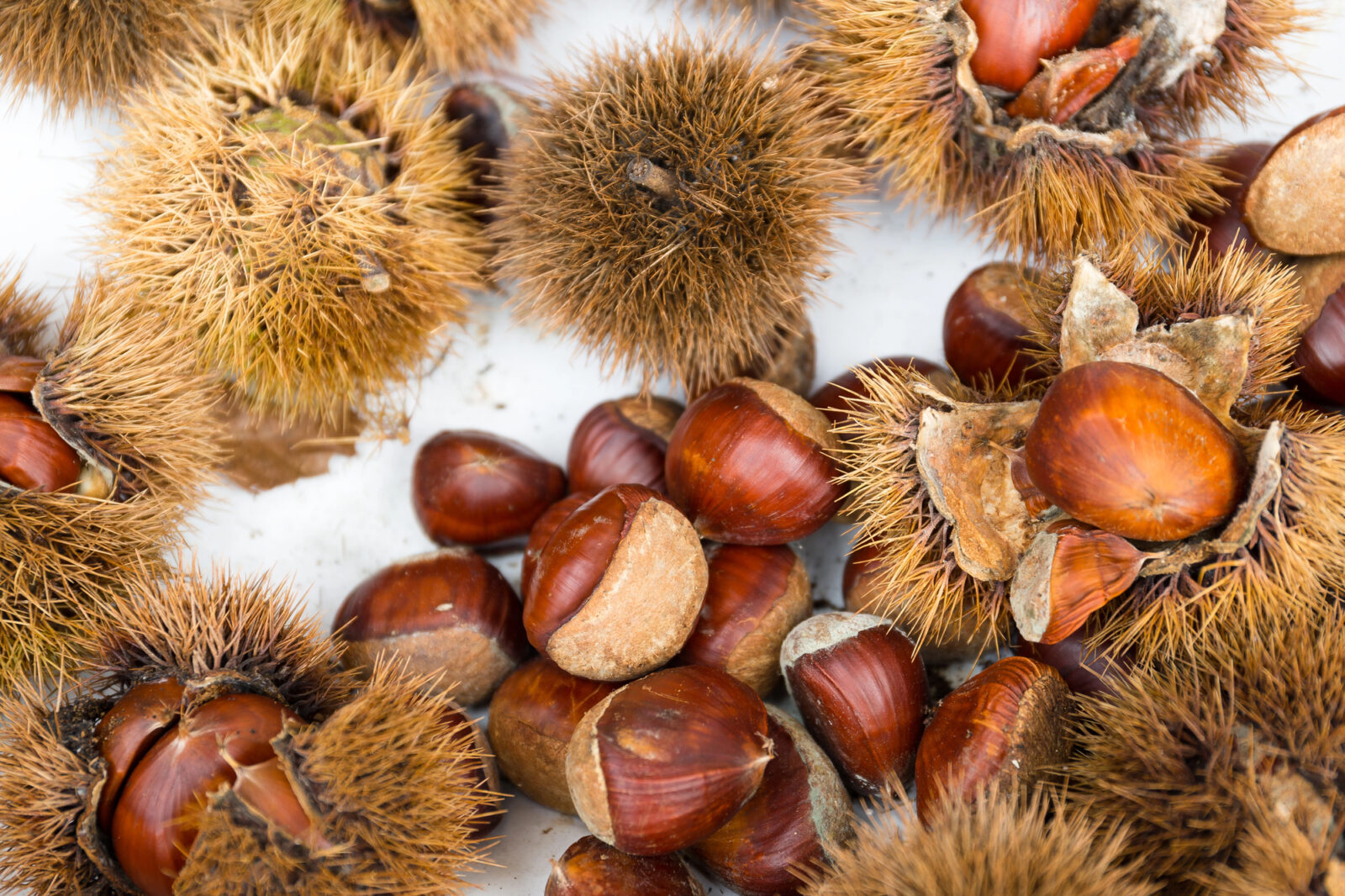
Sweet chestnuts are among the most valuable autumn crops. They contain carbohydrates, fibre, B vitamins, vitamin C, and a range of minerals. Their flavour is gently sweet, and after cooking they develop a pleasant, nutty aroma. That’s exactly why they have such a wide range of uses in the kitchen.
They can be served roasted, boiled or braised. They’re used for purée, soups, stuffings, desserts and flour, which is naturally gluten-free. They pair beautifully with pumpkin, mushrooms, poultry and game. Cooked and blended chestnuts can enrich creamy soups, risottos or special-occasion side dishes for roast meats. In French and Italian cooking they have a long tradition, often made into sweet creams and pastries.
Sweet chestnut isn’t just a tree with a beautiful crown, but also a lasting source of an autumn harvest that fits both modern and traditional cooking.
Source: Záhrada, Gardening Know How, Pestrazahrada.cz

A lover of nature, gardens, and everything that moves, blooms, or grows. He literally grows everything, from herbs to rare species, and he enjoys caring for animals just as much. In his work, he connects modern technology with tried-and-tested grandmotherly methods and is happy when both paths lead to the same goal.
Related articles
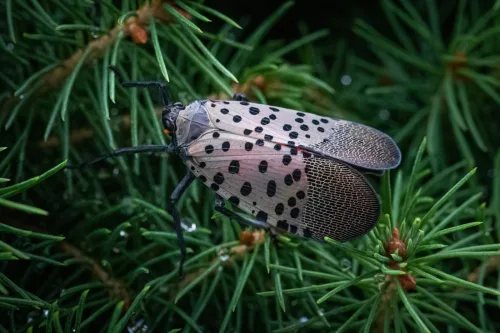
A feared pest from China has reached Europe and it has no Czech name and it devastates everything from grapevines to orchards
Hungary has confirmed the first European detection of Lycorma delicatula, a highly destructive invasive pest known for severe damage to grapevines, fruit trees and many other plants. Authorities have launched quarantine measures to prevent it from establishing and spreading further.
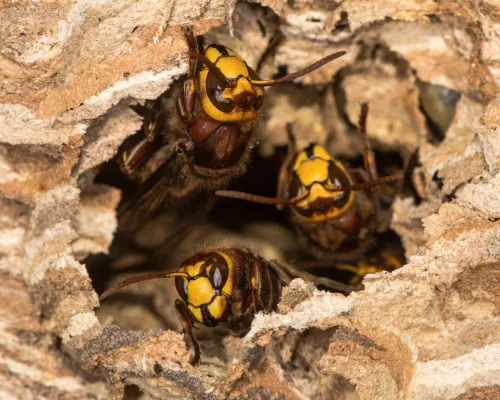
You Can Remove a Hornet Nest Without a Permit If You Meet Legal Conditions
Home and garden owners often worry whether removing a hornet nest could put them on the wrong side of the law. In the Czech Republic, the European hornet is generally protected, but it is not a specially protected species, so removal is usually possible when there is a genuine safety risk.
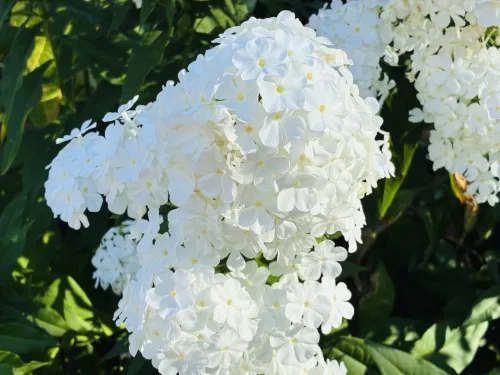
Grandma’s Favourite Flower Is Back and It’s Surprisingly Easy to Grow
Phlox is a classic cottage-garden perennial that brings rich colour, fragrance, and pollinators into the border with minimal fuss. Choose the right spot for the species, keep moisture even, and you’ll be rewarded with weeks of bloom.
Comments (0)
Be the first to comment.