
 English
 Polski
 Deutsch
 Nederlands
 Svenska
 Norsk
 Dansk
 Français
 Italiano
 Español
 Português
 Slovenčina
 Suomi
 Gaeilge
Winter Chicken Care Has Rules Most Keepers Get Backwards Heating Is a Trap
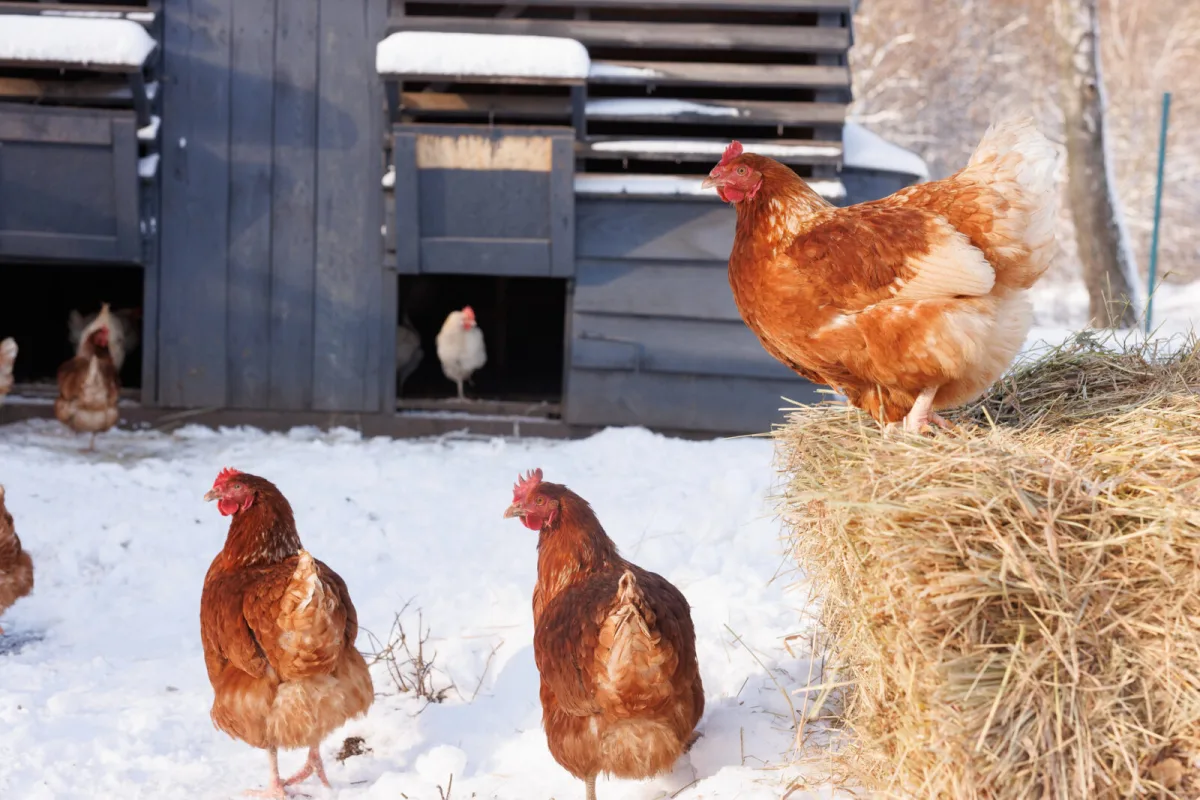
Keeping chickens at home brings joy, fresh eggs, and a bit more self-sufficiency. Although chickens are fairly low-maintenance and can manage with a smaller space, they need more carefully managed conditions during the winter months. Low temperatures, wind, dampness, and snow can all affect their health and egg production. But if you prepare the coop properly and adjust daily care, your hens can stay comfortable and in good condition throughout the cold season.
The coop should mainly protect against wind and damp
The most important part of winter protection is the coop itself. It must reliably shelter chickens from rain, snow, drafts, and rodents. A common solution is a timber frame clad with boards, but whatever the material, it’s crucial that all gaps are well sealed. The roof should be solid and leak-free. Some keepers add insulation, which helps maintain a more comfortable environment inside. It’s worth knowing, though, that preventing drafts is even more important than insulation alone. Cold wind makes it much harder for chickens to maintain their natural body heat.
Ventilation is essential even in winter
A coop should not be hermetically sealed. Moisture builds up inside, along with ammonia from droppings, and both need to escape. Without adequate ventilation, the interior quickly becomes damp, increasing the risk of frostbite and respiratory problems. Small vents or a small window covered with suitable protective mesh can help, while still keeping predators out. Vent openings should be positioned away from the side that usually takes the strongest wind, so ventilation doesn’t turn into a cold draft.
Perches and the floor determine overnight comfort
Chickens naturally roost off the ground, so they need enough space on perches. A good guide is about 23 to 30 cm of perch space per bird. Wood is the best choice because, unlike metal, it doesn’t get as cold and won’t chill their feet as much. Perches should be wide enough for chickens to grip securely with their toes. Too narrow reduces stability; too wide prevents a natural, comfortable grip.
Floor protection matters too. If the coop is open to the ground or has a cold floor, a thicker layer of straw or wood shavings helps. It insulates from below and also cushions their legs when they hop down from the perches. Bedding is useful in the run as well, especially if it’s roofed or partly enclosed.
More light can support laying
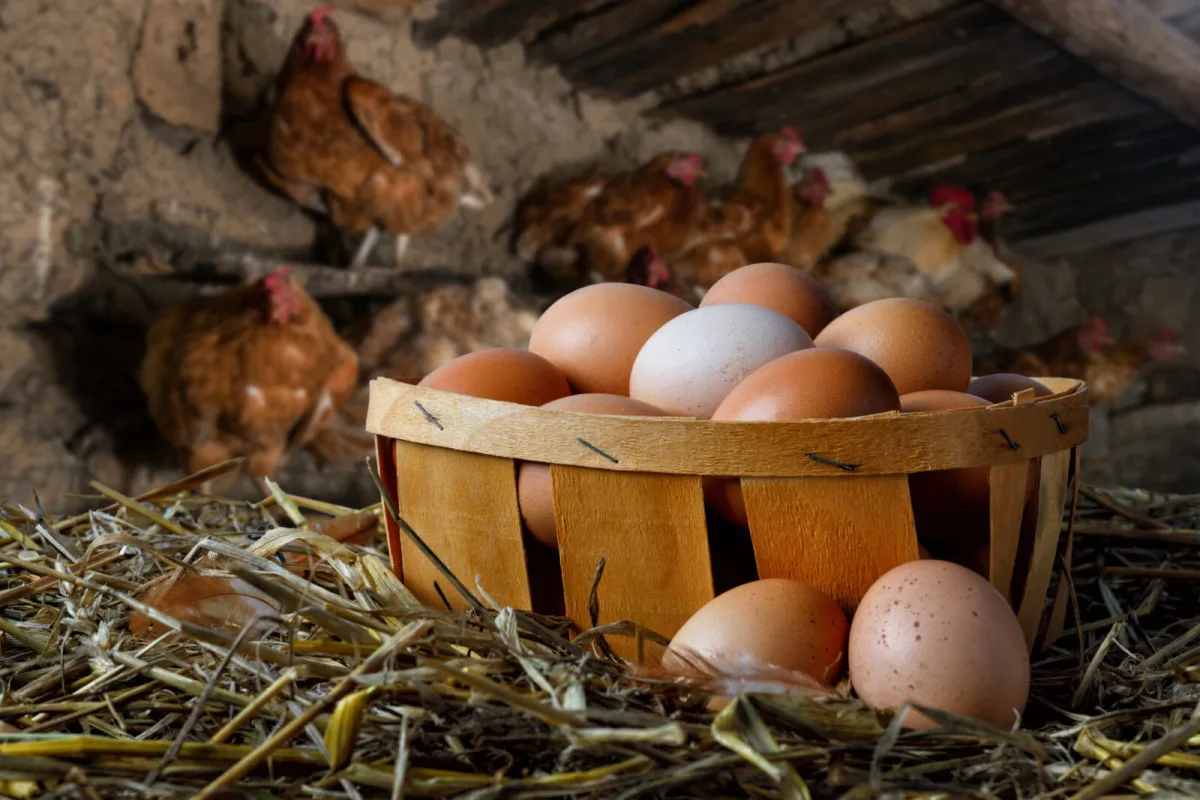
As winter days get shorter, hens usually lay fewer eggs. If you want to encourage production, you can add artificial lighting so they have roughly 14 to 16 hours of light per day. LED lights are especially suitable because they run cooler and reduce fire risk. Lighting should be installed safely and out of the chickens’ reach. In winter, eggs should also be collected more often so they don’t sit in the cold too long and freeze.
Heating is usually the exception, not the rule
In most cases, you don’t need to heat a chicken coop. A well-built, dry, wind-sheltered space is usually enough for standard breeds. Adding heat sources increases the risk of fire, especially with straw, shavings, and other flammable materials inside. Chickens can also knock over or damage certain devices. On exceptionally bitter days, you can protect more sensitive areas, especially combs and wattles, with an anti-frostbite ointment.
Smaller breeds, such as bantams, can be an exception. They tend to have lower body mass and cope less well with cold. In that case, it may be worth considering better insulation or a specialist, safety-rated coop heater designed specifically for chicken housing. Always follow the safety instructions carefully.
Some breeds handle frost better than others
Although chickens originate from warmer regions, their dense plumage and soft down mean they can tolerate cold surprisingly well. In general, larger breeds are hardier, as are those with smaller combs, because there’s less risk of frostbite. When choosing a flock for colder conditions, it’s sensible to consider not only productivity but also winter hardiness.
In winter they need more feed and constant access to water
During cold weather, chickens may eat significantly more feed, sometimes up to a quarter more than usual. Their bodies use more energy to stay warm. It’s important they have a steady, adequate supply of quality feed. Offering whole grains later in the afternoon can also help, because digesting them overnight contributes to generating body heat.
In winter it’s also wise to provide grit, meaning small stones that aid digestion. When the ground is covered with straw, snow, or ice, chickens have a harder time finding it on their own. Without grit, feed is processed less efficiently.
Water is just as vital as feed. Hens must have constant access to clean, unfrozen water. If you have electricity available, a heated drinker or a heated base can be used. Where there’s no power, a rubber bowl can work well because ice can be knocked out easily and replaced with fresh water. This option requires more frequent checks, but it’s often practical.
Cleanliness and early problem-spotting are key
A winter coop must stay dry and clean. Regularly removing droppings and replacing soiled bedding helps reduce damp, odour, and the spread of disease. Some keepers use the deep-litter method, topping up bedding over time; as it breaks down it can produce a little warmth. Even then, you still need to monitor hygiene and overall conditions.
If chickens huddle tightly, frequently lift one foot, or noticeably fluff up their feathers, it may mean they’re too cold. Then it’s a good idea to check for drafts, wet bedding, and whether they have enough food and water. If you suspect frostbite or other health issues, contact a vet.
It pays to plan for emergencies too
Winter storms, severe frosts, or a power cut can quickly complicate chicken care. That’s why it’s sensible to keep a запас of feed and bedding at home and have a plan for how you’ll provide water and light if unexpected problems arise. Good preparation reduces stress for both the birds and the keeper.
A well-secured coop, a dry environment, plenty of feed, unfrozen water, and regular checks are the basics that help chickens get through winter without trouble and stay healthy and active.
Source: Extension, Miller-MFG, Pestrazahrada.cz
Related articles
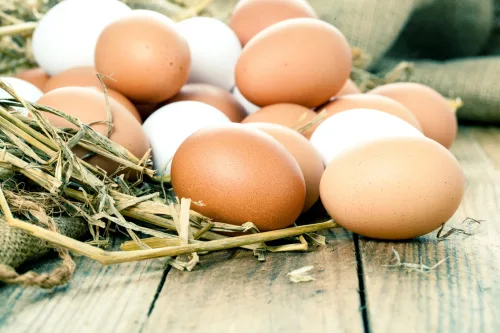
The Most Common Mistake With Home-Laid Eggs That Seems Careful but Actually Harms Them
Fresh eggs from your own or local hens have a natural protective coating that helps keep bacteria out. Washing them too soon can strip that protection and shorten their keeping quality.
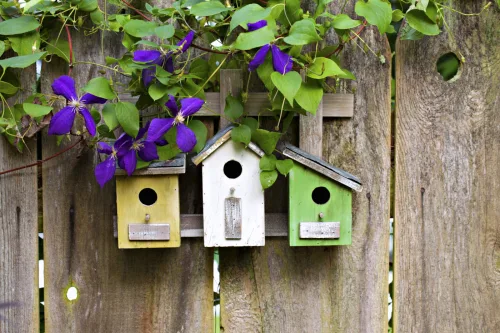
An Empty Nest Box in a Tree Reveals a Mistake Even Experienced DIYers Make
Making a bird nest box is an easy project, but small construction and placement mistakes can leave it sitting empty. Get the sizing, ventilation, materials and siting right so birds will actually move in.
Late Feeding Weakens the Whole Colony and Beekeepers Know the Deadline They Must Not Miss
Successful overwintering depends on timely feeding and enough easily digestible stores. If you feed too late, you overburden winter bees and risk a weakened colony or starvation losses.
Comments (0)
Be the first to comment.